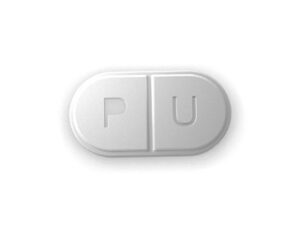
Duphaston (Dydrogesterone) – Patient Information for the UK
Duphaston is a brand of dydrogesterone, a synthetic hormone medicine used to support the female reproductive system. It belongs to the group of medicines known as progestogens (also called progestins), which act like natural progesterone in the body.
This guide is written to be patient-friendly and focuses on how Duphaston works, typical uses, how it is usually taken, and important safety information relevant to people in the United Kingdom. Always follow the advice given by your healthcare professional and read the package information provided with your medicine.
1) Basic product information
| Item | Details |
|---|---|
| Medicine name | Duphaston |
| Active ingredient | Dydrogesterone |
| Drug type | Progestogen (synthetic progesterone-like hormone) |
| Common presentations | Typically available as film-coated tablets containing dydrogesterone (strength may vary by product/pack) |
| How it is taken | By mouth (tablets) |
| General use | Hormone support for specific gynaecological conditions |
2) How Duphaston works (mechanism of action)
In the menstrual cycle, oestrogen helps build up the lining of the womb (the endometrium). If the endometrium is stimulated by oestrogen without adequate progesterone-type activity, it may become overgrown and can increase the risk of abnormal changes.
Dydrogesterone provides the progestogenic (progesterone-like) effect:
- Prepares and stabilises the endometrium so it responds appropriately after oestrogen exposure.
- Supports regular shedding of the endometrial lining when necessary (e.g., to control bleeding patterns).
- Helps correct problems associated with inadequate progesterone effect (often called “luteal phase” insufficiency in clinical contexts).
- When used with oestrogen in some situations, it helps protect the womb from oestrogen-related overgrowth.
While Duphaston is a hormone medicine, it does not work like an emergency contraception product.
3) Pharmacokinetics (how the body processes it)
Understanding pharmacokinetics can help explain why dosing schedules are designed as they are.
- Absorption: Dydrogesterone is absorbed after oral use.
- Distribution: It acts on hormone receptors and distributes through the body to exert its effects.
- Metabolism: Dydrogesterone is metabolised mainly by the liver.
- Active metabolite: Its principal metabolite is 20α-dihydrodydrogesterone, which contributes to the overall hormone effect.
- Elimination: Metabolites are primarily excreted in urine.
Because the medicine is processed and eliminated in a predictable way, clinicians often use daily dosing and may split doses across the day to match the intended hormonal effect.
4) Typical use in the UK
Duphaston is used to address hormone-related gynaecological conditions and to provide progesterone support in selected circumstances. The exact reason and duration of treatment vary depending on your diagnosis and individual risk factors.
Common contexts where progestogens like dydrogesterone may be used include:
- Irregular or abnormal menstrual bleeding (including heavy or irregular periods) where a progestogen is appropriate.
- Prevention and treatment of endometrial hyperplasia in people receiving oestrogen therapy (with a uterus) where a progestogen is needed.
- Conditions related to progesterone deficiency (for example, in certain luteal phase-related fertility concerns, depending on clinical assessment).
- Support in recurrent pregnancy loss in specific clinical settings, where hormone support may be considered.
- Endometriosis to reduce hormone-driven endometrial growth and symptoms (as advised by a clinician).
Important: The suitability of Duphaston depends on your personal medical history, including bleeding patterns, liver function, and risk factors such as a history of blood clots or hormone-sensitive tumours. Your clinician will weigh benefits and risks for you.
5) Indications (what it may be used for)
In practice, dydrogesterone may be indicated for conditions such as:
- Irregular menses and abnormal uterine bleeding due to progestogen deficiency
- Endometriosis
- Disorders of menstruation associated with insufficient luteal function
- Threatened miscarriage and recurrent miscarriage in selected situations (use is based on specialist/individual assessment)
- As part of hormone therapy with oestrogen for protection of the uterine lining in postmenopausal hormone therapy where applicable
Because the exact licensed indications and dosing can vary by product strength and local prescribing protocols, always confirm your specific “why” with your healthcare professional.
6) How to take Duphaston – timing and dosing overview
Duphaston is taken by mouth. The dose and schedule depend on the condition being treated. Many regimens are designed around the menstrual cycle (e.g., starting on a specific day of bleeding) or on a fixed course of days.
General timing principles:
- Try to take tablets at consistent times each day.
- When your dose is split across the day, spacing doses evenly can help maintain steadier hormonal effect.
- If your clinician has tied dosing to cycle days (for example, “days X to Y”), follow those instructions closely.
- Do not change your dose on your own; hormone medicines may have different effects depending on timing.
Typical dosing patterns (examples)
The following are general examples of how progestogens are often scheduled. Your own plan may differ—use this section to understand the kinds of schedules your clinician may choose.
- Abnormal uterine bleeding / irregular menses: dosing may be given for a limited number of days per cycle, often after assessment.
- Endometriosis: dosing can be taken daily for a longer course, sometimes with cycle-based adjustments.
- Oestrogen replacement with a uterus: a progestogen is typically added for part of the cycle to protect the endometrium; the exact number of days depends on the oestrogen regimen.
- Recurrent pregnancy loss / pregnancy support: dosing is individualised and should be based on your clinician’s plan.
Practical note: If you have a missed dose, follow the guidance given with your medicine or by your clinician. Do not double up without advice.
7) Food interactions
Duphaston can generally be taken with or without food. Food is unlikely to have a major effect for most people.
To make taking easier:
- Choose a routine that fits your day (e.g., with meals or at a consistent time after meals).
- If you notice nausea or stomach discomfort, taking it with food may help.
8) Alcohol and medicine interactions
Alcohol
Moderate alcohol intake is unlikely to directly “cancel” dydrogesterone. However:
- Alcohol can worsen fatigue or mood changes some people experience with hormone therapy.
- If you have liver disease or elevated liver enzymes, it is best to discuss alcohol with your clinician, as dydrogesterone is metabolised in the liver.
Avoid heavy or binge drinking while taking hormone medicines, and seek advice if you are unsure.
Other medicines
Some medicines can affect the liver enzymes involved in drug metabolism. This may change blood levels of hormonal medicines and could affect effectiveness or side-effect risk.
Examples of medicines to be cautious with include:
- Enzyme inducers (some anti-epileptics, certain treatments for infections like tuberculosis, and some herbal products). These can reduce hormone levels.
- Herbal supplements such as St John’s wort (often used for mood) may interact with many hormone medicines.
Always tell your healthcare professional or pharmacist about:
- All medicines you take (including over-the-counter products)
- Any herbal remedies or supplements
- Any recent medication changes
9) Safety profile – what to watch for
Like all medicines, Duphaston can cause side effects. Many people experience none or only mild effects.
Common or possible side effects
- Headache
- Nausea or mild stomach discomfort
- Breast tenderness or changes
- Mood changes or mild emotional changes
- Vaginal bleeding changes early in treatment (spotting can occur depending on the regimen)
Serious side effects – get urgent medical advice
Stop taking the medicine and seek urgent medical help if you develop symptoms that could indicate a serious complication. This includes symptoms such as:
- Signs of a blood clot: sudden shortness of breath, chest pain, coughing blood, swelling or pain in one leg, or sudden weakness/numbness.
- Severe allergic reaction: swelling of the face/lips, trouble breathing, severe rash.
- Liver problems: yellowing of the skin/eyes (jaundice), dark urine, severe persistent itching, or right-sided upper abdominal pain.
- Severe or persistent unusual vaginal bleeding.
When extra caution is needed
Before starting or continuing Duphaston, tell your clinician if you have any of the following (or a history of):
- A past blood clot or strong family history
- Known liver disease
- Hormone-sensitive cancers (such as certain cancers influenced by sex hormones)
- Unexplained vaginal bleeding
- Any condition affecting the ability to absorb medicines or severe vomiting/diarrhoea
Because hormonal medicines can affect bleeding patterns, any unusual bleeding should be assessed.
10) Practical use tips
- Set a daily reminder (phone alarm or medication app) to help with timing.
- Keep track of your cycle if your dosing relates to cycle days—use a calendar or tracking app and note your tablet days.
- Check your pack for tablet strength and confirm the number of tablets you should take each dose.
- If you miss a dose, consult the advice in your patient leaflet or speak to a pharmacist for guidance tailored to your regimen.
- Don’t stop suddenly without advice, especially if taking it as part of pregnancy support or endometriosis treatment.
- Attend recommended follow-up appointments and any required monitoring (e.g., bleeding review or hormone therapy assessments).
Storage: Store tablets as directed on the pack (typically at room temperature, protected from moisture and out of sight of children).
11) Alternative options
Depending on the condition being treated, alternatives may include other progestogens or different hormonal strategies.
Potential alternatives (examples)
- Other progestogens used for similar hormone support purposes (choice depends on diagnosis and tolerability).
- Combined hormonal approaches when appropriate (for certain menstrual disorders or endometriosis management).
- In some cases, non-hormonal treatments may be considered (symptom-focused options), depending on the cause.
Your clinician can advise which alternative is most suitable. Switching medicines should be done with clinical guidance because dosing schedules and side-effect profiles can differ.
12) Market and legal context in the UK
In the UK, medicines are regulated and supplied under the medicines framework overseen by UK regulators. Dydrogesterone (Duphaston) is an established medicine with defined prescribing information and patient materials.
Key points for UK customers:
- Availability may depend on the specific pack size and strength.
- Pharmacy supply is subject to compliance with UK medicines regulations.
- Patients should use medicines only as directed by healthcare professionals and follow the patient information leaflet provided.
Note: UK guidance may evolve as new evidence emerges. Always check the most current patient leaflet and follow professional advice.
13) Recent guidance and evidence (general overview)
While specific recommendations can vary by diagnosis and individual circumstances, recent years have reinforced several consistent themes across hormonal therapies:
- Individual benefit vs risk assessment, especially where hormone therapy is prolonged or involves added risk factors.
- Monitoring of abnormal bleeding and prompt evaluation where bleeding is unexpected or persistent.
- Clear dosing schedules tied to cycle timing or treatment indications to optimise outcomes and reduce endometrial risks.
Your clinician may review guidance and update treatment plans accordingly. If you have questions about why your dosing schedule is set the way it is, ask your pharmacist or clinician.
14) Delivery and availability (UK)
Online pharmacies serving the UK typically deliver prescription medicines or other pharmacy-supplied items via standard or tracked postal services, depending on provider and local regulations. Availability depends on stock levels, pack size, and strength.
When ordering, you may be asked to confirm:
- Your delivery address details
- Whether you can accept delivery requirements (e.g., age verification where applicable)
- That the medicine is for you (or an appropriate recipient) according to UK pharmacy policies
Delivery times: Many online pharmacies aim for prompt dispatch once payment is confirmed, with estimated delivery windows shown at checkout. Delays can occur due to holidays or carrier disruptions.
Packaging: Medicines are commonly delivered in discreet packaging, following UK pharmacy standards.
15) FAQ – Frequently asked questions
Can I take Duphaston if I have missed periods?
Bleeding pattern changes can have many causes. Duphaston may be used in specific hormone-related conditions, but it is important to determine the reason for missed or irregular periods. If you have possible pregnancy or unusual bleeding, seek medical advice.
How long does it take to work?
For menstrual and endometrial effects, some people notice changes within the first cycle, while others may need more time depending on the condition and dose schedule. Endometriosis symptom improvement may take longer.
What should I do if I forget a dose?
If you forget a dose, follow the advice in your patient leaflet or from your pharmacist. In general, do not double up unless specifically instructed. The best response can depend on how close you are to the next dose and your dosing schedule.
Is Duphaston safe for everyone?
No. Like all medicines, it isn’t suitable for every person. Those with certain medical histories (such as unexplained vaginal bleeding, serious liver problems, or specific hormone-sensitive conditions) require medical assessment before use.
Does Duphaston cause weight gain?
Weight change is not a universal side effect. Some people may experience fluid retention or changes in appetite, but this varies. If you notice rapid or concerning changes, contact a healthcare professional.
Can I take Duphaston while drinking alcohol?
Moderate alcohol is unlikely to directly interact with dydrogesterone, but alcohol can affect how you feel and, in high amounts, can place extra strain on the liver. If you have liver conditions or heavy alcohol use, discuss this with a clinician.
Does Duphaston interact with other medicines?
Some medicines can alter hormone metabolism, including certain enzyme-inducing drugs and herbal products such as St John’s wort. Tell your pharmacist about all medicines and supplements you use.
What bleeding changes are normal?
Depending on the reason for use, mild spotting or changes in bleeding can occur, especially early on. However, persistent heavy bleeding or bleeding that is unusual for you should be reviewed.
Can I stop Duphaston when I feel better?
Do not stop or change dosing without medical advice. Hormone regimens are designed for a specific duration and schedule to achieve the intended effect and reduce risks.
Where can I find more information?
Read the patient information leaflet supplied with your medicine. If you have questions about your specific condition or dosing plan, ask your pharmacist or clinician.
Summary
Duphaston (dydrogesterone) is a progesterone-like progestogen used in the UK to treat and manage a range of hormone-related conditions. It works by stabilising the womb lining and correcting hormonal imbalances. Taking it at the right times, following your prescribed schedule, and monitoring any unusual symptoms are key to safe use.
If you experience any symptoms that concern you—especially signs of allergy, liver problems, or blood clots—seek urgent medical advice. For personalised guidance about whether Duphaston is appropriate for you and how to take it, consult your healthcare professional.