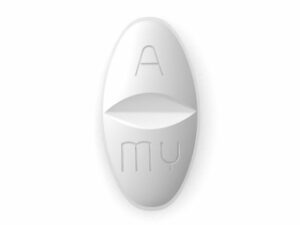
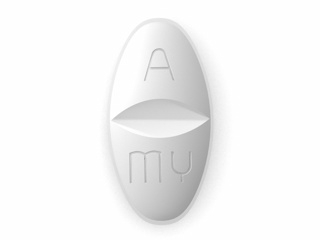

Toprol XL (Metoprolol) — Patient-Friendly Guide (UK)
Toprol XL is a medicine containing metoprolol, a beta-blocker used to treat several heart-related conditions. It is formulated as an extended-release (once-daily) tablet, designed to release medicine slowly over the day.
This guide explains what Toprol XL is, how it works, how to take it safely, and what to expect. It’s written for people in the United Kingdom and uses general health information that may help you talk with your clinician or pharmacist.
Key product information
- Medicine name: Toprol XL
- Active ingredient: Metoprolol (extended-release formulation)
- Type: Beta-1 selective beta-blocker (cardioselective)
- Dosage form: Modified/extended release tablet (typically taken once daily)
- Common strengths (may vary): Available in different strengths depending on product pack
- Use in UK: For selected cardiovascular conditions including certain types of angina, long-term management after heart attack, and some conditions related to heart failure (as appropriate)
Note: Always check your specific tablet strength on your pack and follow the instructions given with your medicine.
How Toprol XL works (mechanism of action)
Toprol XL contains metoprolol, which belongs to the group of medicines called beta-blockers. These work by blocking the effects of adrenaline (and noradrenaline) at beta receptors.
Metoprolol is described as beta-1 selective at typical doses, meaning it primarily affects receptors found in the heart. This can lead to:
- Lower heart rate (slower pulse)
- Reduced force of heart contraction
- Reduced “workload” on the heart
- Reduced oxygen demand by the heart muscle
- Help in preventing certain rhythm and blood pressure problems
For angina, fewer episodes may occur because the heart needs less oxygen. For some patients following a heart attack, beta-blockade can improve long-term outcomes by reducing strain on the heart.
Pharmacokinetics: how the body handles metoprolol
“Pharmacokinetics” describes what the body does to a medicine—how it is absorbed, distributed, broken down, and eliminated.
- Absorption: Toprol XL is formulated as an extended-release tablet. The medicine is released gradually, supporting once-daily dosing.
- Time to peak effect: Extended-release products typically take longer to reach peak concentration compared with immediate-release forms.
- Distribution: Metoprolol distributes into body tissues; it can cross into the central nervous system in some cases.
- Metabolism: Metoprolol is mainly metabolised by the liver (CYP enzymes). Individual metabolism varies between people.
- Elimination: Metabolites are cleared mainly via the kidneys (urine).
Practical implication: Because it is liver-metabolised and extended-release, spacing doses and avoiding abrupt changes are important. Dose adjustments may be necessary in liver impairment or in certain interacting medicines.
Typical uses in the UK
Toprol XL is used for specific cardiovascular indications. Your clinician will decide whether it is suitable for you based on your diagnosis, heart rate, blood pressure, and other medicines you take.
Common indications may include:
- Angina pectoris (to help reduce frequency and severity of chest pain episodes)
- After a heart attack (to support long-term management in selected patients)
- Heart failure (certain beta-blockers are used in long-term management; metoprolol may be considered where appropriate)
- Some heart rate or rhythm control situations where beta-blockade is beneficial (depending on clinical assessment)
Important: Indications can vary with local guidance and product licence conditions. Always follow the advice provided for your particular situation.
When and how to take Toprol XL
Timing
- Once daily: Toprol XL is typically taken one time each day.
- Choose a consistent time: Taking it at the same time each day can help maintain steady medicine levels.
- If you feel drowsy or light-headed: Some people prefer taking it in the evening (discuss with your pharmacist/clinician).
How to take
- Swallow whole with water. Do not crush or chew extended-release tablets unless your doctor or the product information explicitly allows it.
- Follow your labelled directions regarding dose and timing.
Starting dose and dose increases
Metoprolol for cardiovascular conditions is often started at a lower dose and gradually increased. This “titration” helps reduce side effects such as low pulse rate, dizziness, or fatigue.
Food interactions: what to know
Can you take Toprol XL with food? In many cases, metoprolol extended-release can be taken with or without food. However, some people find it easier on the stomach when taken with food.
Consistency matters: If you notice side effects or changes in how you feel after meals, try to keep your routine consistent and speak to your pharmacist.
Grapefruit/certain juices: Some foods and drinks can affect liver enzymes and drug levels. Grapefruit may interact with some medicines, and although the extent of interaction can vary, it’s wise to ask your pharmacist if you regularly consume grapefruit products.
Alcohol and medicine interactions
Alcohol: Alcohol can increase the likelihood of dizziness, light-headedness, and low blood pressure, especially at the start of therapy or after dose changes. To reduce risk, it may help to:
- Limit alcohol, particularly when beginning Toprol XL
- Stand up slowly if you feel unsteady
- Avoid heavy drinking
Other medicines that commonly interact with metoprolol include:
- Other heart-rate lowering drugs (e.g., verapamil, diltiazem, some antiarrhythmics): may further slow pulse or affect heart rhythm
- Clonidine (stopping clonidine abruptly can cause rebound hypertension; beta-blockers may interact with this pattern)
- Medicines that affect liver enzymes: some antidepressants, antipsychotics, antiarrhythmics, and antifungals can increase or decrease metoprolol levels
- Other blood pressure medicines: may add to blood pressure-lowering effects
- Diabetes medicines (insulin or tablets): beta-blockers can sometimes mask symptoms of low blood sugar such as fast heartbeat
Always tell your pharmacist about:
- All prescription medicines
- Over-the-counter products (including cold/flu remedies)
- Herbal supplements
How Toprol XL is used: indications & patient selection
Toprol XL may be used when a beta-blocker is expected to help by reducing heart workload or stabilising heart function. Suitability depends on your overall health and the diagnosis being treated.
Common clinical scenarios
- Angina: often used to reduce frequency of chest pain and improve tolerance for activity.
- After myocardial infarction (heart attack): used in long-term secondary prevention for selected patients.
- Chronic heart failure: used as part of a broader treatment plan. Many patients are started on beta-blockers once stable, with gradual titration.
- Rate control needs: some people require heart-rate control; specific treatment depends on rhythm diagnosis.
Cautions: Beta-blockers are not suitable for everyone. People with certain heart conduction problems, significantly slowed heart rates, or severe asthma may need extra caution or alternative treatment.
Dosing: typical adult dosing approach (general guidance)
Doses can differ based on the condition being treated and your response (pulse rate, blood pressure, symptoms). The information below gives a general UK patient overview of how dosing is often approached.
| Condition (examples) | General approach | What to monitor |
|---|---|---|
| Angina | Often started at a lower dose and adjusted to symptom control | Heart rate, blood pressure, chest pain pattern, dizziness |
| Post-heart attack (long-term) | Titration to a target tolerated dose | Pulse, fatigue, exercise tolerance, side effects |
| Heart failure (long-term management) | Start when stable; increase gradually (“up-titration”) | Breathing symptoms, swelling, pulse, blood pressure |
Do not change your dose without advice. Beta-blockers should generally be withdrawn gradually to avoid worsening heart symptoms or rebound effects.
Safety profile: side effects and when to get help
Most people tolerate Toprol XL well, but side effects can occur. Some are more common at the beginning of treatment or after dose increases.
Common side effects
- Fatigue or tiredness
- Dizziness or light-headedness
- Slow heart rate (bradycardia)
- Cold hands and feet
- Headache
- Shortness of breath with exertion (particularly if asthma or lung conditions are present)
- Sleep disturbances or unusual dreams
Less common but important effects
- Low blood pressure (may cause fainting)
- Worsening of heart failure symptoms in the early stages of treatment (this is why careful titration and monitoring are important)
- Reduced exercise tolerance
- GI upset (nausea, abdominal discomfort in some people)
Serious warning signs — seek urgent medical advice
Contact urgent care or emergency services if you experience:
- Fainting or severe dizziness
- Severe shortness of breath or sudden worsening breathing
- Chest pain that is severe, new, or persistent
- Very slow pulse with weakness or collapse
- Signs of an allergic reaction such as swelling of the face/lips, rash, or difficulty breathing
Practical use tips
- Check your pulse and blood pressure if advised: especially after starting or increasing dose.
- Stand up slowly: to reduce dizziness (particularly in the morning or after sitting/lying).
- Carry a medicine list: include Toprol XL and other medicines, especially if you see different healthcare providers.
- Don’t stop suddenly: if you want to stop, ask your pharmacist/clinician about a gradual reduction plan.
- Keep a symptom diary: note chest pain frequency, breathlessness, dizziness, or fatigue—this can help with dose optimisation.
- Be careful with cold/flu remedies: some can raise heart rate or blood pressure; ask a pharmacist if unsure.
Alternative options to consider (UK)
If Toprol XL is not suitable or not well tolerated, there may be alternative treatment options depending on your condition and medical history. Options may include other beta-blockers or non-beta-blocker therapies.
Possible alternatives (examples):
- Other beta-blockers (choice depends on the indication; some are more suitable for heart failure or angina)
- Calcium channel blockers for angina and rate control in selected patients
- Antianginal medicines such as nitrates or other agents depending on symptoms
- For hypertension or other cardiovascular goals: medication choice depends on comorbidities and guideline recommendations
Important: Alternatives must be chosen by a clinician based on diagnosis, existing conditions (like asthma, diabetes, kidney or liver disease), and medicines interactions.
Market and legal context in the UK (what this means for you)
In the United Kingdom, prescription medicines are regulated and supplied through authorised channels. Medicines such as metoprolol are regulated by the medicines authorities and are intended for specific patient groups under appropriate clinical supervision.
For online supply, reputable UK pharmacies will:
- Confirm your identity and relevant information
- Ensure the correct product, strength, and dosing instructions
- Provide safety information, including interaction checks
- Have arrangements for clinical support where required by law and professional standards
Always use products from regulated suppliers. Avoid unverified sellers.
Recent guidance and monitoring (general overview)
Healthcare decisions for beta-blockers are guided by evidence and national/international cardiology guidance. While individual recommendations may evolve, key themes in recent practice include:
- Careful initiation and gradual dose titration, especially in heart failure
- Optimising overall cardiovascular therapy (often using multiple medicines rather than relying on one drug)
- Monitoring vitals (pulse, blood pressure) and symptoms to reduce side effects
- Checking interactions with other heart-rate affecting drugs and liver-metabolised medicines
Your pharmacist can help you understand what monitoring is recommended for your specific condition.
Delivery and availability (UK)
Availability can vary by supplier and strength. Online pharmacies in the UK typically offer delivery for stock that is in-date and correctly stored.
Delivery expectations may include:
- Dispatch times: dependent on stock levels and order cut-off times
- Delivery options: standard or express options may be available
- Packaging: protective packaging to maintain tablet integrity
- Cold-chain: Toprol XL tablets do not generally require cold storage
Tip: If you take Toprol XL daily, plan ahead so you don’t run out—particularly when moving between prescribing and dispensing cycles.
FAQ — Frequently asked questions
1) Is Toprol XL the same as metoprolol tablets?
Toprol XL contains metoprolol, but Toprol XL is a specific extended-release formulation. Other metoprolol products may be immediate-release and may not be interchangeable by dose.
2) What if I miss a dose?
If you miss a dose, take it as soon as you remember unless it is close to your next dose. In that case, skip the missed dose and continue as normal. Do not take a double dose. If you’re unsure, ask your pharmacist.
3) Can I drive or operate machinery?
Some people experience dizziness or fatigue, particularly when starting treatment or after a dose increase. If you feel unsteady, avoid driving or operating machinery until you feel well.
4) Will Toprol XL affect my asthma or breathing?
Metoprolol is described as beta-1 selective, but higher doses or individual sensitivity can still affect breathing in some people. If you have asthma, wheezing, or chronic lung disease, discuss suitability and monitoring with your clinician.
5) Can I stop Toprol XL suddenly?
In general, beta-blockers should not be stopped abruptly. Stopping suddenly can worsen symptoms in some conditions. If you need to stop, your clinician/pharmacist will usually recommend a gradual reduction.
6) How long does it take to work?
Some effects (such as reduced heart rate) may happen quickly, but symptom improvement (e.g., reduced angina episodes) may take longer. For heart failure, benefits are typically assessed over weeks to months with dose titration and overall therapy optimisation.
7) Are there foods I should avoid?
Most people can take metoprolol extended-release with or without food. Keep your routine consistent. Grapefruit products may affect drug metabolism for some medicines; if you consume grapefruit regularly, ask your pharmacist.
8) What about caffeine and energy drinks?
Energy drinks can affect heart rate and blood pressure in some people. If you are taking Toprol XL for heart conditions, it’s sensible to limit energy drinks and discuss caffeine use with your clinician if you notice palpitations or symptoms.
9) Can Toprol XL be taken with diabetes medicines?
Beta-blockers can sometimes mask signs of low blood sugar, such as a fast heartbeat. If you have diabetes, monitor blood glucose as advised and discuss with your healthcare team.
10) Who should be extra cautious?
Extra caution may be needed if you have:
- Very low heart rate or certain heart conduction problems
- Low blood pressure or a history of fainting
- Asthma or significant wheezing
- Liver impairment
- Multiple heart-related medicines or known drug interactions
When to speak to a pharmacist or clinician
Contact a healthcare professional if you experience persistent side effects, worsening symptoms, or if you plan to start new medicines (including herbal products and over-the-counter cold remedies). If your pulse becomes very slow, you faint, or you develop severe breathlessness or chest pain, seek urgent medical advice.
This information is designed to support informed decisions. It does not replace individual medical advice.