
Lisinopril with Hydrochlorothiazide
Lisinopril with hydrochlorothiazide is a combination medicine used to treat high blood pressure (hypertension) and, in some situations, heart failure. It brings together two well-established medicines with complementary actions: lisinopril helps relax blood vessels, while hydrochlorothiazide helps the kidneys remove excess salt and water.
This page explains what the medicine is for, how it works, how to take it safely, and what to expect. It is written to be patient-friendly and UK-focused. Always follow the instructions given by your healthcare professional and the information in the patient leaflet supplied with your medicine.
Basic product information
| Feature | Details |
|---|---|
| Generic name | Lisinopril (ACE inhibitor) + Hydrochlorothiazide (thiazide diuretic) |
| Common uses | High blood pressure; sometimes heart failure or other conditions as advised |
| How it works | Lowers blood pressure by relaxing arteries (lisinopril) and reducing excess fluid/salt (hydrochlorothiazide) |
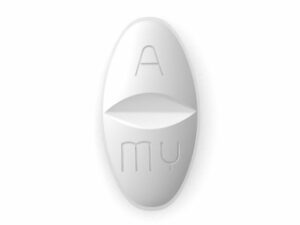
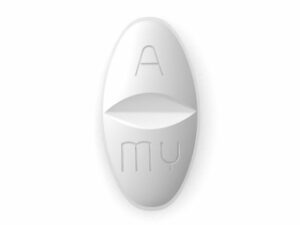
| Typical presentation | Tablets containing fixed doses of lisinopril and hydrochlorothiazide |
| How to take | Usually once daily, at the same time each day; follow your specific label directions |
What it’s used for (indications)
In the UK, lisinopril with hydrochlorothiazide is commonly used when blood pressure needs additional treatment beyond a single medicine or when combination therapy is considered beneficial. It may be used in people with:
- High blood pressure (hypertension) — to reduce the risk of stroke, heart attack, and other cardiovascular complications.
- Heart failure — in selected patients, as part of overall management (the exact approach depends on your condition and clinical judgement).
- Fluid retention and cardiovascular risk — where a diuretic effect may help, as advised.
Your clinician will decide whether this specific combination is suitable based on your blood pressure readings, kidney function, potassium and other blood tests, and your overall medical history.
How it works (mechanism of action)
The combination targets two key mechanisms that contribute to high blood pressure:
Lisinopril (ACE inhibitor)
- Lisinopril inhibits angiotensin-converting enzyme (ACE).
- This reduces the formation of angiotensin II, a substance that narrows blood vessels.
- It also increases bradykinin activity, which supports blood vessel relaxation.
- Result: lower blood pressure and reduced strain on the heart and blood vessels.
Hydrochlorothiazide (thiazide diuretic)
- Hydrochlorothiazide helps the kidneys remove sodium and water.
- Over time, it also contributes to lower vascular resistance.
- Result: reduced fluid volume and improved blood pressure control.
Together, the medicines often achieve better blood pressure control than either component alone at the same dose.
Pharmacokinetics (how the body handles the medicine)
Understanding pharmacokinetics can help you make sense of timing and monitoring. Individual responses vary.
Lisinopril
- Absorption: typically after oral dosing; some absorption may vary between people.
- Onset: blood pressure may start to improve within hours, with further effects over days.
- Distribution: distributes through the bloodstream to exert its effect on ACE.
- Elimination: largely excreted via the kidneys.
- Half-life: lisinopril has a relatively long duration that supports once-daily dosing in many patients.
Hydrochlorothiazide
- Absorption: absorbed from the gut after oral intake.
- Onset: diuretic effect often occurs within a few hours.
- Distribution: acts on the kidney’s salt transport mechanisms.
- Elimination: primarily removed by the kidneys.
- Half-life: sufficient to support once-daily treatment, though diuretic effects can be more noticeable earlier in the day.
If you have reduced kidney function, your clinician may adjust dose or monitor you more closely, because both components are influenced by renal excretion.
Typical timing and how to take it
Many people take lisinopril with hydrochlorothiazide once daily. Choose a time that fits your routine and consider how quickly you might need the bathroom.
When should you take it?
- Morning is often preferred for the diuretic effect of hydrochlorothiazide (to reduce night-time urination).
- Take it at the same time each day to keep blood pressure stable.
How to take
- Swallow tablets with water.
- Try to keep taking your medicine consistently, even if you feel well.
- If you forget a dose, follow the advice in your leaflet or from your healthcare professional—generally do not take a double dose.
How long until it works?
- Some blood pressure lowering can begin soon after starting.
- The full benefit may take several weeks.
- Regular blood pressure checks and blood tests help confirm the correct dose.
Food interactions
Food typically does not make a major difference to whether you can take lisinopril with hydrochlorothiazide. However, it may influence how consistently you take your medicine.
- Try to take it the same way each day (with or without food), if possible.
- If you experience stomach upset, taking it with a light meal may help for some people.
- Avoid very high salt intake while on treatment, as it can reduce blood pressure control.
For best results, follow advice on diet and lifestyle, including limiting salt and eating a balanced diet.
Alcohol interactions and cautions
Alcohol can increase the blood-pressure–lowering effect of the medicine, potentially leading to dizziness or light-headedness, especially when you first start treatment or when the dose changes.
Practical guidance
- If you drink alcohol, consider reducing your intake and monitor how you feel.
- Be cautious with sudden standing up (especially if you feel faint).
- If you notice dizziness, avoid driving and seek advice promptly.
Medicine interactions (important)
Interactions can affect blood pressure, kidney function, fluid balance, and potassium levels. Tell your healthcare professional about all medicines you take, including over-the-counter products and herbal remedies.
Common interaction themes
- Potassium levels: ACE inhibitors can increase potassium, while thiazides can decrease it. Combined effects vary, but both directions matter clinically.
- Kidney function: some medicines can stress the kidneys when taken with ACE inhibitors/diuretics.
- Blood pressure effects: certain medicines can amplify lowering or increase dizziness.
- Electrolyte imbalance: thiazides can affect sodium, potassium, and magnesium.
Examples of medicines that may interact
| Medicine / class | Why it matters |
|---|---|
| Non-steroidal anti-inflammatory drugs (NSAIDs) such as ibuprofen or naproxen | May reduce blood pressure effect and can affect kidney function, particularly in older adults or those with dehydration. |
| Potassium supplements or salt substitutes containing potassium | May raise potassium too much with ACE inhibitors; monitor levels as advised. |
| Other blood pressure medicines | May increase the overall blood-pressure–lowering effect; dose adjustments may be needed. |
| Diuretics (other “water tablets”) | May increase risk of dehydration or electrolyte imbalance. |
| Lithium | ACE inhibitors and diuretics can raise lithium levels; requires specialist monitoring. |
| Some diabetes medicines | May influence glucose control; monitoring may be required, especially if electrolytes change. |
| Oral anticoagulants or antiplatelets (varies by person) | Not always a direct interaction, but kidney function changes can affect overall safety; discuss your medicines. |
| Medicines that affect heart rhythm (antiarrhythmics) or electrolyte-sensitive drugs | Electrolyte changes (potassium/magnesium) can increase risk of rhythm problems. |
If you start any new medicine, confirm it is safe to take with lisinopril with hydrochlorothiazide. A pharmacist can help check for interactions.
Dosing (how much you may take)
Doses vary by the individual and by the strength of the tablets you have been given. Your healthcare professional will select a dose based on your blood pressure, response, and blood-test results (especially kidney function and electrolytes).
General dosing principles
- Start low and adjust: dosing may begin at a lower strength to reduce the chance of side effects.
- Once daily: commonly taken as a single daily dose.
- Regular monitoring: blood tests may be needed after starting and after dose changes.
- Kidney function matters: if kidney function is reduced, dosing and monitoring are especially important.
Missed dose
If you miss a dose, take it when you remember unless it is close to your next dose. Do not take a double dose to make up for a forgotten tablet. If you are unsure, ask a pharmacist or check the leaflet.
Safety profile and possible side effects
Most people tolerate lisinopril with hydrochlorothiazide well, especially with the appropriate dose and regular monitoring. However, like all medicines, it can cause side effects. Some are mild and go away as your body adjusts; others require urgent medical advice.
Seek urgent help if you develop
- Swelling of the face, lips, tongue, or throat (angioedema), or difficulty breathing. This can occur with ACE inhibitors.
- Severe dizziness or fainting (especially if you cannot stay upright).
- Chest pain, severe palpitations, or collapse.
- Signs of serious dehydration such as very little urine, extreme thirst, or weakness.
- Yellowing of the skin or eyes (jaundice) or severe persistent abdominal pain.
Common or expected side effects
- Dizziness, particularly when standing up quickly
- Headache
- Cough (can be linked to ACE inhibitors)
- Increased urination soon after taking the dose (more noticeable early on)
- Muscle cramps or weakness (may relate to electrolyte changes)
- Fatigue
- Changes in blood test results such as sodium, potassium, or kidney function values
Electrolyte and kidney monitoring
Because hydrochlorothiazide can affect electrolytes and lisinopril can affect potassium and kidney function, your clinician may check:
- Urea and creatinine (kidney function)
- Potassium and sodium
- Magnesium (sometimes)
Monitoring is typically more frequent after starting, after a dose increase, after any period of illness/dehydration, and where kidney function is reduced.
Who should take extra care?
- Older adults (higher sensitivity to blood pressure drops and dehydration)
- People with kidney disease
- People with diabetes or those at risk of electrolyte imbalance
- People with a history of ACE-inhibitor cough or angioedema
- Those who are dehydrated (e.g., from vomiting/diarrhoea) or who frequently have low blood pressure
- Those taking multiple medicines that can affect kidney function or potassium
Practical use tips for better control
1) Blood pressure self-checking
If you have a home blood pressure monitor, use it as advised by your clinician. Record readings to share during reviews. This can help guide dose adjustments and lifestyle support.
2) Keep hydrated, especially during illness
If you become unwell with vomiting or diarrhoea, you may be at risk of dehydration, which can worsen kidney function with ACE inhibitors/diuretics. Seek medical advice promptly in these circumstances.
3) Protect against dehydration and electrolyte loss
- Be cautious in hot weather and during heavy exercise.
- Do not start high-dose potassium supplements unless advised.
- Eat regular meals and maintain fluid intake as recommended for you.
4) Watch for cough
A persistent dry cough can occur with ACE inhibitors. If it affects you significantly, contact your healthcare professional for advice.
5) Stand up slowly
Dizziness is sometimes more noticeable at the start of treatment or after dose changes. Move slowly when getting up, especially in the morning.
Alternative options (if combination therapy isn’t suitable)
Blood pressure treatment can be tailored. Depending on your health profile and blood test results, a clinician may consider:
- ACE inhibitor alone (e.g., lisinopril without a diuretic) if diuretic effect isn’t needed.
- Other diuretics (sometimes thiazide-like diuretics) if hydrochlorothiazide isn’t well tolerated.
- ARB therapy (angiotensin receptor blockers) if an ACE inhibitor side effect such as cough occurs.
- Calcium channel blockers for certain patients and blood pressure patterns.
- Other combination regimens (for example, ACE inhibitor + another class) if a fixed-dose combination is unsuitable.
The best option depends on your kidney function, potassium levels, co-existing conditions, and how well you respond.
UK market and legal context (overview)
In the United Kingdom, medicines are regulated by the Medicines and Healthcare products Regulatory Agency (MHRA). Prescribing and supply are carried out under the UK medicines legislation and professional practice standards.
Online pharmacies typically require that products are supplied appropriately in line with UK rules, including suitability checks and patient safety measures. If you have questions about your specific supply, speak to the pharmacy team or review the product documentation provided with your order.
Recent UK guidance (high-level)
UK blood pressure management generally follows evidence-based approaches that emphasise:
- Confirming blood pressure readings (including home or ambulatory readings where appropriate).
- Lifestyle measures such as reducing salt intake, maintaining a healthy weight, regular physical activity, and limiting alcohol.
- Using first-line medicines in combination when needed to achieve target control, while monitoring safety parameters.
Treatment choice and targets can vary depending on age, ethnicity, cardiovascular risk, kidney function, diabetes status, and tolerability.
Delivery and availability in the UK
Lisinopril with hydrochlorothiazide tablets are generally widely available in the UK through pharmacy supply chains. Availability can vary by strength and brand formulation.
- Stock status: online pharmacies may show whether a particular strength is currently in stock.
- Delivery options: many UK online pharmacies offer standard and faster delivery services depending on location.
- Order timing: dispatch times vary by day and by pharmacy processing schedules.
- Packaging: medicines are normally delivered in protective packaging with labelling and patient information.
If you need a specific strength or have urgent timing, check the delivery estimate shown at checkout or contact the pharmacy support team.
Frequently asked questions (FAQ)
1) What should I do if I feel dizzy after taking it?
Dizziness can happen, especially when starting treatment or after a dose change. Sit or lie down until you feel better. Avoid driving or dangerous activities if you feel unsteady. If dizziness is persistent, severe, or you faint, contact a clinician promptly.
2) Can I take lisinopril with hydrochlorothiazide with food?
Usually, yes. Many people take it with water either with or without food. Aim to take it the same way each day. If it upsets your stomach, taking it with a light meal may help.
3) Why might I need blood tests?
These medicines can affect kidney function and electrolyte levels (such as potassium and sodium). Blood tests help ensure the dose is safe and effective.
4) Does it cause frequent urination?
Hydrochlorothiazide can make you urinate more, particularly soon after you take your dose. Taking it in the morning can reduce the impact on night-time sleep. If you feel dehydrated or are passing much less urine than usual, seek medical advice.
5) Is a dry cough normal?
A dry, persistent cough can occur with ACE inhibitors like lisinopril. If the cough is bothersome or doesn’t improve, contact your healthcare professional. Do not stop treatment suddenly without advice.
6) Can I use ibuprofen or other painkillers?
NSAIDs such as ibuprofen can potentially affect kidney function and reduce blood pressure effects. If you need pain relief, ask a pharmacist which options are safest for you. Paracetamol (acetaminophen) is often used, but always follow label directions and professional advice.
7) What if I miss a dose?
Take it when you remember unless it is close to your next dose. Do not take a double dose. If unsure, check your leaflet or ask a pharmacist for guidance.
8) Are there foods I should avoid?
Keep salt intake moderate. Avoid excessive salt substitutes unless discussed with your clinician, especially because potassium-related products may be unsuitable with ACE inhibitors. Maintain a balanced diet and follow any dietary advice you have been given.
9) Can I drink alcohol while on this medicine?
Alcohol can increase the risk of dizziness or low blood pressure. If you choose to drink, consider taking small amounts and monitor how you feel—especially early in treatment.
10) Who should not take this combination?
Suitability depends on your medical history, kidney function, potassium levels, and other factors. Extra caution is needed if you have a history of angioedema, significant kidney disease, or certain conditions affecting electrolytes. Your healthcare professional can confirm suitability for you.
Key takeaways
- Lisinopril with hydrochlorothiazide helps lower blood pressure by relaxing arteries and reducing fluid/salt retention.
- It is often taken once daily, commonly in the morning to reduce night-time urination.
- Regular blood tests may be needed to monitor kidney function and electrolytes.
- Be careful with dizziness, dehydration, and interacting medicines (especially NSAIDs and potassium-related products).
- If you develop swelling of the face or trouble breathing, seek urgent medical help immediately.
If you would like, share your prescribed strength (e.g., the milligrams of lisinopril and hydrochlorothiazide) and I can help you draft a more tailored “how to take” section for your exact product strength and typical scheduling.