
Zebeta (Bisoprolol) — Patient Information (UK)
Zebeta contains bisoprolol, a medicine from the group known as beta-blockers. It is commonly used for long-term control of certain heart and circulation conditions. This page explains how Zebeta works, how it is typically taken, key safety information, and what to discuss with a healthcare professional.
| At a glance | |
|---|---|
| Medicine name | Zebeta (bisoprolol) |
| Medicine type | Beta-1 selective beta-blocker |
| Common uses | High blood pressure, certain heart rhythm problems, heart failure (where appropriate) |
| Typical dosing form | Tablets (strengths vary by product/market availability) |
| How it’s usually taken | Once daily is common; follow your instructions |
| Important safety note | Do not stop suddenly—this may worsen symptoms |
Basic product information
Zebeta is a brand of bisoprolol. Bisoprolol acts mainly on beta-1 receptors in the heart. This can slow the heart rate and reduce the workload of the heart, helping to control blood pressure and certain cardiac conditions.
Availability and brand details may vary. In the UK, bisoprolol is widely prescribed and may be supplied under different brand names and generic forms, depending on supply and the product you choose.
How Zebeta works (mechanism of action)
Bisoprolol belongs to the beta-blocker family. By blocking beta-adrenergic receptors—predominantly beta-1 receptors in the heart—Zebeta:
- Reduces heart rate, helping to decrease the heart’s demand for oxygen.
- Lowers force of contraction (to a degree), improving the heart’s efficiency in certain conditions.
- Helps stabilise heart rhythm in some rhythm disturbances.
- Helps reduce blood pressure over time through effects on the heart and circulation.
In chronic heart failure, beta-blockers like bisoprolol are used as part of a long-term treatment plan to improve outcomes and symptoms. The dose is usually built up gradually.
Pharmacokinetics: how the body handles bisoprolol
“Pharmacokinetics” describes how the body absorbs, distributes, metabolises, and eliminates a medicine. For bisoprolol:
- Absorption: Bisoprolol is typically well absorbed after oral dosing. The medicine’s onset of action depends on the formulation and individual factors.
- Distribution: It distributes throughout the body; it is primarily directed by its action on the cardiovascular system.
- Metabolism: Bisoprolol is metabolised in part by the liver and also eliminated through the kidneys.
- Elimination: It is cleared from the body over time; the duration of effect supports once-daily dosing for many people.
Practical implication: Because bisoprolol effects build with regular use, it can take some time to feel the full benefit, especially for blood pressure control and heart failure management.
What Zebeta is used for (indications)
Zebeta/bisoprolol may be used for several heart-related conditions. Common indications include:
- High blood pressure (hypertension) — to help lower blood pressure and reduce cardiovascular risk.
- Stable angina — for symptom control in some people.
- Some heart rhythm conditions — such as rate control in certain arrhythmias (as advised by a clinician).
- Chronic heart failure — in selected patients, usually alongside other heart-failure medicines.
Your exact indication and dose depend on your diagnosis, other treatments, and your response to therapy.
When to take Zebeta (timing and daily routine)
For many patients, bisoprolol tablets are taken once daily. The best time is often in the morning, but choose a time you can keep consistently. If your schedule makes morning difficult, a different time may be suitable—aim for regularity.
Typical timing advice
- Once daily dosing: Take at the same time each day.
- If you miss a dose: Do not take a double dose. Take the next dose at the usual time, unless instructed otherwise by a healthcare professional.
- If dose adjustment is needed: This is often done gradually, particularly in heart failure.
Do not stop suddenly: Abrupt withdrawal of beta-blockers can lead to worsening of symptoms such as fast heart rate, chest pain, or other complications. If stopping is necessary, it should usually be done gradually under medical guidance.
Food interactions (with meals)
Bisoprolol can generally be taken with or without food. Food is not usually a major issue for most people taking standard oral tablets.
Best practical approach: Take it the same way each day—either always with food or always without—unless your clinician or pharmacist advises otherwise.
Alcohol and medicine interactions
It’s important to consider both alcohol and other medicines when taking Zebeta.
Alcohol
- Alcohol may increase the chance of lightheadedness or low blood pressure, particularly when starting or increasing the dose.
- Because bisoprolol slows the heart rate and affects blood pressure, heavy or frequent alcohol use may worsen side effects for some people.
Practical tip: If you are unsure how alcohol affects you, start cautiously and monitor symptoms such as dizziness, faintness, or unusual fatigue.
Common medicine interactions
Certain medicines can interact with bisoprolol by affecting heart rate, blood pressure, or heart rhythm. Examples include:
- Other heart medicines that slow heart rate (e.g., some antiarrhythmics or certain calcium-channel blockers).
- Medicines for irregular heartbeat (antiarrhythmics may increase risk of rhythm disturbances in combination).
- Clonidine (special caution if being stopped or changed—changes should be coordinated).
- Blood pressure medicines (may have additive effects, increasing the risk of low blood pressure).
- Diabetes medicines (beta-blockers can sometimes mask low blood sugar warning signs such as a fast heartbeat).
- Some asthma/COPD medicines (bisoprolol is beta-1 selective, but caution is still advised, especially with higher doses).
This is not an exhaustive list. Always check interactions with a pharmacist or prescriber, especially when starting new medicines, including over-the-counter products and herbal supplements.
Dosing: how Zebeta is typically taken
Dose depends on the condition being treated, individual response, kidney/liver function, and other medicines. Below is general guidance to help you understand how dosing works in practice.
General principles
- Start low, increase gradually: Particularly for heart failure, bisoprolol is commonly increased in steps.
- Regular monitoring: Clinicians may monitor blood pressure, heart rate, symptoms, and sometimes blood tests.
- Individualisation: Some people need lower doses due to sensitivity or co-existing conditions.
Typical dosing ranges (general information)
In clinical practice, bisoprolol is available in different tablet strengths. The exact dose you take may be different from another person, even if you have the same diagnosis.
| Condition | How dosing is generally approached |
|---|---|
| Hypertension | Often once daily; dose adjusted based on blood pressure response and tolerance. |
| Angina | Once daily dosing commonly used; aimed at symptom control and heart rate targets. |
| Heart rhythm rate control | Once daily dosing or adjusted regimens depending on rhythm type and clinical response. |
| Chronic heart failure | Very commonly starts at a low dose with gradual increases while monitoring blood pressure, heart rate, and symptoms. |
Important: Do not adjust your dose unless advised. If side effects occur (e.g., dizziness, unusually slow heart rate, or worsening breathlessness), contact a healthcare professional to discuss whether the dose should be reviewed.
Safety profile: side effects and when to seek help
Most people tolerate bisoprolol well, but all medicines can cause side effects. Some may be more noticeable at the start of treatment or after dose increases.
Common side effects
- Slow heart rate (bradycardia)
- Dizziness or lightheadedness
- Tiredness or reduced exercise tolerance
- Cold hands and feet
- Nausea or stomach discomfort
- Sleep disturbances (in some people)
Serious side effects: seek urgent medical advice
Contact emergency services or seek urgent medical help if you experience:
- Fainting or severe dizziness
- Severe breathing difficulty, wheezing, or sudden worsening asthma/COPD symptoms
- Chest pain that is new, severe, or worsening
- Signs of very slow heart rate such as extreme weakness, confusion, or collapse
- Allergic reaction symptoms (swelling of face/lips, rash with breathing difficulty)
Special safety considerations
- Diabetes: Beta-blockers may reduce warning signs of low blood sugar (particularly the fast heartbeat sensation).
- Peripheral circulation problems: Cold extremities may worsen.
- Asthma/COPD: While bisoprolol is relatively beta-1 selective, it can still affect breathing in sensitive individuals. Monitoring is important.
- Heart conduction problems: People with certain rhythm/conduction issues may be at higher risk of slow heart rate.
Stopping Zebeta: As with other beta-blockers, stopping abruptly can lead to worsening heart-related symptoms. If you need to stop, it should usually be reduced gradually with clinical oversight.
Practical use tips
- Build a routine: Choose a fixed daily time and pair it with a habit (e.g., breakfast) to reduce missed doses.
- Know your pulse: If you have been advised to monitor heart rate, keep a log of your readings and symptoms.
- Track blood pressure (if recommended): Use a validated home monitor and record results.
- Watch for dizziness: Stand up slowly, especially after taking your dose.
- Inform clinicians: Tell any healthcare professional you see (including dentists and emergency departments) that you take bisoprolol.
- Plan around illness: If you become unwell (e.g., vomiting/diarrhoea, dehydration, severe infection), contact your healthcare professional for advice—dose adjustments may be needed in some circumstances.
- Don’t combine “as needed” heart-rate-lowering products: Avoid adding new medicines that affect heart rate without professional advice.
Alternative options to Zebeta (bisoprolol)
If bisoprolol is not suitable due to side effects, interactions, or availability, clinicians may consider other treatments. Alternatives may include:
Other beta-blockers
- Atenolol
- Metoprolol
- Carvedilol (often used in heart failure settings)
Non–beta-blocker options (condition dependent)
- For blood pressure: ACE inhibitors, ARBs, calcium-channel blockers, and diuretics (depending on your profile).
- For angina or rhythm issues: Other anti-anginal medicines or specific rhythm control strategies may be used.
- For heart failure: Other guideline-directed therapies (e.g., depending on your stage and co-existing conditions).
Important: Switching should only occur under clinical guidance, because dosing schedules and monitoring differ between medicines.
UK market and legal context (pharmacy availability)
In the UK, bisoprolol is widely available through pharmacies. As with many cardiovascular medicines, supply and access can be governed by UK medicines regulations and local prescribing pathways. Pharmacy services may also include advice, counselling, and ensuring the medicine is appropriate for the individual.
Brand availability (such as Zebeta) can vary depending on manufacturer supply, logistics, and whether the product is being actively marketed. In many cases, generic bisoprolol products may be considered therapeutically equivalent.
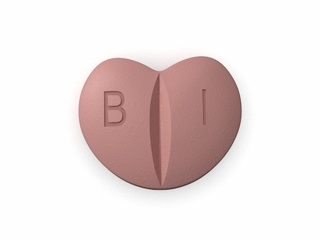
Always check: The strength and tablet form you receive match what you intended to order, and verify the appearance against the product you have previously taken.
Recent guidance and monitoring considerations in the UK
Healthcare guidance in the UK for beta-blockers and cardiovascular conditions is typically aligned with major clinical recommendations and evolving evidence. In practice, key themes remain consistent:
- Gradual initiation for conditions like heart failure, with careful monitoring.
- Reviewing heart rate and blood pressure after starting or increasing doses.
- Individual risk assessment for people with asthma/COPD, diabetes, conduction disorders, or peripheral circulation disease.
- Avoiding abrupt stopping of beta-blockers.
If you are newly starting Zebeta or have recently had your dose changed, consider discussing a follow-up plan (e.g., timing of blood pressure/heart rate checks and what symptoms to report).
Delivery and availability (UK online pharmacy)
When ordering online in the UK, delivery times depend on the pharmacy’s dispatch schedule and your location. Many online pharmacies provide clear delivery estimates at checkout, including options such as standard or expedited delivery.
- Confirm your details: Use the correct address and ensure someone is available to receive the parcel if required.
- Check packaging on arrival: Ensure the tablets are in a sealed package and the strength matches your order.
- Storage: Store tablets according to the label (usually at room temperature, away from moisture and direct sunlight). Keep out of reach of children.
Availability may vary. If Zebeta is temporarily unavailable, the pharmacy may offer an equivalent alternative (such as another bisoprolol brand or generic), subject to your selected options and local regulations.
Frequently Asked Questions (FAQ)
1) Is Zebeta the same as bisoprolol?
Zebeta is a brand name that contains bisoprolol. Generic bisoprolol products may be available and may contain the same active ingredient.
2) How long does Zebeta take to work?
Some effects, such as lowering heart rate, may be noticed soon after starting. Blood pressure and longer-term benefits (especially in heart failure) usually take weeks, and dose titration may be gradual.
3) Can I take Zebeta with food?
Yes. Zebeta can generally be taken with or without food. Consistency is helpful—take it the same way each day unless advised otherwise.
4) What should I do if I miss a dose?
Take it as soon as you remember unless it is close to the time of your next dose. Do not take a double dose. If unsure, ask a pharmacist for advice.
5) Can I drink alcohol while taking bisoprolol?
Moderate alcohol may be tolerated by many people, but alcohol can increase dizziness or low blood pressure. Avoid heavy drinking and seek advice if you notice symptoms like faintness or unusual tiredness.
6) What medicines should I avoid combining with Zebeta?
Some medicines can increase the risk of low heart rate, low blood pressure, or rhythm problems. Examples include certain antiarrhythmics, some calcium-channel blockers, and some blood pressure or diabetes medicines. Always check interactions with a pharmacist or clinician.
7) Does Zebeta affect asthma or breathing?
Bisoprolol is relatively beta-1 selective, but it may still affect breathing in some people. If you have asthma or COPD, discuss this with your healthcare professional and monitor for wheezing or breathlessness.
8) Can I stop Zebeta suddenly?
Do not stop suddenly unless a healthcare professional advises it. Stopping abruptly can worsen heart symptoms. If you need to stop, it should usually be reduced gradually.
9) Are there any driving or machine safety concerns?
If you feel dizzy, unusually tired, or lightheaded—especially when starting or increasing the dose—avoid driving or operating machinery until you know how Zebeta affects you.
10) What should I tell my pharmacist or clinician?
Tell them about:
- Any history of asthma/COPD, diabetes, fainting, or rhythm problems
- All medicines you take (including over-the-counter products and herbal remedies)
- Any allergies
- Any recent symptoms such as dizziness, chest pain, shortness of breath, or very slow pulse
This information is provided for general guidance and does not replace advice from a healthcare professional. If you have symptoms that worry you, or you experience severe side effects, seek medical help promptly.