Altace (Ramipril) – Patient Information (UK)
Altace contains ramipril, a medicine from the group known as ACE inhibitors (angiotensin-converting enzyme inhibitors). It is used to treat certain heart and circulation conditions and, in some cases, to reduce the risk of major cardiovascular events.
This guide is designed to be patient-friendly and helpful for people in the United Kingdom. It explains how Altace works, how it is usually taken, key safety information, and practical advice. Always follow the instructions given by your healthcare professional and the information leaflet supplied with your medicine.
Basic product information
| Item | Details |
|---|---|
| Medicine name | Altace |
| Active ingredient | Ramipril |
| Medicine type | ACE inhibitor |
| Common strengths (may vary by product) | Typically available in different tablet strengths |
| Who it is for | Adults with selected cardiovascular and kidney-related conditions |
| How it’s taken | Usually by mouth, once or twice daily depending on the regimen |
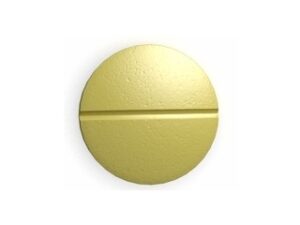
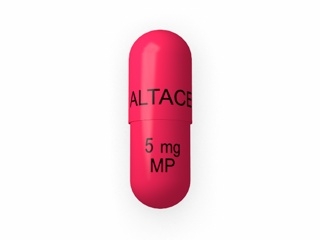
Note: Product appearance and strengths can differ. Check the package or leaflet for the exact strength you have.
How Altace works (mechanism of action)
Ramipril helps relax blood vessels and reduces strain on the heart. It does this by blocking the ACE enzyme (angiotensin-converting enzyme).
- Less angiotensin II: ACE inhibition reduces angiotensin II, a substance that tightens blood vessels and increases blood pressure.
- Improved blood flow: Blood vessels become more relaxed, lowering blood pressure and improving circulation.
- Lower workload on the heart: With reduced vascular resistance, the heart often has to work less hard.
- Kidney effects: In certain people, ramipril can reduce progression of kidney disease by altering harmful pressure within kidney filters (especially in diabetes or proteinuric kidney disease).
Altace may also help reduce cardiovascular risk in people who have had certain events (such as a heart attack or stroke) or who have established vascular disease.
Pharmacokinetics (how the body handles Altace)
Pharmacokinetics describes what happens to a medicine after you take it.
- Absorption: Ramipril is absorbed after oral administration. Peak levels of ramipril and its active metabolite typically occur within several hours.
- Metabolism: Ramipril is converted in the body (mainly in the liver) to its active metabolite (ramiprilat).
- Distribution: The medicine distributes throughout the body, including the cardiovascular system.
- Elimination: The active metabolite and related breakdown products are eliminated primarily via the kidneys.
- Half-life: The drug has a duration of action that supports once-daily dosing for many people, though individual regimens vary.
Kidney and liver function matter: Because elimination involves the kidneys, dose adjustments may be needed in people with reduced kidney function. Your prescriber will consider these factors when choosing a starting dose.
Typical uses in the UK
Altace (ramipril) is used for:
- High blood pressure (hypertension): Helps lower blood pressure to reduce stroke, heart attack, and kidney damage risk.
- Heart failure (symptomatic): Often in combination with other medicines to improve symptoms and reduce the risk of worsening heart failure.
- After a heart attack: In certain stable patients to reduce cardiovascular risk.
- Prevention of cardiovascular events: In people at increased risk, to help reduce the likelihood of heart attack, stroke, or other major vascular events.
- Diabetic kidney disease and/or protein in the urine: To slow progression in selected patients, particularly those with diabetes and albumin/proteinuria (as clinically indicated).
Which indication applies to you depends on your individual medical history, test results, and overall risk profile.
When to take Altace (timing and routine)
Most people take Altace once daily, but some regimens involve twice-daily dosing or dose adjustments. Follow your prescribed schedule.
- Consistency helps: Try to take the tablet at the same time each day.
- Morning or evening?: Many patients take it in the morning. If it causes dizziness or tiredness, ask your pharmacist or prescriber whether evening dosing may be better.
- With water: Swallow with a glass of water.
- Do not double up: If you miss a dose, take it when you remember unless it’s close to the next dose. Do not take a double dose to catch up.
Food interactions
Ramipril tablets can generally be taken with or without food.
- With meals: Taking Altace with food may affect the speed of absorption for some people but does not usually eliminate the overall effect.
- Practical approach: Choose a routine you can maintain, such as always taking it after breakfast or before bedtime.
If you notice significant stomach upset or changes in how you feel after meals, speak with your healthcare professional for advice.
Alcohol and medicine interactions
Alcohol can increase the likelihood of side effects such as dizziness and light-headedness, especially when starting treatment or when the dose is increased.
- Alcohol + blood pressure lowering: As Altace reduces blood pressure, alcohol may make drops in blood pressure more noticeable.
- Hydration: Alcohol can contribute to dehydration, which may affect kidney function in susceptible people.
- General guidance: If you drink alcohol, keep it moderate and monitor how you feel after taking Altace.
Seek urgent help if you experience fainting, severe dizziness, or symptoms of angioedema (see safety section).
Important medicine interactions (common and high-risk)
Interactions can affect your medicine levels, kidney function, potassium levels, or blood pressure. Before starting Altace, tell your pharmacist or prescriber about all medicines you use, including over-the-counter products and supplements.
1) Medicines that affect potassium
Altace can increase potassium levels. Be cautious with medicines or supplements that also raise potassium.
- Potassium supplements
- Salt substitutes (often contain potassium)
- Potassium-sparing diuretics (e.g., spironolactone, amiloride, triamterene)
- Trimethoprim (an antibiotic that can raise potassium in some people)
2) “Water tablets” (diuretics) and blood pressure medicines
- Diuretics may increase the risk of low blood pressure, especially at treatment start.
- Other antihypertensives: The combined blood-pressure-lowering effect may require careful monitoring.
3) Painkillers (NSAIDs)
Non-steroidal anti-inflammatory drugs (NSAIDs) can affect kidney function and reduce the blood pressure–lowering effect in some cases.
- Examples include ibuprofen and naproxen.
- Long-term or high-dose use, dehydration, older age, and existing kidney problems increase risk.
4) Lithium
- Altace may increase lithium levels, raising risk of lithium toxicity. Close monitoring is needed if this combination is used.
5) RAAS blockade with other agents
Combining ACE inhibitors with other RAAS medicines can increase the risk of low blood pressure, kidney problems, and high potassium.
- This may include combining with ARBs (like losartan) or aliskiren (depending on indication and guidance).
Your healthcare team will decide what combinations are appropriate for your condition.
Dosing – typical starting and adjustment
Dosing varies depending on why you are taking Altace, your kidney function, and how you respond to the medicine. A clinician will titrate (adjust) the dose to reach an effective and safe level.
General principles (not a substitute for individual instructions):
- Start low: Especially in older adults, people with kidney impairment, or those prone to low blood pressure.
- Increase gradually: Doses may be adjusted at intervals to balance benefits with side effects.
- Regular blood tests: Urea/creatinine (kidney function) and electrolytes (especially potassium) are often checked.
Typical patterns include:
- Hypertension: Usually started with a low dose and titrated based on blood pressure readings.
- Heart failure: Often started very carefully due to low blood pressure risk and may involve combination therapy.
- Post–heart attack and high cardiovascular risk: Dosing may follow stepwise escalation if you are stable.
- Diabetic kidney disease / proteinuria: Dose selection depends on kidney function and overall risk.
If you are unsure about your dose, check the label and confirm with your pharmacist or prescriber.
How quickly does Altace work?
- Blood pressure: You may notice effects within days, but full benefit can take several weeks as the body adjusts and the dose is refined.
- Long-term cardiovascular risk reduction: Benefits accumulate over months and years.
It’s important not to stop suddenly without medical advice, even if you feel well.
Safety profile – side effects and when to seek help
Most people tolerate Altace well, but like all medicines it can cause side effects. Many early effects relate to blood pressure changes or kidney/electrolyte balance.
Common side effects
- Dizziness, especially when standing up
- Dry cough (persistent, non-productive cough can occur with ACE inhibitors)
- Headache
- Fatigue or weakness
- Nausea or stomach discomfort
Less common but important
- Higher potassium (hyperkalaemia), which may be detected by blood tests
- Kidney function changes (rise in creatinine/urea), usually monitored through blood tests
- Low blood pressure (hypotension), especially after missed meals, dehydration, or at start of treatment
Seek urgent medical help if
- Swelling of the face, lips, tongue, or throat or difficulty breathing (possible angioedema)
- Fainting or severe dizziness
- Signs of severe allergic reaction
Monitoring: why blood tests are often needed
Altace can affect kidney function and potassium levels. Monitoring helps keep treatment safe, particularly after starting or increasing dose, and for people with kidney disease, diabetes, or older age.
Your clinician may check:
- Kidney function (creatinine/eGFR, urea)
- Potassium and other electrolytes
- Blood pressure and symptoms of low blood pressure
Practical use tips (to get the best from Altace)
- Stand up slowly: If you feel light-headed, rise slowly from lying or sitting positions.
- Stay hydrated: Dehydration increases risk of kidney problems and low blood pressure. Follow your healthcare professional’s fluid advice.
- Keep your appointments: Blood tests and reviews are part of safe use.
- Manage cough: A dry cough can be bothersome. Don’t stop the medicine on your own—contact your pharmacist or prescriber to discuss options.
- Avoid “double RAAS” mixes unless advised: Be careful with medicines that may overlap blood-pressure-kidney-chemistry effects.
- Know your “sick day” approach: During vomiting/diarrhoea, fever, or dehydration, some people may need temporary review of medicines that affect kidneys and blood pressure. Ask your clinician for a personalised plan.
If you miss a dose: Take it when you remember, unless it’s close to the next scheduled dose.
Alternative options (what you may be offered instead)
Depending on your condition, tolerance, and test results, your healthcare professional may consider alternative medicines.
- ARBs (Angiotensin Receptor Blockers): Often used if ACE inhibitors cause intolerable side effects like persistent cough or angioedema risk (depending on your situation).
- Other antihypertensives: e.g., calcium channel blockers or thiazide-like diuretics, depending on your blood pressure profile.
- Diuretics: Helpful especially in heart failure and some hypertension cases.
- Beta-blockers: Frequently used in heart failure or after certain cardiac events.
Choice of alternative depends on the exact diagnosis and your personal risk factors. Always discuss changes with a healthcare professional.
Market and legal context in the UK
In the United Kingdom, medicines are supplied according to UK medicines legislation and pharmacy regulations. ACE inhibitors are widely used and are typically supplied through standard UK prescribing and dispensing pathways.
Altace (ramipril) is an established treatment with a long track record in cardiovascular medicine. In the UK, patients benefit from:
- NHS and specialist guidance on blood pressure and cardiovascular risk management.
- Pharmacovigilance systems that help identify and manage safety information.
- Formulary updates reflecting evolving clinical evidence.
Availability in community and online pharmacy settings can vary by strength, pack size, and stock levels.
Recent guidance and updates (general themes)
While specific dosing decisions should always be guided by your clinician and the most current local recommendations, recent UK and international clinical practice commonly emphasises:
- Careful monitoring of kidney function and potassium, especially after starting or increasing ACE inhibitors.
- Risk-based titration: starting at low doses in people at higher risk of side effects (older adults, CKD, dehydration risk).
- Management of cough: recognising ACE inhibitor dry cough and considering alternatives when needed.
- Medicines reconciliation: checking for NSAIDs, potassium supplements, and other interacting drugs.
If you would like, you can ask your pharmacist how these themes apply to your specific situation.
Delivery and availability (UK)
Availability of Altace may vary by:
- tablet strength and pack size
- current pharmacy stock
- manufacturer supply timelines
When you order online, delivery options typically depend on the pharmacy’s service area and courier availability. Delivery times can vary, especially during busy periods.
Tips for a smooth delivery:
- Ensure your contact details and delivery address are accurate.
- Allow time for processing and dispatch.
- If you’re running low on tablets, order early where possible.
FAQ (Frequently asked questions)
1) What is Altace used for?
Altace (ramipril) is used for high blood pressure and for selected heart and circulation conditions such as heart failure, following certain heart attacks, and to reduce cardiovascular risk in people at increased risk. It may also be used for kidney protection in specific patient groups.
2) How do I take Altace?
Swallow the tablet with water, usually once daily (or as directed). Try to take it at the same time each day. If you miss a dose, take it when you remember unless it is close to the next dose—do not double up.
3) Can I take Altace with food?
Yes. Altace can generally be taken with or without food. Choose a routine you can maintain.
4) Why do I need blood tests?
Altace can affect kidney function and potassium levels. Blood tests help ensure your treatment remains safe, particularly after starting or dose changes.
5) Will Altace cause a cough?
A dry, persistent cough can occur with ACE inhibitors. If it becomes troublesome, contact your pharmacist or prescriber. Do not stop the medicine without advice.
6) Is Altace safe with ibuprofen or other painkillers?
NSAIDs such as ibuprofen can affect kidney function and may reduce the effectiveness of blood pressure medicines in some cases. Occasional use may be appropriate for some people, but regular or high-dose NSAID use can increase risk. Discuss your pain relief options with a pharmacist.
7) Can I drink alcohol while taking Altace?
Alcohol can increase dizziness and may worsen blood pressure drops. If you drink, keep it moderate and monitor how you feel. Avoid driving if you feel light-headed.
8) What should I do if I feel dizzy when starting Altace?
Get up slowly, and if dizziness is significant or persistent, contact your healthcare professional. Sometimes dose timing or adjustment is needed, and dehydration should be avoided.
9) What symptoms mean I should seek urgent help?
Seek urgent help if you develop swelling of the face/lips/tongue/throat, difficulty breathing, fainting, or symptoms of a serious allergic reaction.
10) What are my alternatives if Altace isn’t suitable?
Your prescriber may consider ARBs or other blood pressure/heart failure medicines depending on your diagnosis and side effects. Your choice depends on your risk factors and test results.
Important: This information is a general guide for patients in the UK. Your personal treatment plan may differ based on your medical history, other medications, and test results. If you have questions about how to take Altace safely, speak to a pharmacist or healthcare professional.