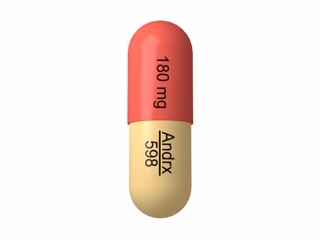
Cartia XT (Diltiazem Hydrochloride) – 24‑Hour Modified‑Release Capsules
Cartia XT is a medicine used to treat certain heart conditions by helping to relax blood vessels and reduce the workload on the heart. It contains diltiazem hydrochloride, formulated as a modified‑release product designed to release medicine slowly over about 24 hours.
This guide is written for patients in the United Kingdom and aims to explain how Cartia XT works, how it is commonly used, what to watch for, and how to fit it safely into everyday life.
| Product name | Active ingredient | Formulation | How long it lasts |
|---|---|---|---|
| Cartia XT | Diltiazem hydrochloride | Modified‑release capsule | About 24 hours per dose |
Basic product information
- Generic name: Diltiazem hydrochloride
- Class: Non‑dihydropyridine calcium‑channel blocker
- Typical dosing frequency: Once daily (modified‑release)
- Common capsule strengths: Available in multiple strengths (your pack will show the exact dose)
- Where it acts: Mainly heart and blood vessels
How Cartia XT works (mechanism of action)
Diltiazem belongs to the calcium‑channel blocker family. It works by blocking “slow” calcium channels in the muscle cells of the heart and blood vessels.
- Blood vessels relax: This can help lower blood pressure and improve blood flow.
- Heart rate slows: Diltiazem can reduce the speed of electrical signals through the heart’s conduction system.
- Heart muscle needs less oxygen: By reducing workload, it may help prevent angina symptoms.
The combination of effects is why Cartia XT is used for both heart rhythm control in certain patients and for prevention of angina.
Pharmacokinetics: how your body handles it
Because Cartia XT is modified‑release, the capsule is designed to release diltiazem gradually. This helps maintain steady drug levels over the day.
- Absorption: Diltiazem is absorbed after oral dosing. The modified‑release technology slows the release and helps provide a smoother concentration profile.
- Onset and steady levels: Many people feel benefits within hours, but full effects on blood pressure or heart rate may take longer and are assessed over days.
- Metabolism: Diltiazem is mainly metabolised in the liver.
- Half‑life: Diltiazem has a biologic half‑life that varies between individuals, supporting once‑daily modified‑release dosing.
- Elimination: Metabolites are eliminated primarily via the kidneys and bile.
People with liver impairment or kidney impairment may require closer monitoring and dose adjustment by a clinician.
Typical uses in the UK
Cartia XT may be used to treat or help prevent cardiovascular conditions such as:
- Angina pectoris (prevention of chest pain) in some patients
- High blood pressure (hypertension) in selected patients
- Some heart rhythm disorders where slowing the heart rate and controlling conduction is helpful (as directed by a clinician)
Your exact indication depends on your symptoms, heart function, ECG findings, and other medicines you take. Only use Cartia XT for the condition and dosing schedule given for you.
When to take Cartia XT (timing and missed doses)
Cartia XT is designed for once‑daily use. Taking it at the same time each day helps keep drug levels consistent.
Typical timing
- Once daily, ideally at the same time each day.
- You can take it with or without food (see food section for more).
- Swallow the capsule whole with water. Do not crush or chew modified‑release capsules.
If you miss a dose
- Take the missed dose as soon as you remember if it is not close to your next dose.
- If it is almost time for the next dose, skip the missed dose.
- Do not double the dose to make up for the missed one.
If you are unsure, check your pack instructions or speak to a pharmacist for advice tailored to your schedule.
Food interactions and dietary considerations
Many patients can take Cartia XT with or without food. However, certain dietary factors may influence absorption and/or how you respond to blood pressure lowering.
Grapefruit and fruit juices
Some calcium‑channel blockers interact with grapefruit or grapefruit juice. While effects can vary by product, it is generally sensible to avoid or limit grapefruit and fruit juices if you notice changes in how you feel, or if your clinician/pharmacist advises you to.
Alcohol‑containing drinks
Alcohol can increase the risk of dizziness or light‑headedness. See the alcohol section below for practical advice.
Alcohol and medicine interactions
Cartia XT can lower blood pressure and affect heart rate, and certain interactions may intensify these effects. Alcohol may further contribute to dizziness.
Alcohol
- Be cautious if you drink alcohol, especially when starting Cartia XT or after dose changes.
- Avoid driving or operating machinery if you feel dizzy, drowsy, or unusually light‑headed.
- If alcohol triggers palpitations, chest discomfort, or symptoms of low blood pressure, discuss this with a clinician.
Common medicine interaction themes
Diltiazem can affect the heart’s electrical conduction and the metabolism of other medicines. Tell your pharmacist or clinician about all medicines you use, including over‑the‑counter items and herbal products.
- Other blood pressure medicines (may increase risk of low blood pressure)
- Other heart‑rate‑lowering medicines (e.g., some beta‑blockers or other antiarrhythmics) may increase the risk of very slow heart rate or conduction problems
- Medicines that affect liver enzymes can change diltiazem levels (both increases and decreases are possible)
- Statins: some cholesterol‑lowering medicines may interact; your clinician may monitor for muscle symptoms
- Anti‑inflammatory painkillers (NSAIDs): these may affect kidney function and blood pressure in some patients
Important: do not start or stop medicines suddenly
If you need to change any medicines, do so with advice. Some combinations require monitoring or dose adjustment.
Indications and what symptoms it can help
While the exact indication is individual, Cartia XT is generally prescribed for conditions where controlling blood vessel tone and/or slowing heart rate and conduction is beneficial.
Angina (chest pain prevention)
- May help reduce the frequency of angina attacks
- May help with exertional chest discomfort by improving oxygen delivery and lowering cardiac workload
High blood pressure
- Helps reduce blood pressure over time
- May reduce strain on the heart and blood vessels
Heart rhythm issues (selected patients)
- May help control heart rate and improve symptoms such as palpitations
- Usually chosen based on ECG findings and overall heart function
If you experience sudden severe chest pain, fainting, breathlessness at rest, or symptoms that feel life‑threatening, seek emergency medical help immediately.
Dosing: what is typical and what varies
Dosing depends on the condition being treated, your age, kidney and liver function, and other medicines. The information below gives general guidance about how dosing is approached, but you should follow the dose written on your pack.
General principles
- Once daily for the modified‑release form.
- Start low and adjust gradually if needed, especially in older adults or those sensitive to blood pressure changes.
- Doses may be increased or decreased based on symptom control and heart rate/blood pressure readings.
Swallowing and administration
- Swallow capsules whole with water.
- Do not crush, open, or chew capsules, as this can affect modified‑release performance.
- If you find swallowing difficult, speak to a pharmacist—alternatives may exist depending on your needs.
Monitoring while using Cartia XT
- Blood pressure and heart rate
- Symptoms of dizziness, fatigue, swelling, or worsening breathlessness
- ECG (if indicated) for rhythm and conduction assessment
- Follow‑up after dose changes
Safety profile: side effects and what to watch for
Like all medicines, Cartia XT can cause side effects. Many are mild and improve over time. Some effects require prompt medical attention.
Common or mild side effects
- Headache
- Dizziness or light‑headedness (especially when standing up)
- Flushing
- Swelling of ankles or feet (fluid retention)
- Fatigue
- Nausea or mild stomach upset
- Constipation or other mild gastrointestinal changes
Less common but important side effects
- Slow heart rate (bradycardia)
- Palpitations or changes in rhythm
- Shortness of breath or worsening breathing symptoms
- Marked tiredness or weakness
Seek urgent medical help if you have
- Fainting or near‑fainting
- Severe dizziness that does not settle
- Chest pain that is new, severe, or persistent
- Signs of an allergic reaction such as swelling of the face/lips, rash with breathing difficulty, or sudden wheezing
Who should take extra care
Cartia XT may not be suitable, or may require extra monitoring, if you have certain conditions such as:
- Low heart rate or certain conduction problems
- Some types of heart failure or reduced heart pumping function (as assessed by your clinician)
- Significant liver impairment
- Concomitant medicines that strongly affect heart rate or diltiazem metabolism
Practical use tips (getting the best and safest results)
- Take it at the same time each day to maintain consistent levels.
- Stand up slowly if you feel dizzy—especially in the first days after starting or after a dose change.
- Check your pulse if advised. Some people are asked to monitor heart rate and report values.
- Keep an eye on swelling (ankles/feet). Mild swelling can occur with some calcium‑channel blockers; persistent or worsening swelling should be assessed.
- Do not suddenly stop without advice, particularly if you use it for rhythm control or angina prevention.
- Hydrate appropriately—dehydration can worsen low blood pressure symptoms.
- Inform healthcare professionals (GP, hospital, dentist) that you take diltiazem.
Alternative options
Depending on your diagnosis, your clinician may consider other medicines with similar goals (blood pressure control, angina prevention, or heart rate/rhythm management). Alternatives may include:
Other calcium‑channel blockers
- Amlodipine (long‑acting dihydropyridine; commonly used for blood pressure and angina)
- Other formulations of diltiazem (immediate‑release or different modified‑release products)
- Verapamil (another non‑dihydropyridine calcium‑channel blocker)
Other classes
- Beta‑blockers (reduce heart rate and oxygen demand)
- ACE inhibitors / ARBs (blood pressure and cardiovascular risk reduction)
- Nitrates for angina symptoms (depending on your treatment plan)
The best alternative depends on your specific heart condition, ECG, other medicines, and how you respond to treatment.
UK market and legal context
Medicines containing diltiazem are regulated in the United Kingdom. Cartia XT is supplied under UK medicines law and is dispensed through the appropriate NHS/private channels according to local healthcare requirements.
As with all prescription-only and regulated medicines, dispensing and supply must comply with UK pharmacy practice, safety checks, and regulatory standards. Availability, pack sizes, and brand preferences can vary over time.
Recent guidance and monitoring (UK practice)
In the UK, clinicians commonly review:
- Blood pressure and heart rate at initiation and after dose adjustments
- ECG findings when treating rhythm or conduction issues
- Medication reviews to check interactions (especially with other cardiovascular drugs)
- Liver function if clinically indicated, since diltiazem is metabolised in the liver
Guidance may evolve as new evidence and safety updates become available. Always follow the advice given to you by your clinician or pharmacist and refer to the patient information leaflet provided with your medicine.
Delivery and availability (online pharmacy)
Availability can vary by strength and pack size. Many UK online pharmacies offer delivery options including tracked services, and dispatch times depend on stock and order verification processes.
- Check stock status on the product page for your chosen strength.
- Delivery times vary by location and service (standard vs next‑day where offered).
- Packaging is typically discreet and designed to protect the medicine during transit.
If you need a repeat order, placing it early can help avoid gaps in treatment.
Storage information
- Store away from heat and moisture.
- Keep capsules in the original packaging until you take them.
- Keep out of reach of children.
- Check the pack for any specific storage instructions and expiry date.
FAQ
1) Is Cartia XT a once-daily medicine?
Yes. Cartia XT is a modified‑release capsule designed for once‑daily dosing. Follow the timing given to you.
2) Can I split, crush, or chew Cartia XT capsules?
No. Do not crush, open, or chew modified‑release capsules. Swallow them whole with water to maintain the correct release profile.
3) What should I do if I feel dizzy after taking Cartia XT?
Dizziness can occur, particularly when starting or after a dose increase. Sit or lie down until you feel better, and avoid driving. If dizziness is frequent, severe, or you faint, seek urgent medical advice.
4) Can I take Cartia XT with food?
It can usually be taken with or without food. If a specific food drink appears to trigger side effects or changes in symptoms, discuss this with your pharmacist.
5) Are there foods or drinks I should avoid?
Grapefruit and grapefruit juice may interact with some calcium‑channel blockers. For safety, consider avoiding grapefruit unless your clinician/pharmacist says it’s fine. Alcohol can worsen dizziness and should be used cautiously.
6) What medicines commonly interact with diltiazem?
Interactions can occur with drugs affecting heart rate/conduction and medicines that influence liver enzymes or diltiazem metabolism. Always provide your full medicine list (including over‑the‑counter products and herbal remedies) to your pharmacist.
7) How long does it take to work?
Some effects may be felt within hours, but the full benefit for blood pressure or angina prevention is assessed over days to weeks. Consistent daily dosing is important.
8) Can I stop Cartia XT when I feel better?
Do not stop suddenly unless advised. If you need to change treatment, your clinician/pharmacist can guide a safe plan.
9) Is Cartia XT suitable for everyone?
Not necessarily. People with certain heart conduction problems, some forms of heart failure, or significant liver impairment may require extra caution or alternative treatment. Your healthcare team can confirm suitability for your situation.
10) What should I do in case of an overdose?
If you think too much Cartia XT has been taken, seek urgent medical help immediately and contact the emergency services. Keep the medicine pack available for healthcare professionals.
Important: This page is for general information. Always read the patient information leaflet supplied with your medicine and seek professional advice for personal dosing, interactions, and safety considerations.