
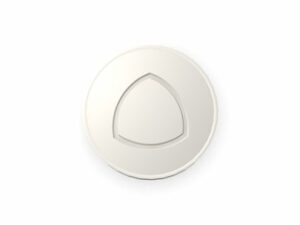
Indapamide (UK) — Patient-Friendly Guide
Indapamide is a medicine used mainly to treat high blood pressure (hypertension) and to help reduce fluid build-up in some people with heart-related conditions. It belongs to a group of medicines known as thiazide-like diuretics (often called “water tablets”).
This guide explains how indapamide works, how it is taken, what to expect, and important safety information—written for patients in the United Kingdom.
Basic product information
- Active ingredient: Indapamide
- Type: Thiazide-like diuretic
- Common forms (UK): Tablets (including modified-release forms, which may be labelled as “SR”/“retard” or similar)
- Typical purpose: Blood pressure control; sometimes used in selected fluid-related conditions
Important: Always follow the instructions given with your specific product strength and formulation (standard vs modified-release). Different formulations may have different dosing schedules.
How indapamide works (mechanism of action)
Indapamide helps lower blood pressure and can reduce excess fluid in the body through several related effects:
- Diuretic effect (kidneys): Indapamide acts on the kidney’s tubules to reduce how much sodium (salt) and water the body retains. This increases urine output.
- Vasodilation (blood vessels): It may also help relax blood vessels, improving blood flow and contributing to lower blood pressure.
- Long-term cardiovascular benefit: By lowering blood pressure and reducing strain on the heart, it can help decrease cardiovascular risk in appropriate patients.
Over time, consistent use is important for sustained blood pressure control.
Pharmacokinetics (how your body handles indapamide)
Pharmacokinetics describes absorption, distribution, metabolism, and elimination.
- Absorption: Indapamide is absorbed from the gut after taking a tablet. The rate may differ depending on the formulation (especially modified-release products).
- Peak effect: For many formulations, blood levels rise after dosing, with effects developing gradually. Modified-release tablets are designed to release medicine more slowly.
- Protein binding: Indapamide is highly bound to blood proteins.
- Metabolism: It is metabolised mainly in the liver.
- Elimination: The medicine and its metabolites are excreted, largely via the kidneys. A small amount may be eliminated in bile/feces.
Timing matters: If you take a modified-release tablet, take it the way the manufacturer instructions specify to keep release consistent.
Typical use in the UK
Indapamide is commonly used for:
- Hypertension (high blood pressure): Often as part of a long-term treatment plan.
- Fluid retention related to cardiovascular conditions: In selected cases, clinicians may use diuretics like indapamide to help manage symptoms of fluid build-up. The exact appropriateness depends on your overall diagnosis and health profile.
In many people, blood pressure improvement is noticeable over days, while longer-term benefits depend on continued use.
When to take indapamide (timing)
Timing depends on the formulation and your personal routine, but these general principles are commonly used:
- Once daily schedules: Many indapamide regimens are taken once a day.
- Morning dosing is common: Because diuretics can increase urination, taking it earlier in the day may reduce nighttime trips to the toilet.
- Modified-release tablets: These should usually be taken at a similar time each day. Do not crush or chew unless the specific product allows it.
- Missed dose: If you miss a dose, take it when you remember on the same day unless it is close to the next dose. If it is near the next dose, skip the missed dose and resume your usual schedule. Avoid double dosing.
If you are unsure about timing for your particular brand or formulation, check the patient leaflet that comes with your medicine.
Food interactions and dietary considerations
Food: Indapamide may be taken with or without food for many patients. However, taking it consistently (either always with meals or always without) can help maintain a predictable routine.
Hydration and salt intake:
- Maintain normal hydration unless you have been advised otherwise.
- Your clinician may advise on salt (sodium) intake, especially if you have fluid retention.
Potassium and electrolytes: Indapamide can affect electrolyte levels (including potassium). Your diet or supplements may be adjusted depending on your blood test results.
Alcohol and medicine interactions
Alcohol: Drinking alcohol while taking indapamide may increase the risk of dizziness or a drop in blood pressure, especially when you first start treatment or increase the dose. Keep alcohol intake moderate and be cautious if you feel light-headed.
Possible medicine interactions: Indapamide can interact with other medicines, particularly those that also affect blood pressure, kidney function, or electrolyte levels.
- Other blood pressure medicines: Combined effects may lower blood pressure further, increasing the risk of dizziness.
- Non-steroidal anti-inflammatory drugs (NSAIDs) (e.g., ibuprofen, naproxen): long-term or high-dose use may reduce kidney effects of diuretics and can increase kidney strain in susceptible people.
- Lithium: Diuretics can increase lithium levels and toxicity risk. This combination typically requires careful monitoring or avoidance.
- Cardiac rhythm medicines: Some medicines used for heart rhythm can be affected by low potassium/magnesium levels.
- Medicines that affect potassium: Other diuretics, corticosteroids, or stimulant laxatives may increase the risk of low potassium.
- Diabetes medicines: Indapamide may alter blood sugar control in some people, so glucose monitoring may be needed.
Always tell your pharmacist about all medicines you take, including over-the-counter products, herbal remedies, and supplements.
Indications (what indapamide is used for)
Indications describe when a medicine is appropriate. In the UK, indapamide is used for:
- Hypertension (high blood pressure)
- Selected cases of fluid retention (commonly related to cardiovascular conditions), as part of an overall treatment plan
Your exact indication depends on your diagnosis, symptoms, blood pressure readings, and blood test results (including kidney function and electrolytes).
Dosing — what patients usually need to know
Dose depends on your condition, age, kidney function, and the specific tablet formulation (especially modified-release tablets). The following information provides general guidance; your medicine label and leaflet take priority.
| Typical situation | General dosing pattern | Notes for patients |
|---|---|---|
| High blood pressure | Often once daily | Modified-release forms are designed for once-daily use. Swallow whole if this is how your product is made. |
| Fluid retention in selected cardiovascular conditions | Once daily (may be tailored) | Monitoring of body weight and electrolytes may be advised. |
| Special groups (older adults / kidney issues) | Dose may be lower or adjusted | Regular blood tests may be required to ensure safe electrolyte levels and kidney function. |
Key practical point: Do not change the dose or stop indapamide suddenly unless advised. If you feel unwell, dizzy, or notice unusual swelling changes, seek medical advice promptly.
Safety profile — who should be careful
Like all medicines, indapamide can cause side effects. Many people tolerate it well, but monitoring may be needed—particularly for potassium, sodium, magnesium, and kidney function.
Common side effects
- Increased urination (especially when starting)
- Dizziness or light-headedness, often related to blood pressure changes
- Fatigue
- Headache
- Muscle cramps (may relate to electrolyte changes)
Less common but important risks
- Electrolyte disturbances (low potassium, low sodium, low magnesium, or rarely other abnormalities)
- Dehydration (if fluid intake is low or additional losses occur)
- Changes in kidney function (particularly in people with kidney disease, older adults, or those taking interacting medicines)
Seek urgent medical help if you develop
- Severe dizziness or fainting
- Confusion, severe weakness, or persistent vomiting
- Irregular heartbeat or palpitations with weakness
- Signs of dehydration (very dry mouth, extreme thirst, minimal urination)
- Allergic symptoms such as swelling of the face/lips, rash, or breathing difficulties
Practical use tips (to get the best benefit safely)
- Take it at the same time each day to keep blood pressure control steady.
- Get regular blood tests if you are on diuretic therapy—commonly to monitor electrolytes and kidney function.
- Watch for symptoms of low electrolytes (muscle cramps, unusual tiredness, weakness).
- Be cautious in hot weather and during vomiting/diarrhoea—dehydration can worsen electrolyte imbalance.
- Stand up slowly if you feel light-headed, especially after taking your dose.
- Keep track of home blood pressure if you have been advised to monitor readings.
- Do not stop abruptly without guidance—blood pressure can rise again.
Tip for hydration: While indapamide helps remove excess fluid, you still need adequate fluids. If you are unsure how much to drink, ask your pharmacist or clinician based on your condition.
Alcohol considerations in more detail
Alcohol may worsen some side effects of indapamide, including:
- Dizziness and reduced blood pressure tolerance
- Dehydration (depending on alcohol amount and hydration)
- Falls risk, particularly in older adults
If you drink alcohol, consider limiting intake and avoiding heavy drinking. If you experience dizziness after alcohol, discuss your options with a healthcare professional.
Alternative options (if indapamide isn’t suitable)
There are several alternative medicines for hypertension and fluid-related symptoms. Choice depends on your health history, other medications, and blood test results.
Common alternatives for high blood pressure
- ACE inhibitors (e.g., ramipril, lisinopril)
- Angiotensin-II receptor blockers (ARBs) (e.g., losartan, valsartan)
- Calcium channel blockers (e.g., amlodipine)
- Other diuretics (e.g., hydrochlorothiazide, loop diuretics like furosemide in selected patients)
- Beta blockers in specific cases
Why alternatives may be chosen
- Side effects (e.g., troublesome dizziness or electrolyte imbalance)
- Insufficient blood pressure control
- Interactions with other medicines
- Kidney function changes
If you are considering switching, do so only with medical advice. Different medicines work differently and may require monitoring.
UK market and legal context (patient overview)
In the United Kingdom, medicines are regulated by the Medicines and Healthcare products Regulatory Agency (MHRA). Pharmacy supply rules depend on the medicine’s classification and the product’s marketing authorisation.
For diuretic and blood pressure medicines like indapamide, safe use is supported by:
- Clear labelling and patient information leaflets
- Pharmacist checks to reduce interaction and safety risks
- Monitoring recommendations for blood tests and ongoing assessment
Pharmacy services may also include advice on correct administration, recognising side effects, and ensuring you are taking the right formulation for your condition.
Recent guidance and monitoring principles (UK-relevant)
While exact recommendations may vary over time and by individual circumstances, general UK clinical practice for diuretics and hypertension typically emphasises:
- Regular monitoring of kidney function and electrolytes (especially sodium and potassium)
- Reviewing symptoms such as dizziness, cramps, and dehydration signs
- Checking blood pressure targets using consistent measurement techniques
- Medication review to reduce avoidable interactions (for example with NSAIDs or other drugs affecting electrolytes)
Your pharmacist and clinician can explain what monitoring schedule applies to you.
Delivery and availability from a UK online pharmacy
Availability can vary by supplier and product strength/formulation. When you order online, your chosen pharmacy typically processes the order through its supply chain and dispatches it to your delivery address in the UK.
Delivery considerations:
- Packaging: Medicines are usually delivered in protective packaging with clear labelling.
- Timing: Delivery times depend on the pharmacy’s dispatch schedule and courier service.
- Availability: If stock is limited, the pharmacy may offer the closest equivalent or advise on alternatives.
Product information you may see on the label: medicine name, strength, formulation type, batch/expiry information, and dosage instructions.
Storage: Keep tablets in their original package, protected from moisture and heat, and out of reach of children. Follow the storage directions in your leaflet.
FAQ — Frequently asked questions
1) How quickly does indapamide start working?
Many people notice increased urination within hours of taking a dose. Blood pressure lowering is usually gradual, with fuller effects over days to weeks. Long-term control depends on taking it consistently.
2) Can I take indapamide with food?
For many patients, it can be taken with or without food. Choose a routine you can keep consistently and follow the instructions for your specific tablet type.
3) Should I avoid salt?
Not everyone needs to eliminate salt completely, but your clinician may advise reducing salt intake—particularly if you have fluid retention or have been told to follow a low-salt diet.
4) What if I get dizzy after taking it?
Dizziness can happen, especially when starting or when dose changes. Sit or lie down until you feel better. Avoid driving or operating machinery if you feel unsteady. If dizziness is persistent or severe, contact a healthcare professional.
5) Will indapamide affect my blood tests?
It can. Indapamide may lower or alter levels of electrolytes such as potassium and sodium, and it can affect kidney function in some people. Monitoring blood tests is commonly recommended.
6) Can I drink alcohol while taking indapamide?
Alcohol may increase dizziness and dehydration risk. Keep intake moderate and avoid heavy drinking. If alcohol makes you feel faint or light-headed, discuss this with a healthcare professional.
7) Are there medicines I should not combine with indapamide?
Certain medicines may interact, including lithium, NSAIDs (in some situations), some heart rhythm medicines, and medicines that affect potassium levels. Always check with your pharmacist and keep them updated on your full medicine list.
8) What happens if I miss a dose?
If you miss a dose, take it when you remember on the same day if it’s not too close to the next dose. If near the next dose, skip the missed dose and resume your usual schedule. Avoid double dosing.
9) Can I stop indapamide once I feel better?
Usually, high blood pressure is a long-term condition. Stopping indapamide may lead to blood pressure rising again. Discuss any changes with a healthcare professional before stopping.
10) Is indapamide safe for older adults?
It may be used in older adults, but extra caution is often needed due to higher risk of dehydration, electrolyte changes, and kidney sensitivity. Monitoring and appropriate dosing are important.
Summary
Indapamide is a thiazide-like diuretic commonly used to treat high blood pressure and, in selected patients, to help manage fluid retention. It works by affecting the kidneys and supporting healthier blood vessel function. Because it can influence electrolytes and kidney function, safe use typically involves consistent dosing, awareness of side effects, and appropriate monitoring.
If you have questions about your specific tablet strength, how to take it, or potential interactions with your other medicines, speak to a pharmacist who can guide you based on your personal health circumstances.