

Hyzaar (Losartan / Hydrochlorothiazide) – Patient Information (UK)
Hyzaar is a combination medicine used to treat high blood pressure (hypertension). It contains two active ingredients:
- Losartan (an angiotensin II receptor blocker, or ARB)
- Hydrochlorothiazide (a thiazide-like “water tablet”, diuretic)
This page explains how Hyzaar works, how it is taken, what to expect, and important safety information for people in the United Kingdom.
Basic product information
| Feature | Information |
|---|---|
| Medicine name | Hyzaar |
| Active ingredients | Losartan + Hydrochlorothiazide |
| Type | Combination antihypertensive (ARB + diuretic) |
| Common purpose | Lowering high blood pressure; helping reduce cardiovascular risk in selected patients |
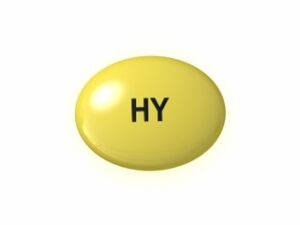
| How it’s supplied | Oral tablets (strengths vary by product) |
| Brand availability (UK) | Available via UK pharmacy supply channels; choice of strengths may vary by pharmacy stock |
What Hyzaar is used for
Hyzaar is used to treat high blood pressure. By lowering blood pressure, it helps reduce the strain on the heart and blood vessels.
Depending on your individual situation and the recommendation of your healthcare professional, Hyzaar may be used when:
- Blood pressure is not adequately controlled with one medicine alone.
- A combination approach is considered suitable from the start.
In some patients, controlling blood pressure may contribute to reducing risk of stroke, heart attack, and other cardiovascular complications.
How Hyzaar works (mechanism of action)
Hyzaar combines two medicines that work in complementary ways.
Losartan (ARB component)
- Losartan blocks the effects of angiotensin II, a natural hormone that causes blood vessels to tighten (narrow) and can raise blood pressure.
- By blocking angiotensin II at its receptors, losartan helps blood vessels relax and widen.
- This can lower blood pressure and reduce the workload on the heart.
Hydrochlorothiazide (diuretic component)
- Hydrochlorothiazide increases the excretion of sodium and water through the kidneys.
- This reduces fluid volume and helps blood vessels respond better.
- Over time, it also supports blood pressure control by affecting how blood vessels behave.
Combination benefit: Some people achieve better blood pressure control with both mechanisms than with either medicine alone.
Pharmacokinetics (how the body handles the medicine)
Pharmacokinetics describes how the medicine is absorbed, distributed, metabolised, and eliminated. Exact values can vary between individuals.
Absorption
- Losartan is absorbed after oral dosing.
- It is metabolised in the liver to an active metabolite (which also contributes to blood pressure effects).
- Hydrochlorothiazide is absorbed from the gut, with peak effects typically occurring within a few hours after taking a dose.
Distribution
- Losartan and its active metabolite are carried in the bloodstream and act on target receptors.
- Both components distribute into body tissues to varying degrees.
Metabolism
- Losartan is broken down mainly in the liver.
- Hydrochlorothiazide is not extensively metabolised; it is largely excreted by the kidneys.
Elimination
- Losartan and its metabolites are eliminated via the liver and kidneys.
- Hydrochlorothiazide is primarily eliminated through the kidneys.
Why this matters: Your dose and monitoring may be adjusted if you have kidney or liver problems, and if blood tests show electrolyte changes (such as sodium or potassium).
Typical timing and how to take Hyzaar
Hyzaar is usually taken , but your schedule may vary depending on your specific tablet strength and your healthcare professional’s instructions.
- Choose a consistent time each day to help you remember.
- Morning dosing is often preferred for diuretic medicines to reduce the chance of needing the toilet at night.
- Swallow tablets with water. You can take them with or without food.
If you miss a dose
- Take it as soon as you remember.
- If it is close to the time for your next dose, skip the missed dose.
- Do not take two doses at the same time to make up for a missed dose.
How long it takes to work
- Some blood pressure lowering may be noticeable within the first days.
- Full effect may take several weeks as your body adjusts and the dose’s effectiveness settles.
- Regular blood pressure checks help confirm whether the treatment is working for you.
Food interactions
Hyzaar can generally be taken with or without food. Food is not usually expected to significantly reduce effectiveness.
That said, people taking diuretics like hydrochlorothiazide should consider lifestyle and dietary factors:
- Hydration: Drink adequate fluids unless you’ve been advised to restrict fluids.
- Electrolyte balance: Some people may be advised to monitor or adjust intake of salt; your clinician may also recommend changes based on your blood test results.
- Potassium: Losartan can increase potassium in some people, while hydrochlorothiazide can lower it—so overall effects vary and may require blood monitoring.
Alcohol and medicine interactions
Combining Hyzaar with alcohol can increase the risk of low blood pressure (dizziness or light-headedness), especially when you first start treatment or when you increase the dose.
Practical advice:
- Start with small amounts if you drink alcohol.
- Avoid sudden standing up if you feel dizzy.
- If you regularly drink large amounts of alcohol, speak to a healthcare professional because it may affect blood pressure and electrolyte levels.
Medicine interactions (important)
Hyzaar can interact with other medicines and supplements. Always tell your healthcare professional and pharmacist about:
- All prescribed medicines
- Over-the-counter products
- Herbal supplements (e.g., licorice supplements)
- Potassium supplements or salt substitutes
Common interaction categories
- NSAIDs (non-steroidal anti-inflammatory drugs) such as ibuprofen or naproxen: may reduce blood pressure lowering effect and can affect kidney function, especially in older adults or those dehydrated.
- Other blood pressure medicines: may further lower blood pressure (sometimes beneficial, but monitor for dizziness).
- Lithium: increased lithium levels can occur; this combination typically requires close monitoring or may be avoided.
- Diabetes medicines or insulin: hydrochlorothiazide can affect glucose control, so monitoring may be needed.
- Gout medicines (uric acid–lowering): thiazides may increase uric acid levels, potentially worsening gout in some individuals.
- Potassium levels:
- Losartan may increase potassium.
- Hydrochlorothiazide may lower potassium.
- Blood tests guide whether potassium supplementation is needed (often not without monitoring).
- Other electrolytes and “torsades risk” medicines: medicines that affect heart rhythm may require caution if potassium or magnesium levels are low.
Herbal and dietary supplements
- Be cautious with supplements that can influence blood pressure, hydration, or potassium (including some “natural” diuretics).
- Licorice-containing products may affect potassium levels.
Dosing: what you can expect
Hyzaar comes in different strengths, combining specific doses of losartan and hydrochlorothiazide. Your prescribed strength depends on your blood pressure readings and your medical history.
General principles (UK practice):
- Many patients start with a dose chosen to balance effectiveness and tolerability.
- Clinicians often titrate (adjust) the dose gradually based on blood pressure response and blood test results.
- Regular monitoring is especially important for kidney function and electrolyte levels.
Do not change the dose or stop treatment without medical advice, even if your blood pressure seems to improve.
Safety profile: side effects and when to seek help
Most people tolerate Hyzaar well, but like all medicines it can cause side effects. Some are mild and temporary; others require urgent attention.
Common or expected side effects
- Dizziness or light-headedness (particularly when standing up)
- Headache
- Increased urination (more noticeable early on due to the diuretic effect)
- Fatigue
- Muscle cramps or weakness (may relate to electrolyte changes)
Potential laboratory changes
Blood tests may show changes in:
- Potassium (either high or low depending on individual response)
- Sodium (low levels can occur with diuretics)
- Kidney function (especially after starting or during dehydration/illness)
- Uric acid (may contribute to gout flares in susceptible individuals)
- Glucose (may affect diabetes control)
- Cholesterol or triglycerides in some people (usually minor and monitored over time)
Serious side effects – get urgent medical help
Seek urgent medical attention if you develop:
- Signs of an allergic reaction: swelling of the face/lips/tongue, difficulty breathing, severe rash
- Severe dizziness, fainting, or very low blood pressure symptoms
- Signs of kidney problems: significantly reduced urine output, sudden swelling, persistent nausea/vomiting
- Yellowing of skin/eyes (jaundice) or severe abdominal pain
- Severe muscle weakness or irregular heartbeat (may indicate significant electrolyte disturbance)
Important safety notes
- Pregnancy: medicines like losartan can harm an unborn baby. Effective contraception is important for people who could become pregnant. Discuss family planning promptly with your healthcare professional.
- Kidney or liver disease: monitoring may be needed.
- Dehydration: vomiting or diarrhoea can increase the risk of kidney strain and low blood pressure.
Practical use tips for everyday life
1) Monitor your blood pressure
- Use a validated home blood pressure monitor if recommended.
- Keep a simple log of readings and symptoms (dizziness, fatigue).
- Bring your readings to review appointments.
2) Be mindful of dizziness
- Stand up slowly from sitting or lying positions.
- If you feel faint, sit or lie down and seek advice.
3) Stay hydrated (unless advised otherwise)
- During hot weather or if you’re unwell, dehydration can make side effects more likely.
- If you develop vomiting or severe diarrhoea, contact a healthcare professional for guidance.
4) Keep blood test appointments
These tests help ensure electrolyte and kidney values remain safe, especially during the first weeks or after dose changes.
5) Watch salt and “salt substitutes”
- Some salt substitutes are high in potassium. Because losartan may raise potassium, ask your pharmacist whether a salt substitute is appropriate for you.
- Don’t start potassium supplements unless advised.
Alternative treatment options (UK)
If Hyzaar isn’t suitable, there are several other medicines and combinations used for high blood pressure in the UK. Alternatives depend on your health profile, kidney function, and how you respond to treatment.
Other classes of antihypertensive medicines
- ACE inhibitors (e.g., ramipril, lisinopril)
- Other ARBs (e.g., candesartan, valsartan)
- Calcium-channel blockers (e.g., amlodipine)
- Beta-blockers (e.g., bisoprolol)
- Diuretics such as indapamide or other thiazides
Combination options
- Some people use an ARB plus a different diuretic or an ACE inhibitor plus a diuretic.
- Others may use ARB plus calcium-channel blocker depending on guidelines and tolerance.
Your pharmacist or healthcare professional can explain which options may be suitable if Hyzaar is not effective or not well tolerated.
Market and legal context in the United Kingdom
In the UK, Hyzaar is an established branded medicine containing losartan and hydrochlorothiazide. Antihypertensive medicines are widely used in primary and secondary care, with prescribing guided by national recommendations.
Key points relevant to UK patients include:
- Medicines governance: Medicines are regulated and must meet UK quality and safety standards.
- Clinical practice: Blood pressure management often follows evidence-based guidance and local protocols.
- Monitoring: Laboratory monitoring and clinical review are commonly recommended to ensure safety and effectiveness.
- Electronic prescribing and pharmacy systems: Supply and substitution may follow UK pharmacy processes and availability.
Recent guidance overview (general): UK practice continues to emphasise personalised management of cardiovascular risk, lifestyle measures alongside medication, and appropriate monitoring—particularly for kidney function, electrolytes, and cardiovascular safety. Clinicians generally review ongoing need, dose appropriateness, and any side effects at routine intervals.
Delivery and availability (UK)
Availability of Hyzaar can vary by pharmacy stock and strength. Online pharmacies typically support UK-wide delivery subject to stock status and standard shipping terms.
- Stock checks: Most online pharmacies display real-time availability.
- Delivery times: Delivery speed may depend on your postcode, carrier schedules, and whether the exact strength is in stock.
- Order tracking: Many services provide updates or tracking after dispatch.
- Substitutions: If a product is temporarily unavailable, some pharmacies may offer an alternative within regulatory and supply rules—confirm options with your provider.
If you need help confirming delivery timelines or checking alternative strengths, contact the pharmacy’s customer service team.
Frequently Asked Questions (FAQ)
1) What is Hyzaar used for?
Hyzaar is used to treat high blood pressure. It contains losartan and hydrochlorothiazide to help lower blood pressure effectively.
2) How quickly will Hyzaar lower my blood pressure?
Some effect may be seen within days, but full benefit often takes several weeks. Blood pressure can be influenced by salt intake, stress, illness, and other medicines—so regular measurements are helpful.
3) Should I take it with food?
You can usually take Hyzaar with or without food. If it upsets your stomach, taking it with a meal may help.
4) What time of day should I take Hyzaar?
It’s typically taken . Many people take it in the morning to reduce night-time urination due to the diuretic component.
5) Will Hyzaar make me pee more?
Hydrochlorothiazide can increase urine output, especially early in treatment. This usually settles as your body adjusts. If you have persistent severe symptoms of dehydration, seek advice.
6) Can I drink alcohol while taking Hyzaar?
Alcohol may increase the chance of dizziness or low blood pressure. If you drink, start with small amounts and avoid dehydration. Seek medical advice if you feel unwell or faint.
7) Can I take ibuprofen or other painkillers?
Some anti-inflammatory painkillers (NSAIDs) can affect kidney function and reduce the blood pressure effects of some medicines. Ask a pharmacist whether your chosen product is safe for you, especially if you’re elderly or have kidney issues.
8) Will Hyzaar affect potassium levels?
Yes, potassium can be affected in either direction. Losartan can raise potassium, while hydrochlorothiazide can lower it. Because the balance varies, blood tests are important.
9) What should I do if I miss a dose?
Take it when you remember unless it is close to the next dose. If it’s close, skip the missed dose. Do not take two doses together.
10) Are there any situations where Hyzaar should be reviewed urgently?
Yes. Contact urgent medical services if you experience severe dizziness/fainting, symptoms of allergy (swelling or breathing difficulty), signs of kidney problems, or severe illness such as persistent vomiting/diarrhoea.
11) What are possible long-term risks?
When monitored appropriately, Hyzaar is widely used. Long-term safety depends on kidney function, electrolyte levels, dose suitability, and overall cardiovascular risk management. Regular follow-up helps reduce risk.
12) What if Hyzaar doesn’t work for me?
If your blood pressure remains high, your healthcare professional may adjust the dose or switch to another regimen. Lifestyle measures (reduced salt, healthy weight, physical activity, smoking cessation, moderation of alcohol) also play a role.
Summary
Hyzaar (losartan/hydrochlorothiazide) combines an ARB and a diuretic to help control high blood pressure. It may take several weeks to reach full effect, and safety monitoring—especially kidney function and electrolytes—is important. If you experience concerning symptoms such as severe dizziness, swelling, breathing difficulty, or signs of kidney problems, seek medical help promptly.