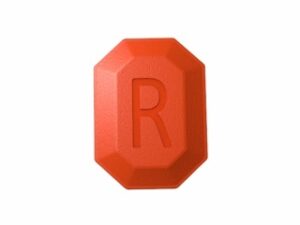
Isoptin SR (Verapamil) – Patient-Friendly Guide (UK)
Isoptin SR is a brand of verapamil, a medicine used to treat certain heart and circulation conditions. The “SR” stands for slow-release, which helps the medicine work gradually over the day.
This guide explains how Isoptin SR works, how it’s typically taken, what to expect, important safety information, interactions (including alcohol), and where to find up-to-date information in the UK.
Basic product information
| Feature | Details |
|---|---|
| Medicine name | Isoptin SR (verapamil) |
| Type | Calcium channel blocker (non-dihydropyridine) |
| Formulation | SR = slow-release tablet/capsule format (depending on presentation) |
| Common strengths | Often 120 mg and 240 mg SR (availability may vary by supplier) |
| Typical frequency | Usually once daily (exact regimen depends on your condition) |
| Therapeutic uses | Angina, some heart rhythm conditions, and other clinician-defined indications |
Note: Product strengths and exact form may vary. Always check the package label or patient information leaflet supplied with your specific product.
How Isoptin SR works (mechanism of action)
Verapamil is a calcium channel blocker. It reduces the entry of calcium into heart muscle and certain smooth muscle cells. This has several effects that can be helpful in cardiovascular conditions:
- Slows the heart rate by affecting the electrical conduction system of the heart.
- Reduces the heart’s workload by lowering how hard the heart must pump.
- Relaxes blood vessels, which can lower blood pressure and improve blood flow.
- Helps control certain abnormal heart rhythms by stabilising electrical activity.
Because Isoptin SR is slow-release, it is designed to provide steadier blood levels through the day rather than a sharp peak.
Pharmacokinetics (how the body handles it)
“Pharmacokinetics” describes how the body absorbs, distributes, metabolises, and eliminates a medicine.
- Absorption: Verapamil is absorbed from the gastrointestinal tract. With SR formulations, absorption is slower and more sustained.
- Distribution: Verapamil is widely distributed in the body and has strong binding to plasma proteins.
- Metabolism: The liver metabolises verapamil. This medicine is processed via pathways that can be affected by other drugs.
- Elimination: Metabolites are eliminated mainly via the kidneys and partly via other routes.
- Half-life: The effective duration is influenced by the SR formulation and individual patient factors such as liver function.
Key practical implication: If your liver function is reduced, verapamil levels may build up. Your prescriber may adjust the dose or monitor you more closely.
Typical uses of Isoptin SR
Isoptin SR is commonly used for cardiovascular conditions where slowing the heart and/or relaxing blood vessels is beneficial. Depending on your individual diagnosis, verapamil may be used for:
- Angina pectoris (chest pain due to reduced blood flow to the heart), including chronic stable angina.
- Some heart rhythm disorders where slowing conduction through the heart can help (for example, certain supraventricular tachyarrhythmias).
- Other indications may apply depending on clinical assessment and guideline recommendations.
Because the “best” use depends on the specific rhythm type and your overall health, it’s important to follow the treatment plan agreed by your healthcare team.
Timing and how to take Isoptin SR
General timing:
- Isoptin SR is often taken once daily, typically at about the same time each day.
- Many people choose morning or evening based on convenience and side effects. Follow your label instructions.
How to take SR tablets/capsules:
- Take exactly as directed on the packaging or by your clinician.
- Do not crush or chew SR formulations unless your specific product instructions say it is safe. Breaking or crushing SR medicine can change how it releases into the body.
- Swallow whole with water.
If you miss a dose (general guidance):
- If you miss a dose, take it when you remember unless it is close to the time of the next dose.
- Do not take double to make up for a missed dose.
- If you’re unsure, consult your pharmacist.
Stopping suddenly: Do not stop verapamil abruptly without advice. Your heart rate/rhythm and chest pain control may worsen.
Food interactions and dietary considerations
Food can sometimes affect how verapamil is absorbed and tolerated.
- General rule: Many people can take verapamil with or without food. If stomach upset occurs, taking with food may help.
- Grapefruit / grapefruit juice: Grapefruit products can increase the effect of some medicines by affecting liver enzymes. Verapamil is one of the medicines where this can be important. It’s generally best to avoid grapefruit unless your healthcare team has specifically said it’s acceptable.
- High alcohol intake: Not a “food interaction” in the usual sense, but it can worsen side effects and increase risk of low blood pressure—see the alcohol section below.
If you have dietary restrictions or are considering supplements, ask your pharmacist for advice.
Alcohol and medicine interactions
Alcohol can increase the risk of side effects such as dizziness, lightheadedness, and low blood pressure. With verapamil, these effects may be more noticeable.
- Moderation is advised: If you drink alcohol, keep it moderate and see how you respond.
- Avoid binge drinking: This increases the chance of dangerous drops in blood pressure or impaired awareness.
- Driving/operating machinery: If alcohol plus verapamil makes you drowsy or dizzy, don’t drive.
Important: If you experience fainting, severe dizziness, or unusual weakness after alcohol, seek urgent medical advice.
Medicine interactions (including common categories)
Verapamil can interact with several medicines. Some interactions can increase verapamil levels, while others can increase heart-related side effects.
Always tell a pharmacist or healthcare professional about all medicines you take, including over-the-counter products and herbal remedies.
Examples of medicines that may interact
- Other heart medicines (especially medicines that also affect heart rate and electrical conduction). Combining certain drugs can lead to overly slow heart rate or heart block.
- Beta-blockers (e.g., medicines used for blood pressure and heart rate control). This combination can be effective but needs careful monitoring.
- Antiarrhythmics (medicines for rhythm control). Some combinations may raise risk of conduction problems.
- Digoxin: verapamil can increase digoxin levels, potentially leading to toxicity. Monitoring may be necessary.
- Some antibiotics/antifungals and certain antiviral medicines: these can inhibit liver enzymes and increase verapamil exposure.
- CYP3A4/other liver enzyme inhibitors and inducers: these may raise or lower verapamil levels.
- Medicines for migraine or other cardiovascular drugs may interact depending on their mechanism.
- Statins: some statins are metabolised differently and may be affected; dose adjustments may be required.
- Non-steroidal anti-inflammatory drugs (NSAIDs): can sometimes affect blood pressure control or kidney function in susceptible individuals (context-dependent).
Herbal and non-prescription products
- St John’s wort can reduce verapamil effectiveness by inducing liver enzymes.
- Other herbal remedies may also affect metabolism. Always check before starting new supplements.
Dial-in tip: If you can, keep a list of all your medicines (including doses) to share with your pharmacist. This reduces interaction risk.
Indications: when Isoptin SR may be recommended
In clinical practice in the UK, verapamil (including SR formulations) may be recommended for conditions such as:
- Angina: to help prevent chest pain episodes and reduce their frequency.
- Heart rhythm disorders: particularly certain supraventricular tachyarrhythmias where slowing conduction through the AV node is beneficial.
- Hypertension and related disorders: in some cases verapamil can lower blood pressure; however, exact suitability depends on your overall condition and guideline recommendations.
Whether Isoptin SR is appropriate for you depends on factors like your heart rate, blood pressure, ECG findings, other medicines, and overall health (including liver function).
Typical dosing information (general)
Dosing varies widely based on the condition being treated, age, liver function, and other medicines. Your healthcare team will set your exact dose.
General principles
- Start low and adjust carefully: dose may increase gradually to achieve desired effect without side effects.
- SR requires consistent routine: regular daily timing helps maintain stable levels.
- Liver impairment: may require lower doses and closer monitoring.
- Older adults: may be more sensitive to blood pressure lowering and dizziness.
Examples of SR dosing schedules (for guidance only)
Below are illustrative patterns often seen with SR formulations; your label may differ:
- Once daily dosing is common for SR products.
- Adjustments may be made over days to weeks depending on response.
- In some conditions, clinicians may use different starting doses or maximum doses.
Do not self-adjust your dose. If you think your dose is too strong (e.g., persistent dizziness) or not strong enough (e.g., ongoing angina symptoms), contact your pharmacist or prescriber promptly.
Safety profile: what to watch for
Like all medicines, Isoptin SR can cause side effects. Many are mild and improve as your body adjusts, but some require urgent action.
Common side effects
- Constipation (a well-known verapamil side effect). Staying hydrated and using dietary fibre can help.
- Dizziness or lightheadedness, especially when standing up.
- Headache.
- Swelling of ankles/feet (peripheral oedema).
- Fatigue or general tiredness.
- Nausea in some people.
Serious side effects (seek urgent medical advice)
- Fainting (syncope) or severe dizziness.
- Very slow heartbeat, palpitations with feeling unwell, or symptoms of heart block (e.g., chest discomfort with marked weakness).
- Shortness of breath or sudden worsening breathlessness.
- Allergic reaction: swelling of face/lips, rash, wheezing.
- Severe persistent constipation with abdominal pain or vomiting.
Special populations
- Liver impairment: increased risk of side effects; monitoring may be needed.
- Heart conduction problems: verapamil can worsen certain conduction issues; ECG monitoring may be relevant.
- Pregnancy and breastfeeding: medicine suitability depends on individual risk-benefit assessment—discuss with a healthcare professional.
- Children: dosing and use must be specialist-led.
Practical use tips (getting the best results safely)
- Monitor symptoms: Keep track of angina episodes (frequency, triggers, severity) or rhythm-related symptoms.
- Check blood pressure/heart rate if advised: Some people are asked to measure blood pressure and pulse, particularly during dose changes.
- Manage constipation early:
- Drink fluids regularly
- Include fibre (fruit, vegetables, whole grains)
- Ask your pharmacist about suitable laxatives if needed
- Rise slowly: If you feel dizzy, stand up slowly from sitting or lying positions.
- Medication list matters: Keep a list of all medicines and show it whenever you consult clinicians or pharmacists.
- Be cautious with “new starts”: Avoid adding new medicines or supplements without checking interactions.
- SR integrity: Swallow SR tablets whole; don’t crush or chew.
Alternative options (if Isoptin SR isn’t suitable)
Alternative medicines depend on the underlying condition (angina, rhythm control, or blood pressure management) and your medical history. Options clinicians may consider include:
- Other calcium channel blockers (e.g., dihydropyridines such as amlodipine) for some blood pressure and angina patterns.
- Beta-blockers for heart rate control and angina, sometimes used alone or in selected combinations.
- Nitrates for angina relief (short-acting or longer-acting forms).
- Other antiarrhythmic strategies or rhythm-specific medicines depending on ECG diagnosis.
- Non-medicine approaches may also be recommended, such as lifestyle changes, trigger avoidance, and procedural options for rhythm disorders.
Your pharmacist or clinician can help determine which alternatives are appropriate and safest for your situation.
Market and legal context in the UK
In the UK, medicines are regulated to ensure quality, safety, and appropriate use. Verapamil-containing products are widely available through licensed channels.
- Regulatory framework: Medicines are regulated by the Medicines and Healthcare products Regulatory Agency (MHRA).
- Pharmacy supply: Availability may vary by formulation and strength.
- Patient information: The UK patient leaflet (often PIL) provides detailed side effect information, contraindications, and dosing specifics for the exact product.
Practical note: Always ensure the product you purchase is from a reputable UK-licensed supplier and that the medicine matches the exact brand/strength on your treatment plan.
Recent guidance and monitoring (UK-oriented)
Guidance for cardiovascular medicines can evolve with updated clinical evidence and safety communications. While specific recommendations depend on your condition, common themes in UK practice include:
- Careful cardiovascular monitoring (blood pressure, pulse, and sometimes ECG) especially during initiation or dose changes.
- Interaction checks before starting or stopping medicines—particularly those affecting heart rhythm or liver metabolism.
- Supporting safe use by encouraging patients to report new symptoms promptly.
For the latest information, your pharmacist can direct you to the most relevant MHRA safety updates or NHS guidance where appropriate.
Delivery and availability (UK)
Isoptin SR may be supplied in different strengths depending on demand and supplier stock levels. Typical ordering and delivery experience for UK customers may include:
- Availability: Some strengths may be more readily stocked than others.
- Dispatch times: Orders are usually dispatched after verification of suitability and stock availability.
- Delivery: Many UK deliveries are made via tracked courier services. Delivery times can vary by postcode and carrier.
- Cold storage: Verapamil SR tablets typically do not require cold storage.
What to check when it arrives: Confirm the medicine name, strength, and dosage form match what you expected. Check expiry dates and ensure packaging is intact.
FAQ – Isoptin SR (verapamil)
1) How long does Isoptin SR take to work?
Some effects on heart rate and blood pressure may be felt within hours, but the full benefit—especially for angina prevention—may take several days to be clearly noticeable. If you are adjusting dose, your response may change gradually.
2) Can I stop taking Isoptin SR when I feel better?
Do not stop suddenly unless you’ve been advised to. Stopping abruptly can worsen symptom control. If you want to discontinue, discuss a safe plan with your pharmacist or clinician.
3) What should I do if I feel dizzy after taking it?
Dizziness can be due to lower blood pressure or an excessive heart rate reduction. Sit or lie down, avoid driving, and check your pulse if you can. If dizziness is severe, persistent, or you faint, seek urgent medical help.
4) Does Isoptin SR cause constipation?
Yes, constipation is a known side effect of verapamil. Increase fluids and fibre where appropriate. If constipation becomes troublesome or painful, speak to your pharmacist about suitable treatments.
5) Is grapefruit juice safe with verapamil?
Grapefruit can potentially increase verapamil effects by affecting metabolism. Many people are advised to avoid grapefruit and grapefruit juice unless their clinician has confirmed it is safe for them.
6) Can I drink alcohol while taking Isoptin SR?
Alcohol may increase dizziness and low-blood-pressure effects. If you drink, keep it moderate, avoid binge drinking, and pay attention to how you feel. If you develop faintness or severe lightheadedness, seek advice.
7) Are there foods I should avoid?
Aside from grapefruit, most people can take verapamil with or without food. If you experience stomach upset, taking with food may help. Always follow product guidance and personalised advice.
8) What are the signs that I should get urgent help?
Get urgent medical advice if you faint, have severe dizziness, experience very slow heartbeat, worsening shortness of breath, chest pain that’s rapidly worsening, or signs of an allergic reaction.
9) Can Isoptin SR interact with other medicines?
Yes. Verapamil can interact with several medicines, especially other heart drugs and medicines processed by the liver. Tell your pharmacist about everything you take, including supplements and over-the-counter products.
10) What if I miss a dose?
Take it when you remember unless it’s nearly time for your next dose. Do not take a double dose. If you’re unsure, ask your pharmacist for advice.
Important: This information is for general guidance and does not replace medical advice specific to your situation. If you have questions about suitability, side effects, or interactions, speak to a qualified healthcare professional or pharmacist.