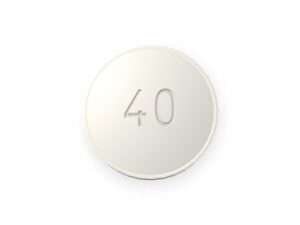
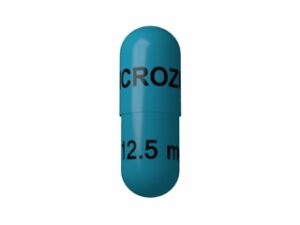
Lozol (Indapamide) — Patient Guide (UK)
Lozol contains indapamide, a medicine commonly used to help manage high blood pressure (hypertension). It works by helping the kidneys remove extra salt and water, while also relaxing blood vessels. This can lower blood pressure and, in some patients, help reduce the strain on the heart and circulation.
This guide explains how Lozol works, how it is typically taken, what to expect, and what to consider for safety. It is written for patients in the United Kingdom and is intended to be easy to follow. Always follow the advice given by your healthcare professional and the information on the pack you receive.
Quick product information
| Item | Details |
|---|---|
| Brand name | Lozol |
| Generic name | Indapamide |
| Medicine type | Thiazide-like diuretic (often described as “thiazide-like”) with vasodilating effects |
| Main use | High blood pressure (hypertension); in some cases, fluid-related conditions are assessed by clinicians |
| How it works | Helps kidneys excrete salt and water; reduces blood pressure through vascular effects |
| How it’s taken | Usually once daily; many forms are extended release or sustained release (follow your product instructions) |
| Common safety monitoring | Electrolytes (sodium, potassium), kidney function, and sometimes glucose/uric acid depending on risk |
What is indapamide and how does Lozol work?
Indapamide is a thiazide-like diuretic. Diuretics help the body get rid of excess water by acting on the kidneys. However, indapamide also has effects on blood vessel tone, which helps lower blood pressure even when only modest diuresis occurs.
Mechanism of action (simple explanation)
- Kidney salt handling: Indapamide acts in the kidney to reduce the reabsorption of sodium and chloride, increasing their excretion.
- Water follows salt: As salt leaves the body, water may also be removed, helping reduce fluid volume and pressure.
- Blood vessel effects: Indapamide helps relax blood vessels and reduce peripheral resistance, contributing to blood pressure lowering.
- Lower strain on heart and circulation: Over time, improved blood pressure can reduce cardiovascular risk.
Pharmacokinetics: how the body processes indapamide
“Pharmacokinetics” describes how the medicine is absorbed, distributed, metabolised, and eliminated. While exact values can vary by individual and by the specific product formulation you receive, the general principles are:
- Absorption: Indapamide is absorbed from the gut after oral dosing.
- Distribution: It distributes into body tissues and binds to plasma proteins.
- Metabolism: The medicine is metabolised mainly in the liver.
- Elimination: It is eliminated primarily by the kidneys (with some metabolism-related components also contributing).
- Duration: Depending on the formulation, effects last sufficiently for once-daily dosing.
Your doctor or pharmacist may advise more frequent monitoring if you have kidney or liver problems, are elderly, or take other medicines that affect electrolytes.
Typical uses in the UK
Lozol (indapamide) is used mainly for the treatment of high blood pressure (hypertension). Lowering blood pressure helps reduce the risk of:
- Stroke
- Heart attack
- Heart failure
- Kidney disease progression
- Damage to blood vessels in the eyes and other organs
In some circumstances, clinicians may consider diuretics for fluid-related symptoms or for specific cardiovascular conditions. If you are unsure why it has been chosen for you, ask your pharmacist or clinician.
When and how to take Lozol
Many patients take indapamide . The exact timing and whether it is extended release depends on the specific product you receive. Read the pack instructions carefully.
Timing tips
- Choose a consistent time: Taking it at the same time each day helps maintain steady effects.
- Morning is often preferred: Because diuretics can increase urination, many people prefer taking it in the morning to avoid night-time trips to the toilet.
- Extended release forms: If your product is a modified-release formulation, swallow it whole and do not crush or split unless told otherwise.
How to take the tablet
- Take with water.
- You can usually take it with or without food (see food interactions below for additional considerations).
- Do not stop suddenly without advice, particularly if you feel well—blood pressure control is often gradual and ongoing.
If you miss a dose: Follow the advice on your medicine leaflet or from your pharmacist. In general, if it is close to the next dose, do not double up.
Food interactions and what to watch for
Indapamide’s main food-related considerations involve salt and fluid balance. There are also nutrition factors that can affect electrolytes.
Salt (sodium) intake
- High-salt diets can reduce the effectiveness of blood pressure medicines by increasing sodium retention.
- Low-salt advice may be given if you have specific health needs; follow clinician guidance.
Potassium-rich foods
Indapamide can sometimes lower potassium. A clinician may suggest dietary choices to support potassium levels, especially if you are at higher risk of electrolyte imbalance.
- Examples: bananas, oranges, potatoes, leafy greens, beans.
- Do not take potassium supplements unless advised, particularly if you have kidney disease.
General guidance
- Stay adequately hydrated unless you have been told to restrict fluids.
- If you experience vomiting/diarrhoea or poor intake, contact your clinician—electrolyte levels can change quickly.
Alcohol and medicine interactions
Alcohol can affect blood pressure and may worsen dizziness, dehydration, or electrolyte imbalance—effects that can be more noticeable with diuretics. Alcohol can also interact indirectly with other medicines you may be taking.
Alcohol-related precautions
- Risk of dizziness/faintness: Alcohol may increase the chance of feeling light-headed, especially when standing.
- Dehydration: If you drink alcohol, make sure you are not under-hydrated.
- Hypotension: Combining alcohol with blood pressure medicines can lower blood pressure further.
If you drink alcohol, consider limiting intake and monitor how you feel (especially after starting Lozol or increasing the dose). Ask a healthcare professional if you are unsure.
Medicine interactions: important examples
Lozol (indapamide) can interact with several commonly used medicines, particularly those that affect electrolytes, kidney function, or blood pressure. Always review your medication list with a pharmacist, especially when starting or changing doses.
Key interaction groups
- Other blood pressure medicines: May increase blood pressure-lowering effects (more dizziness risk).
- NSAIDs (e.g., ibuprofen, naproxen): Can reduce diuretic effects and may affect kidney function.
- Lithium: Diuretics can increase lithium levels, raising toxicity risk.
- Cardiac rhythm medicines (antiarrhythmics): Risk can increase if potassium becomes low.
- Corticosteroids (e.g., prednisolone): May further lower potassium.
- Digoxin: Low potassium can increase the risk of digoxin-related rhythm problems.
- Other medicines that lower potassium: e.g., some laxatives if overused, amphotericin B.
- Diabetes medicines: Some patients may see changes in glucose control (your clinician may monitor).
- Gout medicines/uric acid: Indapamide can increase uric acid in some people, potentially affecting gout.
Electrolyte monitoring matters
Because indapamide may alter sodium and potassium levels, clinicians often arrange blood tests—especially when you begin therapy, after dose changes, or if you are older or have kidney problems.
Dosing: what is typical?
Your dose should be based on your individual condition, response, and any blood test results. Typical adult dosing for indapamide used for hypertension is usually once daily.
General dosing principles (patient-friendly)
- Once daily dosing: Most patients take indapamide in the morning.
- Start low, adjust if needed: Your clinician may review blood pressure after a period and adjust therapy.
- Do not exceed prescribed dose: Higher doses do not necessarily improve outcomes and may increase side effects.
- Use consistently: Blood pressure benefits build over time.
Important: Lozol may come in different strengths and formulations. Always follow the strength and instructions on your own packaging.
How long until Lozol works?
Many people begin to notice effects on blood pressure within the first days, but full benefit can take longer. Blood pressure changes can be subtle.
- Early period: You may see changes within days.
- Longer-term control: Ongoing improvements generally occur over weeks as treatment continues.
- Monitoring: Clinicians often reassess blood pressure after starting or modifying treatment.
If you check your blood pressure at home, record readings and share them with your clinician at reviews.
Safety profile: possible side effects and when to seek help
Most people tolerate indapamide well, but like all medicines it can cause side effects. Some effects are expected (such as increased urination early on), while others are less common and may signal an electrolyte or kidney issue.
Common or expected effects
- Increased urination (often most noticeable after starting)
- Mild dizziness, especially when standing up quickly
- Headache
- Fatigue
Less common but important side effects
- Electrolyte imbalance (low potassium, low sodium): may cause weakness, cramps, unusual tiredness, or palpitations
- Dehydration: can cause thirst, reduced urine, dizziness
- Kidney function changes: may show up on blood tests
- Rash or hypersensitivity reactions: seek urgent advice if severe
- Gout flare: possible if uric acid rises
- Changes in blood sugar in some patients
Seek urgent medical advice if you have
- Fainting or severe dizziness
- Severe weakness, confusion, or severe muscle cramps
- Fast or irregular heartbeat
- Signs of dehydration that are worsening (e.g., very little urine, severe light-headedness)
- Allergic symptoms such as swelling of face/lips, difficulty breathing, or widespread rash
If you are unsure whether symptoms are related, contact your pharmacist or clinician for guidance.
Practical use tips for everyday life
- Stay consistent: Take the tablet at the same time each day.
- Stand up slowly: If you feel dizzy, take your time moving from lying/sitting to standing.
- Watch your hydration: Drink normally unless you have been told to limit fluids. Extra caution during hot weather or when ill.
- Don’t ignore diarrhoea/vomiting: These can increase dehydration and electrolyte loss. Contact your clinician if symptoms are significant.
- Keep up with blood tests: Especially if you’re older, have kidney issues, diabetes, or take several interacting medicines.
- Track blood pressure: Home monitoring can help you and your clinician see trends.
- Inform healthcare professionals: Tell dentists and other clinicians you take indapamide.
Who should take extra care?
Certain people may have a higher risk of side effects and may need closer monitoring:
- Older adults (greater risk of electrolyte shifts and dizziness)
- People with kidney disease or reduced kidney function
- People with liver disease
- People at risk of low sodium or potassium
- Those taking medicines that can affect potassium or kidney function
- People with diabetes or gout (monitoring may be advised)
Alternative options for high blood pressure in the UK
If indapamide is not suitable or not effective, there are many other treatments for hypertension. Choice depends on your medical history, age, other conditions, and your blood test results.
Common classes clinicians may consider
- ACE inhibitors (e.g., perindopril, lisinopril)
- Angiotensin II receptor blockers (ARBs) (e.g., losartan, candesartan)
- Calcium channel blockers (e.g., amlodipine)
- Other diuretics (e.g., bendroflumethiazide or similar agents, depending on suitability)
- Beta blockers (often considered in specific cardiovascular situations)
Lifestyle measures can also support treatment: reducing salt intake, maintaining a healthy weight, regular physical activity, limiting alcohol, and stopping smoking. Your clinician can help tailor an approach for you.
UK market and legal context (patient perspective)
In the UK, medicines like Lozol are regulated and supplied through standard routes. Availability may vary by strength, formulation, and supply situation. Many blood pressure medicines are widely used in primary care.
Over recent years, UK healthcare policy and guidance have emphasised:
- Medication safety through appropriate prescribing, patient counselling, and monitoring.
- Personalised management based on comorbidities and risk factors.
- Ongoing review of blood pressure control and side effects.
Recent guidance (high level)
Current practice in the UK generally aligns with evidence-based hypertension management, focusing on: confirming diagnosis, using validated measurement methods, assessing cardiovascular risk, and adopting lifestyle measures alongside medicines. For blood pressure medicines, clinicians typically review tolerance and safety using blood tests and symptom checks where appropriate.
Guidance also stresses careful monitoring for electrolyte changes with diuretics, particularly in vulnerable groups.
Delivery and availability in the UK
Online pharmacies in the UK typically supply medicines subject to the required supply and regulatory checks. Stock can fluctuate, and availability may depend on the specific strength and whether the product is standard or in a particular formulation.
- Dispatch times: Vary by supplier and location; delivery estimates are usually shown at checkout.
- Substitutions: If a brand is temporarily unavailable, a pharmacy may offer an alternative that is considered equivalent under UK regulations, depending on the circumstances and the customer’s eligibility.
- Cold chain: Indapamide tablets are not typically temperature-sensitive, but follow the pack instructions.
If you need Lozol regularly, consider ordering in good time and keeping track of your medicine stock to avoid interruptions.
Frequently asked questions (FAQ)
1) Is Lozol a diuretic?
Yes. Lozol contains indapamide, which is a thiazide-like diuretic. It helps the body remove salt and water, and it also relaxes blood vessels to lower blood pressure.
2) Will I need to pee more?
Some people notice increased urination, especially when starting the medicine. Taking it earlier in the day (often in the morning) can reduce night-time disruption. If you feel unwell or notice severe dehydration, contact a healthcare professional.
3) Can I take Lozol with food?
Many patients can take indapamide with or without food. The most important dietary considerations are overall salt and fluid intake and maintaining electrolyte balance. Follow the instructions on your product packaging.
4) Does indapamide affect potassium?
It can. Indapamide may lower potassium in some people. This is why blood tests may be arranged, particularly if you are at higher risk or take interacting medicines.
5) What should I do if I feel dizzy?
Sit or lie down and rise slowly. Dizziness can be related to blood pressure changes or dehydration. If dizziness is persistent, severe, or comes with fainting, seek medical advice promptly.
6) Are there medicines I should avoid?
Several medicines can interact with indapamide, including some anti-inflammatory painkillers (NSAIDs), lithium, and others that affect potassium or kidney function. It’s safest to have your medication list reviewed by a pharmacist, including over-the-counter products.
7) Can I drink alcohol while taking Lozol?
Alcohol may worsen dizziness or lower blood pressure further. If you choose to drink, do so in moderation and monitor how you feel. Stay hydrated and avoid binge drinking.
8) How do I know if it’s working?
The main measure is blood pressure control. You may also notice fewer symptoms related to high blood pressure (though many people have no symptoms). Use home readings if advised and attend regular reviews for accurate assessment.
9) How long can I take Lozol?
Many patients take blood pressure medicines long term. How long you need depends on your overall cardiovascular risk and how your blood pressure responds. Do not stop unless advised by your clinician.
10) What monitoring might be needed?
Clinicians often monitor electrolytes (sodium, potassium) and kidney function, especially after starting treatment, after dose changes, or if you’re older or unwell.
Key takeaways
- Lozol (indapamide) helps treat high blood pressure.
- It works by kidney salt/water effects and blood vessel relaxation.
- Often taken once daily, usually in the morning.
- Be mindful of electrolytes and hydration; blood tests may be recommended.
- Check for drug interactions, including NSAIDs and lithium, and consider alcohol carefully.
If you have questions about your specific strength, formulation, or how to take Lozol safely with your other medicines, your pharmacist is the best person to guide you.