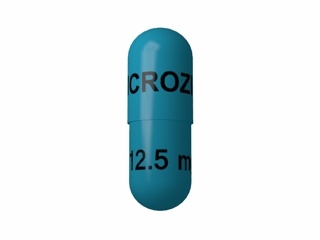

Microzide (Hydrochlorothiazide) – Patient Information
Microzide is a medicine containing hydrochlorothiazide, a type of drug known as a thiazide diuretic (a “water tablet”). It is used to help control high blood pressure and, in some cases, to reduce fluid build-up in the body (oedema).
This guide explains how Microzide works, how it is used, what to watch for, and practical information to help you take it safely. Always follow the instructions given for your individual treatment.
Basic product information
| Category | Details |
|---|---|
| Medicine | Microzide |
| Active ingredient | Hydrochlorothiazide |
| Drug group | Thiazide diuretic (water tablet) |
| How it works | Helps the kidneys remove salt and water, lowering blood pressure |
| Common uses | High blood pressure; sometimes fluid retention/oedema |
| Typical dosing frequency | Often once daily in the morning (may vary) |
How Microzide works (mechanism of action)
Hydrochlorothiazide works in the kidneys. It blocks a transporter in the kidney’s tubules that reabsorbs sodium and chloride. As a result:
- More salt (sodium) and water leave the body in urine.
- Over time, the reduction in fluid volume and the effect on blood vessels help to lower blood pressure.
- It may also change the balance of body electrolytes, which can include potassium, magnesium, and sodium.
Blood pressure lowering may begin within days, but the fullest effect can take several weeks.
Pharmacokinetics (how the body handles the medicine)
Understanding how hydrochlorothiazide behaves in the body can help explain when it starts to work and why routine monitoring may be needed.
- Absorption: Generally absorbed after oral dosing. Food may have limited influence, but taking it consistently is helpful.
- Distribution: It circulates in the bloodstream and acts mainly on the kidneys.
- Onset of effect: Diuretic effect usually starts within a few hours after a dose.
- Duration: The effect often lasts around half a day to a full day, which is why dosing in the morning is commonly recommended to reduce night-time urination.
- Elimination: Primarily excreted by the kidneys, so kidney function affects how the medicine behaves.
Because it is cleared via the kidneys, dose choice and safety may depend on kidney function and overall health.
Typical uses in the UK
In the United Kingdom, hydrochlorothiazide is used for:
- Hypertension (high blood pressure): Often as part of blood pressure management, sometimes with other medicines.
- Oedema (fluid retention): In selected patients, sometimes when combined with other treatments.
- Electrolyte-related management: In some clinical settings, diuretics may be used where fluid and electrolyte balance needs careful control.
Your prescriber or healthcare professional will determine the specific reason and the dose based on your condition, kidney function, and other medications.
When and how to take Microzide (timing)
Most people are advised to take Microzide in the morning. This helps minimise interference with sleep due to increased urination.
- Common timing: Once daily in the morning.
- With water: Swallow the tablet(s) with a glass of water.
- Try to be consistent: Taking at the same time each day can help maintain steady effects.
- If you miss a dose: Take it as soon as you remember if it is the same day and not close to the next dose. If it is nearly time for the next dose, skip the missed dose and continue as normal. Do not take a double dose.
If you are unsure about your regimen, check the instructions provided with your product or ask a pharmacist.
Food interactions
Food interactions are generally not major for hydrochlorothiazide, but there are practical points:
- Take with or without food: Many people can take Microzide with or without meals. Consistency is key.
- Salt intake: Because it affects salt handling, your clinician may recommend a certain approach to dietary salt. Avoid sudden large changes without advice.
- Electrolyte balance: If you are at risk of low potassium or low sodium, your healthcare team may suggest dietary or supplement strategies.
- Vitamin/mineral supplements: If you take potassium or magnesium supplements, discuss this with your healthcare team, especially if you have kidney problems.
Alcohol and medicine interactions
Alcohol can increase the chance of side effects such as dizziness or
Alcohol
- Limit alcohol if you feel light-headed, dehydrated, or unwell after taking Microzide.
- Dehydration risk can be higher if you drink alcohol, particularly in hot weather or during illness.
Important medicine interactions
Several medicines can interact with hydrochlorothiazide, mainly through effects on blood pressure, kidney function, and electrolyte levels. Always tell your pharmacist or healthcare professional about all medicines you take, including over-the-counter products.
Examples of medicines that may need extra care:
- Other blood pressure medicines: may increase the risk of low blood pressure.
- Potassium-affecting medicines: such as potassium supplements, potassium-sparing diuretics, or medicines that raise potassium. This matters because hydrochlorothiazide can lower potassium, but some combinations can raise it too.
- Non-steroidal anti-inflammatory drugs (NSAIDs) (e.g. ibuprofen, naproxen): can reduce kidney function and counteract diuretic effect in some situations.
- Diabetes medicines (including insulin and tablets): thiazides can affect blood sugar in some people; monitoring may be needed.
- Lithium: can have increased levels and toxicity risk with diuretics.
- Digoxin: changes in potassium can increase the risk of digoxin-related heart rhythm problems.
- Medicines affecting heart rhythm (antiarrhythmics): electrolyte changes (especially low potassium or magnesium) can increase risk.
- Gout medicines: thiazides can raise uric acid, potentially worsening gout in susceptible people.
- Calcium or vitamin D supplements: may require monitoring if calcium levels change.
This is not a complete list. Your healthcare professional can check specific interactions for your medicine list.
Indications (what Microzide is used for)
Microzide (hydrochlorothiazide) is indicated for conditions where reducing sodium and water helps, including:
- Essential hypertension (high blood pressure).
- Oedema associated with certain conditions (as determined by a clinician).
- Situations where a diuretic effect is beneficial under clinical supervision.
For best safety and effectiveness, the medicine may be used alone or in combination with other therapies.
Dosing – what is typical?
Doses vary by individual needs, age, kidney function, and whether other medicines are used alongside. Below is general guidance commonly seen in clinical practice; your prescription label and healthcare team instructions are the final authority.
Typical starting and maintenance patterns
- Hypertension: often once daily, with dose adjustments based on response.
- Oedema: may involve once or twice daily dosing schedules depending on the situation.
Administration tips
- Take the dose in the morning to reduce night-time urination.
- Keep follow-up appointments, because blood tests may be needed to monitor sodium, potassium, creatinine and kidney function.
- If you have kidney impairment, dosing may be lower or less frequent, and monitoring will likely be more frequent.
Do not adjust the dose or stop suddenly without advice. If you feel unwell or have side effects, contact a pharmacist or healthcare professional promptly.
Safety profile – who should take care?
Like all medicines, Microzide can cause side effects. Many are mild and improve with time, but some may be serious. Your risk depends on your health, dose, and other medicines.
Common and expected effects
- Increased urination (often strongest shortly after the morning dose).
- Dizziness, especially when standing up quickly.
- Mild changes in electrolytes such as potassium or sodium.
- Possible headache or feeling generally “off” at the start of treatment.
Serious side effects – seek urgent help
Contact urgent medical care if you experience symptoms that could indicate a serious problem, such as:
- Severe weakness, confusion, fainting, or worsening dizziness.
- Signs of dehydration (very dry mouth, minimal urination, severe thirst).
- Irregular heartbeat, palpitations, or muscle cramps that are persistent or severe.
- Allergic reactions such as swelling of the face/lips, rash, or breathing difficulties.
- Severe abdominal pain, persistent vomiting, or blood in vomit/stool (uncommon but important).
Electrolyte changes and monitoring
Thiazide diuretics can affect:
- Potassium: low potassium (hypokalaemia) can cause weakness, cramps, and heart rhythm issues.
- Sodium: low sodium (hyponatraemia) can lead to confusion, headaches, and severe fatigue.
- Magnesium: low magnesium may occur and can worsen low potassium.
- Uric acid: can increase, potentially triggering or worsening gout.
- Glucose: may rise slightly in some people with diabetes.
- Calcium: may increase in some cases.
Because of this, healthcare providers often arrange blood tests periodically—especially after starting, changing dose, or if you are at higher risk.
Situations that require extra caution
- Kidney disease or reduced kidney function.
- History of electrolyte imbalance.
- Gout.
- Diabetes.
- People at risk of dehydration (e.g. vomiting/diarrhoea, elderly frailty, hot weather).
- Those taking medicines that affect potassium, sodium, kidney function, or heart rhythm.
Practical use tips
Hydration and lifestyle
- Drink fluids as appropriate for your general health. If you have been advised to restrict fluids (for example, in certain heart or kidney conditions), follow that advice.
- Be careful with overheating or heavy exercise, as dehydration risk may increase.
Rise slowly
To reduce dizziness, especially when you first start:
- Stand up slowly from sitting or lying positions.
- If you feel light-headed, sit or lie down until the feeling passes.
Monitoring blood pressure
If you measure blood pressure at home, record readings and bring them to follow-up appointments. Do not stop taking Microzide just because a few readings look good—blood pressure control is usually long-term.
Blood tests and symptom awareness
- Keep appointments for blood tests as recommended.
- Be aware of symptoms suggesting electrolyte imbalance (severe muscle cramps, unusual weakness, persistent palpitations, confusion).
What to do during illness (“sick day” approach)
If you have vomiting or diarrhoea, you may become dehydrated, which can increase the risk of complications with diuretics. Seek advice from a healthcare professional if you are unwell. They may recommend pausing some medicines temporarily and arranging blood tests.
Alternative options
Depending on the reason you are taking Microzide and your health profile, clinicians may use other medicines or combinations. Alternatives may include:
Other diuretics
- Other thiazide-type diuretics (e.g. indapamide).
- Loop diuretics (e.g. furosemide), typically for more significant fluid overload.
- Potassium-sparing diuretics (used in selected patients, often with careful monitoring).
Non-diuretic blood pressure medicines
- ACE inhibitors (e.g. lisinopril, ramipril)
- Angiotensin receptor blockers (ARBs) (e.g. losartan, candesartan)
- Calcium channel blockers (e.g. amlodipine)
- Beta-blockers (selected patients)
The “best” alternative depends on your medical history, kidney function, other conditions (such as diabetes or gout), and your current medication list.
UK market and legal context (United Kingdom)
In the United Kingdom, medicines like Microzide are regulated to support safe and effective use. Hydrochlorothiazide is a well-established medicine used in primary and secondary care.
- Medicines are expected to be supplied through appropriate channels with information on safe use.
- Pharmacy suppliers and online pharmacies must follow UK regulations on medicine supply, product identity, and customer safety.
- Pharmacies provide guidance on how to take the medicine safely and when to seek help for side effects.
If you have questions about whether a specific product is suitable for you or how it fits your overall treatment plan, speak to a pharmacist.
Recent guidance and clinical considerations
UK clinical practice continues to emphasise:
- Appropriate selection of blood pressure treatments based on age, comorbidities, and risk factors.
- Electrolyte and kidney monitoring for diuretic therapy, especially after starting or changing dose.
- Lifestyle measures alongside medication for blood pressure control (such as salt reduction, maintaining a healthy weight, physical activity, and limiting alcohol).
Guidance may evolve over time; your healthcare team can confirm current recommendations relevant to your situation.
Delivery and availability (UK)
Microzide (hydrochlorothiazide) is commonly available through UK pharmacies and pharmacy websites, subject to stock and supplier availability.
- Availability: May vary by strength and pack size.
- Dispatch: Many online pharmacies dispatch quickly after order processing.
- Delivery options: Delivery timeframes depend on the chosen service and your location within the UK.
- Product checks: Reputable suppliers include packaging and product information to support safe identification.
Keep your medicine in a safe place and check the expiry date before use.
FAQ – Frequently asked questions
1) What is Microzide used for?
Microzide (hydrochlorothiazide) is commonly used to treat high blood pressure. In some cases it may also be used to manage fluid retention (oedema) depending on your clinical situation.
2) When will it start working?
You may notice increased urination within a few hours. Blood pressure lowering develops gradually and may take several weeks for the full effect.
3) Should I take Microzide in the morning?
It is usually recommended to take it in the morning to reduce the chance of needing to urinate during the night. Follow your specific instructions.
4) Can I take Microzide with food?
Usually yes. If you find it easier on your stomach, you can take it with a meal. The main goal is taking it consistently.
5) Does Microzide affect potassium?
Yes. Hydrochlorothiazide can lower potassium in some people. That is why blood tests may be required and why symptoms like muscle weakness, cramps, or palpitations should be reported.
6) What should I avoid while taking Microzide?
Avoid dehydration and be cautious with alcohol. Also tell your pharmacist about all medicines and supplements, especially NSAIDs, lithium, digoxin, and medicines that can alter potassium or kidney function.
7) Can Microzide cause dizziness?
Yes, particularly when standing up quickly, especially at the start of treatment or after a dose change. Stand up slowly and contact a healthcare professional if dizziness is severe or persistent.
8) What if I miss a dose?
If you remember on the same day and it’s not close to the next dose, take it then. Otherwise, skip it and continue as normal. Do not take a double dose.
9) Are there any long-term risks?
With appropriate monitoring, many people use hydrochlorothiazide safely long term. Potential concerns include electrolyte changes, kidney effects, and increased uric acid. Regular follow-up helps manage these risks.
10) Can I stop Microzide if I feel better?
Usually, blood pressure medicine works best taken continuously. If you want to stop, discuss this with your healthcare team first. Stopping suddenly may cause blood pressure to rise again.
11) Who should seek advice before using Microzide?
Seek advice if you have kidney disease, gout, diabetes, a history of low sodium/potassium, are prone to dehydration, or take multiple medicines—especially heart medicines, NSAIDs, or lithium.
12) Is Microzide suitable for everyone?
No. Suitability depends on your medical history, kidney function, electrolyte status, and other medicines. A pharmacist can help you check safety information for your specific situation.
Summary
Microzide (hydrochlorothiazide) is a thiazide diuretic used to help control high blood pressure and, in selected cases, fluid retention. It works by helping your kidneys remove excess salt and water, which gradually lowers blood pressure. Because it can affect electrolytes and kidney function, monitoring and awareness of side effects are important.
If you have any questions about how to take Microzide, what to watch for, or possible interactions with your other medicines, speak to a pharmacist.