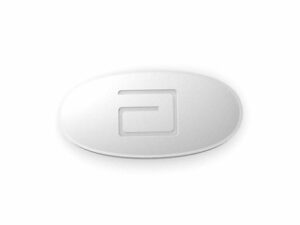
Zetia (Ezetimibe) – Patient-Friendly Guide (UK)
Zetia is a cholesterol-lowering medicine containing ezetimibe. It is used to help reduce levels of LDL cholesterol (“bad” cholesterol) and, in some cases, other blood fats. This guide explains how Zetia works, how it is typically used in the United Kingdom, what to expect, and important safety information.
Important: Always read the leaflet supplied with your medicine and follow the advice of your healthcare professional. Medicines should not be started, stopped, or changed without appropriate guidance.
1. Basic product information
- Brand name: Zetia
- Generic name: Ezetimibe
- What it is: A tablet medicine
- Common strength: Typically 10 mg tablets (check your pack)
- Legal status in the UK: A prescription-only medicine is commonly supplied through NHS and private channels, depending on individual circumstances and local prescribing pathways.
Cholesterol medicines work best alongside lifestyle measures such as a heart-healthy diet, exercise, weight management, and stopping smoking (if applicable).
2. What Zetia is used for (indications)
Zetia is used in the UK to treat certain cholesterol disorders, most often as part of a broader cardiovascular risk-management plan. Your clinician may recommend ezetimibe when LDL cholesterol needs to be lowered, particularly if you:
- Need additional cholesterol lowering beyond lifestyle changes
- Have an intolerance to other cholesterol medicines (for example, some people cannot tolerate certain statins)
- Have a high inherited cholesterol risk (for example, familial hypercholesterolaemia)
- Have not reached cholesterol targets with lifestyle measures and/or other treatment
Typical situations in clinical practice include:
- Primary hypercholesterolaemia: High LDL cholesterol in adults and children (where appropriate by product guidance and local clinical practice)
- Mixed hyperlipidaemia: Higher LDL with other fats elevated
- Homozygous familial hypercholesterolaemia: A rare inherited form requiring specialist care
Note: Ezetimibe is often used alongside a statin (or sometimes as an alternative) to improve LDL lowering and overall cardiovascular risk reduction.
3. How Zetia works (mechanism of action)
Ezetimibe lowers blood cholesterol mainly by reducing the absorption of cholesterol in the small intestine.
- It targets a protein called NPC1L1 (Niemann–Pick C1–Like 1).
- By blocking this transporter, Zetia reduces the amount of cholesterol that enters the bloodstream from the digestive tract.
- As less cholesterol is absorbed, the body uses cholesterol stores more efficiently, which helps lower LDL cholesterol levels.
Combination benefit: When Zetia is used with a statin, the two medicines work in different ways—statins reduce cholesterol production in the liver, while ezetimibe reduces cholesterol absorption in the gut. This complementary approach often improves LDL cholesterol lowering.
4. Pharmacokinetics (how the body handles it)
Pharmacokinetics describes what happens to the medicine after you take it.
- Absorption: Ezetimibe is absorbed from the gastrointestinal tract. It is then extensively converted in the intestine and liver to an active metabolite.
- Active component: The main active substance is the ezetimibe-glucuronide metabolite.
- Peak levels: Peak concentrations of ezetimibe and its metabolite occur within a few hours after dosing (time may vary by individual).
- Distribution: Ezetimibe and its active form circulate in the blood and are distributed throughout the body.
- Elimination: The medicine is mainly eliminated via the bile into the faeces, with only a smaller fraction in urine.
- Half-life: The effective half-life supports once-daily dosing for most patients.
In general, people with liver or bile-flow problems may need special caution. If you have liver disease, discuss this with your clinician before starting.
5. Typical use in the UK
Zetia is commonly used as:
- Add-on therapy to a statin when LDL cholesterol reduction is not sufficient on the statin alone.
- Monotherapy in people who cannot take a statin, or in selected circumstances where additional LDL lowering is needed.
- Part of combination regimens in specialist care for inherited or complex lipid disorders.
Monitoring: Your healthcare team may check cholesterol levels (and sometimes liver blood tests) to ensure the medicine is working and is safe for you.
6. How to take Zetia (timing and dosing)
Standard adult dosing (typical)
- Most commonly: 10 mg once daily.
Always follow the exact dose on your pack or prescription instructions.
Timing (morning vs evening)
Zetia can usually be taken at any time of day. Choose a time that helps you remember, and take it consistently. If you are taking other cholesterol-lowering medicines, your healthcare professional may advise on how to schedule them.
Can it be taken with food?
- Zetia can generally be taken with or without food.
If you miss a dose
- Take it when you remember.
- If it is close to your next dose, skip the missed dose.
- Do not take a double dose to make up for the missed tablet.
Practical tips to make it easier
- Use a daily pill reminder or smartphone alarm.
- Store tablets in a visible place (away from heat and moisture).
- Keep taking Zetia even if you feel well—cholesterol control helps prevent long-term complications.
- Attend follow-up blood tests if recommended.
7. Food interactions and what to watch
Food effects: Zetia can usually be taken with or without food, and routine meal timing typically does not require changes.
Bile acid sequestrants (special case): If you also take a bile acid–binding resin (sometimes prescribed for cholesterol), it may affect how well ezetimibe is absorbed. In such cases, clinicians often separate doses by several hours. Ask your pharmacist for guidance specific to your other medicines.
Grapefruit: No specific grapefruit restrictions are usually required for ezetimibe, but it’s always sensible to check with a pharmacist if you take additional medicines.
8. Alcohol and medicine interactions
Alcohol
Moderate alcohol use may be compatible for many people, but alcohol can affect liver health. Because lipid medicines may be monitored with liver blood tests, caution is advised if you have liver disease, heavy alcohol intake, or abnormal liver results.
- If you drink alcohol, consider keeping it within UK “low-risk” guidelines and discuss your situation with your clinician.
- Seek advice promptly if you develop symptoms such as yellowing of the skin/eyes, dark urine, severe fatigue, or right-sided upper abdominal pain.
Interactions with other medicines
Zetia has fewer common interactions than some other cholesterol-lowering medicines, but important interactions can still occur.
Tell your healthcare team about all medicines you take**, including:
- Statins (common combination)
- Cholestyramine or other bile acid sequestrants
- Blood-thinning medicines (for example, warfarin) — monitoring may be needed
- Other cholesterol-lowering therapies
- Immunosuppressants or certain other medicines (check with your pharmacist if unsure)
- Herbal products and supplements (including red yeast rice, St John’s wort, and others)
Warfarin and similar anticoagulants: When ezetimibe is used with warfarin, blood clotting may be affected in some patients. If you take warfarin, you may need closer INR monitoring after starting or changing therapy.
Fibrates: Combination therapy with fibrates (such as fenofibrate or gemfibrozil) may increase the risk of gallbladder-related problems in some people. Your clinician will weigh benefits and risks if a combination is considered.
If you’re unsure: It’s best to check each medicine individually with a pharmacist, especially if you’re taking multiple long-term drugs.
9. Safety profile and possible side effects
Like all medicines, Zetia can cause side effects. Many people experience none or only mild effects. Side effects can vary, particularly depending on whether Zetia is taken alone or with a statin.
Common side effects
- Headache
- Diarrhoea or loose stools
- Abdominal pain or discomfort
- Fatigue
- In some people, muscle aches can occur, especially when combined with a statin
Serious side effects (seek urgent medical advice)
Get medical help urgently if you develop symptoms suggesting a serious reaction or liver/gallbladder problem:
- Signs of liver problems: yellow skin/eyes, dark urine, unusual tiredness, severe abdominal pain, persistent nausea/vomiting
- Gallbladder issues: sudden or severe right upper abdominal pain (especially with fever or vomiting)
- Allergic reaction: swelling of face/lips, trouble breathing, widespread rash, severe itching
- Severe muscle symptoms (particularly if paired with a statin): muscle pain, weakness, or dark urine
When you should contact your clinician promptly
- If you have persistent stomach symptoms
- If you experience muscle pain that does not improve
- If you develop symptoms of gallstones or infection
- If you have abnormal results on liver blood tests
Who needs extra caution?
- People with liver disease or previous abnormal liver tests
- Those taking multiple lipid-lowering medicines (for example, ezetimibe + statin, or ezetimibe + fibrate)
- People with a history of gallbladder disease
- Older adults may require closer monitoring depending on overall health and medicines
10. Practical use tips (getting the best results)
Cholesterol medicines work slowly and consistently. To maximise benefit:
- Keep taking Zetia daily even when you feel well.
- Combine with lifestyle steps:
- Choose more fibre-rich foods (e.g., oats, beans, fruits, vegetables).
- Limit saturated fats and trans fats.
- Include healthy fats where advised (e.g., unsaturated fats).
- Exercise regularly (aiming for the level recommended for your health).
- Stop smoking and limit alcohol where appropriate.
- Know what you’re targeting: LDL reduction is often used to estimate cardiovascular risk reduction.
- Follow monitoring plans: Blood tests may be scheduled after starting or changing doses.
- Check medicine timing: If you take a bile acid sequestrant or multiple cholesterol medicines, ask your pharmacist to confirm a schedule.
Important reminder: If you also take a statin, report any new muscle symptoms promptly. Although ezetimibe itself is not a statin, combining medicines may change the pattern of side effects.
11. Alternative options (other ways to lower cholesterol)
Depending on your lipid profile, cardiovascular risk, and past treatment history, alternatives may include:
Common options in the UK
- Statins (e.g., atorvastatin, rosuvastatin, simvastatin): reduce cholesterol production.
- Other cholesterol absorption inhibitors (ezetimibe is the main one commonly used).
- Bile acid sequestrants (for some patients): bind bile acids in the gut.
- Fibrates (mainly for triglycerides): such as fenofibrate.
- Omega-3 fatty acids (selected cases for triglycerides; formulation varies).
- Newer lipid-lowering medicines used in specialist pathways for very high risk or specific genetic conditions:
- PCSK9 inhibitors (injections)
- Inclisiran (where available and appropriate)
- Bempedoic acid in selected populations where indicated
Which is best? The right choice depends on your cholesterol levels, other health conditions, how you respond to treatment, and your risk of cardiovascular events. A clinician can help tailor therapy.
12. Market and legal context for the UK
In the UK, lipid management is guided by national recommendations and local prescribing practices. Medicines are supplied through regulated routes, including NHS prescribing and licensed private services.
Key UK principles include:
- Individualised risk assessment: treatment choice and intensity often depends on overall cardiovascular risk rather than LDL alone.
- Stepwise approach: lifestyle measures are combined with medicines when appropriate.
- Monitoring: blood tests and clinical reviews help confirm effectiveness and safety.
As with many medicines in the UK, availability, prescribing thresholds, and which combinations are preferred can vary by local health boards and specialist services.
13. Recent guidance and best-practice updates (overview)
Over recent years, UK cardiovascular guidance has emphasised:
- More consistent LDL monitoring and targets based on risk
- Using combination therapy when single-agent treatment does not achieve sufficient LDL reduction
- Improving adherence and addressing lifestyle factors alongside medication
- Careful safety monitoring—especially when combining lipid-lowering therapies
What this means for patients: Zetia is often used when clinicians need extra LDL-lowering effect, especially if statin alone is not enough or is not tolerated. Your healthcare professional may adjust the plan based on your follow-up cholesterol measurements and any side effects.
14. Delivery and availability (UK online pharmacy)
Many online pharmacies in the UK supply medicines through regulated distribution channels. Availability can vary by local stock levels and pharmacy partners. Delivery times commonly depend on:
- Whether the medicine is in stock
- Your location within the UK
- Order processing times
- Courier schedules
Packaging and storage:
- Keep tablets in their original packaging.
- Store at controlled room temperature, away from excess heat and moisture.
- Keep out of sight and reach of children.
If you have specific delivery needs (e.g., urgent travel or accessibility requirements), check the pharmacy’s delivery options at checkout.
15. FAQ (Frequently asked questions)
Is Zetia the same as ezetimibe?
Yes. Zetia is the brand name, and ezetimibe is the generic medicine substance.
How quickly will my cholesterol improve?
Cholesterol changes can be seen within weeks, but the timing of noticeable improvement varies by individual. Follow-up blood tests usually help confirm the effect and guide ongoing therapy.
Can I stop Zetia once my cholesterol is better?
Cholesterol levels typically rise again if treatment is stopped. Zetia is usually used long term as part of cardiovascular risk reduction. Do not stop without discussing it with your clinician.
Do I need blood tests while taking Zetia?
Many people do not need frequent testing when taking ezetimibe alone, but your clinician may monitor cholesterol regularly. If Zetia is used with other medicines (especially statins), liver-related blood tests may be considered as part of routine safety checks.
Can Zetia be taken with statins?
Yes. Zetia is commonly prescribed alongside statins for additional LDL lowering. Combination therapy can increase the importance of monitoring for side effects, particularly muscle symptoms.
What should I do if I get diarrhoea or stomach discomfort?
Mild stomach symptoms may settle on their own. If symptoms persist, are severe, or you have signs of dehydration, contact your healthcare professional. Tell them you are taking ezetimibe.
Does Zetia affect driving or operating machinery?
Zetia is not typically associated with dizziness or impaired driving. If you feel unwell or experience side effects such as headache or fatigue, use caution.
Can I take Zetia during pregnancy or while breastfeeding?
Safety in pregnancy and breastfeeding depends on the individual situation and available evidence. Discuss your circumstances with a healthcare professional for personalised advice.
Are there foods I must avoid?
In general, you can take Zetia with or without food. If you are using specific cholesterol-binding resins (bile acid sequestrants), your pharmacist may suggest separating doses from these products.
Can I drink alcohol while taking Zetia?
Many people can drink alcohol in moderation, but caution is sensible—especially if you have liver disease or abnormal liver tests. If you’re unsure, ask your clinician or pharmacist.
What are the most important warning signs?
Seek urgent advice if you experience signs of allergic reaction, severe or persistent abdominal pain (especially right upper abdominal pain), yellowing of the skin/eyes, dark urine, or severe muscle pain/weakness—particularly when combined with statins.
Summary
Zetia (ezetimibe) is a cholesterol absorption inhibitor that helps lower LDL cholesterol by blocking intestinal cholesterol uptake. It is commonly used as add-on therapy to statins or in selected patients who need an alternative approach. Zetia is usually taken once daily and can be taken with or without food. Like all medicines, it can cause side effects, so it’s important to know what to watch for and to follow monitoring advice from your healthcare team.
If you have questions about your treatment, other medicines, or whether ezetimibe is suitable for you, speak to a qualified healthcare professional or pharmacist.