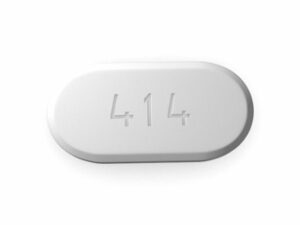
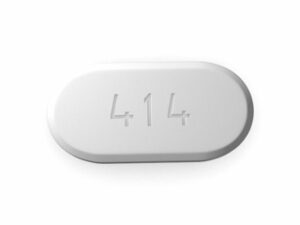

Fenofibrate (e.g., capsule or tablet) — Patient Guide (UK)
Fenofibrate is a medicine used to improve certain abnormal blood fat levels, particularly high triglycerides and low HDL (“good” cholesterol). In the UK, it is commonly used for people with mixed dyslipidaemia or hypertriglyceridaemia, often alongside lifestyle changes such as diet, exercise, and weight management.
This page explains how fenofibrate works, how it’s taken, what to expect, and key safety information. If you have any concerns, speak to a healthcare professional.
Basic product information
- Active ingredient: Fenofibrate
- Medicinal form: Capsules or tablets (varies by brand)
- Typical role: Lipid-lowering medicine (fibrate class)
- Common UK brand examples: Varies by manufacturer and supply; ask your pharmacist for the exact product you’re receiving.
- Who it is for: People with specific lipid abnormalities, usually after blood tests.
Note: Different formulations (including “modified release” versions) may have different dosing schedules. Always follow the instructions provided with your specific product.
How fenofibrate works (mechanism of action)
Fenofibrate belongs to the fibrate group. It mainly works by activating a receptor called PPAR-α (peroxisome proliferator-activated receptor alpha). This activation influences several processes involved in lipid metabolism:
- Increases breakdown of triglycerides by enhancing the activity of enzymes involved in fat metabolism.
- Reduces blood triglycerides (VLDL and other triglyceride-rich particles).
- May raise HDL cholesterol modestly.
- May reduce LDL cholesterol in some patients, especially where triglycerides are high.
In addition to improving numbers on blood tests, controlling very high triglycerides is important because it can reduce the risk of pancreatitis (a potentially serious inflammation of the pancreas).
Pharmacokinetics (what the body does to fenofibrate)
“Pharmacokinetics” describes how the medicine is absorbed, distributed, metabolised, and eliminated.
- Absorption: Fenofibrate is absorbed from the gut. Absorption and the way levels rise can be influenced by food, particularly with some formulations.
- Conversion/metabolism: Fenofibrate is metabolised mainly to its active form(s). The clinically relevant effect is largely associated with these metabolites.
- Distribution: The medicine and its metabolites circulate in the bloodstream and bind to blood components to varying degrees.
- Elimination: Metabolites are cleared primarily via the kidneys. People with reduced kidney function may have higher exposure and may require dose adjustments.
Practical takeaway: Because fenofibrate clearance is affected by kidney function, regular blood tests may be used to monitor safety and effectiveness.
What fenofibrate is used for (indications)
Fenofibrate is prescribed for:
- High triglycerides (hypertriglyceridaemia), particularly when triglycerides are high enough to raise concern for pancreatitis.
- Mixed dyslipidaemia (for example, where both triglycerides and LDL cholesterol are abnormal).
- Low HDL cholesterol in the context of broader lipid abnormalities (varies by clinical plan).
It is typically used when diet and lifestyle measures alone are not sufficient, and based on your overall cardiovascular risk and blood test results.
When and how to take fenofibrate (timing and routine)
How you should take fenofibrate depends on your exact product (tablet/capsule strength and formulation). However, there are common practical recommendations:
- Follow your product label for the exact dose and frequency.
- Take at the same time each day to help maintain steady blood levels.
- With food: Many fenofibrate products are advised to be taken with meals because food can improve absorption for certain formulations.
- If you miss a dose: Take it when you remember unless it’s close to the next dose. Do not take a double dose to make up for a missed one.
Tip: Set a daily reminder and link taking your medicine to a regular meal (for example, breakfast or dinner) to help you stay consistent.
Food interactions
Food can affect fenofibrate absorption. For many formulations, taking fenofibrate with food is recommended to support reliable uptake.
- Take with a meal if your instructions say to do so.
- If your medicine leaflet states “with food” or provides timing advice, follow that specifically, as different brands/formulations can differ.
General diet advice while on fenofibrate: Continue to follow dietary guidance aimed at lowering fats and sugar (particularly refined carbohydrates) and reducing alcohol if advised, as these can influence triglyceride levels.
Alcohol and medicine interactions
Fenofibrate affects triglyceride metabolism, and alcohol can raise triglycerides in some people. For this reason:
- Avoid or limit alcohol, especially if you have high triglycerides.
- If you have a history of pancreatitis, diabetes, or very high triglycerides, speak to a healthcare professional for personalised guidance.
Other medicine interactions: Several medicines can interact with fenofibrate, increasing risk of side effects or altering effectiveness. Key interaction categories include:
- Statins (e.g., atorvastatin, simvastatin, rosuvastatin): The combination may be used in selected patients, but it can increase risk of muscle-related side effects. Monitoring may be required.
- Anticoagulants (e.g., warfarin): Fenofibrate may increase the effect of warfarin, so INR monitoring may be needed.
- Immunosuppressants and some transplant medicines: Interactions can occur; clinicians typically consider benefits and risks carefully.
- Other lipid-lowering agents: Combining therapies can increase the need for monitoring and may require dose adjustments.
- Kidney-affecting medicines: Since fenofibrate is cleared by the kidneys, medicines that affect kidney function may matter for safety.
Always check: Tell your pharmacist or doctor about all medicines you take, including over-the-counter products and herbal remedies.
Dosing (typical adult dosing in the UK)
Dosing should be individualised based on your blood test results, kidney function, and the specific brand/formulation you have.
Common general patterns:
- Adults: Fenofibrate is often taken , but exact dose strength and frequency depend on the formulation.
- Renal impairment: Dose may be reduced or avoided in significant kidney impairment. Your clinician will advise based on blood tests (e.g., creatinine/eGFR).
Children and adolescents: Use in younger age groups depends on indication and local clinical practice. If this applies to you, seek specific advice.
Important: Do not change your dose without medical guidance, and do not switch between brands without checking the leaflet or speaking to your pharmacist.
Safety profile and side effects
Like all medicines, fenofibrate can cause side effects. Many people tolerate it well, but some effects require prompt attention.
Common or mild side effects
- Stomach or digestive symptoms (e.g., nausea, abdominal discomfort)
- Mild changes in liver blood tests
- Headache or dizziness (less commonly)
Serious side effects — seek urgent medical advice if needed
Contact a healthcare professional urgently if you experience:
- Signs of muscle problems: unexplained muscle pain, tenderness, weakness, or dark urine (especially if severe or persistent).
- Signs of liver problems: yellowing of the skin/eyes (jaundice), severe fatigue, dark urine, or persistent upper abdominal pain.
- Symptoms suggestive of pancreatitis: severe abdominal pain (often upper abdomen), nausea/vomiting, and feeling very unwell.
- Allergic reaction: swelling of face/lips, rash, wheezing, or trouble breathing.
Monitoring
Clinicians may monitor:
- Lipid levels (cholesterol and triglycerides)
- Liver function tests
- Kidney function
- Muscle-related concerns if symptoms occur, and sometimes blood markers in higher-risk situations
Practical note: If you develop symptoms that could indicate muscle or liver injury, do not “wait it out”—seek advice promptly.
Practical use tips (to get the best results safely)
- Keep your lifestyle plan consistent: Fenofibrate works best alongside diet changes to reduce triglyceride-driving factors (especially excess sugar and alcohol).
- Attend blood test check-ups: Monitoring supports both safety and treatment effectiveness.
- Know your red flags: Muscle pain/weakness with dark urine, yellowing of eyes/skin, or severe abdominal pain need prompt attention.
- Use reminders: Taking it with food and at the same time every day helps absorption and adherence.
- Review interactions regularly: If your other medicines change (for example, a new statin or anticoagulant), ask your pharmacist.
- Avoid unnecessary duplication: Check with your pharmacist if you’re taking multiple lipid products to prevent overlap.
Alternative options (if fenofibrate isn’t suitable)
Depending on your lipid profile and medical history, clinicians may consider other options, including:
- Statins (e.g., atorvastatin, rosuvastatin): primarily lower LDL cholesterol and reduce cardiovascular risk.
- Omega-3 fatty acids (prescription or high-dose preparations in some cases): can lower triglycerides.
- Ezetimibe: lowers LDL cholesterol by reducing intestinal cholesterol absorption.
- Other triglyceride-lowering strategies: intensive dietary changes, weight reduction, improved glycaemic control in diabetes, and reduction of alcohol.
- For selected cases: specialist therapies or combination regimens may be used with careful monitoring.
Key point: The best alternative depends on the reason fenofibrate was chosen (triglycerides vs overall cardiovascular risk) and on your kidney and liver function.
UK market and legal context (what this means for patients)
In the United Kingdom, medicines are regulated by the Medicines and Healthcare products Regulatory Agency (MHRA), and their use is supported by national guidance and prescribing frameworks. Lipid-lowering therapy is typically guided by cardiovascular risk assessment and lipid blood test results.
Fenofibrate products may be:
- Available through pharmacies and online pharmacy services that comply with UK regulations.
- Supplied according to UK medicine classification and clinician oversight where required.
Quality and safety: When choosing an online pharmacy, ensure it is legitimate and follows UK requirements for supply, patient information, and handling of medicines.
Recent guidance and clinical considerations (UK)
Guidelines for lipid management in the UK commonly emphasise:
- Assessing cardiovascular risk and using lipid targets or treatment priorities based on overall risk.
- Lifestyle changes as a foundational part of treatment.
- Monitoring safety when using lipid-lowering medicines, particularly combinations that can increase side effect risk (such as certain statin–fibrate combinations).
- Addressing secondary causes of high triglycerides, including diabetes control, alcohol intake, certain medications, and thyroid disorders.
Clinical practice also focuses on appropriate patient selection, dose adjustment with kidney impairment, and monitoring for liver and muscle safety.
Delivery and availability (UK online pharmacy)
Availability can vary by brand, strength, and local stock. When ordering online from a UK-compliant pharmacy, you can typically expect:
- Standard delivery options (timings vary by provider and location).
- Packaging that protects tablets/capsules from moisture and damage.
- Tracking for certain deliveries (depending on the service).
- Stock updates if a product is temporarily unavailable.
Tip: If you need a particular strength or modified-release formulation, order the exact product you have been advised to take to avoid unintended changes in dosing behaviour.
FAQ about fenofibrate
1) What is fenofibrate used for?
Fenofibrate is used to treat abnormal blood fats, especially high triglycerides, and may help in mixed dyslipidaemia. It can reduce the risk of complications associated with very high triglycerides.
2) How long does it take to work?
Triglyceride-lowering effects can begin within days, but measurable improvements are typically assessed with follow-up blood tests after a period determined by your clinician (often within a few weeks). Full benefit may take longer, depending on diet and adherence.
3) Should I take fenofibrate with food?
Many fenofibrate products are recommended to be taken with meals to support absorption. Follow your specific product’s instructions.
4) Can I drink alcohol while taking fenofibrate?
It’s generally advisable to limit or avoid alcohol, particularly if your triglycerides are high. Alcohol can raise triglyceride levels in some people.
5) What medicines should I avoid or be careful with?
Tell your pharmacist or doctor about all medicines you take. Particular caution may be needed if you’re using:
- Statins (muscle risk considerations)
- Warfarin or other anticoagulants (possible INR changes)
- Other lipid-lowering medicines
- Medicines that affect kidney function
6) What should I do if I miss a dose?
Take it when you remember unless it’s close to your next dose. Do not take a double dose. If you’re unsure, ask your pharmacist for advice based on your schedule.
7) Are there any symptoms that mean I should stop and get help?
Seek medical help promptly if you experience:
- Unexplained muscle pain/weakness with dark urine
- Jaundice or severe ongoing stomach pain
- Severe abdominal pain with vomiting (possible pancreatitis)
- Signs of an allergic reaction
8) Can I take fenofibrate if I have kidney problems?
Fenofibrate is cleared by the kidneys. If you have kidney impairment, your clinician may adjust the dose or choose an alternative. Do not self-adjust—confirm with your healthcare professional.
9) Will fenofibrate lower my cholesterol?
It primarily lowers triglycerides. It may also lower LDL cholesterol to some extent, but if your main problem is high LDL, a statin is often the first-line option depending on your risk profile.
10) Is fenofibrate suitable for everyone?
No. Suitability depends on your diagnosis (lipid pattern), other medical conditions (especially kidney/liver disease), your current medications, and your personal risk factors.
Summary table (at-a-glance)
| Topic | What to know |
|---|---|
| Main use | High triglycerides and related lipid abnormalities |
| How it works | Activates PPAR-α to improve triglyceride metabolism; may raise HDL |
| Typical timing | Often once daily; many products are taken with meals |
| Food effects | Food can improve absorption for many formulations |
| Alcohol | Can raise triglycerides; limit/avoid if advised, especially with high TG |
| Key interactions | Statins, warfarin/anticoagulants, other lipid medicines, medicines affecting kidneys |
| Monitoring | Lipids, liver function, kidney function; seek help for muscle/liver warning signs |
| When to get urgent help | Severe muscle symptoms, jaundice, severe abdominal pain (possible pancreatitis), allergic reactions |
Always read the patient information leaflet included with your specific fenofibrate product and follow the instructions from your healthcare professional. If you are unsure about how to take your medicine or whether it fits your situation, contact a pharmacist for guidance.