Atorvastatin: Patient-Friendly Guide (UK)
Atorvastatin is a widely used medicine for lowering cholesterol and reducing the risk of heart and blood vessel problems. This guide explains how it works, how it’s taken, key safety information, and practical advice for everyday use in the United Kingdom.
Quick overview
| Topic | Summary |
|---|---|
| Medicine name | Atorvastatin |
| What it’s for | Helps lower LDL (“bad”) cholesterol and triglycerides; raises HDL (“good”) cholesterol modestly |
| How it works | Reduces cholesterol production in the liver by blocking HMG‑CoA reductase |
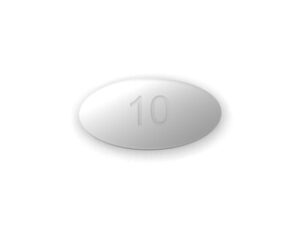
| Common strengths | Typically 10 mg, 20 mg, 40 mg, 80 mg tablets (strengths vary by product) |
| When to take | Once daily. Any time of day is usually acceptable; follow your prescriber/pharmacist advice |
| Food | Food has minimal impact on the overall effect; keep consistent with your routine |
| Alcohol | Use caution, especially if you have liver problems or drink heavily |
| Monitoring | Blood tests may be needed (e.g., lipids; sometimes liver enzymes) |
What is Atorvastatin?
Atorvastatin is a medicine from the statin group. Statins lower the amount of cholesterol made by the liver. They are used to treat high cholesterol and to help prevent serious cardiovascular events such as heart attack and stroke, especially in people at higher risk.
In the UK, atorvastatin is commonly prescribed for:
- High cholesterol levels (including LDL cholesterol)
- Secondary prevention after cardiovascular events
- Primary prevention in people with increased cardiovascular risk
How Atorvastatin works (mechanism of action)
Atorvastatin blocks an enzyme called HMG‑CoA reductase, which plays a key role in cholesterol production inside the liver. This leads to:
- Lower LDL (“bad”) cholesterol
- Lower triglycerides in many people
- Modest increases in HDL (“good”) cholesterol
- Stabilisation of plaque in blood vessels, which may help reduce the chance of rupture and clot formation
The benefit of statins is not only related to cholesterol numbers; reducing risk is also tied to effects on the blood vessel wall and inflammation.
Pharmacokinetics: how your body handles it
Pharmacokinetics describes what the body does to a medicine (absorption, distribution, metabolism, and excretion). Atorvastatin is designed for once-daily use, and it is metabolised mainly in the liver.
Absorption
After a tablet is taken by mouth, atorvastatin is absorbed from the gut. Peak effects occur after a period of time, and consistent daily dosing helps maintain steady action.
Distribution
The medicine is largely protein-bound in the bloodstream and reaches the liver where it exerts its main cholesterol-lowering effect.
Metabolism
Atorvastatin is mainly processed by liver enzymes, especially CYP3A4. This is why some medicines (and certain foods) that affect CYP3A4 can raise atorvastatin levels and increase side-effect risk.
Elimination
Atorvastatin metabolites are removed mainly through the bile and gut. The overall effect lasts long enough for most people to take it once daily.
Typical uses in the UK
Atorvastatin may be used in different clinical situations. Common indications include:
Raised cholesterol (primary lipid disorders)
- Primary hypercholesterolaemia (including heterozygous familial hypercholesterolaemia)
- Mixed dyslipidaemia (high LDL and triglycerides)
- Homozygous familial hypercholesterolaemia (as part of a broader treatment plan)
Prevention of cardiovascular events
- Secondary prevention (for people who have had cardiovascular disease such as previous heart attack, stroke, or established arterial disease)
- Primary prevention (for people without prior cardiovascular disease but with higher overall risk based on factors such as age, diabetes, smoking, blood pressure, and cholesterol)
Indications: who should consider it?
Whether atorvastatin is appropriate depends on your individual risk profile and cholesterol results. In the UK, decisions are often guided by national and local frameworks, plus shared decision-making.
Your clinician may consider atorvastatin if you have:
- High LDL cholesterol that does not respond sufficiently to lifestyle changes
- Diabetes or chronic kidney disease with elevated cardiovascular risk
- A history of cardiovascular events
- A family history of early cardiovascular disease
Dosing: how much and how often
Dosing varies by the condition being treated, your cholesterol levels, and your cardiovascular risk. Always follow the dose given for you.
Typical dosing pattern
- Once daily (usually any time of day)
- Starting doses commonly range from 10 mg to 20 mg depending on risk
- Doses may be increased to 40 mg or 80 mg if needed to reach cholesterol targets
Adjustments and titration
Many people have a cholesterol test after starting (or after dose changes) to check response and adjust treatment if required. Dose changes should be done under clinical guidance.
Missed dose
- If you miss a dose, take it when you remember on the same day.
- If it’s nearly time for the next dose, skip the missed dose and continue as normal.
- Do not take a double dose to make up for a missed tablet.
Timing: when to take Atorvastatin
Atorvastatin can usually be taken at any time of day, with once-daily dosing. To help adherence, many people take it at the same time every day—often in the evening or morning—depending on what fits best with their routine.
If you are also taking other medicines in the cholesterol-lowering group (for example, bile acid sequestrants), your pharmacist may advise spacing them out because of possible effects on absorption.
Food interactions
Most foods do not significantly change atorvastatin’s overall cholesterol-lowering effect. However, there are important exceptions.
Grapefruit and grapefruit juice
Avoid grapefruit or grapefruit juice while taking atorvastatin, unless your prescriber/pharmacist has specifically said it’s acceptable. Grapefruit can affect metabolism (CYP3A4 inhibition), increasing atorvastatin levels and the risk of muscle-related side effects.
General advice
- Maintain a balanced diet consistent with cholesterol-lowering recommendations.
- Keep your meal timing consistent if you notice stomach upset—side effects vary by person.
- If you follow a very high-grapefruit or “juice” routine, discuss this before continuing.
Alcohol: interaction and safety considerations
Alcohol does not have the same direct drug-drug effect as grapefruit, but it can affect the liver. Because statins may affect liver enzymes in some people, caution is advised.
Practical recommendations
- If you drink heavily or have a history of liver disease, discuss alcohol use with a healthcare professional.
- If you develop symptoms such as unusual tiredness, dark urine, yellowing of the skin/eyes, or persistent nausea, seek medical advice promptly.
- If you are advised to limit alcohol for medical reasons, follow that guidance strictly while taking atorvastatin.
Medicine interactions: what to watch for
Because atorvastatin is metabolised by liver enzymes (notably CYP3A4), certain medicines can increase atorvastatin levels. This can raise the risk of muscle injury and other side effects.
Examples of interactions
The lists below highlight common categories; your pharmacist can check your exact combination using your medicines list.
- Some antibiotics/antifungals (e.g., certain macrolides such as clarithromycin; azole antifungals such as itraconazole)
- HIV medicines (some protease inhibitors and other agents may interact)
- Other cholesterol medicines (especially when combined with statins—your clinician may adjust dose or monitor closely)
- Cyclosporine (used after organ transplantation)
- Some heart rhythm medicines or drugs that affect CYP3A4 or transport proteins
- St John’s wort (can reduce statin effectiveness; avoid unless advised)
Muscle-risk considerations
The combination of atorvastatin with certain interacting medicines may increase the chance of muscle side effects. If you start a new medicine, especially antibiotics or antifungals, ask your pharmacist whether it affects atorvastatin.
Safety profile: side effects and when to seek help
Most people tolerate atorvastatin well, and serious side effects are uncommon. However, it’s important to know what to watch for.
Common or mild side effects
- Headache
- Stomach discomfort, constipation or diarrhoea
- Nausea
- Muscle aches or mild tenderness (not always a sign of harm, but should be monitored)
Serious but less common side effects
- Muscle problems (e.g., severe muscle pain, weakness, or cramps—particularly if accompanied by fever or feeling unwell)
- Liver problems (symptoms such as yellowing of the skin/eyes, dark urine, severe fatigue)
- Allergic reactions (swelling of face/lips, difficulty breathing, widespread rash)
Seek urgent medical advice if
- You have severe or persistent muscle pain or noticeable weakness
- Your urine becomes unusually dark and you feel unwell
- You develop signs of liver injury (yellow skin/eyes, severe nausea, dark urine)
Don’t stop atorvastatin on your own due to mild symptoms—contact a clinician or pharmacist for advice. They may check blood tests and review medicines that could be interacting.
Practical use tips (UK-friendly)
- Take it at the same time daily to build a routine (e.g., breakfast or bedtime).
- Keep a medicines list including over-the-counter products, vitamins, and herbal remedies.
- Avoid grapefruit and grapefruit juice.
- Report new medicines early—especially antibiotics/antifungals and certain heart or HIV medicines.
- Be aware of muscle symptoms. If you notice new aches after starting or increasing the dose, tell your pharmacist or clinician.
- Follow blood test schedules. Lipid checks help confirm effectiveness and guide dose decisions.
- Support with lifestyle: a heart-healthy diet, regular exercise, weight management where appropriate, stopping smoking, and controlling blood pressure and diabetes.
Alternative options to Atorvastatin
If atorvastatin isn’t suitable (for example, due to side effects, interactions, or insufficient cholesterol reduction), clinicians may consider other statins or non-statin approaches.
Other statins
- Simvastatin
- Rosuvastatin
- Pravastatin
- Fluvastatin
- Pitavastatin (where available)
Non-statin cholesterol-lowering options
- Ezetimibe (reduces cholesterol absorption in the gut)
- PCSK9 inhibitors (injections for certain higher-risk patients)
- Bempedoic acid (depending on eligibility and local prescribing)
- Fibrates (may be used in selected cases, particularly with high triglycerides)
- Omega‑3 fatty acids (sometimes used for triglycerides, depending on the product and guidance)
The best alternative depends on your cholesterol pattern, overall risk, existing conditions, and medication history.
Market and legal context in the United Kingdom
In the UK, atorvastatin is an established medicine used across primary and secondary care. It is widely available and subject to UK medicines regulations, including quality standards for supply and appropriate safety information.
Prescribing and supply practices in the UK are shaped by:
- National clinical guidance for lipid management and cardiovascular risk reduction
- Local formularies used by NHS services
- Safety monitoring for interactions and muscle/liver symptoms
- Medicines optimisation principles encouraging appropriate choice and review
Availability can vary by brand and strength, and may be influenced by supply chain issues from time to time.
Recent guidance and updates (high-level)
Guidance on cholesterol management in the UK continues to emphasise:
- Risk-based prevention (choosing treatment intensity based on cardiovascular risk)
- Shared decision-making about benefits and side effects
- Ensuring adherence and revisiting lifestyle measures
- Monitoring for safety when medicines interact or if muscle/liver symptoms occur
- Optimising treatment if targets are not met—often by adjusting the statin dose or adding another therapy where appropriate
Because recommendations evolve, always rely on advice from your healthcare team for the most current plan for you.
Delivery and availability (UK)
Atorvastatin is commonly stocked in the UK due to its widespread use. Online pharmacy availability may vary by strength and pack size, but dispatch is often quick once ordered.
- Availability: Usually good for common strengths; occasional variations may occur.
- Delivery: Delivery times depend on the courier and the chosen service.
- Packaging: Medicines are supplied in appropriate pharmacy packaging with patient information.
- Stock updates: Many pharmacies will show estimated delivery windows at checkout.
If you need a specific strength (e.g., 10 mg vs 80 mg), check stock status before ordering.
FAQ
1) Can I take atorvastatin with or without food?
Yes. Atorvastatin can generally be taken with or without food. Try to take it the same way each day to keep things simple. If it upsets your stomach, taking it with a meal may help some people.
2) What time of day is best?
Most people can take atorvastatin once daily at any time. Choose a time you can stick to. If your clinician advised a specific schedule, follow that.
3) Should I avoid grapefruit?
Yes. Avoid grapefruit and grapefruit juice unless your healthcare professional has said it is safe for you. Grapefruit can raise atorvastatin levels and increase the risk of side effects.
4) What if I miss a dose?
Take it when you remember if it’s still on the same day. If it’s close to the next dose, skip the missed tablet and continue as normal. Don’t take a double dose.
5) Does atorvastatin cause weight gain?
Weight gain is not a typical direct effect of atorvastatin. If you notice changes in weight, consider diet, activity, other medicines, thyroid issues, and overall health. Discuss concerns with a clinician.
6) Are muscle aches normal?
Mild aches can occur. However, severe pain, weakness, or symptoms that feel unusual—especially if you also feel unwell—should be discussed promptly with a healthcare professional.
7) Can I drink alcohol while taking atorvastatin?
You should use caution. If you drink heavily or have liver problems, speak to your clinician. Mild, moderate drinking may be acceptable for some people, but your personal risk profile matters.
8) What medicines should I check for interactions?
Tell your pharmacist about all medicines, including antibiotics, antifungals, HIV medicines, heart medicines, anticoagulants/antiplatelets, and herbal products such as St John’s wort. They can advise whether you need monitoring or dose adjustments.
9) How long does it take to work?
Many people see cholesterol improvements within a few weeks. Follow-up blood tests are usually arranged to assess response and guide whether the dose needs adjustment.
10) What if I stop taking atorvastatin?
Stopping atorvastatin can allow cholesterol to rise again and may reduce cardiovascular protection. If you’re thinking of stopping because of side effects or other concerns, discuss it with a healthcare professional first.
Important reminders
- Atorvastatin is intended to be taken consistently as part of a heart-healthy plan.
- Report muscle pain/weakness, symptoms of liver problems, or signs of allergy promptly.
- Avoid grapefruit and grapefruit juice.
- Check interactions when starting any new medicine, supplement, or herbal product.
This information is designed to help you understand atorvastatin and use it safely. For advice tailored to your situation—especially if you have other medical conditions or take multiple medicines—speak to a pharmacist or clinician.