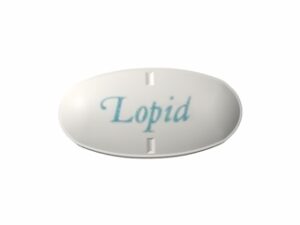
Gemfibrozil (for the management of high cholesterol and related conditions) — Patient Information (UK)
Gemfibrozil is a medicine used to improve blood lipid levels, particularly triglycerides, and to support cardiovascular risk reduction in specific situations. It belongs to a group of medicines known as fibrates.
This page explains how gemfibrozil works, how it is taken, what to expect, and important safety considerations. It is intended to be patient-friendly and UK-focused.
Basic product information
| Category | Details |
|---|---|
| Medicine name | Gemfibrozil |
| What it is used for | Lipid management, especially high triglycerides (and mixed dyslipidaemia in certain cases) |
| Medicine group | Fibrates |
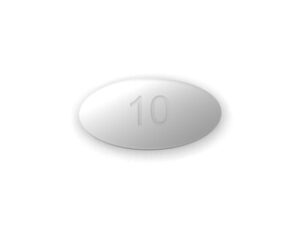
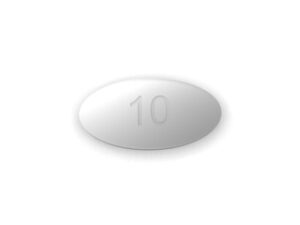
| Typical form | Oral tablets (strengths may vary by brand) |
| How it is taken | Usually by mouth, often twice daily before meals (exact schedule depends on your regimen) |
| Common side effects | Stomach upset, headache, rash, dizziness (varies by person) |
How gemfibrozil works (mechanism of action)
Gemfibrozil helps lower triglycerides and can improve some components of cholesterol. The exact effects vary from person to person, but the main actions include:
- Reducing triglyceride production in the liver, which lowers the amount of triglycerides released into the bloodstream.
- Increasing the breakdown of triglyceride-rich particles by influencing enzymes involved in lipid metabolism.
- Improving lipid profiles in certain patients, which may reduce the risk of complications linked to high triglycerides.
While gemfibrozil affects lipids, it is not a “quick fix”. Benefits typically develop over time as lipid levels adjust.
Pharmacokinetics: what the body does to gemfibrozil
“Pharmacokinetics” describes how gemfibrozil is absorbed, processed and eliminated. Understanding this can help you take it at the right time and recognise when effects may be felt.
- Absorption: Gemfibrozil is absorbed after oral dosing. Taking it as directed (often before meals) helps ensure consistent absorption.
- Onset: Lipid effects are gradual. The medicine’s impact on triglycerides builds over days to weeks.
- Distribution: It circulates in the bloodstream and works primarily on lipid metabolism pathways in the liver.
- Metabolism: Gemfibrozil is metabolised in the liver.
- Elimination: It is eliminated mainly via the kidneys and bile system. Dose adjustments may be needed for certain kidney conditions.
- Half-life (general concept): The medicine has a sustained action that supports a twice-daily dosing approach in many regimens.
If you have kidney or liver problems, it is especially important that your clinician monitors your response and safety.
Typical use in the UK
In UK practice, gemfibrozil is used for lipid management in selected patients, most commonly when:
- Triglycerides are high (hypertriglyceridaemia), particularly where lifestyle measures alone are insufficient.
- Risk management is needed due to lipid abnormalities, as part of an overall cardiovascular prevention plan.
- It may be considered in mixed dyslipidaemia in specific circumstances.
In many patients with raised cholesterol, other medicines such as statins may be preferred or combined depending on the overall risk profile. Gemfibrozil is usually chosen based on the lipid pattern and individual clinical factors.
Indications: when gemfibrozil is used
Gemfibrozil is indicated for the treatment of certain lipid disorders, particularly where lowering triglycerides is a priority. Your healthcare team will decide whether it is appropriate for you based on blood results and medical history.
- Hypertriglyceridaemia (high triglycerides).
- Mixed dyslipidaemia in appropriate cases.
Your lipid results (including fasting or non-fasting triglycerides, total cholesterol, LDL, HDL and sometimes other markers) guide whether gemfibrozil is suitable.
How to take gemfibrozil: dosing and timing
Always follow the dosing instructions provided by your healthcare professional and read the patient information leaflet supplied with your medicine. Below is general guidance that is commonly used in the UK for fibrates.
Typical dose (general)
- Many regimens use twice-daily dosing.
- The total daily amount depends on the strength of your tablets and your individual treatment plan.
Timing: before meals
Gemfibrozil is often taken before meals to help ensure consistent absorption and effects. A common approach is:
- Morning dose: before breakfast
- Evening dose: before your evening meal
If you miss a dose, take it when you remember unless it is close to the next dose. Do not take a double dose to make up for a missed one.
Practical use tips
- Use a pill organiser or phone reminder to help you stay consistent.
- Keep taking it at roughly the same times daily for best results.
- Attend follow-up appointments for blood tests to check lipid levels and safety monitoring (as advised).
- Continue diet and lifestyle changes—gemfibrozil works alongside them, not instead of them.
Food interactions
Food can influence how consistently a medicine is absorbed. For gemfibrozil:
- Taking before meals is often recommended to improve absorption and fit the intended dosing plan.
- If you experience stomach upset, tell your healthcare team. They may advise practical adjustments (but do not change the schedule without guidance).
There are no universal “forbidden” foods, but your clinician may recommend dietary changes such as reducing alcohol intake and limiting high-sugar or refined-carbohydrate foods if triglycerides are high.
Alcohol and medicine interactions
Alcohol can worsen triglyceride levels in some people and may increase the risk of liver-related side effects. If you have high triglycerides or liver concerns, it is particularly important to discuss alcohol use with your clinician.
General advice
- Keep alcohol intake low and follow personalised advice from your healthcare team.
- Avoid binge drinking.
- Seek medical advice promptly if you develop symptoms such as unusual fatigue, dark urine, yellowing of the skin/eyes, severe abdominal pain, or persistent nausea.
Alcohol with other interacting medicines
Gemfibrozil can interact with certain drugs that affect liver enzymes or increase side-effect risk. Combining alcohol with these medicines may further increase stress on the liver or worsen gastrointestinal side effects.
Medicine interactions (important safety section)
Gemfibrozil has clinically important interactions with some commonly used medicines. Before starting gemfibrozil, make sure your healthcare professional knows about all medicines you take, including over-the-counter products and herbal remedies.
Notable interaction categories
- Statins (cholesterol-lowering medicines): The combination can increase the risk of muscle-related side effects in some people. If a statin is used, it must be managed carefully, with appropriate selection and monitoring.
- Blood-thinning medicines: Gemfibrozil can increase the effect of some anticoagulants, raising bleeding risk.
- Diabetes medicines: Some lipid-lowering medicines can affect glucose control or interact with diabetes drugs. Monitoring may be needed.
- Certain blood pressure and heart medicines: Some interactions may occur depending on the specific drug.
- Other lipid medicines: Combining lipid medicines may increase the risk of adverse effects and should be planned carefully.
If you start any new medicine while taking gemfibrozil (including antibiotics, antifungals, supplements or herbal products), check that it is safe to use together.
Safety profile: who should take extra care
Like all medicines, gemfibrozil can cause side effects. Many are mild, but some can be serious. Your clinician may monitor you more closely if you have kidney problems, liver disease, or a history of gallstones.
Common side effects
- Gastrointestinal symptoms: stomach upset, nausea, abdominal discomfort, diarrhoea or constipation
- Headache
- Dizziness
- Skin reactions (for example, rash)
Serious side effects (seek urgent medical advice)
Stop and seek medical help promptly if you experience:
- Signs of muscle injury: severe muscle pain, tenderness, weakness, or dark urine
- Allergic reaction: swelling of the face/lips, breathing difficulty, widespread rash
- Liver problems: yellowing of the skin or eyes, persistent nausea, dark urine, severe fatigue
- Gallbladder issues: severe upper abdominal pain (especially after meals), pain spreading to the back or shoulder, fever
- Unexplained bruising or bleeding: particularly if you take blood thinners
Special cautions
- Kidney impairment: may require dose adjustment and closer monitoring.
- Liver disease: gemfibrozil may not be suitable or may need additional monitoring.
- History of gallstones or gallbladder disease: increased risk of gallbladder-related effects.
- Older adults: may be more sensitive to adverse effects; monitoring may be more important.
- Genetic or metabolic conditions: individual risk can vary.
Practical use tips to get the best results
- Check your diet and activity: reducing excess calories, refined sugars and alcohol can improve triglycerides.
- Know your target: ask what lipid values you are aiming for and when your next blood test will be.
- Be alert to symptoms: muscle pain or weakness, unusual bruising, or signs of liver problems should be reported immediately.
- Stay consistent: take gemfibrozil at the recommended times each day.
- Keep a medicine list: include prescription, over-the-counter and supplements to share with clinicians and pharmacists.
Alternative options for high triglycerides or lipid disorders
The best choice of medicine depends on the pattern of your lipid results, your overall cardiovascular risk, and other health conditions. In the UK, alternatives may include:
Common alternatives
- Statins: often used when LDL cholesterol is the main concern; they may be used for broader cardiovascular risk reduction.
- Other fibrates (for example, fenofibrate) may be used in some patients, depending on suitability and interaction risks.
- Omega-3 fatty acids preparations can be considered in some cases of hypertriglyceridaemia.
- Lifestyle management: diet changes, weight reduction, increased physical activity, and reduced alcohol intake are fundamental.
- Specialist approaches: in severe or complicated cases, clinicians may consider additional interventions based on the cause of high triglycerides.
If you are wondering about an alternative to gemfibrozil, speak with your healthcare professional. Switching lipid medicines should be done with monitoring to ensure safety and effectiveness.
Market and legal context in the United Kingdom
In the UK, gemfibrozil is an authorised medicine and is supplied under the UK medicines regulatory framework. Availability may vary by brand, pack size and local supply conditions.
Your pharmacy may provide medicines that are clinically equivalent (same active ingredient) but may differ in brand packaging or tablet strength. Always check the label for the strength you are taking.
Recent guidance and monitoring (UK-focused)
Lipid management guidance in the UK is continually updated based on evidence and safety considerations. Clinicians typically emphasise:
- Personalised risk assessment for cardiovascular prevention.
- Lifestyle measures as a foundation (diet, activity, weight, alcohol reduction).
- Monitoring for side effects, especially when medicines interact (for example, when fibrates are used alongside other lipid-lowering drugs).
- Regular blood tests to assess lipid response and check safety parameters where appropriate.
Because recommendations can change, your prescriber and pharmacist will use current local and national guidance when deciding whether gemfibrozil is suitable for you.
Delivery and availability (online pharmacy information)
When gemfibrozil is available, online pharmacies in the UK may offer home delivery options, depending on stock levels and regulatory requirements. Delivery times can vary by supplier and location.
- Stock availability: If a pack is temporarily out of stock, your pharmacy may offer an alternative pack size or request restocking.
- Packaging: Medicines are generally delivered in sealed packaging with clear labelling.
- Storage: Store tablets as instructed on the label (commonly at room temperature and away from excessive heat or moisture).
- Check the product: confirm tablet strength and expiry date on arrival.
If you need help with delivery timing, availability, or returns, contact the pharmacy’s customer service team.
Frequently Asked Questions (FAQ)
1) How long does it take for gemfibrozil to work?
Lipid changes typically develop gradually. Many people have blood tests after several weeks to assess effectiveness. Your clinician will tell you when to expect results and when to recheck your lipid levels.
2) Should I take gemfibrozil with food?
Gemfibrozil is commonly taken before meals. Food can affect absorption, so it is usually best to follow the schedule you were given. If you experience stomach upset, speak to your healthcare professional for advice.
3) Can I drink alcohol while taking gemfibrozil?
Alcohol may raise triglycerides and can increase the strain on the liver. For many people, it is recommended to keep alcohol intake low and follow personalised advice. If you have high triglycerides or liver issues, be especially cautious and discuss with your clinician.
4) What should I do if I miss a dose?
Take it when you remember unless it is close to the next dose. Do not take a double dose to compensate. If you are unsure, ask your pharmacist for guidance based on your schedule.
5) Are there foods I should avoid?
There is no single universal food “ban”, but if your triglycerides are high, cutting back on sugary foods, refined carbohydrates and alcohol can help. Your clinician may also recommend a specific dietary plan.
6) Can gemfibrozil be taken with a statin?
Combining gemfibrozil with statins may increase the risk of muscle-related side effects in some people. If a combination is considered, it should be carefully selected and monitored. Always confirm your regimen with a healthcare professional.
7) What monitoring might I need?
Clinicians may monitor lipid levels and safety parameters using blood tests. Monitoring frequency depends on your dose, existing conditions (such as kidney or liver health), and other medicines you take.
8) What are the warning signs of serious side effects?
Seek urgent medical advice if you notice severe muscle pain/weakness (especially with dark urine), signs of liver problems (yellow skin/eyes, dark urine), allergic symptoms (swelling or breathing difficulty), or symptoms that could indicate gallbladder issues (severe upper abdominal pain).
9) Is gemfibrozil suitable for everyone?
Not necessarily. People with certain liver or kidney problems, gallbladder disease, or those taking interacting medicines may need a different approach or closer monitoring. Your clinician will assess suitability based on your medical history and blood tests.
10) How should I store gemfibrozil?
Store tablets as directed on the packaging. Keep them in their original container, away from moisture and heat, and out of reach of children.
When to speak to a healthcare professional
Contact your healthcare professional or pharmacist promptly if you:
- experience new or worsening muscle pain, weakness, or dark urine
- develop symptoms suggestive of liver problems
- notice signs of allergic reaction
- have persistent stomach upset or severe abdominal pain
- start any new medicines, including herbal supplements or over-the-counter products
Gemfibrozil can be an important part of managing triglycerides and certain lipid disorders when used appropriately. With correct dosing, monitoring and attention to interactions—along with lifestyle measures—it can help support long-term health goals.