
Jentadueto XR (linagliptin and metformin hydrochloride) – Patient Guide (UK)
Jentadueto XR is a prescription medicine used to help manage type 2 diabetes in adults. It contains two active ingredients working together: linagliptin (a DPP-4 inhibitor) and metformin hydrochloride (a biguanide). The “XR” stands for extended release, meaning the tablet releases medicine gradually over the day.
This guide explains what Jentadueto XR is, how it works, how it’s taken, common safety considerations, and what to discuss with your healthcare professional. It is designed to be patient-friendly and suitable for an online pharmacy website in the United Kingdom.
1) Basic product information
| Feature | Details (approx.) |
|---|---|
| Brand name | Jentadueto XR |
| Active ingredients | Linagliptin + Metformin hydrochloride |
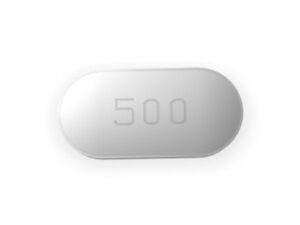
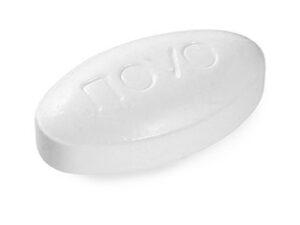
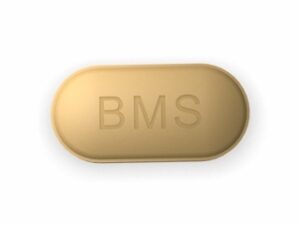
| Formulation | Extended-release tablets |
| Common strengths | Typically varies by linagliptin/metformin dose (e.g., 2.5 mg/1000 mg, 2.5 mg/500 mg, depending on local availability) |
| Medicinal class | DPP-4 inhibitor + biguanide combination |
| Who it is for | Adults with type 2 diabetes inadequately controlled by lifestyle and/or other diabetes medicines |
Important: Always check your specific tablet strength on the packaging and follow the instructions provided by your healthcare professional.
2) What Jentadueto XR is used for (indications)
Jentadueto XR is used to improve blood sugar control in adults with type 2 diabetes mellitus. It may be prescribed when:
- diet and exercise alone are not enough, and/or
- your blood sugar remains above target despite treatment with other diabetes medicines.
It is often considered as part of modern diabetes care plans and may be used in combination with other medicines, depending on your personal treatment history and overall health.
3) How it works (mechanism of action)
Linagliptin (DPP-4 inhibitor)
Linagliptin helps regulate blood glucose through the incretin system. Incretins (such as GLP-1 and GIP) are natural gut hormones released after meals that increase insulin release from the pancreas and reduce glucagon. DPP-4 (dipeptidyl peptidase-4) breaks down incretin hormones.
By inhibiting DPP-4, linagliptin can increase levels of active incretins, which may lead to:
- more insulin release when glucose levels are high,
- less glucagon release, helping reduce glucose production by the liver.
Metformin (biguanide)
Metformin lowers blood sugar through multiple actions, including:
- reducing glucose production by the liver,
- improving insulin sensitivity in muscle and other tissues,
- helping with glucose uptake and utilisation.
Together, linagliptin and metformin provide complementary effects and may help achieve steadier blood sugar control. Because linagliptin is not usually associated with severe hypoglycaemia when used alone, the overall risk of low blood sugar is typically lower than with certain other classes (though risk can increase when combined with insulin or sulfonylureas).
4) Pharmacokinetics (how the body handles it)
“Pharmacokinetics” describes absorption, distribution, metabolism, and elimination of medicines. Individual responses vary, and your prescriber may adjust dose based on kidney function and tolerability.
Linagliptin
- Absorption: Linagliptin is absorbed after oral dosing.
- Distribution: It is extensively distributed and binds to proteins.
- Metabolism: A portion is metabolised, but linagliptin is cleared through multiple routes.
- Elimination: Elimination involves the gastrointestinal tract, which can make linagliptin more suitable for people with reduced kidney function compared with some other DPP-4 inhibitors.
Metformin XR (extended release)
- Absorption: The extended-release formulation releases metformin gradually, which can help reduce gastrointestinal side effects for some people.
- Peak levels: Metformin levels rise more slowly compared with immediate-release products.
- Metabolism: Metformin is not extensively metabolised.
- Elimination: Metformin is eliminated largely unchanged by the kidneys.
Because metformin is cleared through the kidneys, kidney function is crucial when deciding whether it is safe and what dose is appropriate.
5) Typical use in practice
Jentadueto XR is commonly used when blood sugar targets have not been met with earlier therapy, or when a combination approach is needed. It may be used alongside lifestyle measures such as:
- healthy eating
- regular physical activity
- weight management when appropriate
- stopping smoking and limiting alcohol (where relevant)
It is also important to continue your routine diabetes monitoring:
- HbA1c (typically every few months, as advised)
- blood glucose checks if recommended for your treatment plan
- kidney function and other blood tests as advised
6) How and when to take Jentadueto XR (timing)
Follow the dosing instructions on your prescription label. In general, Jentadueto XR is taken as:
- Once daily with or around the same time each day, as directed.
- Because it is extended-release, the tablet is designed to be released slowly during the day.
Taking it with food
Many patients find metformin easier on the stomach when taken with food. Your clinician may advise whether to take your dose with a meal. As a general practical approach:
- take it with or after food if recommended for you, especially if you experience stomach upset.
- avoid taking it on a completely empty stomach if that worsens side effects.
Swallow whole
- Swallow the tablet whole with water.
- Do not crush, split, or chew unless your healthcare professional advises otherwise.
If you miss a dose
If you miss a dose, take it as soon as you remember unless it is close to the time for your next dose. Do not take a double dose to make up for a missed tablet. If you are unsure, ask your pharmacist or healthcare team.
7) Food interactions and dietary considerations
Food can affect how medicines are tolerated and, for some formulations, how they are absorbed. For Jentadueto XR:
- Generally: taking with food may improve gastrointestinal tolerability.
- Consistent meals: try to keep meal timing relatively consistent, especially if you also use other blood sugar–lowering medicines.
Alcohol with metformin
Alcohol can increase risk of lactic acidosis (a rare but serious condition linked with metformin). In practice, it is best to:
- avoid heavy or binge drinking,
- use alcohol cautiously and follow advice from your clinician.
If you are unwell with vomiting, dehydration, or poor food intake, avoid alcohol and contact your healthcare team for advice.
8) Alcohol and medicine interactions
Alcohol
Metformin treatment requires extra caution regarding alcohol. Risk rises with dehydration, fasting, or liver impairment. Seek urgent medical advice if you develop symptoms suggestive of metabolic imbalance (for example, unusual deep or rapid breathing, severe weakness, persistent vomiting, or feeling very unwell).
Medicine interactions (examples to discuss with your clinician/pharmacist)
Always provide your healthcare team with a complete list of medicines you take, including over-the-counter products and herbal remedies. Some medicines can affect blood glucose, kidney function, or the way metformin and linagliptin behave.
- Other diabetes medicines: combining with insulin or sulfonylureas may increase risk of hypoglycaemia. Linagliptin itself is less likely to cause low blood sugar when used alone.
- Medicines that affect kidney function: dehydration from diuretics (water tablets), non-steroidal anti-inflammatory drugs (NSAIDs) in some cases, or illness can influence safety with metformin.
- Contrast dyes for scans: metformin may need to be paused around certain imaging procedures involving iodine-containing contrast in specific circumstances—your clinical team will advise.
- Alcohol-containing products: check cough syrups, tonics, and other preparations for alcohol content.
This list is not exhaustive. Ask your pharmacist for guidance tailored to your medicines.
9) Dosing (general information for UK patients)
Your exact dose depends on your current treatment, blood sugar results, and kidney function. The XR formulation allows once-daily dosing in many patients.
How doses are usually adjusted
- Starting dose: commonly begins lower to improve tolerability, especially for metformin-related stomach symptoms.
- Escalation: may increase gradually to reach an effective dose.
- Kidney function assessment: metformin dosing is limited by renal function; your prescriber will monitor this.
Do not change your dose unless your healthcare professional advises it. If side effects occur, do not stop abruptly without advice—talk to your clinician about options.
What to remember
- Take the tablet once daily at a consistent time (unless your prescriber instructs otherwise).
- Swallow whole (XR).
- Keep an eye on your blood sugar and symptoms, particularly during the first weeks or after any dose change.
10) Safety profile (what to watch for)
Common side effects
Many people tolerate Jentadueto XR well, but side effects can occur. Commonly reported effects may include:
- Gastrointestinal symptoms such as nausea, diarrhoea, abdominal discomfort, or indigestion (more typical of metformin).
- Feeling unwell or reduced appetite.
These often improve over time, especially when the tablet is taken with food and your dose is increased gradually.
Possible risk of low blood sugar (hypoglycaemia)
Linagliptin on its own generally has a low risk of hypoglycaemia. However, the risk can increase if Jentadueto XR is used with:
- insulin, or
- medicines such as sulfonylureas (e.g., gliclazide, glimepiride).
Symptoms of hypoglycaemia can include sweating, shaking, fast heartbeat, dizziness, hunger, confusion, or headache. If you use other medicines that raise hypoglycaemia risk, discuss a monitoring plan with your healthcare team.
Rare but serious: lactic acidosis (metformin-associated)
Lactic acidosis is rare, but is a medical emergency. Seek urgent help if you develop symptoms such as:
- unusual muscle pain
- severe weakness or feeling very unwell
- trouble breathing or deep/rapid breathing
- sleepiness
- persistent vomiting or severe abdominal pain
- feeling cold, especially with slow heartbeat
Risk can be increased by kidney problems, dehydration, serious infection, heavy alcohol intake, or conditions involving low oxygen levels.
Pancreatitis (inflammation of the pancreas)
Although uncommon, DPP-4 inhibitors (including linagliptin) have been associated with reports of pancreatitis. Get urgent medical advice if you develop severe, persistent abdominal pain that may spread to the back, possibly with vomiting.
Allergic reactions
If you develop signs of an allergic reaction—such as swelling of the face/lips, difficulty breathing, or rash—seek immediate medical help.
This is not a full list. Your patient information leaflet (supplied with the medicine) provides complete safety information.
11) Practical use tips (to get the best from treatment)
- Take it the same time daily: helps maintain steady blood glucose control.
- Use food to support tolerance: if you get stomach upset, taking with or after food may help (follow your prescriber’s advice).
- Stay hydrated: dehydration increases metformin-related risks. Drink water regularly, especially in hot weather or during illness.
- Know your “sick day” plan: if you are unwell with fever, vomiting, diarrhoea, or poor intake, contact your healthcare team for advice about continuing medicines (particularly metformin) during illness.
- Don’t ignore kidney checks: attend blood tests for kidney function as scheduled.
- Watch for symptoms: low blood sugar symptoms, unusual fatigue, breathing changes, or severe abdominal pain should be taken seriously.
12) Alternative options (other medicines and strategies)
Diabetes treatment is personalised. Alternatives depend on your HbA1c, kidney function, cardiovascular risk, weight goals, and other medical conditions.
Medication classes commonly used in type 2 diabetes
- Metformin alone (immediate or extended release)
- DPP-4 inhibitors (e.g., sitagliptin, saxagliptin, linagliptin) as single agents or combinations
- GLP-1 receptor agonists (injections; sometimes preferred for weight loss and cardiovascular benefits)
- SGLT2 inhibitors (tablets; can support kidney and heart outcomes in suitable patients)
- Sulfonylureas (use with caution due to hypoglycaemia risk)
- Insulin where needed
Your clinician can advise whether another combination or class might suit you better, particularly if side effects occur or targets aren’t met.
13) UK market and legal context
In the United Kingdom, medicines like Jentadueto XR are regulated by the Medicines and Healthcare products Regulatory Agency (MHRA) and must have appropriate authorisation and safety monitoring.
Diabetes medicines are also supported by national clinical guidance and local NHS formularies, which help prescribers choose appropriate treatments based on effectiveness, safety, and value.
For many people, diabetes care aims to reduce symptoms and complications while supporting quality of life. Treatment decisions are typically guided by factors such as kidney function and cardiovascular risk, alongside blood sugar measurements.
14) Recent guidance (UK practice overview)
Diabetes management in the UK is influenced by evidence-based guidance and ongoing updates. In recent years, UK clinical practice has emphasised:
- individualised treatment targets based on patient characteristics
- consideration of cardiovascular and renal outcomes when choosing add-on therapy
- early use of medicines with proven benefits in suitable patients (depending on eligibility)
- careful review of hypoglycaemia risk and patient preferences
- regular monitoring of kidney function and overall safety
While specific recommendations can vary by guideline update cycle and patient group, the general principle is to choose medicines that balance efficacy with safety. Your healthcare team will decide whether Jentadueto XR remains a good option for you based on your ongoing results.
15) Delivery and availability in the UK (online pharmacy information)
Availability of Jentadueto XR may vary by strength and pack size, depending on supplier logistics and stock levels. Online pharmacies typically dispatch orders on business days, with standard delivery options where available.
When ordering, ensure:
- you select the correct strength (linagliptin/metformin) and pack size
- your delivery address is accurate
- someone can receive the parcel if required by the courier service
If the exact product is temporarily unavailable, some services may offer alternatives or restock notifications (subject to local policies). Check the pharmacy’s delivery information at checkout for current dispatch and delivery time estimates.
16) Frequently Asked Questions (FAQ)
Is Jentadueto XR suitable for everyone with type 2 diabetes?
No. Suitability depends on factors such as kidney function, current medicines, your HbA1c level, and your overall health. Your healthcare professional will decide if the linagliptin/metformin combination is appropriate for you.
How quickly will it start working?
Many people see changes in blood glucose within days to weeks, but HbA1c reflects average glucose over about 2–3 months. Your clinician may review your progress after an appropriate period.
What should I do if I get stomach upset after starting?
Gastrointestinal side effects are relatively common with metformin, especially early on. Taking the tablet with food and following the prescribed dose schedule can help. If symptoms are severe, persistent, or you cannot keep fluids down, contact your healthcare team promptly.
Can I drink alcohol while taking Jentadueto XR?
Alcohol should be used with caution. Heavy or binge drinking increases the risk of lactic acidosis with metformin, particularly if you are dehydrated or not eating well. If you’re unsure about how much alcohol is safe for you, ask your clinician.
Does Jentadueto XR cause hypoglycaemia?
Linagliptin alone has a low risk of hypoglycaemia. However, the risk increases if you take Jentadueto XR with insulin or sulfonylureas. Learn the symptoms of low blood sugar and discuss monitoring with your healthcare team.
What if I miss a dose?
Take it when you remember unless it is close to your next dose. Do not take a double dose. If you’re unsure, speak to a pharmacist for guidance.
Are there medicines I should avoid?
Interaction risk depends on your personal medicine list. Tell your pharmacist about all medicines, supplements, and herbal products you use. Particular caution may be needed with medicines that affect kidney function or that can increase dehydration risk.
Do I need kidney blood tests while taking metformin?
Yes. Kidney function monitoring is an important safety requirement for metformin-containing therapy. Your clinician will schedule tests based on your individual situation.
What are “sick day” rules?
If you become unwell with vomiting, diarrhoea, fever, or reduced fluid intake, you may be at higher risk of complications. Contact your healthcare team for advice about continuing your medicines during illness, especially if you are dehydrated.
Can I stop Jentadueto XR if my sugars improve?
Diabetes is usually a long-term condition. Stopping medication may cause blood glucose to rise again. Discuss any changes with your healthcare professional before stopping.
Reminder: This information is intended to help you understand Jentadueto XR. Always refer to the patient information leaflet provided with your medicine and consult a healthcare professional for advice tailored to you.