
Glucovance (Metformin / Glyburide) — Patient Information (UK)
Glucovance is a prescription medicine used to help control blood sugar levels in adults with type 2 diabetes. It contains a combination of two medicines: metformin and glyburide (also known as glibenclamide in some places). This combination is designed to work in two complementary ways—improving the way your body uses sugar and helping your pancreas release insulin.
This page explains how Glucovance works, when and how to take it, common safety considerations, and practical guidance for everyday use in the United Kingdom.
Basic product information
- Brand: Glucovance
- Active ingredients: Metformin + Glyburide (glibenclamide)
- Type of medicine: Oral blood-glucose-lowering medicine
- Used for: Type 2 diabetes in adults
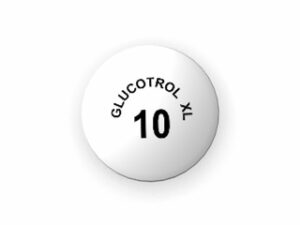
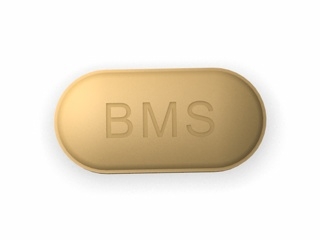
- Form: Tablets (strength varies by formulation)
- Not for: Type 1 diabetes or diabetic ketoacidosis
How Glucovance works (mechanism of action)
Glucovance combines two medicines with different mechanisms:
-
Metformin helps reduce glucose production by the liver and improves insulin sensitivity in
body tissues (for example, muscle). It also may reduce intestinal glucose absorption.
Net effect: lower blood sugar without directly stimulating insulin release. -
Glyburide belongs to the sulfonylurea family. It stimulates the pancreas to release insulin
by closing potassium channels in beta cells.
Net effect: increased insulin secretion, which can lower blood sugar—especially after meals.
Because both components work together, Glucovance may improve blood glucose control more effectively than either medicine alone for some people.
Pharmacokinetics (how the body handles the medicine)
Individual absorption and timing can vary between patients and formulations. In general:
- Metformin is absorbed from the gastrointestinal tract and is cleared mainly by the kidneys. It does not undergo extensive metabolism in the body.
- Glyburide is absorbed after oral dosing and is metabolised in the liver. It is eliminated mainly via metabolic products.
- Both components can have effects that last beyond one dose, which is why consistent daily use is important for steady blood glucose control.
- Kidney function matters, especially for metformin. Reduced kidney function increases the risk of metformin accumulation.
Your prescriber may adjust dosing based on kidney function and your blood sugar response.
Typical use in the UK
Glucovance is commonly considered when type 2 diabetes is not adequately controlled with lifestyle measures alone and may be used when treatment needs both:
- insulin sensitivity support (metformin), and
- increased insulin release (glyburide).
It may be used as part of a stepwise approach alongside diet, exercise, weight management (where appropriate), and regular blood glucose monitoring.
Indications (when it is used)
In the UK, Glucovance is indicated for adults with type 2 diabetes to improve glycaemic control. It is typically used when treatment with either component alone is insufficient or when combination therapy is considered appropriate.
Important points
- It is intended for type 2 diabetes only.
- It does not replace healthy eating and physical activity.
- Blood glucose targets and monitoring schedules vary. Follow the plan agreed with your healthcare team.
Timing and how to take Glucovance
Glucovance works best when taken correctly in relation to meals. Because glyburide can increase insulin release, timing with food is important to reduce the risk of low blood sugar.
General timing advice
- Take with meals, unless your healthcare professional has advised otherwise.
- If you take it once daily, it is usually taken with the main meal of the day.
- If your dose is split (for example, twice daily), you will typically take it with breakfast and the evening meal.
Practical tablet-use tips
- Swallow tablets with water.
- Try to take your dose at the same times each day.
- If you miss a dose, take it when you remember only if it is still appropriate with food—otherwise skip and continue as normal. Avoid doubling.
- Keep a record of your doses and blood glucose readings if you monitor at home.
Dosing (how much is usually used)
The exact dose and strength depend on your current diabetes treatment, blood glucose levels, and kidney function. Doses are adjusted gradually to reduce side effects and achieve an appropriate response.
How dosing is commonly handled
- Initial dosing is often conservative, especially if you are switching from another regimen.
- Titration (dose increases) may be done over days to weeks, based on monitoring results.
- Kidney function influences metformin safety and may require dose adjustments or avoidance at certain levels of impairment.
- If low blood sugar occurs, your dose may be reduced and meal timing reviewed.
Because strengths vary across products, always check your tablet label for the specific metformin/glyburide amounts per tablet. If you are unsure, speak to a pharmacist.
Food interactions and meal guidance
Food can affect how well Glucovance controls blood sugar and how safely it works. The most important dietary point is to avoid skipping meals.
What you should know about food
- Take with food (especially for glyburide). Skipping meals increases the risk of hypoglycaemia (low blood sugar).
- If you eat smaller-than-usual meals, tell your healthcare team—your dose may need reviewing.
- Keep your overall carbohydrate intake consistent. Large swings in carbohydrate intake can cause blood glucose levels to change.
Alcohol and food-related practicalities
Alcohol can increase the risk of low blood sugar and may also contribute to metabolic stress. See the alcohol section below for important safety guidance.
Alcohol interactions (important)
Alcohol may interact with both components of Glucovance. Key risks include:
- Hypoglycaemia: Alcohol can lower blood glucose, particularly if you drink without eating.
- Lactic acidosis risk: Metformin is associated with a rare but serious condition called lactic acidosis. Risk increases with significant alcohol consumption, dehydration, or severe illness.
If you drink alcohol, do so cautiously. Avoid binge drinking and avoid drinking when you are not eating. If you have liver disease, frequent heavy alcohol use, or a history of lactic acidosis, speak to your healthcare professional for personalised advice.
Medicine interactions (common and important)
Many medicines can affect blood sugar levels or how Glucovance is processed by the body. Always tell a pharmacist or healthcare professional about all medicines you take, including over-the-counter products and herbal supplements.
Medicines that may increase low blood sugar risk
- Other diabetes medicines (for example, insulin or other blood-glucose-lowering therapies).
- Some antibiotics and antifungal medicines may alter blood glucose and/or drug metabolism.
- Certain pain medicines (for example, some anti-inflammatory drugs) may affect blood sugar indirectly in some people.
Medicines that may raise blood sugar levels
- Systemic corticosteroids (e.g., prednisolone) can increase blood glucose.
- Some medicines that affect stress hormones or appetite can also affect glucose.
Medicines affecting kidney function or fluid balance
- Dehydration and reduced kidney function increase metformin-related risk. Medicines that can affect hydration, kidney function, or cause vomiting/diarrhoea may need extra caution.
If you start, stop, or change the dose of another medicine, it may require monitoring and dose adjustment of Glucovance.
Safety profile and side effects
Like all medicines, Glucovance can cause side effects. Many are mild and improve over time—however, some are serious and require urgent medical attention.
Common side effects
- Gastrointestinal symptoms such as nausea, diarrhoea, abdominal discomfort, or indigestion (often linked to metformin).
- Loss of appetite or taste disturbance in some people.
- Headache or general tiredness (less commonly).
Low blood sugar (hypoglycaemia) — key risk
Because glyburide can stimulate insulin release, Glucovance may cause hypoglycaemia, particularly if:
- you skip meals or eat less than usual,
- you exercise more than usual without adjusting food,
- you drink alcohol,
- you take other diabetes medicines,
- you have kidney impairment.
Symptoms can include:
- sweating, shaking, or feeling anxious
- rapid heartbeat
- dizziness or confusion
- hunger
- difficulty concentrating
If you experience symptoms, check your blood glucose if possible. Take fast-acting carbohydrate (for example, glucose tablets or sugary drink) and follow your diabetes action plan. Severe symptoms require urgent help.
Rare but serious: lactic acidosis
Metformin is associated with a rare condition called lactic acidosis. Risk is higher in situations such as severe infection, dehydration, excessive alcohol use, or significant kidney/liver impairment.
Seek urgent medical advice if you develop:
- unusual muscle pain
- severe weakness or extreme tiredness
- trouble breathing
- stomach pain with vomiting
- feeling very unwell (especially with dehydration or sudden illness)
Other potential concerns
- Vitamin B12 deficiency: With long-term metformin use, vitamin B12 levels may decrease in some people. Your healthcare team may check B12, especially if you develop anaemia or nerve symptoms.
- Weight changes: Metformin is often weight-neutral, while sulfonylureas may be associated with weight gain in some patients.
- Allergic reactions are rare but should be treated as urgent if they occur (for example, swelling of the face/lips or breathing difficulty).
Practical use tips (make the medicine work for you)
- Keep meal timing steady: Aim to eat regular meals and avoid skipping breakfast or dinner.
- Monitor your blood glucose if you have been advised to. This helps guide dose changes and identifies patterns (for example, low sugars after increased activity).
- Carry fast sugar if you are at risk of hypoglycaemia. Consider glucose tablets.
- During illness (“sick day” planning): If you become unwell with vomiting, diarrhoea, fever, or not eating/drinking, your healthcare team may advise holding certain diabetes medicines temporarily. Ask for personalised sick-day instructions.
- Stay hydrated: Dehydration increases the risk of side effects, particularly with metformin.
- Kidney monitoring: Keep up with recommended blood tests for kidney function.
- Be aware of symptoms: Learn the signs of low blood sugar and lactic acidosis so you can act quickly.
When extra caution is needed
Certain conditions raise the risk of complications. You should discuss these with your healthcare team:
- Kidney impairment or dehydration
- Liver disease
- Frequent alcohol consumption
- History of hypoglycaemia
- Older age or frailty (may increase susceptibility to low blood sugar)
- Intercurrent illness (infection, severe vomiting/diarrhoea)
- Planned procedures or imaging that involve contrast—ask about whether medicines need adjustment beforehand
Alternative options for type 2 diabetes in the UK
If Glucovance is not suitable or not achieving the desired glucose control, there are many alternative treatments. Choice depends on your health profile, blood sugar pattern, weight considerations, kidney function, cardiovascular risk, and side-effect tolerance.
Common alternative medicine categories
- Metformin alone (if glyburide is not appropriate).
- Other sulfonylureas (for example, gliclazide or glimepiride), depending on availability and suitability.
- DPP-4 inhibitors (e.g., sitagliptin, saxagliptin) — often lower hypoglycaemia risk than sulfonylureas.
- SGLT2 inhibitors (e.g., dapagliflozin, empagliflozin) — may benefit kidney and heart outcomes in selected patients.
- GLP-1 receptor agonists (injection) — may aid weight loss and improve glucose.
- Thiazolidinediones (e.g., pioglitazone) — selected cases only.
- Insulin when needed for more intensive control.
Lifestyle interventions remain a core part of diabetes care regardless of which medicine is chosen. If you want to discuss alternatives, speak with your healthcare professional.
Market and legal context in the United Kingdom
In the UK, medicines are regulated and monitored to support patient safety and quality. Glucovance is authorised for use and is available through community pharmacies when supplied under the relevant UK healthcare pathways.
Diabetes medicines are commonly reviewed in line with national clinical guidance, local formularies, and patient-specific factors such as renal function and hypoglycaemia risk.
Recent guidance considerations (high-level)
UK diabetes care is influenced by guidance from organisations such as National Institute for Health and Care Excellence (NICE) and, for medication safety and monitoring, by updates from medicines regulators and professional bodies. In recent years, emphasis has included:
- Individualised treatment selection based on patient risk factors (for example, kidney disease and cardiovascular risk).
- Attention to hypoglycaemia risk with therapies such as sulfonylureas.
- Regular monitoring of kidney function and safe prescribing for metformin.
- Shared decision-making on treatment goals and monitoring frequency.
Your prescriber may use this context when deciding whether a combination tablet like Glucovance remains appropriate for you.
Delivery and availability (UK online pharmacy)
Availability can vary depending on strength, tablet pack size, and supplier stock levels. Many online pharmacies can deliver medicines across the UK with standard courier services, and some offer faster dispatch options for in-stock items.
When ordering Glucovance, check that the tablet strength matches your current regimen and that the product name and active ingredients correspond to your prescribed course.
- Stock status: may change—if a particular strength is unavailable, a substitute may not be appropriate.
- Packaging: medicines should arrive in original manufacturer packaging with clear batch information.
- Storage: store tablets as indicated on the carton (typically at room temperature away from moisture and heat).
Safety checklist before and during treatment
- Do you know the signs of low blood sugar and what to do?
- Have you had recent kidney function tests?
- Are you taking other medicines that may affect glucose?
- Do you drink alcohol? If yes, are you keeping it modest and with food?
- Do you have a plan for sick days (vomiting/diarrhoea/fever)?
Frequently asked questions (FAQ)
1. What is Glucovance used for?
Glucovance is used to improve blood glucose control in adults with type 2 diabetes.
2. How quickly does Glucovance start working?
Many people notice changes in blood glucose within days as the dose becomes established. Longer-term improvements in overall sugar control typically take weeks, depending on your diet, dose, and consistency of use.
3. Should I take Glucovance with meals?
In general, yes. Taking it with food helps reduce the risk of low blood sugar, particularly because glyburide increases insulin release. Follow the exact instructions given for your schedule.
4. What should I do if I miss a dose?
If you miss a dose, take it only if you remember in time and it still fits with your meal timing. If it is close to your next dose, skip the missed dose and continue as normal. Do not double up.
5. Can Glucovance cause weight changes?
Metformin is often weight-neutral, while sulfonylureas can be associated with weight gain in some people. Your weight and appetite may change over time, so monitor progress and discuss concerns with your healthcare team.
6. Is it safe to drive while taking Glucovance?
Driving is usually possible, but you must be careful if you are at risk of hypoglycaemia. If you have episodes of low blood sugar, have reduced warning symptoms, or your sugars are unstable, speak to your healthcare professional about precautions.
7. Can I drink alcohol while taking Glucovance?
Alcohol should be limited and taken with caution. Drinking without food increases low blood sugar risk. Heavy alcohol intake can also increase the risk of lactic acidosis. If unsure, ask your pharmacist for advice.
8. What are the most serious side effects?
The most serious concerns include hypoglycaemia and the rare risk of lactic acidosis. Seek urgent medical attention if you experience severe or worsening symptoms, especially when you feel very unwell.
9. Do I need blood tests while taking Glucovance?
Yes. Your clinician may monitor HbA1c and may also check kidney function and other parameters (including vitamin B12 for long-term metformin use).
10. What if I have kidney problems?
Kidney function strongly affects metformin safety. If you have reduced kidney function, your dose may need adjustment, or Glucovance may not be suitable. Always discuss kidney results with your healthcare team.
Summary
Glucovance combines metformin and glyburide to help control blood sugar in adults with type 2 diabetes. It works by improving insulin sensitivity (metformin) and increasing insulin release (glyburide). Because glyburide can cause hypoglycaemia, it is important to take the medicine with meals and avoid skipping food. Monitor your blood glucose as recommended and keep up with kidney function checks. For most people, careful dosing and consistent meal timing support safer and more effective control.
| Topic | Key points |
|---|---|
| Who it’s for | Adults with type 2 diabetes needing combination therapy (metformin + glyburide). |
| How it works | Metformin reduces liver glucose output and improves insulin sensitivity; glyburide increases insulin release. |
| How to take | Usually with meals. Keep meal timing consistent to reduce hypoglycaemia risk. |
| Important risks | Low blood sugar; rare lactic acidosis (especially with dehydration, heavy alcohol, or severe illness). |
| Monitoring | Blood sugar targets (e.g., HbA1c) and kidney function; consider B12 monitoring with long-term metformin. |
| Alcohol | Limit alcohol and avoid drinking without food. Heavy intake increases risk of complications. |