Glucotrol (Glipizide) — Patient Information (UK)
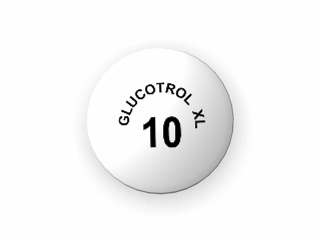
Glucotrol contains glipizide, a medicine used to help control blood sugar levels in type 2 diabetes. This guide explains how it works, when it is usually taken, important safety points, possible interactions, and practical tips for everyday use in the United Kingdom.
This information is designed to be patient-friendly. It does not replace the advice of your healthcare professional. If you are unsure about your dose or how to take your tablets, seek medical guidance.
1. Basic product information
- Brand name: Glucotrol
- Active ingredient: Glipizide
- Medicine type: Oral antidiabetic (sulfonylurea)
- Common condition treated: Type 2 diabetes
- Typical formulation: Tablets (strengths vary by product)
In the UK, diabetes care is generally guided by the NICE (National Institute for Health and Care Excellence) and other professional standards. Glipizide may be used when medicines that better match individual needs are not sufficient or suitable.
2. How Glipizide works (mechanism of action)
Glipizide belongs to the sulfonylurea group. It lowers blood glucose mainly by:
- Stimulating insulin release from the pancreas (when it is still able to produce insulin).
- Acting on cells in the pancreas to increase insulin secretion in response to blood sugar.
Because it increases insulin release, the key risk is hypoglycaemia (low blood sugar), especially if meals are missed, doses are too high, or there is increased physical activity.
3. Pharmacokinetics (how the body processes it)
Pharmacokinetics describes what the body does to a medicine—how it is absorbed, distributed, metabolised, and eliminated. For glipizide:
- Absorption: Glipizide is taken by mouth and absorbed through the gastrointestinal tract.
- Onset: Blood sugar-lowering effects typically begin after dosing, with the strongest effects often linked to meal timing.
- Distribution: It circulates in the bloodstream and reaches tissues involved in glucose regulation.
- Metabolism: It is metabolised in the liver.
- Elimination: Metabolites are eliminated through the body’s normal clearance processes (commonly via urine).
The exact timing of effect can vary by individual and by tablet formulation. If your medicine has been prescribed with a specific dosing schedule, follow that schedule carefully.
4. What Glucotrol is used for (indications)
Glucotrol (glipizide) is used for the treatment of type 2 diabetes to improve blood glucose control. It is generally considered for adults when:
- Lifestyle changes and/or other diabetes medicines do not provide sufficient control, and
- Insulin production is still present to some degree (because it relies on the pancreas to release insulin).
Use may vary depending on local clinical decision-making, your medical history, kidney/liver function, and the risk of hypoglycaemia.
5. Timing: when to take it and how often
The safest timing depends on your prescribed regimen and the specific tablet type. However, sulfonylureas are typically taken in relation to meals.
- Take with food to reduce the risk of low blood sugar.
- Try to take it at the same times each day to keep glucose control steady.
- If you miss a meal, be cautious—low blood sugar can happen if you still take your dose.
If you are unsure about your dosing schedule, confirm it with your healthcare professional or pharmacist. Never change your dose without advice.
6. Dosing: general guidance
Doses are individualised. Clinicians usually start at a low dose and adjust based on blood glucose results and side effects, especially symptoms of hypoglycaemia.
Important: The following is general information only and may not match your personal prescription plan.
- Starting dose: Often started low to minimise hypoglycaemia risk.
- Titration (dose adjustment): Increased gradually if additional glucose control is needed.
- Maximum daily dose: Depends on the formulation and local prescribing guidance.
Your blood sugar readings (e.g., fasting glucose or HbA1c) and any symptoms you experience will guide adjustments.
7. Food interactions and meal considerations
Glipizide is most effective and safest when taken around meals. Food interactions are mainly related to meal timing and carbohydrate intake.
- Do not skip meals after taking glipizide.
- If you eat less than usual (smaller portions, delayed meals), the chance of hypoglycaemia may increase.
- Consistent meal pattern: A regular routine can help reduce glucose swings.
You do not usually need to avoid specific foods entirely, but it’s important to match your diabetes management plan to your eating pattern. If you are planning a trip, shift work, fasting, or changes to diet, discuss your diabetes medicines in advance.
8. Alcohol interactions
Alcohol can increase the risk of hypoglycaemia and can also affect how your liver processes medications. It may therefore change the way glipizide works and can make blood sugar control less predictable.
- Avoid binge drinking.
- Be cautious with alcohol on an empty stomach.
- Consider monitoring blood glucose more closely if you drink alcohol.
If you drink alcohol regularly or have had episodes of low blood sugar, ask your pharmacist or clinician for personalised advice.
9. Medicine interactions (common and important)
Several medicines can change blood glucose levels or affect how glipizide is handled by the body. Always tell your healthcare professional about all medicines you take, including over-the-counter products and herbal remedies.
Medicines that may increase hypoglycaemia risk
- Other glucose-lowering medicines (e.g., insulin, other antidiabetics)
- Some painkillers and anti-inflammatory medicines (individual products vary)
- Some antibiotics (certain agents can increase sulfonylurea effect)
- Some antifungals
- Salicylates (e.g., aspirin in certain contexts)
Medicines that may reduce glucose-lowering effect
- Corticosteroids (e.g., prednisolone)
- Some diuretics (water tablets)
- Hormonal medicines and other metabolic agents
Herbal and supplements
- Herbal products such as St John’s wort or supplements that affect glucose may interact with diabetes medicines.
Because interaction risks depend on the specific product, do not rely on general assumptions. For any new medicine, consult a pharmacist or check the patient information leaflet supplied with your medicine.
10. Safety profile: side effects and when to seek help
Key risk: hypoglycaemia (low blood sugar)
This is the most important safety concern with glipizide. Symptoms can include:
- Shaking, sweating
- Feeling hungry
- Fast heartbeat, anxiety
- Headache, dizziness
- Confusion, difficulty concentrating
- In severe cases: fainting, seizures, loss of consciousness
What to do if you suspect hypoglycaemia:
- Check your blood glucose if possible.
- Take a fast source of sugar (e.g., glucose tablets, sweets, or sugar-sweetened drink).
- Follow with a longer-acting carbohydrate if your next meal is not soon.
- Seek urgent medical help if symptoms are severe, you cannot swallow, or recovery is not prompt.
Other possible side effects
- Weight gain (can occur with insulin-stimulating medicines)
- Gastrointestinal effects (e.g., nausea) in some people
- Skin reactions (rare)
- Blood count changes (rare; your clinician may monitor if needed)
When to seek urgent help
- Symptoms of severe hypoglycaemia (confusion, unconsciousness, seizures)
- Signs of a serious allergic reaction (swelling of face/lips, trouble breathing)
- Unexplained persistent illness or yellowing of the skin/eyes (jaundice)
If you experience persistent or worrying symptoms, contact your healthcare professional promptly.
11. Practical use tips for daily life
- Use a consistent routine: Taking tablets at the same time each day can help reduce glucose swings.
- Keep a “low sugar” plan: Carry fast-acting sugar with you if you’re at risk of hypoglycaemia.
- Know your symptoms: Learn early warning signs of low blood sugar.
- Plan around exercise: Physical activity can lower blood sugar. Consider checking your glucose before/after.
- Stay hydrated and eat regularly: Dehydration and missed meals can worsen control.
- Driving and operating machinery: Do not drive if you feel symptoms of low blood sugar. Follow UK safety advice and your clinician’s guidance.
- Regular monitoring: Keep up with blood sugar checks and HbA1c reviews as advised.
12. Special populations: kidney, liver, and older adults
People with kidney or liver problems may be at higher risk of side effects such as hypoglycaemia. Your prescriber may adjust dose or consider alternative options based on your health status.
- Older adults: Higher risk of hypoglycaemia due to decreased awareness of symptoms, appetite changes, or multiple medicines.
- Kidney impairment: May increase the risk of low blood sugar; monitoring is important.
- Liver impairment: The medicine is metabolised in the liver; dose and safety may require careful review.
If you have reduced kidney function, ask about appropriate targets and monitoring frequency.
13. Alternative options (if Glucotrol is not suitable)
Diabetes treatments differ in mechanism and side-effect profile. Options may include:
- Metformin (often first-line when appropriate)
- Other sulfonylureas (choice depends on formulation and hypoglycaemia risk)
- DPP-4 inhibitors
- SGLT2 inhibitors
- GLP-1 receptor agonists
- Insulin (for more advanced diabetes or inadequate control)
Which alternative is best depends on your HbA1c, weight considerations, kidney function, cardiovascular risk, and side-effect tolerance. If you experience recurrent hypoglycaemia, you may discuss different medicine classes with your healthcare team.
14. UK market and legal context (high-level)
In the United Kingdom, diabetes medicines are regulated and dispensed according to medicine classification and prescribing rules. Availability may be influenced by:
- Whether the medicine is supplied as a branded or generic product
- Local prescribing practices and clinical guidelines
- Stock availability from licensed wholesalers and pharmacies
Diabetes treatment decisions in the UK commonly follow evidence-based guidance such as NICE recommendations. Coverage by the NHS and suitability for individual patients can vary. When buying from a UK online pharmacy, your provider should ensure safe supply according to applicable regulations and professional checks.
15. Recent guidance and clinical context
In recent years, diabetes care in the UK has increasingly focused on personalised treatment plans balancing: glycaemic control, hypoglycaemia risk, weight effects, kidney health, cardiovascular risk, and tolerability.
While sulfonylureas may still be used in appropriate circumstances, many treatment pathways consider medicines with a lower risk of hypoglycaemia and additional benefits for certain patient groups. Your clinician will consider your overall risk profile when choosing or adjusting therapy.
If you are newly started on glipizide or switching from another diabetes medicine, ask your healthcare professional about the expected timeline for glucose improvement and how to monitor for side effects.
16. Delivery and availability (UK online pharmacy)
Availability and delivery options vary by pharmacy and stock levels. When ordering online in the UK:
- Check product details (strength and formulation) before confirming your order.
- Allow delivery time based on the service selected at checkout.
- Keep medicines in original packaging to confirm identity and expiry information.
If you are contacting customer support, have your order number ready. If delivery is delayed or packaging appears damaged, contact the pharmacy promptly.
17. Storage
- Store at room temperature (follow the instructions on the pack).
- Keep medicines in the original container.
- Keep out of reach of children.
- Do not use after the expiry date printed on the pack.
18. Table summary: key points at a glance
| Topic | What to know |
|---|---|
| Medicine | Glucotrol (glipizide) — oral diabetes medicine (sulfonylurea) |
| Main effect | Helps the pancreas release insulin to lower blood glucose |
| Key safety risk | Hypoglycaemia (low blood sugar), especially if meals are missed |
| How to take | Usually with food; timing depends on your regimen and tablet type |
| Alcohol | Can increase hypoglycaemia risk and affect glucose control—use caution |
| Monitoring | Follow blood sugar checks and HbA1c reviews as advised |
| Interactions | Other glucose-lowering medicines and some antibiotics/anti-inflammatories may affect risk |
| When to seek help | Severe low blood sugar, allergic reactions, or persistent serious symptoms |
19. FAQ
1) Is Glucotrol suitable for everyone with diabetes?
No. Glipizide is used for type 2 diabetes in people whose pancreas can still produce insulin. Suitability depends on your overall health, current medicines, kidney/liver function, and risk of hypoglycaemia.
2) How quickly will I feel an effect?
Many people notice blood glucose improvements within days, though the full assessment of control is usually measured over weeks using readings and HbA1c. Your clinician can explain what timeline to expect for your situation.
3) What should I do if I miss a dose?
Follow the advice given by your pharmacist or the leaflet that came with your medicine. In general, do not take extra tablets to make up for a missed dose, particularly if meals are irregular, because the hypoglycaemia risk may increase.
4) What if I forget to eat after taking Glucotrol?
Eating helps reduce the risk of low blood sugar. If you realise you have missed a meal, take fast-acting carbohydrate and monitor your symptoms and blood glucose. If you are unsure, contact a healthcare professional for guidance.
5) Can I take Glucotrol with other diabetes medicines?
Sometimes yes. However, combining glucose-lowering medicines can increase hypoglycaemia risk. Combination therapy should be planned and monitored by your healthcare team.
6) Does Glucotrol cause weight gain?
Weight gain can occur with sulfonylureas in some people. Maintaining a balanced diet and activity plan can help manage this.
7) Can I drive or operate machinery?
If you develop symptoms of low blood sugar (such as dizziness, sweating, confusion, or blurred vision), you should avoid driving and seek advice. If you are at risk of hypoglycaemia, discuss safe driving guidance with your clinician.
8) Are there any foods I must avoid completely?
There are no universal “forbidden” foods, but consistency matters. Skipping meals or having substantially less carbohydrate than usual can increase hypoglycaemia risk.
9) What are the signs of low blood sugar?
Common symptoms include sweating, shaking, hunger, fast heartbeat, dizziness, headache, and confusion. Severe symptoms can include fainting or seizures. Treat promptly with fast sugar and seek urgent help if needed.
10) Where can I find more detailed instructions?
Always read the patient information leaflet supplied with your specific product. Your pharmacist can also help explain dosing, storage, and interactions relevant to you.
Remember: Diabetes management is more than tablets—regular meals, blood glucose monitoring, physical activity, and ongoing review with healthcare professionals all play a vital role.