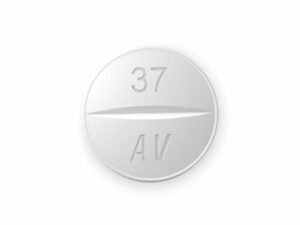
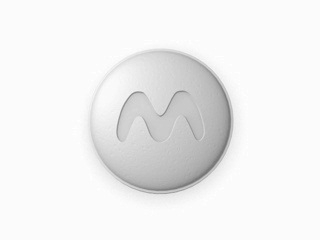


Metformin Hydrochloride (Metformin) – Patient-Friendly Guide (UK)
Metformin hydrochloride is a medicine commonly used to treat type 2 diabetes. It helps lower blood glucose and may also support weight management in some people. Metformin is widely available in the United Kingdom and is often a first-choice treatment due to its long history of use, generally well-understood safety profile, and effectiveness.
This guide explains how metformin works, how it is usually taken, what to expect from treatment, and how to stay safe—especially regarding food, alcohol, and interactions with other medicines.
1) Basic product information
| Category | Details |
|---|---|
| Generic name | Metformin hydrochloride |
| Common uses | Type 2 diabetes (adults and, in some situations, children/young people per local guidance) |
| Typical formulations | Tablets (including immediate-release and modified/extended-release types depending on brand) |
| How it is supplied | Available via NHS and community pharmacies in the UK; choice of tablet type can vary |
| What it does | Lowers blood glucose and improves insulin sensitivity |
Note: Different metformin products may have different release profiles (for example, immediate-release vs prolonged/modified-release). Always check your exact product and follow the instructions given with it.
2) How metformin works (mechanism of action)
Metformin’s main benefits come from improving how your body handles sugar (glucose). It works in several ways:
- Reduces glucose production in the liver: Metformin helps lower the amount of glucose released into the bloodstream, especially when fasting.
- Improves insulin sensitivity: Your cells become better able to respond to insulin, so glucose can move from the blood into tissues for use.
- May reduce intestinal glucose absorption: This contributes to lowering post-meal blood sugar in some people.
- Supports metabolic balance: Over time, these actions can improve HbA1c (a long-term blood sugar measure).
Metformin generally does not cause hypoglycaemia by itself in most people, because it does not usually stimulate the pancreas to produce extra insulin. Risk of low blood sugar can change if metformin is taken alongside other glucose-lowering medicines.
3) Pharmacokinetics (how the body absorbs, processes, and removes metformin)
“Pharmacokinetics” describes what happens to a medicine after you take it. While exact values vary by formulation and person, the general principles are:
- Absorption: Metformin is absorbed from the gut. Food can affect the speed of absorption but often improves tolerability.
- Bioavailability: Metformin has moderate absorption and does not typically reach extremely high peak levels.
- Distribution: It distributes into body tissues and can accumulate in the gut wall and other compartments; it is not strongly bound to plasma proteins.
- Metabolism: Metformin is not significantly metabolised by the liver.
- Excretion: It is removed mainly by the kidneys through urine. This is why kidney function matters.
- Half-life: The effective duration depends on the formulation; modified/extended-release tablets last longer than immediate-release tablets.
Because metformin is largely cleared by the kidneys, your clinician may monitor kidney function (for example, eGFR) regularly.
4) Typical use in the UK
Metformin is used to treat type 2 diabetes. It is often used:
- As a first-line medicine when lifestyle changes (diet, weight management, activity) are not enough.
- In combination with other diabetes treatments if blood glucose needs additional control.
- For some people, as part of a long-term plan that also includes monitoring, education, and cardiovascular risk management.
Your local care plan may consider factors such as body weight, blood glucose levels, kidney function, and other health conditions.
5) Indications (what metformin is for)
In general, metformin is indicated for:
- Type 2 diabetes mellitus, particularly where improved glycaemic control is needed.
- Adjunct to diet and exercise in adults.
- In selected age groups (including children/young people) where appropriate and supported by current clinical practice and product information.
Use of metformin should align with current UK clinical guidance and the product’s Summary of Product Characteristics (SmPC).
6) Timing and how to take metformin (practical guidance)
Metformin is usually taken to improve stomach comfort and reduce gastrointestinal side effects such as nausea, diarrhoea, or abdominal discomfort. The exact schedule depends on the tablet type (immediate vs modified/extended release).
Common timing patterns
- Immediate-release tablets: often taken 1–3 times daily with meals (as directed).
- Modified/extended-release tablets: often taken once daily (or sometimes split) depending on the specific product.
How to increase dose gradually
Many people start on a lower dose and increase over time. This can improve tolerability. Do not change your dose without guidance from your healthcare professional.
Missed doses
- If you miss a dose, take it when you remember unless it’s close to the next dose.
- If it’s near the next dose, skip the missed dose—do not double up.
- If you’re unsure, check the patient information leaflet for your product.
7) Food interactions and what to watch
Metformin can be taken with food, and this is often recommended for tolerability. Food does not usually “block” the action of metformin, but it can affect how quickly it absorbs.
- Taking with or after meals: commonly reduces stomach upset.
- Consistent meal patterns: can help maintain predictable blood sugar control.
- High-sugar or very irregular eating: may make blood glucose targets harder to achieve (even if metformin is working).
Metformin itself does not typically require special diets beyond the general diabetes-friendly approach recommended for you. If you are prescribed a specific meal plan, follow it.
8) Alcohol and medicine interactions (important safety information)
Alcohol can increase the risk of metformin-related lactic acidosis in certain situations, particularly when there is dehydration, poor food intake, severe illness, or significant alcohol intake. Lactic acidosis is rare but serious.
Practical alcohol advice
- If you drink alcohol, keep it moderate and avoid binge drinking.
- Avoid alcohol when you are unwell, vomiting, have diarrhoea, or are not eating normally.
- Be extra cautious if you have kidney problems, liver disease, or heart failure.
- If you are unsure, ask your clinician or pharmacist for tailored advice.
Medicines that can raise lactic acidosis risk
Lactic acidosis risk may increase with medicines that affect kidney function or hydration status. Let your pharmacist know if you start any new medicine, especially:
- Diuretics (“water tablets”), especially if you become dehydrated
- Medicines that can impact kidneys
- Medicines that interact through renal clearance
Your pharmacist can check specific interaction risks based on your full medication list.
9) Dosing (general UK patient information)
Dosing is individual and depends on your kidney function, current diabetes medicines, and tolerability. The information below is a general guide; always follow the dose on your prescription/dispensed label and the product leaflet.
How dosing is commonly structured
- Start low to reduce stomach side effects.
- Increase gradually every 1–2 weeks (or slower) as advised, guided by blood glucose results and side effects.
- If using modified/extended-release tablets, follow the once-daily or specific schedule recommended for your product.
Kidney function and dose limits
Because metformin is cleared by the kidneys, clinicians may adjust or avoid metformin depending on your eGFR (a measure of kidney function). People with significantly reduced kidney function may require a different diabetes plan.
Takeaway
- Do not exceed your recommended dose.
- Check which type of metformin you have (immediate vs modified release), as dosing schedules differ.
- If you experience persistent diarrhoea or significant nausea, contact your healthcare team—dose adjustments or switching formulations may help.
10) Safety profile (side effects and when to seek help)
Common side effects
Many side effects improve as your body adjusts, particularly when metformin is taken with food and dose increases are gradual.
- Gastrointestinal upset (e.g., nausea, diarrhoea, abdominal discomfort)
- Feeling full or bloating
- Reduced appetite (often mild)
- Metallic taste (reported by some people)
Less common but important risks
- Vitamin B12 deficiency: long-term use can lower B12 levels in some people, which may contribute to anaemia or nerve symptoms. Monitoring may be considered, and supplementation may be advised if needed.
- Lactic acidosis (rare): a serious condition. Risk increases with kidney problems, dehydration, severe infection, heavy alcohol intake, or acute illnesses that affect oxygen levels.
Recognising lactic acidosis (seek urgent medical help)
Contact urgent medical services or seek emergency care if you develop symptoms that could suggest lactic acidosis, such as:
- Unusual muscle pain
- Severe weakness or unusual sleepiness
- Breathing difficulties
- Severe abdominal pain, nausea, or vomiting
- Feeling cold (especially with chills) or an irregular heartbeat
If you feel unwell during treatment—particularly with vomiting, diarrhoea, fever, or dehydration—contact your healthcare team for advice.
Special precautions
- Kidney impairment: your doctor may monitor kidney function more closely.
- Older adults: dose adjustments may be required based on kidney function and overall health.
- People who are fasting or eating very little: extra caution with dehydration and low intake.
- Severe infection or shock: metformin may need to be paused depending on medical advice.
- Imaging tests: some contrast agents used in scans can affect kidney function; your care team will advise whether to temporarily stop metformin.
11) Practical use tips to improve results
- Take with meals: aim for consistent timing around food.
- Stay hydrated: especially if you’re unwell, exercising heavily, or in hot weather.
- Increase gradually: if your prescriber recommends step-up dosing, follow it.
- Monitor blood glucose as advised: use finger-stick readings or continuous monitoring if recommended.
- Attend regular reviews: HbA1c and kidney function checks help ensure safe long-term use.
- Watch for B12-related symptoms: fatigue, tingling, numbness, or balance issues—report these to your clinician.
- Keep a medication list: include all medicines and supplements when asking for interaction advice.
12) Alternative options (if metformin isn’t suitable)
If metformin does not suit you (for example due to side effects or certain medical conditions), other diabetes treatments may be considered. Your best option depends on your individual health profile, blood glucose goals, and local guidance.
Common alternative medication groups
- SGLT2 inhibitors (e.g., empagliflozin, dapagliflozin): may help glucose control and offer cardiovascular/kidney benefits for some patients.
- GLP-1 receptor agonists (e.g., semaglutide, liraglutide): can improve glucose control and support weight loss.
- DPP-4 inhibitors (e.g., sitagliptin): may be an option with generally low risk of hypoglycaemia alone.
- Sulfonylureas (e.g., gliclazide): can lower glucose but have a higher risk of hypoglycaemia compared with metformin.
- Insulin: may be required for some people when diabetes is more advanced or blood glucose is very high.
- Thiazolidinediones and other options: may be considered in select cases depending on suitability.
Non-medicine approaches (diet, physical activity, weight management, smoking cessation, and addressing blood pressure and cholesterol) remain essential alongside any drug therapy.
13) Market and legal context in the UK (how metformin fits healthcare)
In the United Kingdom, medicines like metformin are regulated and supplied under established frameworks. Key points include:
- Metformin is widely used and included in standard diabetes treatment pathways for type 2 diabetes.
- Availability may vary by brand and whether the product is immediate-release or modified/extended-release.
- Medicines are dispensed through community pharmacies and are also available via NHS services. Online pharmacy availability may depend on local regulations and the type of service offered by the pharmacy.
- Patient safety depends on correct identification of the exact product strength and release type.
Always ensure the medicine you receive matches your intended dosing schedule (for example, modified-release tablets should not be crushed unless the product information allows it).
14) Recent guidance and clinical considerations (UK practice)
Diabetes care in the UK continues to evolve based on evidence and updated national recommendations. While your clinician may follow specific local protocols, common themes include:
- Individualised targets for HbA1c based on age, comorbidities, hypoglycaemia risk, and overall health.
- Emphasis on kidney and cardiovascular risk for selecting additional therapies beyond metformin in appropriate patients.
- Regular monitoring of kidney function and potential long-term effects, including B12 levels for people on long-term therapy.
- “Sick day” awareness: many clinicians advise temporarily pausing certain medicines—including metformin—in situations involving dehydration or acute illness, then restarting when you’re well, following personalised advice.
For the most accurate advice, follow the guidance provided with your medicine and your healthcare team’s instructions for your particular circumstances.
15) Delivery and availability (online pharmacy in the UK)
Metformin is a commonly stocked medicine, so availability is usually good. Delivery options vary by pharmacy and by local regulations. When ordering online, you can typically expect:
- Standard or express delivery depending on your location and the pharmacy’s delivery partners.
- Careful packaging to protect tablets from damage.
- Clear labelling showing strength and dosing instructions.
- Discretion and tracking where offered.
Delivery times can be affected by weekends, public holidays, and stock availability. If you need your medication by a specific date, choose the delivery option that fits your schedule.
16) FAQ
Is metformin the same as metformin hydrochloride?
Yes. “Metformin” is the common name; many products list “metformin hydrochloride” on the label as the salt form.
When should I take metformin?
Many people take metformin with meals to reduce stomach upset. The exact timing depends on whether you have immediate-release or modified/extended-release tablets—follow the schedule on your medicine label.
Will metformin cause weight gain?
Metformin is generally considered neutral or may support modest weight stability. Some people experience mild weight loss, especially when blood sugar improves and appetite patterns change.
Can I drink alcohol while taking metformin?
Alcohol should be used cautiously. Binge drinking or heavy alcohol intake—especially during illness, dehydration, or poor food intake—may increase the risk of lactic acidosis. If you plan to drink, discuss safe limits with your pharmacist or clinician.
What should I do if I miss a dose?
Take it when you remember if it’s not close to the next dose. Otherwise, skip the missed dose. Do not double up.
What side effects are most common?
The most common are gastrointestinal effects such as nausea, diarrhoea, or stomach discomfort—often improved by taking with food and increasing the dose gradually.
How will I know metformin is working?
Improvements may be seen in blood glucose readings and typically in HbA1c results over time (often reviewed every 3 months, depending on local practice). You may also notice fewer symptoms of high blood sugar.
Does metformin cause low blood sugar?
Metformin alone usually has a low risk of causing hypoglycaemia. Risk can increase if metformin is combined with other medicines such as insulin or sulfonylureas.
Do I need kidney tests while taking metformin?
Many people have kidney function checks (for example, eGFR) as part of safe prescribing. Your clinician may repeat tests regularly, especially if you have existing kidney issues or as you get older.
Should I stop metformin if I’m unwell?
If you are vomiting, have diarrhoea, are dehydrated, or have a serious acute illness, contact your healthcare team promptly for advice. Many clinicians recommend “sick day” precautions for metformin in these situations, but the exact plan should be tailored to you.
What are alternatives if I cannot tolerate metformin?
Options may include switching to a different metformin formulation (e.g., modified-release), reducing the dose, or using other diabetes medicine groups depending on your needs and risk profile.
Important: This information is intended to support safe use and understanding. It does not replace the product leaflet or the advice of your healthcare professional.