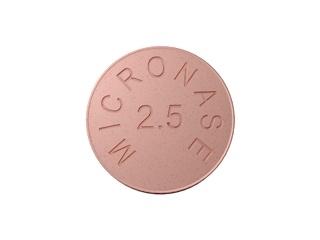
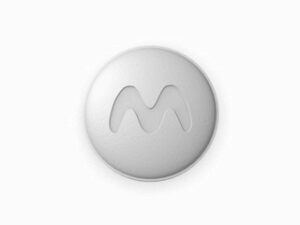
Micronase (Glyburide) — Patient Information (UK)
Micronase is a brand of glyburide, a medicine used to treat type 2 diabetes. It belongs to a group of medicines called sulfonylureas, which lower blood sugar by helping the pancreas release insulin. This information is designed to be patient-friendly and to help you understand how Micronase may work, how to use it safely, and what to consider in everyday life in the United Kingdom.
Important: This page explains general information. Your clinician’s instructions for you personally are always the most important.
Quick Facts
- Active ingredient: Glyburide (micronised in the brand name)
- Medicinal group: Sulfonylurea
- Used for: Type 2 diabetes in adults (often when diet, weight management, and other medicines are not sufficient)
- Main risk: Low blood sugar (hypoglycaemia)
- Common side effects: Hypoglycaemia, weight gain, nausea or stomach upset
- Food timing matters: Taking with meals can reduce the risk of low blood sugar
Basic Product Information
| Category | Details |
|---|---|
| Brand name | Micronase |
| Generic name | Glyburide (also called glibenclamide in some regions) |
| How it’s taken | Oral tablets |
| Diabetes type | Type 2 diabetes |
| Medicinal class | Sulfonylurea |
Note for UK patients: Availability and specific tablet strengths can vary. Your pharmacy can confirm the exact product details and strength in stock.
How Micronase Works (Mechanism of Action)
In type 2 diabetes, the body does not use insulin as effectively as it should, and insulin production may not be enough over time. Glyburide works by stimulating the pancreas to release insulin.
- Glyburide binds to sulfonylurea receptors on pancreatic beta cells.
- This helps close potassium channels in the beta cells.
- As a result, insulin secretion increases.
- More insulin helps lower blood glucose, particularly after meals and throughout the day.
Because it increases insulin release, Micronase can sometimes lower blood sugar too much—especially if meals are delayed, if you skip food, or if you exercise more than planned.
Pharmacokinetics (How the Body Handles It)
Pharmacokinetics describes what happens to the medicine after you take it. While individual responses vary, the following outlines typical patterns.
- Absorption: Glyburide is absorbed from the gastrointestinal tract after oral dosing.
- Onset: Blood sugar lowering usually begins within a few hours, with effect peaking around the middle of the day (timing may vary by dose and individual).
- Protein binding: Glyburide is highly bound to blood proteins, influencing how much active drug is available.
- Metabolism: It is metabolised mainly in the liver.
- Elimination: Metabolites are cleared via urine and bile/faeces. How quickly this happens can be slower in some people with impaired liver or kidney function.
- Duration: The blood sugar effect can last long enough to need careful meal timing; dosing schedules are designed to match this.
Why this matters: If you miss meals, drink alcohol excessively, take other glucose-lowering medicines, or have kidney/liver problems, you may be at greater risk of hypoglycaemia.
Typical Use in the UK
Micronase is used to improve blood sugar control in type 2 diabetes. It is often considered when:
- Diet and exercise alone are not sufficient, and/or
- Other treatments (for example, metformin or other diabetes medicines) are not adequate or not suitable, and/or
- There is a need for additional insulin-stimulating effect.
In many UK care pathways, sulfonylureas remain an established option. However, the balance of benefits and risks depends on your age, kidney function, risk of low blood sugar, current medicines, and overall cardiovascular risk.
Indications (When It’s Used)
Micronase is indicated for the treatment of type 2 diabetes mellitus, typically in adults.
It may be used:
- As monotherapy (alone), in selected patients
- In combination with other diabetes medicines (for example, metformin), where blood glucose targets are not met
Dosing & Timing: What You Should Know
Always follow your prescribed dose and schedule. Dosing for glyburide is individual and should be adjusted according to blood glucose results and your risk of hypoglycaemia.
Common dosing principles
- Start low, go slow: Many clinicians start at a lower dose and increase gradually.
- Meal timing: Sulfonylureas are commonly taken with breakfast and/or the main meal to reduce hypoglycaemia risk.
- Use consistent routines: Taking at the same time each day helps you predict effects.
Typical schedule (general guidance)
Micronase regimens can vary, including once or twice daily dosing. Your exact plan may depend on tablet strength and how your blood sugar responds.
- If taken once daily, it is commonly taken with breakfast or another main meal.
- If taken twice daily, doses are often taken with morning and evening meals.
Do not adjust your dose without medical advice. If your meals change (e.g., you eat less, skip breakfast, or change to shift-work eating), you may need review to maintain safe blood sugar control.
Food Interactions & Dietary Considerations
Micronase is affected mainly by meal timing. Food does not “cancel” the medicine, but it can help prevent low blood sugar.
- Take with food: Following your dosing instructions to take the tablet with meals can reduce hypoglycaemia risk.
- Do not skip meals: If you miss a meal, your blood sugar may drop too low.
- Carbohydrate distribution: Regular carbohydrate intake can help stabilise glucose levels.
- Illness and reduced intake: During vomiting, diarrhoea, or reduced eating, you may be at higher risk of hypoglycaemia.
Practical tip: Consider carrying fast-acting glucose (such as glucose tablets or a glucose gel) if you are at risk of hypos, and ensure household members know what to do.
Alcohol Interactions
Alcohol can increase the risk of hypoglycaemia with sulfonylureas. It can also affect your ability to recognise early symptoms of low blood sugar.
- Limit alcohol intake and avoid binge drinking.
- Avoid drinking alcohol on an empty stomach.
- If you drink alcohol, monitor your blood glucose more carefully.
Seek urgent help if you develop severe symptoms of hypoglycaemia (such as confusion, seizures, or losing consciousness).
Medicine Interactions (Other Drugs That May Affect Safety)
Glyburide can interact with other medicines that either increase hypoglycaemia risk or affect blood sugar control. Always inform your pharmacy and clinicians about all medicines you take, including over-the-counter products and herbal supplements.
Medicines that may increase hypoglycaemia risk
- Other diabetes medicines (for example, insulin, other glucose-lowering tablets)
- Some antibiotics (examples include certain drugs that can affect metabolism)
- Some pain medicines, anti-inflammatories, and other agents (depending on the specific product)
- Drugs affecting liver metabolism
Medicines that may reduce glyburide effect
- Some steroid medicines (e.g., prednisolone) can raise blood glucose
- Some diuretics (water tablets) may affect blood sugar in some individuals
- Other medicines that counteract insulin activity
What to do if you start or stop a medicine
- Check with a healthcare professional before changes.
- Be prepared for temporary increased monitoring of blood glucose.
- Do not stop Micronase abruptly unless advised.
Always read the patient information leaflet that comes with your specific Micronase product for a complete list of interactions.
Safety Profile: Side Effects & Risks
Like all medicines, Micronase can cause side effects. Not everyone experiences them. Some adverse reactions are related to the way it lowers glucose.
Important risks
- Hypoglycaemia (low blood sugar): The most significant risk with sulfonylureas.
- Weight gain: Insulin release can contribute to weight increase in some people.
- Allergic reactions: Rare, but seek urgent help if you develop swelling, breathing difficulties, or widespread rash.
Common or possible side effects
- Low blood sugar symptoms (may include shakiness, sweating, dizziness, hunger, headache, irritability)
- Nausea, indigestion, or stomach discomfort
- Weight increase
- Fatigue
Seek urgent medical advice if
- You have severe or prolonged hypoglycaemia
- You are unable to eat or drink due to vomiting or illness
- You develop signs of serious allergic reaction
- You notice symptoms suggesting liver problems (for example, yellowing of the skin/eyes, dark urine) — uncommon, but important
Practical Use Tips (How to Take Micronase Safely)
1) Match tablets to meals
- Take doses with the recommended meal(s).
- If your routine changes (travel, shift work, fasting for religious reasons), ask your clinician about how to adjust timing safely.
2) Monitor blood sugar as advised
- Use home blood glucose monitoring if recommended.
- Keep a record of readings and any symptoms of hypoglycaemia.
3) Recognise early symptoms of hypoglycaemia
Symptoms can vary between people. Some people do not feel early warnings. If you have had frequent hypos, ask your clinician about strategies to reduce risk.
4) Plan exercise carefully
- Exercise can lower blood glucose.
- If you’re more active than usual, you may need additional monitoring or adjustments to reduce hypoglycaemia risk.
5) Carry identification
- Consider a diabetes card or medical alert to let others know you have diabetes and what treatment you use.
What to Do If You Miss a Dose
General advice (but not a substitute for leaflet instructions): If you miss a dose, take it when you remember only if it’s close to the time you usually take it and you can eat as planned. If it’s nearly time for the next dose, skip the missed dose and continue your regular schedule.
Do not take a double dose to make up for a missed tablet. If you are unsure, contact your pharmacist or healthcare provider.
Alternative Options for Type 2 Diabetes (UK)
Several other treatments are available for type 2 diabetes. Which option is best depends on your HbA1c, weight goals, kidney function, cardiovascular risk, risk of hypos, and tolerance of side effects.
Common alternatives (examples)
- Metformin (often first-line)
- DPP-4 inhibitors (e.g., sitagliptin, linagliptin)
- GLP-1 receptor agonists (injections; some have weekly dosing)
- SGLT2 inhibitors (tablets; can support kidney and heart outcomes for some patients)
- Other sulfonylureas (some clinicians consider alternatives within the class)
- Insulin (for more advanced disease or specific situations)
Why alternatives matter: Compared with some newer medicines, sulfonylureas are more strongly associated with hypoglycaemia and weight gain. However, they can be effective and cost-effective for many people. Your clinician can help you decide the best fit.
Market & Legal Context in the United Kingdom
In the UK, medicines are regulated by the Medicines and Healthcare products Regulatory Agency (MHRA). Diabetes medicines are used under NHS and private healthcare pathways, and quality, safety, and product information are governed by UK legislation and EU-derived requirements that are implemented in UK law.
Micronase (glyburide) is an established medicine internationally. In the UK, prescribing and supply depend on clinical need, availability, and product licensing details (including tablet strength and formulation). Your local pharmacy can advise on current stock and suitable alternatives if a specific strength is temporarily unavailable.
Recent Guidance (General UK Approach)
While exact recommendations can change over time, UK diabetes guidance typically focuses on:
- Individualising treatment based on risk of hypoglycaemia, weight, comorbidities, and patient preferences
- Using medicines with evidence for cardiovascular and kidney outcomes where appropriate (for eligible patients)
- Reviewing therapy regularly, especially if blood glucose targets are not met or if side effects occur
If you are currently on glyburide, it’s still important to have periodic reviews of your HbA1c, kidney function, weight, and frequency of hypos. Do not stop treatment without clinical advice; instead, discuss whether a change in regimen is appropriate.
Delivery, Availability & Customer Service (Online Pharmacy)
Availability of Micronase can vary due to supply timelines, manufacturing batches, and local stock. Many online pharmacies in the UK:
- Offer clear information about current availability and tablet strength
- Provide delivery estimates at checkout
- Support customer queries about medication appearance and strength
Delivery considerations:
- Medicines should be stored at room temperature and out of direct sunlight unless your leaflet states otherwise.
- Keep tablets in their original packaging to protect from moisture and to confirm strength.
If Micronase is out of stock, your pharmacy may suggest an alternative product or strength where appropriate.
FAQ
1) What is Micronase used for?
Micronase (glyburide) is used to help control type 2 diabetes by increasing insulin release from the pancreas, which lowers blood glucose.
2) When should I take Micronase?
It depends on your personal dosing schedule. Many regimens are taken with meals to reduce the risk of low blood sugar. Follow your instructions and keep meal timing consistent.
3) What happens if I skip a meal?
Skipping meals while taking a sulfonylurea increases the risk of hypoglycaemia. If a meal is missed, consult your healthcare professional for advice on how to handle that situation safely.
4) Can I drink alcohol while taking Micronase?
Alcohol can increase hypoglycaemia risk. It’s safest to keep intake low and avoid drinking on an empty stomach. If you drink, consider closer glucose monitoring.
5) What are the signs of hypoglycaemia?
Early symptoms may include shaking, sweating, dizziness, hunger, headache, weakness, and irritability. Some people experience no warning signs. If symptoms occur, treat promptly with fast-acting carbohydrate and seek urgent help if severe.
6) What other medicines interact with glyburide?
Many drugs can influence blood glucose or glyburide metabolism. In particular, medicines that affect liver enzymes, blood sugar, or appetite can alter risk. Always check with a pharmacist before starting new medicines.
7) Will Micronase cause weight gain?
Weight gain can occur in some people, partly because improved insulin action can increase storage of energy. Lifestyle measures and regular reviews can help manage this.
8) Can I take Micronase if I have kidney or liver problems?
Kidney or liver impairment may increase exposure and hypoglycaemia risk. Your clinician may adjust the dose or choose an alternative depending on your health status.
9) Are there alternatives if I don’t tolerate glyburide?
Yes. Alternatives include other oral medicines (such as metformin, DPP-4 inhibitors, SGLT2 inhibitors) or injectable options (such as GLP-1 receptor agonists), depending on your clinical profile.
10) Is Micronase available online in the UK?
Availability depends on stock and supply. Your online pharmacy can confirm the exact strength and delivery options at the time of ordering.
Final Reminder
Micronase (glyburide) can be an effective part of managing type 2 diabetes, but it requires careful meal timing and attention to hypoglycaemia risk. If you experience low blood sugar symptoms, illness with reduced eating, or you notice changes after starting other medicines, contact a healthcare professional for advice.