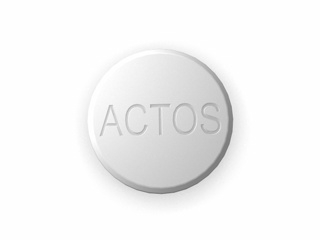
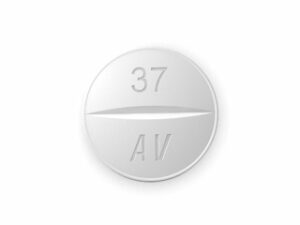
Actos (Pioglitazone) – Patient Information (UK)
Actos contains pioglitazone, a medicine used to help control blood glucose (sugar) in adults with type 2 diabetes. It works by improving how your body responds to insulin. This page explains what Actos is, how it works, how it’s taken, key safety information, and practical tips for everyday use.
Please read the information carefully and follow the advice given by your healthcare professional. If you have any concerns or experience side effects, seek medical advice promptly.
Basic product information
| Item | Details |
|---|---|
| Medicine name | Actos |
| Active ingredient | Pioglitazone |
| Medicinal type | Thiazolidinedione (TZD) antidiabetic medicine |
| Indication (main use) | Adults with type 2 diabetes, often in combination with other glucose-lowering medicines |
| How it’s taken | Oral tablet, usually once daily |
| Common effect on HbA1c | Gradual reduction over weeks; full effect may take several weeks |
How Actos works (mechanism of action)
In type 2 diabetes, the body does not use insulin effectively. Pioglitazone belongs to the group of medicines called thiazolidinediones. It activates a receptor called PPAR-γ (peroxisome proliferator-activated receptor gamma), which changes how the body handles fat, sugar and insulin.
- Improves insulin sensitivity in muscle and fat tissues.
- Helps the liver use insulin more effectively to reduce glucose output.
- Can lead to lower blood glucose and a reduction in HbA1c over time.
Unlike some other diabetes medicines, Actos typically does not directly stimulate the pancreas to release insulin. It works by improving the body’s response to insulin.
Pharmacokinetics (how the body handles pioglitazone)
Pharmacokinetics describes how the medicine is absorbed, distributed, metabolised and eliminated. Pioglitazone is absorbed after oral dosing and undergoes extensive metabolism in the liver. It is also a medication with a long-lasting effect due to the presence of active metabolites.
- Absorption: Pioglitazone is absorbed from the gut after a tablet is swallowed.
- Metabolism: It is metabolised mainly in the liver.
- Distribution: It is widely distributed in the body and binds to proteins.
- Elimination: The drug and its metabolites are cleared mostly through hepatic metabolism and excretion in bile.
- Half-life: The active metabolites contribute to a prolonged duration of action.
Because of this profile, the effect on blood sugar is usually gradual, and changes in HbA1c can take several weeks to become clear.
Typical uses in the UK
Actos is used for type 2 diabetes in adults when blood glucose control is not adequate. In the UK, it is commonly used as part of a planned diabetes treatment strategy that may include lifestyle measures and other glucose-lowering medicines.
Common treatment situations
- Monotherapy: Sometimes in people who cannot take other medicines.
- Combination therapy: Often added when metformin and/or other treatments do not achieve sufficient control.
- Special considerations: Your clinician will consider your overall risk profile, other conditions and previous response to medicines.
Actos may also be selected where weight effects and hypoglycaemia risk are relevant factors—remember that individual suitability depends on your medical history.
When to take Actos (timing and how to use)
Actos is usually taken once daily, at the same time each day to help you remember. Your healthcare professional will advise the dose.
- Choose a consistent time: Many people take it in the morning or evening.
- Follow dose instructions: Do not change the dose without advice.
- Swallow the tablet whole: Use water; do not crush or chew unless your pharmacist advises otherwise.
How long until it starts working?
You may not notice immediate changes in day-to-day blood sugar. The reduction in HbA1c typically becomes more evident over several weeks. Continue taking it as directed, and monitor as advised by your healthcare team.
Food interactions
Pioglitazone can generally be taken with or without food. That means you do not typically need to take it at a particular time relative to meals. However:
- Try to be consistent with your routine (same time daily).
- If you notice stomach upset, taking it with food may help.
- Always follow your local advice—product-specific instructions from your label and pharmacist are most important.
Alcohol and medicine interactions
Alcohol may affect blood glucose control and can increase strain on the liver. With medicines like pioglitazone, alcohol use should be moderated and discussed with your healthcare professional, especially if you have liver disease or regularly drink alcohol.
Practical alcohol guidance
- Limit alcohol and avoid binge drinking.
- If you experience unusual bruising, dark urine, yellowing of the skin/eyes, or severe nausea, seek medical advice urgently.
- If you develop symptoms of low blood sugar (more likely when combined with other medicines), treat low sugar promptly and contact your clinician if needed.
Other medicine interactions
Pioglitazone is metabolised in the liver and may interact with other medicines. Tell your pharmacist or healthcare professional about all medicines you take, including:
- Other diabetes medicines (e.g., insulin, sulfonylureas)
- Rifampicin or medicines that affect liver enzymes
- Medicines that influence clotting, blood pressure or fluid balance
- Over-the-counter medicines and herbal supplements
Your clinician may monitor blood sugar and adjust treatment if interactions are likely.
Indications (who Actos is for)
Actos (pioglitazone) is indicated for the treatment of type 2 diabetes mellitus in adults, typically as:
- Monotherapy in selected adults when metformin is not appropriate or not tolerated.
- Combination therapy with other glucose-lowering medicines where additional blood sugar control is needed.
Whether Actos is appropriate for you depends on factors such as kidney function, liver health, risk of fluid retention, heart disease history, and your current regimen.
Dose information (typical dosing approach)
Dosing varies by individual and by the tablet strength available. The prescriber will decide the starting dose and may adjust it based on blood glucose results and tolerability.
Typical starting and adjustment (general guidance)
- Commonly, treatment starts at a low dose to assess tolerance.
- The dose may be increased gradually if needed for better glucose control.
- Response is monitored using blood glucose readings and HbA1c.
Missed dose
- If you miss a dose and remember soon after, take it when you remember.
- If it is close to the time of the next dose, skip the missed dose.
- Do not double up to make up for a missed tablet.
Stopping Actos
Do not stop Actos suddenly unless advised. Stopping may worsen blood glucose control. If you need to stop, your clinician may offer an alternative plan.
Safety profile and important risks
Like all medicines, Actos can cause side effects. Many people tolerate it well, but some risks require careful monitoring. Your healthcare team will assess your suitability before starting and will monitor you during treatment.
Common side effects
- Weight gain
- Fluid retention (oedema), which may cause swelling in legs/ankles
- Headache
- Shortness of breath in some cases, particularly if fluid retention is significant
- Increased appetite in some people
Serious side effects (seek urgent medical advice)
- Signs of heart failure or worsening fluid retention: breathlessness, rapid weight gain, swollen feet/ankles, waking up breathless at night.
- Signs of liver problems: yellowing of skin/eyes (jaundice), dark urine, severe fatigue, persistent nausea/vomiting, abdominal pain.
- Allergic reactions: rash, swelling of face/lips, difficulty breathing.
Heart and fluid-related considerations
Pioglitazone can cause fluid retention. People with a history of heart failure or at risk of it may need extra caution or monitoring.
If you notice swelling, rapid weight gain, or increasing breathlessness, contact your healthcare professional promptly.
Monitoring recommendations
Your clinician may monitor:
- HbA1c and blood glucose response
- Body weight and signs of oedema
- Liver function (as advised locally/clinically)
- Kidney function where relevant
Fracture risk and other long-term considerations
Some studies have suggested an association between pioglitazone and an increased risk of fractures, particularly in certain populations. This is why your clinician will weigh benefits and risks for you.
Bladder concerns
Pioglitazone has been investigated with regard to bladder health. Your healthcare team will consider your history and discuss potential risks and the importance of reporting symptoms such as blood in the urine.
If you have any concerns about bladder symptoms, kidney or heart conditions, discuss them with your clinician before and during treatment.
Practical use tips (getting the best from your medicine)
- Keep taking it consistently: The glucose-lowering effect builds gradually.
- Track your blood sugar: Use your meter or follow finger-prick testing guidance if provided.
- Know the warning signs: Learn to recognise swelling, rapid weight gain, or breathlessness.
- Maintain lifestyle changes: Diet, physical activity and weight management remain essential.
- Check for “hidden” sugar sources: Drinks and snacks can affect control even with medication.
- Keep regular appointments: Diabetes medicines often require ongoing review and monitoring.
Weight changes: what to do
Weight gain can occur with pioglitazone. Sometimes it is related to fluid retention rather than fat. If your weight increases quickly (for example, over a few days), contact your healthcare team to assess for fluid retention.
Exercise and hydration
Regular activity improves insulin sensitivity and cardiovascular health. If you have swelling or breathlessness, ask your clinician what activities are safe and how to pace your exercise.
Alternative options for type 2 diabetes (discuss with your clinician)
There are several classes of glucose-lowering medicines available in the UK. The most appropriate choice depends on your: current HbA1c, kidney and liver function, weight goals, risk of heart or kidney disease, and risk of side effects.
Common alternative medicine classes
- Metformin (often first-line)
- SGLT2 inhibitors (help the kidneys remove glucose; may support heart/kidney outcomes in selected patients)
- GLP-1 receptor agonists (may help with weight and glycaemic control)
- DPP-4 inhibitors
- Sulfonylureas (can cause hypoglycaemia in some combinations)
- Insulin (effective for glucose control but requires careful monitoring)
Your clinician can explain why Actos may or may not be suitable compared with alternatives, and what monitoring is needed for any chosen option.
UK market and legal/regulatory context
Actos (pioglitazone) is an established medicine in the UK diabetes market. Medicines used for diabetes are governed by UK regulations and guidance, including assessment of safety data and updates to prescribing advice when new evidence becomes available.
The availability, formulary status, and preferred options may vary by:
- Local commissioning and NHS formularies
- Clinical guidance and individual patient circumstances
- Drug supply and marketing authorisation arrangements
Your pharmacist can provide up-to-date information about availability and suitable alternatives if a specific pack size is not currently available.
Recent guidance and clinical updates (what to know)
Diabetes prescribing in the UK is influenced by clinical guidance and safety reviews. Guidance may emphasise:
- Individualising treatment choices based on comorbidities (such as heart failure, kidney disease, and weight considerations)
- Monitoring for known risks (for example, fluid retention with thiazolidinediones)
- Regular review of HbA1c targets and ongoing medicine appropriateness
- Considering newer medicine options with additional benefits in certain patient groups
Because medicine recommendations can change as evidence evolves, always follow the advice you receive from your healthcare professional.
Delivery and availability (online pharmacy)
Actos tablets may be available in different strengths and pack sizes depending on supplier stock. Delivery options vary by pharmacy and location across the UK.
- Check availability: If your exact strength is temporarily out of stock, the pharmacy may offer an alternative pack size if clinically appropriate.
- Cold-chain delivery: Pioglitazone tablets typically do not require refrigeration.
- Packaging: Medicines are supplied in manufacturer packaging or approved pharmacy packaging.
- Delivery times: Usually depend on the service selected at checkout and local logistics.
If you have any urgent need for your medicine, contact customer support to confirm dispatch and delivery estimates.
FAQ
1) What is Actos used for?
Actos (pioglitazone) is used to treat type 2 diabetes in adults by improving insulin sensitivity. It may be used alone or with other glucose-lowering medicines.
2) How quickly will my blood sugar improve?
The effect is gradual. Some people notice changes earlier, but meaningful HbA1c improvements generally take several weeks. Keep taking it as directed and attend planned reviews.
3) Can I take Actos with food?
Yes. Pioglitazone can usually be taken with or without food. Take it consistently at the same time each day.
4) Does Actos cause low blood sugar?
Actos alone typically has a lower risk of causing hypoglycaemia than medicines that directly increase insulin release. However, the risk can increase when used with other medicines such as insulin or certain sulfonylureas. If you take combination therapy, ask your healthcare professional about your individual risk.
5) What side effects should I watch for?
Watch for swelling, rapid weight gain, or breathlessness (fluid retention/heart-related signs). Also report symptoms suggesting liver problems or allergic reactions. If you are unsure, seek medical advice.
6) Is Actos safe for everyone with type 2 diabetes?
No. Suitability depends on factors such as heart failure risk, liver health, and other medicines you take. Your clinician will assess the benefits and risks for you.
7) Can I drink alcohol while taking Actos?
You should moderate alcohol intake and discuss your pattern of drinking with your healthcare professional, particularly if you have liver disease or are experiencing diabetes-related complications.
8) What should I do if I miss a dose?
Take it when you remember unless it’s close to your next dose. Do not double up. If you’re unsure, ask your pharmacist.
9) Are there alternatives to Actos?
Yes. Options include metformin, SGLT2 inhibitors, GLP-1 receptor agonists, DPP-4 inhibitors, sulfonylureas, and insulin. The best choice depends on your health profile and treatment goals.
10) Will Actos affect my driving or ability to operate machinery?
Actos is not usually associated with drowsiness, but diabetes medicines combined with other treatments can increase the risk of hypoglycaemia, which may affect alertness. If you experience low blood sugar symptoms (such as dizziness, sweating, or confusion), avoid driving until resolved.
Summary
Actos (pioglitazone) improves insulin sensitivity and helps lower blood glucose in adults with type 2 diabetes. It is typically taken once daily, with or without food, and its glucose-lowering effect builds gradually. As with all medicines, it’s important to monitor for possible side effects—especially fluid retention and any heart-related symptoms— and to follow regular diabetes reviews.
If you have questions about whether Actos is suitable for you, or how to manage your diabetes safely, speak to your pharmacist or healthcare professional.