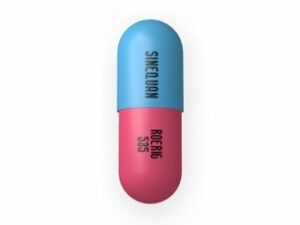
Revia (Naltrexone) – Patient Information (UK)
Revia contains naltrexone, a medicine used to help treat certain conditions related to alcohol and opioid dependence. This page explains how Revia works, how it is typically taken, key safety information, and practical tips for day-to-day use in the United Kingdom.
Always read the patient information leaflet supplied with your medicine. If you have questions, speak with a healthcare professional or your local pharmacist.
Key product information
| Medicine | Revia |
|---|---|
| Active ingredient | Naltrexone |
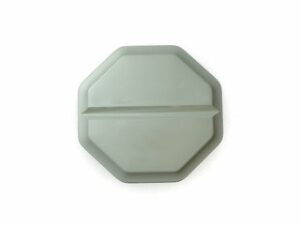
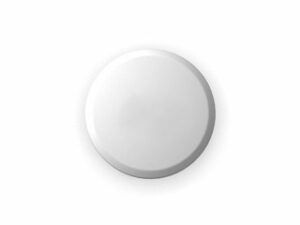
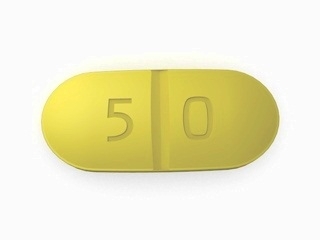
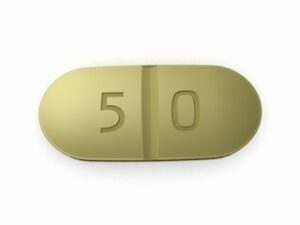
| How it is usually supplied | Tablets (strengths commonly include 50 mg) |
| Medicinal use | Helps reduce relapse risk in alcohol dependence; supports treatment planning in opioid dependence |
| How it works | Blocks opioid receptors in the brain |
What Revia is used for (indications)
In the UK, naltrexone medicines such as Revia are used as part of a broader treatment plan. The exact suitability for an individual depends on medical history, current substances used, and whether opioids are present in the body.
- Alcohol dependence: to help reduce heavy drinking and support treatment goals.
- Opioid dependence: in selected situations as part of a structured programme. Naltrexone is not suitable if opioids are still present in the body.
Revia should be used alongside psychosocial support (for example counselling or structured therapy), not as a stand-alone solution.
How Revia works (mechanism of action)
Naltrexone is an opioid receptor antagonist. This means it blocks receptors in the brain that normally respond to opioids.
Alcohol dependence
Although alcohol is not an opioid, alcohol use can affect brain pathways involving opioids and reward. By blocking opioid receptors, naltrexone may reduce the rewarding effects associated with alcohol, which can help support reduction or abstinence goals.
Opioid dependence
Naltrexone binds to opioid receptors and prevents opioid drugs (such as heroin or morphine) from producing their effects. This helps reduce cravings and discourages opioid use by removing the expected “high”.
- Important: If opioids are taken after naltrexone, they are less likely to work. Attempting to overcome this with larger opioid doses can be extremely dangerous.
Pharmacokinetics (how the body processes the medicine)
Pharmacokinetics describes what happens to a medicine after you take it—absorption, distribution, metabolism, and elimination.
- Absorption: Naltrexone is absorbed after oral dosing. Food can influence absorption slightly, but overall effectiveness is generally maintained.
- Metabolism: Naltrexone is metabolised mainly in the liver to 6-β-naltrexol, an active metabolite.
- Distribution: It distributes through body tissues, including the central nervous system.
- Elimination: The drug and its metabolites are eliminated primarily via the kidneys (urine).
- Duration of action: Although dosing is once daily for many people, the receptor-blocking effect can last longer than a single dose; the exact duration varies by person.
If you have liver or kidney problems, your healthcare professional may need to monitor you more closely or adjust treatment plans.
Typical timing and how to take Revia
Many people take naltrexone once daily. A consistent routine can make it easier to adhere to treatment and monitoring.
When to take it
- Once daily at about the same time each day (for example, morning or evening).
- Try to take it consistently with your usual daily routine.
Can I take it with food?
- Revia can generally be taken with or without food.
- If nausea occurs, taking it with food may help.
What if you miss a dose?
- Take it when you remember if it is still close to your normal time.
- If it is almost time for the next dose, skip the missed dose and continue as normal.
- Do not take a double dose to make up for a missed tablet.
Dosing (general information)
Dosage depends on the reason for treatment, previous opioid exposure, and tolerability. Always follow the plan set out by your healthcare professional and the dosing instructions provided with your medicine.
Common adult dosing approach
- Alcohol dependence: commonly 50 mg once daily, though the starting and monitoring plan may vary.
- Opioid dependence: dosing decisions are typically made only after careful assessment and ensuring opioids are not present.
Starting the medicine
Some people benefit from a careful start to reduce side effects. For example, a clinician may use a smaller starting dose before moving to a target dose.
- Do not start if you are currently using opioids or have used opioids recently.
- Ensure appropriate waiting time after stopping opioids, as advised by your clinician. This is essential to prevent sudden withdrawal.
Food interactions and eating considerations
There are generally no major food restrictions with Revia.
- Alcohol and meals: Avoid alcohol while taking naltrexone unless specifically advised as part of your treatment goal.
- Nausea: Taking the dose with a light meal can sometimes reduce stomach upset.
- Hydration: Maintain adequate fluids, especially if you feel unwell or experiencing side effects.
If you notice persistent stomach problems, discuss them with a healthcare professional—adjustments to timing, review of other medicines, or further investigations may be needed.
Alcohol interactions
Naltrexone is often prescribed to support reduction or abstinence from alcohol. However, it does not make alcohol safer.
- Do not drink heavily as part of “testing” whether it works—drinking may still cause harm.
- If you experience dizziness, drowsiness, or nausea, avoid driving and alcohol-containing drinks until you feel well again.
- Seek medical advice if you have symptoms of liver problems (see safety section below).
Interactions with other medicines (including opioid-containing medicines)
The most important interaction is with opioids. Naltrexone blocks opioid receptors, so opioid medicines may not work as expected while you are on Revia.
Opioid medicines
- May be blocked: pain relief and cough medicines that contain opioids may provide reduced effect.
- Safety risk: taking additional opioids to “push through” naltrexone is dangerous and may lead to severe side effects once the blockade wears off or if other drugs interact.
- Emergency situations: tell medical staff that you are taking naltrexone. Alternative pain control strategies may be required.
Other medicines
Naltrexone is metabolised in the liver. Some medicines can affect liver enzymes or liver function. Not all interactions are predictable, so it’s important to review your entire medicine list.
- Tell your healthcare professional about any prescribed medicines, over-the-counter products, and herbal supplements.
- Be especially cautious if you take medicines known to affect the liver.
- Because individual factors differ, your pharmacist can provide a tailored interaction check.
Do not start or stop medicines without advice—interaction risk can depend on dose, timing, and liver health.
Safety profile: who should take care
Like all medicines, Revia can cause side effects. Many are mild and improve over time, but some require prompt medical attention.
Common side effects
- Nausea
- Headache
- Dizziness
- Fatigue
- Sleep problems or drowsiness
- Stomach discomfort
Less common but important effects
- Liver-related problems: naltrexone can affect liver function in some people, particularly at higher doses or in those with existing liver disease.
- Withdrawal-like symptoms in people who have opioids in their system.
- Allergic reactions (rare): swelling, rash, or breathing difficulties.
Seek urgent medical help if
- you have signs of severe allergy (face/lip swelling, difficulty breathing)
- you develop severe abdominal pain, yellowing of skin/eyes, dark urine, or unusual bruising/bleeding (possible liver issues)
- you experience severe confusion, extreme drowsiness, or collapse
- you suspect you may have taken opioids while on naltrexone and feel unwell
Who needs extra caution
- Liver disease or significantly raised liver enzymes
- Current opioid use or recent opioid exposure
- Kidney problems (may require closer monitoring)
- Pregnancy or breastfeeding: discuss with a clinician to weigh benefits and risks
- Adolescents: safety and suitability should be reviewed by a healthcare professional
Practical use tips for better outcomes
Revia works best as part of a plan. These practical suggestions can help you use the medicine more effectively and safely.
- Build a routine: choose a time you can reliably remember (e.g., after breakfast).
- Combine with support: counselling, mutual-aid groups, or structured alcohol/relapse-prevention programmes often improve success.
- Know your triggers: plan what you will do when cravings arise (avoid high-risk locations, call a supportive person, use coping strategies).
- Keep a record: note dose times, side effects, and drinking/relapse events to discuss at follow-up.
- Do not “test” it with opioids or alcohol: attempting to override naltrexone can be harmful.
- Plan for pain relief: if you may need treatment for injury or surgery, tell healthcare staff you take naltrexone.
Driving and alcohol
Naltrexone may cause dizziness or sleepiness in some people. If you feel affected, avoid driving or operating machinery until you know how you respond.
Alternative options (UK)
Depending on your situation, other treatment options may be considered by healthcare professionals.
For alcohol dependence
- Acamprosate: helps maintain abstinence in some people.
- Disulfiram: used in motivated individuals with strict avoidance of alcohol.
- Psychosocial treatments: such as motivational interviewing, cognitive-behavioural therapy, and relapse-prevention programmes.
For opioid dependence
- Opioid substitution therapy (OST) such as buprenorphine or methadone, which reduces harm and supports recovery.
- Specialist-led programmes combining medication, counselling, and monitoring.
Choosing between options depends on your goals (abstinence vs reduction), health status, previous treatment response, and the presence of other substances.
Market and legal context in the United Kingdom
In the UK, medicines are regulated by the Medicines and Healthcare products Regulatory Agency (MHRA). Marketing authorisations, prescribing arrangements, and safety updates follow UK regulatory requirements.
Availability of Revia may vary by pharmacy and supplier, and it may be affected by stock levels, regional distribution, or formulation supply. Your pharmacist can advise on availability and suitable alternatives if the medicine is temporarily out of stock.
As with all medicines, manufacturers and regulators may issue updates on safety information. If you want the most current information, speak to a healthcare professional or check official safety communications through appropriate NHS or MHRA resources.
Recent guidance (general)
In recent years, UK clinical approaches to substance dependence have emphasised:
- Safety screening (including careful assessment of opioid exposure before using naltrexone for opioid dependence)
- Combining medication with structured psychosocial support
- Monitoring of liver function where relevant
- Individualised treatment plans based on coexisting mental/physical health conditions
Important: Guidance can evolve. Your clinician will follow the latest local protocols and best practice recommendations.
Delivery and availability in the UK
Availability can differ between pharmacies. Some online pharmacies may keep stock, while others use supplier networks and may deliver within a standard timeframe once an order is confirmed.
- Dispatch: orders are typically dispatched on working days when stock is available.
- Delivery: courier delivery is usually offered to mainland UK addresses; delivery options and timeframes vary by provider.
- Out of stock: if Revia is unavailable, you may be offered an alternative similar option only if it is clinically appropriate and permitted by your pharmacy.
If you need your medicine urgently, contact the pharmacy before placing your order so they can check current stock and delivery schedules.
Safety checklist before you start (helpful questions)
Use this checklist as a guide to discuss with your clinician or pharmacist:
- Have you used any opioid medicines or illicit opioids recently?
- Do you have any history of liver disease or raised liver enzymes?
- Are you taking other medicines that might affect the liver or interact with opioids?
- Do you have current pain that may require opioid painkillers?
- Are you pregnant, trying to conceive, or breastfeeding?
FAQ
1. Is Revia the same as naltrexone?
Yes. Revia is a brand name that contains naltrexone, the active ingredient.
2. How quickly will Revia start working?
Some people notice changes in cravings or relapse risk support relatively early after starting. However, response varies and the best results usually come with consistent use and ongoing support.
3. Can I drink alcohol while taking Revia?
Revia is commonly used to help reduce alcohol use, but it does not make drinking safe. If your plan is abstinence, avoid alcohol. If your plan is reduction, follow your agreed targets and speak with your healthcare team if you struggle.
4. What happens if I take opioids while on Revia?
Naltrexone blocks opioid receptors, so opioids may not work as expected. Trying to overcome the blockade by taking more opioids can be dangerous. If you need urgent pain relief, tell healthcare professionals that you take naltrexone so they can choose safe alternatives.
5. Can I take Revia with other non-opioid painkillers?
In many cases, non-opioid painkillers (such as paracetamol or ibuprofen) may be used, but it depends on your health and the specific product. Check with your pharmacist, especially if you have liver problems or take other medicines.
6. Does food affect Revia?
Revia can generally be taken with or without food. Taking it with food may reduce nausea for some people.
7. What side effects are most common?
The most common side effects include nausea, headache, dizziness, fatigue, and sleep disturbance. If side effects are severe or persistent, contact a healthcare professional.
8. Does Revia affect the liver?
Naltrexone can affect liver function in some people. Your clinician may arrange liver blood tests, especially if you have pre-existing liver disease or symptoms suggest liver problems.
9. How long will I need to take Revia?
Duration depends on your treatment goals and response. Some people take it for a set period as part of a planned relapse-prevention strategy; others may need longer-term support.
10. If I stop taking Revia, what should I expect?
As with many medicines used for dependence treatment, symptoms such as cravings may return. Discuss any stop or continuation plans with your healthcare team rather than stopping suddenly.
Need more help? If you’re unsure whether Revia is suitable for you—especially regarding recent opioid use or liver health—talk to a healthcare professional or your pharmacist for personalised advice.