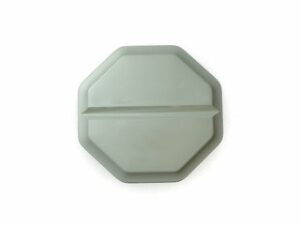
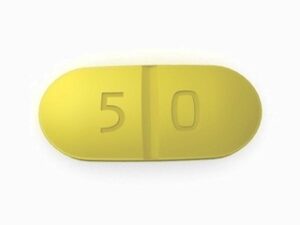
Naltrexone (Naltrexone Hydrochloride) – Patient-Friendly Guide (UK)
Naltrexone hydrochloride is a medicine used to help reduce harmful drinking in some people with alcohol dependence and to support recovery by reducing cravings for certain opioid-type dependencies. It works by blocking specific receptors in the brain and is available in different oral strengths depending on the product brand. This guide explains how it works, how it is typically used, what to expect, and important safety information for people in the United Kingdom.
Key product information
| Item | Details |
|---|---|
| Generic name | Naltrexone hydrochloride |
| Medicinal form | Oral tablets (commonly) |
| Typical purpose | Support for alcohol dependence and/or opioid dependence under specialist guidance |
| How it works | Opioid receptor antagonist (blocks opioid effects) |
| How it’s taken | Often once daily; dose varies by indication and clinical plan |
| Common side effects | Nausea, headache, dizziness, fatigue; possible abdominal discomfort |
| Important warnings | Must not be taken if there’s active opioid use (risk of precipitated withdrawal); liver considerations |
How naltrexone works (mechanism of action)
Naltrexone is an opioid receptor antagonist. It primarily blocks the mu-opioid receptors in the brain. By occupying these receptors, it reduces the effects of opioids and can decrease the rewarding effects that often reinforce opioid use.
In alcohol dependence, naltrexone’s benefit is thought to be linked to its effect on the brain’s opioid system, which interacts with reward pathways involved in alcohol craving and drinking behaviour. While it does not “detox” alcohol, it may help reduce the urge to drink and reduce the pleasurable effects some people experience.
Pharmacokinetics (what the body does with naltrexone)
Understanding how the medicine is processed can help explain timing and why it’s used in a particular way.
- Absorption: After taking an oral dose, naltrexone is absorbed from the gastrointestinal tract.
- Distribution: It distributes throughout the body, including the brain.
- Metabolism: Naltrexone is extensively metabolised in the liver.
- Active metabolite: The main metabolite is 6β-naltrexol, which also contributes to activity.
- Elimination: The metabolites are primarily eliminated via the urine.
- Half-life: Naltrexone and its metabolites have durations of action that support once-daily oral use for many people (exact timing can vary by individual and formulation).
In practical terms, the medicine’s blockade of opioid receptors can persist long enough to reduce the impact of opioids taken after a dose, which is why avoiding opioid use while taking naltrexone is crucial.
Typical use in the UK
In the UK, naltrexone is commonly used as part of a broader treatment plan. It may be offered to support:
- Alcohol dependence: to help reduce relapse risk and support reduction in drinking, particularly when combined with psychosocial support.
- Opioid dependence: to help prevent relapse by blocking opioid effects. This is generally used within a structured programme and after appropriate preparation to avoid opioid withdrawal.
The best outcomes are typically seen when medication is combined with counselling, behavioural support, and relapse-prevention strategies.
Indications (who it may be used for)
Indications can vary by product licence, local service pathways, and clinical assessment. Commonly, naltrexone is used:
- For alcohol dependence in adults, as part of a comprehensive management plan to help maintain abstinence or reduce drinking.
- For opioid dependence after detoxification or when opioids have been cleared from the body, to help prevent relapse by blocking opioid effects.
It is important that the decision to start naltrexone is made with careful assessment of your opioid status (if relevant) and your liver health.
Dosing and timing (general guidance)
Dosing must be individualised. The schedule below provides general information about commonly used regimens; always follow the exact instructions on your medication supply and the advice given by your healthcare team.
1) Alcohol dependence (typical approach)
- Common regimen: Oral dosing once daily is frequently used.
- Starting point: Many treatment plans begin after an initial period of assessment and agreed alcohol goals (abstinence or reduction).
2) Opioid dependence (general approach)
- Key safety step: Naltrexone should not be started until you are free of opioids (to avoid precipitated withdrawal).
- Timing: The “opioid-free” interval depends on the type of opioid used, but it is generally several days for short-acting opioids and longer for longer-acting opioids.
- Programme use: It is usually introduced as part of relapse-prevention care.
When to take it
- Once daily dosing: Choose a time you can stick to. Many people find evening or morning routines help consistency.
- Same time each day: Keeping a regular schedule improves adherence and helps maintain steady receptor blockade.
- If you miss a dose: Take it when you remember if it’s close to your usual time. If you’re near the next dose, skip the missed dose—do not take a double dose.
If you’re unsure about missed doses or how to restart after a break, ask a healthcare professional or pharmacist for advice tailored to your situation.
Food interactions
Naltrexone is generally not significantly affected by food, so you can often take it with or without meals. However, taking it with food may reduce common side effects such as nausea or stomach discomfort.
- Nausea prevention: If you feel nauseated, try taking the tablet with a meal or a snack.
- Consistency: If you tolerate it best with food, take it the same way each day.
- Hydration: Drinking water can help with swallowing comfort and general tolerance.
Alcohol interactions
Because naltrexone is used for alcohol dependence, many patients wonder whether they can drink while taking it. The key point is:
- Naltrexone does not make alcohol “safe”. Drinking may still worsen mood, sleep, decision-making, and overall health.
- Some people may notice reduced rewarding effects. This can help support reduction or abstinence, but results vary.
If your goal is to reduce or stop drinking, naltrexone is often used alongside supportive strategies. If you continue to drink, aim to minimise risk and seek advice if drinking escalates or you feel unable to control intake.
Seek urgent help if you or someone else experiences signs of severe intoxication, breathing problems, repeated vomiting, fainting, seizures, or confusion.
Interactions with other medicines
Interactions can be important, especially because naltrexone blocks opioid receptors. Below are common categories to consider.
1) Opioid medicines and opioid-containing drugs
- Major interaction: Naltrexone can block the effect of opioid painkillers such as morphine, oxycodone, codeine, and many others.
- Risk of reduced pain control: If you need pain relief, it may not work as expected while on naltrexone.
- Risk of withdrawal: Taking opioids while on naltrexone can lead to unpredictable effects; starting naltrexone while opioids are still in your system can cause precipitated withdrawal.
If you’re taking naltrexone and you need surgery or emergency pain management, tell medical staff in advance that you take naltrexone so they can plan safe alternatives.
2) Medicines that affect the liver
- Naltrexone can affect liver function in some people. Medicines that also stress the liver may increase the risk of elevated liver enzymes or liver injury.
- Examples of medicines that may be relevant include certain anti-epileptics, some antibiotics, and other drugs known to have hepatic metabolism—your pharmacist can help review your specific list.
3) Other potential interactions
Many other medicines may be used with naltrexone, but drug-to-drug interaction profiles depend on the individual and the product. It’s safest to provide a complete list of medicines, supplements, and herbal products to your pharmacist for checking.
Safety profile: side effects and when to get help
Common side effects
- Nausea
- Headache
- Dizziness
- Fatigue or tiredness
- Abdominal pain, stomach discomfort, or loss of appetite
Side effects often improve as your body adjusts. Taking the tablet with food and staying hydrated may help.
Serious side effects (contact a clinician promptly)
- Liver problems: symptoms can include yellowing of the eyes/skin (jaundice), dark urine, unusual tiredness, severe nausea/vomiting, or upper right abdominal pain.
- Severe allergic reactions: swelling of the face/lips, rash, wheezing, or difficulty breathing.
- Marked mood changes: if you experience severe depression, agitation, or suicidal thoughts, seek urgent help.
Opioid withdrawal concerns (important)
If you start naltrexone while opioids are still present in your body, you may experience precipitated withdrawal. Symptoms can include severe agitation, muscle aches, diarrhoea, abdominal cramps, vomiting, fever, sweating, and intense cravings. This is a medical emergency—contact urgent services or a clinician immediately.
Who should be extra cautious
- People with liver disease or a history of liver enzyme elevations
- People currently using opioids or who may have opioids in their system
- People with seizure disorders (risk considerations should be reviewed)
Practical use tips for best results
- Follow a routine: Taking naltrexone at the same time daily can improve adherence.
- Plan for side effects: If nausea occurs, try taking it with food and drink plenty of fluids.
- Use support alongside medication: Counselling, group support, and relapse-prevention plans often make treatment more effective.
- Avoid opioid use: If you’re taking naltrexone, do not use opioid-containing medicines (including some cough preparations) unless a clinician has clearly assessed and coordinated care.
- Carry medication information: Consider keeping a note or card stating you take naltrexone, especially if you use services for substance dependence or expect potential emergencies.
- Monitor liver symptoms: Report signs of jaundice or dark urine promptly.
Alternative options (what else may help)
Depending on your goals (alcohol reduction/abstinence or opioid relapse prevention), there may be other medicines and non-drug approaches. Options differ by local services and clinical assessment.
For alcohol dependence
- Acamprosate: helps maintain abstinence for some people.
- Disulfiram: may deter alcohol use for people who can follow the plan reliably.
- Psychosocial interventions: motivational support, CBT-based approaches, and recovery programmes.
For opioid dependence
- Opioid agonist therapies such as methadone or buprenorphine (within structured services).
- Naloxone-based strategies in certain formulations (where appropriate).
- Behavioural therapy and relapse-prevention programmes.
Your pharmacist or clinician can help compare the pros, cons, and monitoring needs of alternatives for your specific circumstances.
Market and legal context in the United Kingdom
In the UK, medicines are regulated by the Medicines and Healthcare products Regulatory Agency (MHRA), and prescribing and supply pathways are supported by the National Health Service (NHS) and relevant local services. Treatment for alcohol and opioid dependence often involves integrated care models (medication plus psychosocial support).
Availability and which exact formulations are stocked can vary across pharmacies. It’s important to ensure that you have the correct product strength and instructions for your intended use.
Recent guidance (high-level overview)
UK services typically emphasise:
- Careful patient selection, including assessment of opioid status for safety.
- Liver function monitoring where relevant, given the medicine’s potential for liver enzyme elevations.
- Combination care with psychosocial interventions to improve long-term outcomes.
- Safety planning around opioid exposure and emergency care documentation.
If you want the most up-to-date information for your local area, ask your pharmacist or care team for resources used by UK services.
Delivery and availability (online pharmacy)
Naltrexone may be stocked by online pharmacies in the UK depending on demand, supply chains, and the specific tablet strength. Delivery availability can vary by:
- Stock levels and processing times
- Whether the item is a standard dispatch or subject to routine replenishment
- Delivery address type and local courier schedules
Many UK online pharmacies offer options such as tracked delivery and discrete packaging. If a product is temporarily out of stock, you may see an estimated dispatch date or alternatives such as different tablet strengths (where appropriate).
For the smoothest experience, check:
- Tablet strength and quantity (to match your care plan)
- Storage instructions (often room temperature, protect from moisture/heat)
- Packaging labels and expiry date
Safety checklist before starting (patient-friendly)
- Opioid-free status: If you have ever used opioids, ensure you are assessed for the correct timing before starting naltrexone.
- Liver health: Tell your clinician/pharmacist about liver disease, hepatitis, past abnormal liver tests, or heavy alcohol use.
- Medication review: Provide a full list of medicines, including painkillers, cough/cold remedies, and supplements.
- Allergies: Inform your pharmacist if you have had reactions to medicines in the past.
FAQ
1) Can I take naltrexone with food?
Usually yes. Many people find it easier to tolerate when taken with a meal or snack, especially if they feel nauseated.
2) Will naltrexone stop me feeling effects from alcohol?
It may reduce the rewarding effects for some people, but it does not eliminate alcohol’s harms. Drinking can still affect your health, mood, and safety.
3) Can I use opioid painkillers while taking naltrexone?
Naltrexone blocks opioid receptors, so opioid painkillers may not work well, and safety concerns may arise. If you need pain relief, seek medical advice so your treatment plan can be adjusted safely.
4) What happens if I miss a dose?
If you remember soon after your usual time, you may take it. If it’s close to the next dose, skip the missed dose. Do not take a double dose.
5) How long does naltrexone take to start working?
Some effects on craving and relapse risk may be noticed within days to weeks, but responses vary. Long-term benefit generally depends on consistent use and the overall support plan.
6) What side effects are most common?
Nausea, headache, dizziness, fatigue, and stomach discomfort are among the more common effects. If side effects are severe or worsening, contact a clinician.
7) Does naltrexone affect driving or machinery?
Some people feel dizzy or tired. If you experience these effects, avoid driving or operating machinery and seek advice.
8) Can naltrexone cause withdrawal?
Withdrawal is a key risk if naltrexone is started while opioids are still in your system. If you experience severe withdrawal symptoms, seek urgent medical help.
9) Are liver blood tests required?
Many clinicians consider liver function monitoring, particularly for people with risk factors for liver disease or heavy alcohol exposure. Your pharmacist can advise based on your history and the monitoring plan you’ve been given.
10) What if I drink alcohol while on naltrexone?
Drinking is not recommended. If you’re aiming to reduce harm or stop drinking, naltrexone is typically used as part of a supportive treatment plan. If alcohol intake is increasing or you feel you’re losing control, contact your care team for assistance.
Summary
Naltrexone hydrochloride is an opioid receptor antagonist used in the UK to support treatment of alcohol dependence and opioid dependence under appropriate care pathways. It works by blocking opioid receptors and may help reduce cravings and relapse risk when taken consistently. Because of the risks related to opioid exposure and possible liver effects, it’s important to use it with careful clinical assessment, follow dosing instructions, and seek timely help if you experience concerning symptoms.