
Disulfiram (Antabuse) – Patient-Friendly Guide (UK)
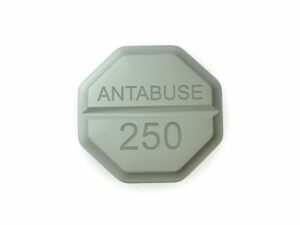
Disulfiram is a medicine used to help people maintain abstinence from alcohol by creating an unpleasant reaction when alcohol is consumed. It is commonly known by the brand name Antabuse (availability can vary). This page explains what disulfiram does, how it works in the body, how it should be used safely, and what to expect in everyday life in the United Kingdom.
What is Disulfiram?
Disulfiram belongs to a group of medicines that cause a reaction with alcohol. It is taken by mouth and works by affecting the way the body processes alcohol. When alcohol is present, disulfiram can cause symptoms such as flushing, nausea and vomiting, headache, and a general feeling of severe discomfort.
Disulfiram is typically used as part of a broader alcohol-use treatment plan, which may include counselling and support. It is intended for people who have decided to stop drinking and need additional help staying abstinent.
Basic product information
| Category | Details |
|---|---|
| Medicine name | Disulfiram |
| Common brand name | Antabuse (may vary by manufacturer) |
| How it is taken | By mouth (tablets) |
| Typical use | Support for alcohol abstinence via deterrent effect |
| Key safety point | Avoid all alcohol while taking disulfiram |
How disulfiram works (mechanism of action)
After you drink alcohol, your body normally breaks it down into harmless substances. One key step involves an enzyme called aldehyde dehydrogenase. This enzyme converts a toxic alcohol breakdown product (acetaldehyde) into a non-irritating compound.
Disulfiram interferes with that process. When you have disulfiram in your system and drink alcohol, the breakdown of alcohol stops at the stage where acetaldehyde accumulates. This leads to the unpleasant reaction commonly described as a “disulfiram–alcohol reaction.”
- Purpose: create a strong deterrent to drinking alcohol
- Result if alcohol is taken: flushing, nausea, vomiting, headache, rapid heartbeat, and feeling very unwell
Pharmacokinetics: what happens in the body
“Pharmacokinetics” describes what the body does to the medicine—absorption, distribution, metabolism, and elimination. While individual responses vary, the general principles for disulfiram are:
- Absorption: Disulfiram is taken by mouth and is absorbed from the gastrointestinal tract.
- Distribution: It is distributed throughout the body, including the liver, where it exerts its effect on alcohol metabolism pathways.
- Metabolism: Disulfiram is metabolised in the body to compounds that contribute to its effect.
- Elimination: Disulfiram and its metabolites can persist for some time, which is why avoiding alcohol (including in foods/medicines) is important not only while taking it, but also around starting or stopping.
Because disulfiram’s effects can last, careful timing and ongoing alcohol avoidance are essential. Your clinician may advise a washout period before the next dose schedule or after stopping, depending on your situation.
Typical uses and indications
Indications (what it is used for)
In the UK, disulfiram is used to support alcohol abstinence in selected individuals. It is often considered when a person:
- has a strong motivation to stop drinking
- needs deterrent support to reduce the risk of relapse
- is able to comply with strict alcohol avoidance
Who may be suitable?
Suitability depends on medical history and risk factors. Disulfiram may be unsuitable or require extra caution in certain liver conditions, heart conditions, or where alcohol is likely to be inadvertently consumed (for example, due to occupational exposure or certain treatments).
Disulfiram works best as part of a comprehensive care plan including behavioural support and relapse-prevention strategies.
Dosing and timing
Dosing varies by individual, tolerance, and clinical judgment. Below is general information commonly used in practice. Always follow the instructions provided with your medicine and the advice from your healthcare team.
Typical dosing approach
- Starting dose: often begins at a dose that allows assessment of tolerability and adherence.
- Maintenance dose: some people require dose adjustments to maintain the deterrent effect.
- Administration: usually once daily, taken in the morning or at a consistent time each day.
Timing before alcohol exposure
Disulfiram is intended to be started after alcohol has been fully cleared from your system. Your clinician will typically advise when to start after your last drink. Because disulfiram’s effects can persist, avoid alcohol for as long as advised when starting or stopping.
Missed doses
If you miss a dose, take it when you remember if it is still the same day. Do not double the dose. If you’re unsure, speak to a healthcare professional. Importantly, even if you have missed a dose, you should still remain cautious with alcohol until your clinician advises otherwise.
Food interactions and hidden alcohol
Alcohol can be present in more products than people expect. While taking disulfiram, avoid drinks and foods that contain alcohol. This includes both obvious beverages and “hidden” sources.
Common hidden sources of alcohol:
- alcohol-containing sauces or cooking ingredients (e.g., some marinades)
- some sweets, desserts, and chocolate liqueurs
- certain herbal products or tonics that contain alcohol-based extracts
- some mouthwashes or cold/flu preparations that list ethanol or “spirit” ingredients
If you are unsure about an ingredient, check the label for alcohol content and ask a pharmacist. In the UK, product labelling usually lists alcohol/ethanol; however, recipes and formulations can vary.
Alcohol and medicine interactions
Alcohol interactions (most important)
Never drink alcohol while taking disulfiram. Even small amounts may trigger the disulfiram–alcohol reaction in some people. This includes:
- beer, wine, spirits, alcopops
- medicated drinks and alcohol-containing tonics
- alcohol used for “cleaning” that might be ingested accidentally
Reactions may include
- flushing
- throbbing headache
- nausea and vomiting
- shortness of breath or chest discomfort
- palpitations (fast heartbeat)
- low blood pressure symptoms (feeling faint)
If you think you have consumed alcohol while taking disulfiram and you develop severe symptoms—such as intense chest pain, breathing difficulties, collapse, or persistent vomiting—seek urgent medical help.
Other medicine interactions
Disulfiram can also interact with certain medicines due to liver metabolism and effects on the nervous system. Tell your healthcare professional about all medicines you use, including:
- anticoagulants (blood thinners)
- phenytoin and some seizure medicines
- warfarin and other treatments requiring careful monitoring
- metronidazole (requires special caution due to potential reactions with alcohol; many guidelines advise avoiding alcohol with metronidazole)
- other medicines containing alcohol (for example, some syrups or liquid formulations)
A pharmacist can help check whether any of your current medicines contain alcohol (ethanol) or could interact with disulfiram.
Safety profile: side effects and risks
Like all medicines, disulfiram can cause side effects. Many people tolerate disulfiram without problems when used correctly, but you should be aware of potential risks.
Common side effects
- headache
- fatigue or drowsiness
- mild skin reactions
- unpleasant taste or reduced appetite
Serious side effects (seek medical help urgently)
Contact urgent medical care or seek advice promptly if you experience:
- signs of liver problems (yellowing of the eyes/skin, dark urine, severe tiredness, persistent nausea)
- severe disulfiram–alcohol reaction symptoms after alcohol exposure (severe vomiting, chest pain, breathing difficulty, fainting)
- allergic reaction (swelling of face/lips, rash with breathing difficulty)
- mental health changes that worry you (agitation, severe mood changes, confusion)
Who should be extra cautious?
Special caution is needed for people with:
- liver disease or significant liver impairment
- heart disease or cardiovascular conditions
- neurological disorders or history of severe psychiatric illness
- situations where alcohol exposure is likely or difficult to control
Your healthcare team may recommend baseline checks and follow-up monitoring based on your health history.
Practical use tips (how to use disulfiram safely in daily life)
- Confirm alcohol-free routines: avoid alcohol-based mouth products and check labels on syrups, tonics, and cough medicines.
- Carry a note: consider carrying a small card or using an online health record to inform clinicians that you take disulfiram.
- Plan for social situations: choose alcohol-free drinks and avoid “tasting” beverages even if you spit them out.
- Cooking and food handling: don’t cook with alcohol-containing ingredients unless you’re confident it’s alcohol-free.
- Be cautious with health products: herbal tinctures, supplements, and some skincare products may contain alcohol—check ingredient lists when possible.
- Stay consistent: take your dose at the same time each day to keep deterrent effect stable.
- Do not test the reaction: attempting to “see what happens” if alcohol is taken can be dangerous.
Alternative options for alcohol abstinence support
Treatment choices depend on your medical history, preferences, and local services. If disulfiram is not suitable, there are other approaches commonly used in the UK:
- Acamprosate: helps reduce cravings and supports maintaining abstinence after stopping drinking.
- Naltrexone: can reduce the rewarding effects of alcohol and may help some people reduce drinking or prevent heavy drinking.
- Behavioural therapies and support: counselling, relapse-prevention programmes, and support groups (for example through local alcohol services).
- Addressing underlying conditions: treating anxiety, depression, sleep problems, or other contributing factors.
Your healthcare professional can explain the most appropriate option based on your goals (complete abstinence vs reduction), risk factors, and suitability.
UK market and legal context (important notes)
In the United Kingdom, medicines are regulated by the Medicines and Healthcare products Regulatory Agency (MHRA) and must meet strict quality, safety, and labelling requirements. Medicines are also classified based on prescribing and supply rules.
Disulfiram is generally used under medical supervision due to the seriousness of alcohol reactions and the need for careful patient selection. Supply arrangements may differ between pharmacies and service pathways, but any online pharmacy should only supply medicines in line with UK law and professional standards.
If you are using an online pharmacy, ensure you:
- use a reputable UK-registered pharmacy
- check product details, strength, and packaging carefully
- review safety information and eligibility prompts provided on the site
If you have questions about whether disulfiram is appropriate for you, speak to a qualified healthcare professional.
Recent guidance and clinical considerations
Guidance around alcohol dependence and relapse prevention can evolve over time as new evidence becomes available. Clinicians typically emphasise:
- patient selection and suitability assessment
- clear counselling about strict alcohol avoidance
- review of liver function and overall risk before and during treatment (where appropriate)
- integration with psychosocial support and ongoing monitoring
If you’re already using disulfiram, keep in mind that your clinician may periodically review your progress and any side effects, and may update advice about monitoring based on your health status.
Delivery and availability in the UK
Availability of disulfiram products can vary by supplier and manufacturers. When supplied through a UK online pharmacy, delivery options typically include standard or express shipping depending on stock level. Lead times may increase during periods of high demand or supply constraints.
What you can expect when ordering:
- secure packaging to protect tablets and label information
- clear product name, strength, and instructions on the outer packaging
- discreet delivery where available
- tracking confirmation for some delivery methods
If a product is temporarily unavailable, you may be offered an alternative branded equivalent or an option to notify you when it returns to stock.
FAQ – Disulfiram (Antabuse)
1. Can I drink alcohol “just a little” while taking disulfiram?
No. You must avoid alcohol completely while taking disulfiram. Even small amounts may trigger the reaction in some people.
2. What about medicines that contain alcohol (for example, liquid cough medicines)?
Check the ingredients for ethanol/alcohol. Some liquid formulations may contain alcohol, and others may interact with disulfiram. Speak to a pharmacist if you’re unsure; they can suggest alcohol-free alternatives where possible.
3. Can I use mouthwash or take cold-and-flu remedies?
Mouthwashes can contain alcohol. Many cold-and-flu products also include alcohol in some formulations. Choose alcohol-free products when possible and confirm ingredient lists.
4. How long does disulfiram stay in the body?
Disulfiram and its effects can persist for some time. Because of this, alcohol avoidance is important around starting and stopping treatment. Your clinician will advise the safest timing for you.
5. What should I do if I accidentally consumed alcohol?
Stop any further alcohol intake and seek medical advice—especially if you develop severe symptoms such as repeated vomiting, chest pain, breathing difficulty, fainting, or feeling dangerously unwell.
6. Are there people who should not take disulfiram?
Disulfiram may not be suitable for everyone. People with significant liver disease, certain cardiovascular conditions, or other specific risks may require alternative options or extra monitoring.
7. What if I start feeling very unwell while on disulfiram—does that mean I drank?
It could be related to a hidden alcohol source, but also consider other causes like infections, dehydration, or side effects. If symptoms are severe or persistent, seek medical advice promptly.
8. Is disulfiram the only option to prevent relapse?
No. Other medicines such as acamprosate or naltrexone may help some people. Behavioural therapies and support services are also important. The best choice depends on your goals and health history.
9. How should I store disulfiram tablets?
Store tablets according to the instructions on the pack (typically in a cool, dry place away from moisture and out of reach of children). Do not use after the expiry date.
10. Can I drive or operate machinery?
Disulfiram may cause tiredness or dizziness in some people. If you feel affected, avoid driving or operating machinery until you know how the medicine affects you.
Summary
Disulfiram is a deterrent medicine used in the UK to support alcohol abstinence. It works by blocking alcohol breakdown, leading to an unpleasant reaction if alcohol is consumed. For safety, strict avoidance of alcohol—including hidden alcohol in foods and medicines—is essential. Because disulfiram’s effects can persist and because interactions can be serious, it is important to use the medicine only when it is appropriate for you and to follow all safety advice.