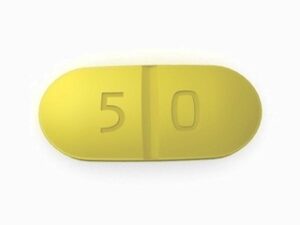
Sinequan (Doxepin) – Patient Guide (UK)
Sinequan is a brand of the medicine doxepin, a type of antidepressant belonging to the tricyclic antidepressant (TCA) group. It is used to treat certain mental health conditions and may also help with related symptoms such as anxiety and sleep disturbance, depending on the condition and the dose prescribed by a healthcare professional.
This guide is designed to help you understand how doxepin works, how it is typically used, what to watch for, and practical considerations for safe use in the United Kingdom.
Basic product information
| Item | Details |
|---|---|
| Medicine | Sinequan (doxepin) |
| Class | Tricyclic antidepressant (TCA) |
| What it’s used for | Depression and certain anxiety-related conditions, and sometimes sleep/anxiety symptoms depending on dose and diagnosis |
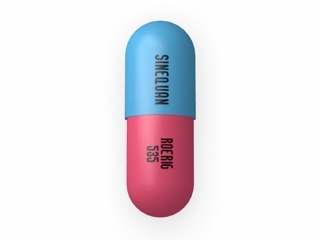
| Common forms | Oral tablets/capsules and (in some markets) other oral strengths or formulations—availability can vary |
| How it’s taken | Typically once or divided doses daily, depending on the condition and tolerability |
| UK availability | Availability and formulation may vary; supply can change over time |
How Sinequan (doxepin) works
Doxepin affects brain chemicals involved in mood, anxiety, and sleep. The exact benefit can differ from person to person, but the main actions include:
- Reuptake inhibition: Doxepin increases levels of neurotransmitters such as serotonin and noradrenaline by blocking their reuptake.
- Antihistamine effects: It can have sedating properties, which is why it may help with sleep-related symptoms at appropriate doses.
- Anticholinergic effects: It can reduce certain nerve signals, which may lead to side effects like dry mouth or constipation.
Important: TCAs like doxepin do not act instantly. Improvements in mood and anxiety typically take time.
Pharmacokinetics (how the body processes it)
“Pharmacokinetics” describes how the body absorbs, distributes, metabolises, and eliminates doxepin.
- Absorption: Doxepin is absorbed after oral dosing. Food may slow absorption slightly in some people, though overall effects on total absorption may vary.
- Distribution: It distributes widely throughout the body, including into tissues and the brain.
- Metabolism: Doxepin is metabolised primarily in the liver by enzyme pathways that can be affected by other medicines.
- Elimination: Metabolites are cleared mainly through urine and to a lesser extent through other routes.
- Half-life: Doxepin and its metabolites can remain in the body for a prolonged period, which contributes to once-daily dosing in some cases and to the need for careful dose changes.
Because doxepin is processed by the liver and interacts with drug-metabolising enzymes, drug interactions are especially important.
Typical uses in the UK
Doxepin is mainly used for:
- Depression (for certain presentations and in line with clinical judgement).
- Anxiety symptoms that occur alongside depression or in specific clinical situations.
- Sleep disturbance associated with mood/anxiety symptoms (particularly when sedation is needed, depending on dose).
In practice, how it is used can depend on:
- Your diagnosis and symptom pattern
- Your medical history
- Past responses to antidepressants
- Other medicines you take
- Risk factors such as heart rhythm concerns
When to take it: timing and routine
Timing can matter because doxepin may cause drowsiness in many people.
- Often taken in the evening if it makes you sleepy.
- Some people split doses (e.g., morning and evening) to reduce side effects such as daytime drowsiness.
Give it time: Early side effects may appear before benefits. Many people notice benefits gradually over several weeks. If you feel worse or have unusual symptoms, seek medical advice promptly.
Do not change timing or dose abruptly without guidance, because stopping or reducing TCAs too quickly can cause withdrawal-like symptoms and a return of symptoms.
Food interactions
Most people can take Sinequan with or without food. However, there are a few practical points:
- Consistency helps: Take it the same way each day (either always with food or always on an empty stomach), unless your prescriber advises otherwise.
- Absorption may be affected: Food may change the speed at which the medicine starts working, which could influence how soon drowsiness occurs.
- Manage nausea: If nausea occurs, taking it after food may help.
If you have ongoing stomach upset, discuss options with a healthcare professional.
Alcohol interactions
It is generally recommended to avoid alcohol while taking doxepin, because alcohol can:
- Increase sedation and impair coordination
- Increase the risk of falls
- Worsen mood symptoms in some people
- Potentially increase strain on the liver
If you drink alcohol, do so cautiously and discuss with a healthcare professional—especially if you have liver problems or are also taking other sedating medicines.
Medicine interactions (important)
Doxepin can interact with other medicines, including medicines that affect heart rhythm, sedation, or liver enzymes. The following categories are particularly relevant:
- Other sedatives / hypnotics (e.g., benzodiazepines, sleeping tablets, strong antihistamines): may increase drowsiness and breathing risk in vulnerable people.
- Other antidepressants and medicines affecting serotonin: increased risk of side effects such as serotonin-related symptoms.
- MAO inhibitors: combination can be dangerous and is typically avoided.
- Medicines affecting heart rhythm (QT prolongation): may increase risk of abnormal heart rhythms.
- Antiarrhythmics and some antipsychotics: may increase heart-related risks.
- Medicines that inhibit liver enzymes (certain antifungals, some antibiotics, and others): can raise doxepin levels and side effects.
- Medicines that increase sedation: for example, some cough/cold products containing sedating ingredients.
- Anticholinergic medicines: can increase side effects like constipation, urinary retention, blurred vision, and dry mouth.
Herbal products and supplements: Some herbal remedies can affect metabolism or increase sedation. Always check with a healthcare professional or pharmacist.
Tip: Keep an up-to-date list of all medicines and supplements you take, including over-the-counter products, and review them when starting or stopping doxepin.
Indications and how clinicians choose a dose
In the UK, doxepin is prescribed based on the underlying condition and individual factors. Dosing may vary depending on:
- Severity of depression or anxiety
- Whether sedation is beneficial or problematic
- Age (older adults often need more cautious dosing)
- Other medical conditions (especially heart disease, glaucoma, urinary retention, liver impairment)
- Other medicines and interaction risk
Because TCAs have more side effects than some newer antidepressants, prescribers often weigh benefits against risks and may consider alternatives depending on your situation.
Dosing: general guidance and practical notes
Follow the dosing instructions you were given. Dose and schedule can differ widely between individuals and between formulations.
In general, doxepin treatment may involve:
- Starting low and increasing gradually to reduce side effects.
- Adjusting timing based on drowsiness and sleep effects.
- Regular review to determine effectiveness and tolerability.
Do not adjust your dose yourself. If you miss a dose, do not take a double dose. Instead, take the next dose at the usual time unless your healthcare professional advises otherwise.
Special caution: If you have heart rhythm problems, previous overdose risk, or significant liver impairment, dosing should be handled with extra care.
Safety profile: common and serious side effects
Like all medicines, Sinequan (doxepin) can cause side effects. Some are more common in the first days or weeks and may improve as your body adapts.
Common side effects
- Drowsiness or fatigue
- Dry mouth
- Constipation
- Dizziness, especially when standing up (low blood pressure)
- Blurred vision
- Increased appetite or weight change
- Urinary difficulty (more likely if you have prostate/urinary issues)
- Sweating
Less common but important side effects
- Changes in heart rhythm or palpitations (especially at higher doses or with interacting medicines)
- Confusion, especially in older adults
- Significant agitation or unusual behaviour changes
- Allergic reactions (rare)
Seek urgent medical advice
Get help urgently if you experience:
- Fainting, severe dizziness, or chest pain
- Severe irregular heartbeat
- Signs of a severe allergic reaction (swelling of face/lips, difficulty breathing)
- Severe confusion, high fever, muscle stiffness, or extreme restlessness (particularly if combined with other serotonergic medicines)
- Overdose symptoms such as extreme drowsiness, breathing problems, seizures, or collapse
Practical use tips for best results
- Plan for drowsiness: Until you know how it affects you, avoid driving or operating machinery if you feel sleepy, dizzy, or slowed.
- Rise slowly: If you feel lightheaded, stand up gradually.
- Manage dry mouth: Sip water, use sugar-free sweets, and consider saliva substitutes if needed.
- Prevent constipation: Keep active, drink adequate fluids, and consider fibre; ask a pharmacist for suitable options.
- Stick with routine: Taking it around the same time each day can improve tolerability.
- Track symptoms: Note changes in mood, anxiety, sleep, and side effects. This can help your healthcare review.
- Don’t stop suddenly: If you want to stop, ask for a gradual reduction plan.
Alternative options
Depending on your symptoms and your risk factors, your healthcare professional may consider alternatives to doxepin. These can include:
- Other antidepressants such as SSRIs (commonly used for depression and anxiety) and SNRIs.
- Other TCAs if a TCA is preferred or previously effective.
- Non-medication approaches such as talking therapies (e.g., CBT), which can be as effective as medication for many people.
- Sleep-focused strategies (sleep hygiene, scheduled routines, stimulus control), especially if insomnia is prominent.
Choice of alternative depends on diagnosis, previous response, side effect profile, interaction risk, and individual health history.
UK market and legal context (high-level)
In the UK, medicines are regulated by the Medicines and Healthcare products Regulatory Agency (MHRA) and are supplied in line with national guidance and safety requirements. Access to antidepressants is commonly provided through NHS pathways, including primary care and specialist services, or through private consultation. Supply models may differ between pharmacies and online pharmacies, but medicines must be distributed in compliance with UK legal and regulatory standards.
When considering treatment, clinicians and pharmacists consider:
- Safety screening (including interaction and contraindication checks)
- Appropriate monitoring where needed (e.g., side effects, symptom response, and in some cases heart rhythm considerations)
- Individual patient factors such as age and comorbidities
Recent guidance (general): UK antidepressant guidance continues to emphasise careful selection, starting low, reviewing regularly, and supporting patients with clear information on expected benefits, early side effects, and when to seek urgent help. Medicines selection also considers cardiovascular and interaction risks, especially for TCAs.
Delivery and availability (UK)
Availability of Sinequan can vary by strength and formulation due to supply changes and stocking patterns. If you order online, delivery options in the UK typically depend on:
- Pharmacy stock availability
- Distance and courier service
- Cut-off times for same/next working day dispatch (where offered)
- Stock replenishment schedules
What to expect: Many UK online pharmacies provide tracking and updates after dispatch. If the medicine is temporarily out of stock, some services may provide an estimated restock date or alternative options (subject to availability and suitability).
FAQ
1) How long does it take for Sinequan (doxepin) to work?
Some people notice changes in sleep or anxiety within days, but mood improvements usually take several weeks. Review progress with your healthcare professional, especially if there is no improvement after a reasonable period.
2) Will it make me sleepy?
Doxepin often causes drowsiness, particularly when starting or after dose increases. Many people take it in the evening to reduce daytime impact. If you feel overly sedated, discuss dose timing or adjustment with a healthcare professional.
3) Can I take it with food?
Yes, in most cases doxepin can be taken with or without food. For nausea or stomach discomfort, taking it with food may help. Consistency is helpful.
4) Can I drink alcohol while taking doxepin?
It is generally advised to avoid alcohol because it can increase sedation and impair judgement. If you plan to drink, speak with a healthcare professional for personalised advice.
5) What should I do if I miss a dose?
If you miss a dose, take it when you remember unless it is close to the next dose. Do not take a double dose. If you are unsure, ask a pharmacist.
6) Are there medicines I should not take together with doxepin?
Yes. Several medicine groups can interact with doxepin, including other sedatives, some antidepressants, medicines that affect heart rhythm, and some liver enzyme inhibitors. Always check your full list of medicines with a pharmacist.
7) Is it safe to drive?
If doxepin makes you drowsy or dizzy, avoid driving and operating machinery until you know how you react. When in doubt, choose safer alternatives.
8) How should I stop taking Sinequan?
Do not stop suddenly without advice. TCAs may need a gradual reduction to reduce withdrawal-like symptoms and to maintain symptom control.
9) Who should be extra careful with doxepin?
Extra caution is often needed for people with:
- Heart disease or known heart rhythm issues
- Glaucoma or urinary retention risk
- Liver impairment
- Older age (increased sensitivity to side effects)
- Multiple medicines or high risk of interactions
10) What if I feel worse after starting?
Some people experience temporary side effects early on, but a significant worsening or unusual symptoms (including severe agitation or thoughts of self-harm) require prompt medical help. In the UK, if you feel unsafe, contact emergency services or urgent mental health support immediately.
Further help: If you have questions about Sinequan (doxepin), speak to a pharmacist or healthcare professional. They can provide guidance tailored to your health, other medicines, and the specific dosing plan recommended for you.