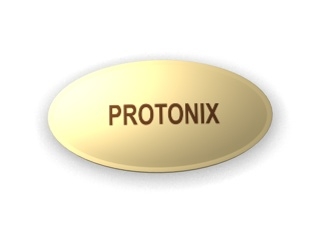


Protonix (Pantoprazole) – Patient Information (UK)
Protonix contains pantoprazole, a medicine used to reduce stomach acid. It is commonly prescribed in the UK to treat conditions where acid causes irritation, inflammation, or ulcers. This page explains how Protonix works, how to take it, what to expect, and important safety and interaction information for everyday use.
If you have any questions about your own treatment, speak to a pharmacist or healthcare professional.
1. Basic product information
- Active ingredient: Pantoprazole
- Brand name: Protonix
- Medicine type: Proton pump inhibitor (PPI)
- How it works: Reduces production of stomach acid
- Common formulations: Delayed-release tablets or oral forms depending on local product supply
Note: Strengths and formulations can vary. Always check the label or packaging for the exact dose and instructions for your specific product.
2. How Protonix works (mechanism of action)
Protonix is a proton pump inhibitor (PPI). In the lining of the stomach, specialised cells contain a “proton pump” (an enzyme system) that produces acid.
Pantoprazole blocks this acid pump, leading to a significant and sustained reduction in stomach acid. With less acid, the stomach and the upper digestive tract can heal, and symptoms such as heartburn and acid reflux can improve.
Because it works on the acid pump, Protonix is most effective when taken correctly and consistently for the recommended duration.
3. Pharmacokinetics (what the body does with it)
Pharmacokinetics describes how the body absorbs, processes, and clears a medicine.
- Absorption: Pantoprazole is absorbed after oral dosing. It is formulated to resist stomach acid so it can work in the body.
- Onset: Acid reduction starts within hours, with stronger effect as treatment continues.
- Peak effect: The medicine reaches peak plasma levels after oral administration (time varies by formulation).
- Distribution and metabolism: Pantoprazole is metabolised primarily in the liver.
- Elimination: Metabolites are cleared mainly via the kidneys.
Practical takeaway: Protonix is best taken at the same time each day. For many conditions, noticeable symptom relief may occur within days, but healing of inflammation or ulcers may take longer.
4. Typical use in the UK (indications and why it’s prescribed)
Protonix is used for conditions where reducing stomach acid helps relieve symptoms and promote healing. In the UK, PPIs like pantoprazole are used across several common clinical scenarios.
Common indications
- Gastro-oesophageal reflux disease (GORD) including heartburn and acid regurgitation
- Erosive reflux oesophagitis (inflammation/erosions in the food pipe due to acid)
- Peptic ulcer disease (including duodenal and gastric ulcers) and to support ulcer healing
- Prevention of ulcers in people at risk who take certain medicines that can damage the stomach (e.g., some painkillers)
- H. pylori eradication regimens as part of combination therapy, when recommended
- Zollinger–Ellison syndrome and other acid hypersecretory conditions (specialist use)
Important: Your exact use depends on your diagnosis and medical history. If you’re treating yourself for frequent symptoms, consider speaking to a pharmacist—persistent symptoms may need assessment.
5. How to take Protonix (timing and duration)
Correct timing helps pantoprazole achieve maximum acid suppression.
Typical timing
- Most commonly: take Protonix once daily about 30 minutes before a meal, often before breakfast.
- Follow the specific instructions on your packaging or as advised by your healthcare professional.
What if you miss a dose?
- If you remember soon after, take it as soon as you remember.
- If it is close to the next dose, skip the missed dose and continue normally.
- Do not double up to make up for a missed dose.
How long will it take to work?
- Symptoms may improve within a few days for some people.
- For inflammation or ulcers, healing may take longer—often several weeks depending on the condition.
6. Food interactions
Protonix is affected by timing relative to meals because it needs to reach the acid-producing system in the stomach at the right time.
Key points
- Take before food: For best results, take Protonix 30 minutes before eating (or according to your specific product instructions).
- With or without food: Although pantoprazole is usually absorbed well, taking it at the recommended time improves effectiveness.
- Swallow whole: Many formulations are designed to release medication later. Swallow whole with water unless your product instructions say otherwise.
If you experience breakthrough symptoms despite correct timing, talk to a pharmacist. The dose or schedule may need review.
7. Alcohol and medicine interactions
Alcohol
Alcohol can worsen reflux and heartburn for many people, even when acid is reduced. While moderate alcohol may not directly “interact” with pantoprazole in a dangerous way, it can undermine symptom control.
- Consider reducing or avoiding alcohol if you notice it triggers reflux.
- Avoid heavy drinking, especially if you have oesophagitis or stomach irritation.
Interactions with other medicines
Some medicines can interact with PPIs by changing absorption, metabolism, or effects on the stomach and gut.
Medicines that may require extra caution
- Medicines needing an acidic stomach to work effectively (certain antifungals such as ketoconazole/itraconazole; some HIV medicines): acid suppression may reduce absorption.
- Anticoagulants (blood thinners) such as warfarin: PPIs can affect blood clotting control in some cases; monitoring may be needed.
- Clopidogrel: PPIs may affect activation pathways. Many clinicians choose alternatives depending on risk; discuss your regimen.
- Medicines affected by liver enzymes: pantoprazole is metabolised in the liver, so interactions via enzyme pathways are possible (less commonly severe than with some other PPIs).
- Other acid-suppressing medicines: using multiple PPIs is usually not necessary and may increase side effects without benefit.
Medicines to watch for in the UK
In the UK, people commonly take pantoprazole alongside other regular medicines for long-term conditions. Always keep a list of your medicines (including over-the-counter products) and show it to a pharmacist if you’re starting or switching Protonix.
Practical advice: If you start Protonix and notice unusual bruising, bleeding, palpitations, dizziness, severe diarrhoea, or new severe stomach pain, seek medical advice promptly.
8. Dosing guidance (general information)
Doses vary depending on the condition, severity, and individual factors. Always follow your packaging instructions or advice from a healthcare professional.
Common dosing patterns (general examples):
| Condition (examples) | Typical Protonix dosing pattern | Notes |
|---|---|---|
| GORD / heartburn | Often once daily | May be increased or adjusted depending on response. |
| Erosive reflux oesophagitis | Often once daily | Treatment duration may be several weeks; follow-up may be needed. |
| Duodenal or gastric ulcer | Once daily or as advised | Healing timelines vary; may be combined with other treatments. |
| Maintenance / long-term suppression (specialist plan) | Lowest effective dose | Long-term use is sometimes needed, but should be reviewed periodically. |
| Acid hypersecretory conditions | Higher or divided doses under specialist supervision | Individualised dosing is common. |
Renal impairment: Many people with reduced kidney function can use pantoprazole, but monitoring and dose adjustment may depend on the exact situation.
Hepatic impairment: In liver problems, clinicians may choose careful dosing and monitoring.
Always check the exact strength you have been given. If you’re unsure, ask a pharmacist before taking.
9. Safety profile (side effects and when to seek help)
Most people tolerate pantoprazole well. However, like all medicines, it can cause side effects.
Common side effects
- Headache
- Nausea
- Diarrhoea or constipation
- Abdominal pain or discomfort
- Flatulence (wind)
Less common but important risks
- Allergic reactions (e.g., rash, swelling, breathing difficulty)
- Severe or persistent diarrhoea (especially watery diarrhoea, fever, or blood in stool)
- Low magnesium (hypomagnesaemia) with longer-term use (may cause muscle cramps, weakness, dizziness, abnormal heart rhythm)
- Vitamin/mineral issues over long durations (e.g., vitamin B12 or iron absorption changes may occur in some people)
- Bone fracture risk with long-term high-dose PPI use in some populations
Seek urgent medical advice if you have
- Severe allergic symptoms (swelling of face/lips, difficulty breathing)
- Vomiting blood or passing black/tarry stools
- Unintentional weight loss, difficulty swallowing, persistent vomiting
- Severe chest pain, breathlessness, or symptoms that could indicate a different condition
Practical reassurance: Many side effects are mild and settle after a short time. Still, if symptoms worsen or new symptoms appear, contact a healthcare professional.
10. Practical use tips for best results
- Use the timing consistently: Protonix works best when taken before meals.
- Swallow tablets whole: Don’t crush or chew unless your product guidance says otherwise.
- Give it a fair trial: If you’re treating reflux or inflammation, allow adequate time for improvement.
- Track triggers: Note foods (spicy meals, fatty foods), late-night eating, caffeine, and alcohol that worsen symptoms.
- Adopt reflux-friendly habits: Avoid lying down soon after eating; consider raising the head of your bed if night symptoms occur.
- Review long-term use: If you have been taking a PPI for months, ask a pharmacist or clinician whether you still need it at the current dose.
11. Alternative options (if Protonix isn’t suitable)
Your best choice depends on your diagnosis and symptom pattern. Alternatives include:
Other PPIs
- Omeprazole, esomeprazole, lansoprazole, rabeprazole (availability depends on brand and local supply)
H2-receptor antagonists
- Famotidine or similar medicines (may help some people, especially for milder or intermittent symptoms)
Antacids and alginates
- Quick relief for occasional symptoms (e.g., alginate-based products can form a barrier against reflux)
Lifestyle measures
- Weight management if relevant
- Smaller meals, avoiding late meals
- Reducing triggers such as caffeine and alcohol
- Not smoking
If you’re considering switching medicines, do so with guidance—especially if you’ve had ulcers, erosive oesophagitis, or long-term maintenance therapy.
12. Recent guidance and clinical context in the UK
In the UK, PPIs are widely used for acid-related conditions. Current clinical practice typically emphasises:
- Right diagnosis and appropriate duration of therapy (avoid unnecessary long-term use when possible).
- Lowest effective dose for maintenance.
- Regular review for people on prolonged treatment.
- Assessing alarm features (e.g., dysphagia, weight loss, GI bleeding) promptly rather than escalating acid suppression without evaluation.
For some patients, step-down or discontinuation may be considered after symptom control. However, stopping suddenly can lead to “rebound acid” symptoms in some people, so gradual review may be recommended.
13. Delivery and availability in the UK
Protonix (pantoprazole) is commonly available through UK pharmacies and online pharmacy platforms depending on supply and local regulations. Availability can vary by dose and formulation.
- Dispatch: Orders are typically dispatched on working days subject to stock availability.
- Delivery timeframe: Delivery schedules depend on the courier service selected at checkout.
- Packaging: Medicines are usually supplied in manufacturer packaging with patient information included.
Tip: If you need multiple strengths or durations, check stock before ordering to avoid treatment gaps.
14. Market and legal context (UK)
In the UK, pantoprazole products are regulated medicines. Supply arrangements can depend on whether the medicine is supplied via a healthcare pathway, pharmacy supply arrangements, or through different product routes and strengths.
Online pharmacy services in the UK must operate within applicable UK pharmacy and medicines regulations, including requirements for safe supply, appropriate patient information, and fraud prevention. If you have questions about eligibility or ordering, the pharmacy’s checkout process and guidance will provide the most relevant instructions.
15. FAQ about Protonix (Pantoprazole)
Is Protonix the same as omeprazole?
They are both PPIs, but they are different medicines with different active ingredients. They work in similar ways (reducing stomach acid). If one isn’t suitable for you, your pharmacist may discuss alternatives.
When should I take Protonix?
Most people take it about 30 minutes before a meal, often before breakfast. Follow the instructions for your specific product and strength.
Can I take Protonix with food?
It’s best taken before food for maximum effect. If you accidentally take it with a meal, don’t panic—resume the correct schedule next time. If symptoms remain uncontrolled, ask for advice on timing.
How long does it take to work?
Some people notice symptom improvement within a few days. Healing of irritation or ulcers can take longer, depending on the condition and dose.
Can I drink alcohol while taking Protonix?
You can typically continue alcohol in moderation, but alcohol can worsen reflux for many people. If alcohol triggers your symptoms, reducing or avoiding it may help.
What medicines can interact with Protonix?
Potential interactions include some antifungals, blood thinners (e.g., warfarin), and medicines such as clopidogrel. Always tell your pharmacist about your full medicine list, including over-the-counter products.
Can Protonix cause diarrhoea?
Yes. Diarrhoea can occur as a side effect. If you develop severe or persistent diarrhoea (especially with fever or blood), seek medical advice.
Should I keep taking Protonix long-term?
Some people need long-term treatment, but it should be reviewed periodically. If you’ve been taking it for months, ask a pharmacist or clinician whether you still need the current dose.
Can I stop Protonix suddenly?
Some people experience rebound symptoms after stopping. Review stopping plans with a pharmacist or clinician, especially if you’ve been on regular treatment.
Is Protonix suitable for everyone?
Most adults can take PPIs when appropriate, but suitability depends on your medical history, other medicines, and symptoms. If you’re pregnant, breastfeeding, have liver disease, or take interacting medicines, speak to a pharmacist for personalised guidance.
What should I do if my symptoms don’t improve?
If symptoms persist despite correct use, it may indicate a different problem or the need for reassessment. Seek advice from a pharmacist or healthcare professional, particularly if you have alarm symptoms such as difficulty swallowing, bleeding, or unintentional weight loss.
Summary
Protonix (pantoprazole) is a proton pump inhibitor that reduces stomach acid and is used to treat common acid-related conditions in the UK, including GORD and ulcers. For best results, take it before food as directed, and keep your medication list up to date to check for interactions. While many people tolerate it well, seek advice if you develop severe side effects or alarm symptoms.