Prevacid (Lansoprazole) – Patient Information (UK)
Prevacid contains lansoprazole, a medicine used to reduce stomach acid. It belongs to a group called proton pump inhibitors (PPIs). In the UK, lansoprazole is commonly used to treat conditions such as heartburn (gastro‑oesophageal reflux disease, GORD), acid-related indigestion, and ulcers caused or worsened by stomach acid.
This guide explains how Prevacid works, when to take it, important interactions, and practical tips to help you use it safely and effectively.
1. Basic product information
| Item | Details |
|---|---|
| Medicine name | Prevacid |
| Active ingredient | Lansoprazole |
| Medicine type | Proton pump inhibitor (PPI) |
| What it does | Reduces the production of stomach acid |
| Typical forms | Capsules / oral preparations (varies by brand and availability) |
| Where it’s used | UK for acid-related digestive conditions |
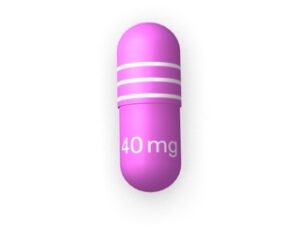
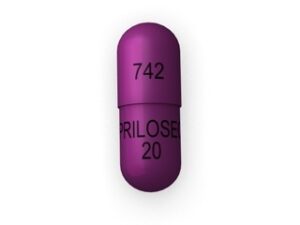
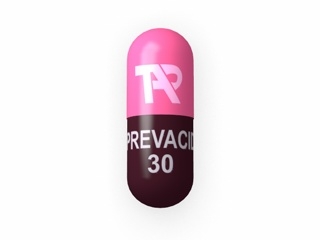
Note: Strengths and formulations can vary. Always check the pack for the exact strength (for example, 15 mg or 30 mg) and follow the instructions provided with your product.
2. How Prevacid works (mechanism of action)
Lansoprazole works by blocking the proton pump in the stomach’s acid-producing cells. This pump is responsible for the final step in making stomach acid.
- Before acid is produced, lansoprazole binds to the proton pump and reduces acid release.
- Because the binding is strongest with an active pump, PPIs work best when taken at the right time relative to meals (see “Timing” below).
- Over repeated dosing, the effect can build up, and symptoms may improve within days.
3. Pharmacokinetics: how the body handles lansoprazole
Pharmacokinetics describes what happens to a medicine after you take it—how it is absorbed, processed, and eliminated.
- Absorption: Lansoprazole is absorbed from the stomach/intestine and is designed to work in an acid environment. Because stomach acid is reduced, consistent timing helps maintain effectiveness.
- Metabolism: It is mainly processed in the liver. Some medicines can affect lansoprazole metabolism (see interactions).
- Onset: Acid suppression begins after the first dose, but full symptom improvement may take several days.
- Duration: Even though the drug’s concentration in blood changes over time, the proton pump remains inhibited for a period, leading to sustained acid reduction.
Practical takeaway: PPIs generally work best as a short course or planned regimen rather than “as needed” for sudden symptoms.
4. Typical uses and indications in the UK
Prevacid is used for a range of acid-related conditions. The exact indication and dosing depend on the diagnosis and severity.
Common indications include:
- GORD (gastro‑oesophageal reflux disease): persistent acid reflux and heartburn.
- Oesophagitis: inflammation of the oesophagus caused by reflux.
- Healing and prevention of duodenal and gastric ulcers (including ulcers associated with risk factors).
- Prevention of NSAID-associated ulcers in selected patients (where advised by a clinician).
- H. pylori eradication regimens (often used in combination with antibiotics in appropriate cases).
- Zollinger–Ellison syndrome (rare acid-secreting conditions) under specialist guidance.
Symptom relief: If you have frequent heartburn, sour taste, regurgitation, or burning discomfort, a PPI like lansoprazole can reduce acid and allow the oesophagus or stomach lining to heal.
5. When to take Prevacid (timing)
Timing is important for PPIs. Because they work by blocking active proton pumps, they are most effective when taken before food.
- For once-daily use: take the dose in the morning, typically before breakfast.
- For twice-daily regimens (if prescribed): take one dose before breakfast and the second dose before dinner.
- If you miss a dose: take it when you remember unless it is close to the next dose. Do not take a double dose.
Tip: Try to take it at the same time each day. Consistency improves results.
6. Food interactions
Lansoprazole’s performance depends partly on when stomach acid is stimulated by eating. Food can delay the medicine’s access to active pumps.
- Best practice: take before meals.
- After-meal dosing may be less effective, particularly for symptom control.
- Swallowing with or without food: follow the product instructions. Many lansoprazole formulations are designed for pre-meal dosing.
Practical advice: If you consistently forget doses, it may be helpful to set a daily reminder and choose a time that fits your routine (for example, immediately after waking, before any breakfast).
7. Alcohol interactions
Alcohol can worsen reflux symptoms by relaxing the lower oesophageal sphincter, irritating the stomach lining, and increasing acid exposure for some people.
- Direct interaction: alcohol does not usually have a major pharmacological interaction with lansoprazole, but it can reduce symptom control.
- If you drink alcohol: consider limiting intake while treating reflux or ulcers, especially during the first days of therapy.
- Signs to watch: return or worsening heartburn, nausea, upper abdominal pain, or swallowing discomfort.
Safety note: If you have a history of ulcer bleeding, severe reflux complications, or liver disease, discuss alcohol use with your healthcare professional.
8. Medicine interactions (important)
Because lansoprazole reduces stomach acid, it can affect how other medicines absorb and work. It can also interact via liver metabolism.
Medicines that may interact with lansoprazole include:
- Medicines requiring acid for absorption (acid-dependent absorption may be reduced), such as some antifungal medicines and certain HIV medicines.
- Digoxin: reduced stomach acid may change digoxin levels in some patients.
- Warfarin and other vitamin K antagonists: potential effects on INR have been reported. Monitoring may be needed when starting or stopping a PPI.
- Clopidogrel: changes in activation may occur. UK guidance often recommends careful consideration; discuss if you take clopidogrel.
- Medicines metabolised by liver enzymes (e.g., via CYP pathways): levels may change with certain drugs.
- Iron supplements: reduced acid can affect absorption of some iron preparations.
- Sucralfate and antacids: timing may matter. Many people space antacids/sucralfate away from PPIs to avoid reduced absorption.
Herbal and over-the-counter items
- St John’s wort may affect liver metabolism and could alter PPI levels.
- Antacids may help quickly for breakthrough symptoms, but they don’t replace the planned acid suppression effect of PPIs.
What to do: Tell your pharmacist or healthcare professional about all medicines you take (including OTC and herbal products). If you start or stop another medicine, ask whether any spacing or monitoring is needed.
9. Dosing: what you might expect
Dosing varies by condition, severity, and your response. The most common adult regimens depend on the diagnosis and local guidance.
Typical adult doses (general overview):
- GORD / reflux symptoms: often once daily, commonly 15 mg or 30 mg depending on the severity and clinician advice.
- Erosive oesophagitis: higher doses may be used initially, often 30 mg daily.
- Ulcer healing or prevention: dosing may be 15 mg–30 mg daily based on ulcer type and plan.
- H. pylori regimens: lansoprazole is used with antibiotics; the regimen is specific and should be followed exactly.
- Zollinger–Ellison syndrome: dose is individualised.
Important: Always follow the dose and duration on your packaging or as advised by your healthcare professional. Do not stop early simply because symptoms improve, especially for ulcer or oesophagitis healing.
10. Safety profile: who should take care
Like all medicines, lansoprazole can cause side effects. Many people tolerate it well, but it’s important to know what to watch for.
Common side effects
- Headache
- Diarrhoea or constipation
- Nausea
- Abdominal pain, bloating
- Flatulence
Less common but serious risks (seek advice promptly)
- Severe allergic reactions (swelling of face/lips, rash, difficulty breathing)
- Severe or persistent diarrhoea (especially with fever or blood)
- Signs of low magnesium (muscle cramps, weakness, unusual heart rhythm) especially with longer use
- Unexplained bruising or bleeding or severe fatigue (in rare cases)
Long-term use considerations
PPIs may be used long-term in some people, but the duration should be reviewed periodically. Longer-term use has been associated (in some patients) with:
- Vitamin/mineral changes (such as magnesium)
- Increased susceptibility to certain infections (for example, gastrointestinal infections)
- Potential effects on bone health in those at risk
When to seek urgent medical help: get urgent advice if you experience chest pain, difficulty swallowing, vomiting blood, black/tarry stools, unexplained weight loss, or persistent vomiting.
11. Practical use tips
- Take before food: aim for before breakfast (and before dinner if twice daily).
- Don’t crush or chew: follow the instructions on your specific formulation. If capsules have special coatings, damaging them may affect how the medicine works.
- Keep to the plan: even if symptoms settle quickly, continue for the recommended course unless advised otherwise.
- Use symptom tracking: note frequency of heartburn/regurgitation and any breakthrough symptoms.
- Lifestyle support: consider supportive measures such as avoiding late meals, reducing high-fat or spicy foods if they trigger you, and elevating the head of your bed if night-time reflux is an issue.
- Breakthrough relief: some people use fast-acting antacids for occasional breakthrough symptoms, but check whether they should be taken at a distance from your PPI.
Pregnancy and breastfeeding: If you are pregnant, trying to conceive, or breastfeeding, discuss lansoprazole use with a healthcare professional to ensure the safest option for you.
12. Alternative options to Prevacid
If Prevacid (lansoprazole) is not suitable or doesn’t control symptoms sufficiently, alternatives may be considered depending on your condition.
Other acid-suppressing medicines
- Other PPIs (e.g., omeprazole, esomeprazole, pantoprazole): similar mechanisms but different dosing and formulations.
- H2-receptor antagonists (e.g., famotidine): reduce acid but usually less potent than PPIs for healing.
- Antacids and alginate-based therapies: can provide faster, short-term relief for breakthrough symptoms.
Non-medicine approaches
- Diet and meal timing adjustments
- Weight management where relevant
- Smoking cessation
- Reducing alcohol and trigger foods
- Bed elevation for nocturnal reflux
Choosing an alternative: Your best option depends on diagnosis, severity, other medicines, and your response. A pharmacist can help explain differences between acid-suppressing treatments.
13. Market and legal context in the United Kingdom
In the UK, medicines such as lansoprazole are regulated and must meet quality, safety, and efficacy standards set by UK authorities. Availability in pharmacies and online depends on the specific product and pack size, along with applicable pharmacy regulations.
Good to know: UK guidance often emphasises using the lowest effective dose for the shortest necessary duration, with periodic review for longer-term therapy.
Recent UK-style guidance themes (general overview)
- Review ongoing need: PPIs should be reviewed regularly, particularly for long-term use.
- Use correct timing: pre-meal dosing improves effectiveness.
- Step-down where possible: clinicians may consider reducing dose or stopping if symptoms are well controlled and diagnosis is appropriate.
- Urgent assessment when red flags occur: symptoms such as difficulty swallowing, weight loss, anaemia, or bleeding require timely evaluation.
Important: Always follow up with a healthcare professional if symptoms persist despite appropriate use.
14. Delivery and availability (UK)
Prevacid (lansoprazole) is widely available through pharmacy supply chains in the UK. Online availability can vary by strength and formulation.
- Dispatch: orders are typically processed on working days; dispatch times can vary by stock status.
- Delivery times: depend on the delivery service selected and your location within the UK.
- Product packaging: you will receive the product as supplied by the manufacturer/wholesaler, with instructions and batch details as required.
Stock and substitutions: if a specific product/strength is temporarily unavailable, retailers may offer alternatives only where permitted by law and only if appropriate (for example, equivalent strengths or equivalent acid-suppressing options). Always check the exact medicine delivered.
15. FAQ: frequently asked questions
How quickly does Prevacid work?
Many people notice symptom improvement within a few days, but it may take up to 1–2 weeks for full effect—especially for healing of inflammation. If you don’t see improvement after the recommended course, seek advice.
Can I take Prevacid “as needed”?
PPIs are usually intended for planned use rather than occasional relief. If you only have occasional symptoms, an antacid or alginate may be more suitable—however, the best choice depends on your pattern of symptoms.
What should I do if my symptoms come back after stopping?
Reflux and ulcer-related conditions can return. If symptoms recur frequently, it may indicate an ongoing problem that needs assessment. Consider discussing with a healthcare professional for diagnosis and a sustainable plan.
Is it safe to take Prevacid long term?
Long-term use can be appropriate for certain diagnoses, but it should be reviewed periodically. Ask your pharmacist or clinician to check whether you still need the medicine, and whether a lower dose or different approach is suitable.
Does Prevacid affect nutrient absorption?
Because PPIs reduce stomach acid, they can influence absorption of some nutrients in certain people—especially with long-term use. If you have risk factors (for example, long-term restricted diet), ask for advice.
Can I take it with painkillers?
Some people take PPIs alongside pain relief to reduce ulcer risk, but interactions vary. If you use NSAIDs (like ibuprofen), tell your pharmacist and follow recommended dosing. Don’t exceed the advised NSAID dose.
What if I’m taking warfarin?
PPIs may influence INR in some cases. If you take warfarin, you may need closer INR monitoring when starting or stopping lansoprazole.
Can I drink alcohol while using Prevacid?
Alcohol may worsen reflux for many people. While it doesn’t usually cause a direct drug interaction, limiting alcohol can improve comfort and treatment results.
When should I seek medical help immediately?
Seek urgent medical advice if you have vomiting blood, black/tarry stools, unexplained weight loss, difficulty swallowing, persistent vomiting, or severe chest pain.
Can children or adolescents take lansoprazole?
Dosing and suitability depend on age and condition. Children should only use lansoprazole under appropriate guidance and with dosing tailored to their needs.
Summary
Prevacid (lansoprazole) is a proton pump inhibitor that reduces stomach acid and helps treat reflux symptoms, oesophagitis, ulcers, and related acid-driven conditions. It works best when taken before meals, particularly before breakfast. While it is generally well tolerated, it may interact with other medicines and is worth reviewing for long-term use.
If you’re unsure whether Prevacid is right for your situation, or you’re concerned about interactions with your current medicines, speak with your pharmacist for personalised guidance.