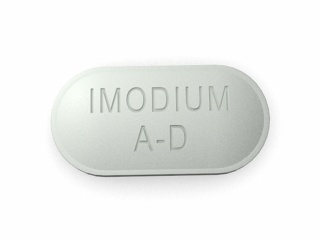


Imodium (Loperamide) – Patient Information (UK)
Imodium contains the active ingredient loperamide. It is an anti-diarrhoeal medicine used to help reduce the frequency and urgency of diarrhoea. It works by slowing down the movement of the gut so that fluid and salts can be absorbed more effectively.
This page explains how Imodium works, when it’s used, how to take it safely, important precautions, and practical tips. It is written for people in the United Kingdom.
Basic product information
- Brand name: Imodium
- Active ingredient: Loperamide
- Type of medicine: Anti-diarrhoeal (symptom control)
- Common forms: Capsules / tablets / oral formulations (depending on product type available)
- Pharmacological category: Opioid-receptor agonist acting mainly in the gut
- Availability in the UK: Often available without prescription, subject to local pharmacy rules and product formulation
Note: Always check the strength and dosing instructions on the specific pack you have, as different formulations can vary.
What is diarrhoea?
Diarrhoea is when stools become loose and more frequent than normal. It can be caused by infections (viral or bacterial), food intolerance, medicines, stress, or other gut conditions. While diarrhoea often settles on its own, it can lead to dehydration—especially in children and older adults.
How Imodium works (mechanism of action)
Loperamide acts on the lining of the intestine to reduce diarrhoea:
- Slows gut movement: It reduces intestinal motility (movement), which helps stools stay in the gut longer.
- Improves absorption: With slower movement, the gut absorbs more water and salts from the stool.
- Reduces urgency: It can decrease the number of bowel movements and the feeling of urgency.
Important: Imodium is designed for symptom relief. It does not treat the underlying cause of diarrhoea (for example, a virus or bacteria). For infection-related diarrhoea, stopping diarrhoea too aggressively may be inappropriate in certain situations.
Pharmacokinetics (how the body handles loperamide)
Pharmacokinetics describes absorption, distribution, metabolism, and elimination. While details can vary by dose and individual factors, the following general points apply:
- Absorption: Loperamide is absorbed from the gut after oral dosing.
- First-pass metabolism: A large proportion is metabolised in the liver before it reaches the bloodstream, which helps limit effects on the brain at usual doses.
- Distribution: It acts largely within the gastrointestinal tract.
- Metabolism: It is mainly metabolised in the liver.
- Elimination: It is excreted primarily through the faeces; a smaller amount may appear in urine.
- Duration: Clinical effects can begin relatively quickly, with benefits often noticed within hours.
Safety note: Taking more than recommended can lead to serious side effects, including heart rhythm problems. Always follow the dose instructions on your pack or as advised by your pharmacist.
Typical uses and indications (what it’s for)
Imodium may be used to treat acute, non-specific diarrhoea in adults and, where appropriate, in children according to age and product instructions.
Common indications include:
- Acute diarrhoea: Sudden onset diarrhoea, for example during travel or after dietary changes.
- Management of diarrhoea symptoms: To reduce stool frequency and urgency.
- Chronic diarrhoea: Some people with long-term diarrhoea may use loperamide under appropriate medical guidance. For routine self-care, follow the instructions on the pack and seek advice if symptoms persist.
Not for every type of diarrhoea: Imodium is not suitable if diarrhoea may be caused by certain invasive bacterial infections or if there are warning signs (see “When not to take Imodium” below).
When to seek medical advice urgently
Stop self-treatment and get prompt advice if any of the following apply:
- Blood in the stool or black/tarry stools
- High fever (e.g., feverish or very unwell)
- Severe abdominal pain or a swollen/tender belly
- Diarrhoea lasting longer than the recommended maximum duration for self-care
- Signs of dehydration (e.g., very dry mouth, dizziness, little or no urination, extreme tiredness)
- Diarrhoea in infants/young children or frail older adults where dehydration risk is higher
How quickly does Imodium work? (Timing)
Many people notice improvement within 1–2 hours after taking a dose, although response can vary. The most important practical approach is:
- Start with the recommended initial dose for adults on the product label (see dosing below).
- Only use additional doses as directed.
- If diarrhoea does not improve, reassess and seek advice rather than escalating the dose.
Food interactions and diet advice
Loperamide can be taken with or without food, and there are typically no strict dietary restrictions. However, practical guidance includes:
- Hydration is priority: Continue drinking fluids, including water and oral rehydration solutions if needed.
- Avoid alcohol when dehydrated: Alcohol can worsen dehydration and may irritate the gut.
- Stick to light meals: If you can eat, choose bland foods (e.g., toast, rice, bananas) and avoid rich or spicy meals during an episode.
Absorption considerations: Food does not usually prevent Imodium from working, but severe vomiting or inability to keep tablets down may affect effectiveness.
Alcohol and medicine interactions
Alcohol
There is no single “always safe” rule for alcohol with loperamide, but as a general precaution:
- Limit or avoid alcohol during diarrhoea, especially if you are dehydrated.
- Alcohol may worsen stomach irritation and may increase dizziness, which can be more noticeable when you’re unwell.
Other medicines
Some medicines can increase loperamide levels or affect its metabolism, potentially increasing side-effect risk—particularly at higher doses. Important interaction categories include:
- Medicines that inhibit liver enzymes (CYP3A4) and/or drug transporters (P-gp): can raise loperamide exposure. Examples include certain antifungals (azoles), some antibiotics (e.g., macrolides), and some HIV medicines (protease inhibitors).
- Medicines that slow the gut or cause constipation: combined use may increase constipation or blockages.
- Medicines that affect heart rhythm: risk may increase if loperamide exposure becomes high.
Always check: If you take prescription medicines or have a long list of over-the-counter products, ask a pharmacist to check for interactions.
Do not exceed recommended dosing: Taking more than advised increases risk of serious adverse effects, including heart rhythm problems.
Dosing (adults) and practical timing
Because products can differ (capsules vs tablets; different strengths), always follow the dosing directions on your specific pack. The following is a general overview typically used for Imodium in the UK for adults:
| Age group | Initial dose (acute diarrhoea) | Subsequent doses | Maximum (for self-care) |
|---|---|---|---|
| Adults (and elderly) | Often 2 capsules/tablets (depending on strength) | 1 capsule/tablet after each loose stool | Typically up to 8 capsules/tablets per day (or as stated on pack) |
How to take:
- Swallow with water.
- Use the dose interval and “after each loose stool” guidance exactly as on your pack.
- If diarrhoea is ongoing, consider supportive care (fluids, oral rehydration) and seek advice rather than taking repeated extra doses.
Children: Dosing for children depends strongly on age and formulation. Do not give adult products to children unless the pack specifically says it’s appropriate. Ask a pharmacist for the correct product and dosing for the child’s age and weight.
How long to use: For acute diarrhoea, do not use for longer than recommended on the pack (often no more than 48 hours for self-treatment). If symptoms persist, stop and get medical advice.
When not to take Imodium (important safety precautions)
Imodium may not be appropriate in some circumstances. Do not use it without professional advice if you have:
- Blood in the stool or mucus with severe diarrhoea
- High fever or signs of severe infection
- Severe abdominal pain or abdominal distension
- Suspected inflammatory bowel conditions flare where caution is needed
- Suspected antibiotic-associated colitis (diarrhoea after antibiotics with significant illness)
- Diarrhoea due to poisoning or dysentery where an underlying cause should be treated
Also avoid exceeding the recommended dose. Overuse can lead to dangerous effects, particularly affecting the heart rhythm.
Safety profile and side effects
Most people tolerate loperamide well when used correctly, but side effects can occur.
Common side effects
- Constipation
- Dry mouth
- Headache
- Nausea
- Stomach cramps or discomfort
- Gas (bloating)
Serious but uncommon risks
- Severe constipation or ileus (reduced bowel movement leading to blockage) – risk increases with overdose
- Allergic reactions (e.g., rash, swelling, breathing difficulties)
- Heart rhythm problems – mainly associated with taking too much loperamide or with certain interactions that raise loperamide levels
Seek urgent help if you experience symptoms such as fainting, severe dizziness, severe worsening abdominal swelling/pain, or signs of an allergic reaction.
Practical use tips for best results
When using Imodium, supportive measures make a big difference. Consider the following:
- Start hydration early: Sip water frequently. If diarrhoea is significant, use an oral rehydration solution (ORS) if available.
- Monitor urine output: Dark urine or reduced urination can suggest dehydration.
- Eat lightly: Bland foods may help you tolerate recovery.
- Avoid “doubling up”: Don’t combine multiple anti-diarrhoeal products unless a pharmacist advises it.
- Stop if it’s not working: If symptoms continue beyond the pack’s recommended timeframe or worsen, stop and seek advice.
- Be cautious if you’re pregnant or breastfeeding: Use only as directed and consider pharmacist advice, especially if symptoms are severe.
- Consider underlying causes: Recent travel, food poisoning, new medicines, and antibiotic use can affect what’s appropriate.
Alternative options for diarrhoea
If Imodium is not suitable or symptoms are more complex, there are other approaches:
Oral rehydration solutions (ORS)
- For many people, rehydration is the most important treatment—especially for children and older adults.
- ORS helps replace salts and fluids lost through diarrhoea.
Probiotics
- Some strains may shorten the course of infectious diarrhoea, particularly in certain situations (e.g., antibiotic-associated diarrhoea).
- Not everyone benefits; use product instructions and seek advice if severe.
Antibiotics (only when appropriate)
- Antibiotics are not routinely used for most acute diarrhoea, but may be needed in specific bacterial infections—this should be determined by a clinician.
Symptom management without anti-motility medicines
- For mild diarrhoea, focus on hydration, dietary measures, and monitoring.
Which option is best? If you’re unsure why you have diarrhoea or how severe it is, speak to a pharmacist—especially if warning signs are present.
Market and legal context in the United Kingdom
In the UK, loperamide products like Imodium are commonly available as pharmacy medicines or general sales list (GSL) depending on formulation, pack size, and local regulations. Medicines access and advice may differ by product and pharmacy setting.
Healthcare professionals may ask about symptoms (for example, fever, blood in stool, suspected infection) to decide whether loperamide is safe. This is consistent with UK efforts to prevent inappropriate use of anti-diarrhoeal medicines when invasive infection is possible.
Recent guidance and public health considerations (UK)
General UK health advice for diarrhoea commonly emphasises:
- Hydration first: Recognising dehydration early and using oral rehydration solutions when needed.
- Use anti-diarrhoeal medicines cautiously: Avoid loperamide when diarrhoea may be invasive or when warning signs such as blood or fever are present.
- Do not exceed recommended doses: Overuse of loperamide can lead to serious adverse effects, including cardiotoxicity.
- Seek medical advice if symptoms persist: Ongoing diarrhoea may require assessment and targeted treatment.
Note: Guidance can evolve. If you have recurrent diarrhoea, have significant medical conditions, or are unsure whether loperamide is appropriate, consult a pharmacist or healthcare professional.
Delivery and availability (UK online pharmacy)
Imodium is widely available through UK pharmacies and online retailers. Delivery options typically include:
- Standard delivery: Usually 2–5 working days (varies by provider/region).
- Express delivery: Available from some online pharmacies for faster arrival.
- Packaging: Medicines are typically dispatched in secure packaging for safe transit.
Availability: Depending on stock and demand, you may find multiple loperamide strengths and formats. If your preferred product is out of stock, a pharmacist may offer suitable alternatives where appropriate.
Storage
- Store at room temperature, away from direct sunlight and moisture.
- Keep out of the reach and sight of children.
- Check the expiry date on the pack and do not use past it.
FAQ – Frequently asked questions
1) Is Imodium the same as loperamide?
Yes. Imodium is a brand name and the active ingredient is loperamide.
2) Can I take Imodium with food?
In most cases, yes. It can be taken with or without food. If you feel nauseous, taking it with a small amount of food may be more comfortable.
3) How long can I use Imodium for diarrhoea?
For acute diarrhoea, follow the duration stated on your pack. If symptoms do not improve within the recommended timeframe (often up to 48 hours for self-treatment), stop and seek advice.
4) Will Imodium stop diarrhoea from an infection?
It may reduce stool frequency and urgency, which can relieve symptoms. However, it does not treat the cause. If the diarrhoea is due to an invasive infection (especially with fever or blood), loperamide may be unsafe without professional advice.
5) Can I take Imodium if I have blood in my stool or a fever?
No. Blood in the stool and fever can be signs of a more serious illness. Do not take loperamide for these symptoms—seek medical advice urgently.
6) What if diarrhoea keeps coming back?
Recurrent or persistent diarrhoea may have causes that require assessment (dietary intolerance, medication effects, gut conditions, infection, and others). Speak to a pharmacist or healthcare professional for tailored advice.
7) Can I drink alcohol while taking Imodium?
It’s safest to avoid alcohol during an active diarrhoea episode, particularly if you’re dehydrated or feeling unwell. Alcohol may worsen dehydration and may irritate the gut.
8) Are there interactions with other medicines?
Yes, some medicines can increase loperamide levels or increase risk of side effects. If you take medicines for infections, HIV, fungal conditions, or medicines that affect liver enzymes/heart rhythm, check with a pharmacist.
9) What are the warning signs of overdose or serious harm?
Do not exceed the recommended dose. Seek urgent help if you experience fainting, severe dizziness, severe constipation with severe abdominal pain, or symptoms of an allergic reaction.
10) Are there alternatives if Imodium isn’t suitable?
Yes. Options commonly include oral rehydration solutions (especially important), dietary measures, and in some cases probiotics. For severe or persistent diarrhoea, medical assessment may be needed.
Summary
Imodium (loperamide) is a widely used anti-diarrhoeal medicine in the UK that helps control symptoms by slowing intestinal movement and improving fluid absorption. It can be helpful for acute, non-specific diarrhoea, but it is not suitable when warning signs suggest invasive infection (such as blood in stools or fever).
For the safest and most effective use: follow the pack directions, prioritise hydration, watch for warning signs, and seek advice if symptoms persist or worsen.