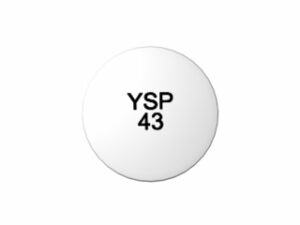


Cytotec (Misoprostol)
Cytotec contains the medicine misoprostol. It is used in specific clinical situations to help protect the stomach from acid-related injury and to help control uterine contractions in carefully selected uses. This information is designed to help you understand how the medicine works, how it is used, and what to expect.
In the United Kingdom, product availability and prescribing practices can vary by indication, licensing, and clinical guidance. Always follow the instructions provided by your healthcare professional and the medication label.
Quick product facts
| Item | Details |
|---|---|
| Active ingredient | Misoprostol |
| Brand name | Cytotec |
| How it works | Analogue of prostaglandin E1; reduces stomach acid and increases protective mucus/bicarbonate |
| Common forms | Oral tablets (strengths may vary by product/pack) |
| Typical uses | Prevention of NSAID-related gastric ulcers; treatment of specific obstetric/gynecologic indications under specialist care |
| Key safety notes | Not suitable for use during pregnancy except where specifically indicated by specialist care; can cause uterine cramping and bleeding in relevant uses |
What Cytotec is used for (typical indications)
1) Prevention of NSAID-related stomach ulcers
Misoprostol helps reduce the risk of gastric ulcers in people taking medicines known as NSAIDs (non-steroidal anti-inflammatory drugs), especially those at higher risk (e.g., previous ulcer disease). NSAIDs can damage the stomach lining by reducing protective prostaglandins.
2) Other indications
Misoprostol has established use in selected obstetric and gynaecologic settings under appropriate clinical protocols and supervision. The exact indication, regimen, and monitoring requirements depend on the clinical scenario and UK guidance.
Important: Misoprostol can cause uterine contractions and vaginal bleeding. If you are or might be pregnant, it is generally avoided except when it is being used for a clearly defined medical purpose with specialist direction.
How it works (mechanism of action)
Misoprostol is a synthetic prostaglandin E1 analogue. After it is taken by mouth, it is converted in the body to the active metabolite, which acts on prostaglandin receptors.
- Stomach protection: It helps reduce gastric acid secretion.
- Improves mucosal defences: It increases protective mucus and bicarbonate, helping the stomach lining resist acid injury.
- Uterine effects (relevant in specific indications): It can increase uterine smooth muscle tone and contractions and may also influence cervical ripening, depending on the indication and dosing protocol.
Pharmacokinetics: how the body absorbs and processes it
Pharmacokinetics describes how the body absorbs, distributes, metabolises, and eliminates a medicine. For misoprostol, the key points for patients are:
- Absorption: Misoprostol is absorbed after oral administration and converted to its active form.
- Onset: Effects may begin within hours, but the timing of benefit depends on why you are taking it.
- Metabolism: It is metabolised primarily in the liver.
- Elimination: Metabolites are cleared mainly via the kidneys (urine).
Individual variation can occur based on age, liver and kidney function, and other medicines. If you have liver or kidney impairment, ask your healthcare professional for tailored advice.
Timing and practical use
Timing depends on the indication (for example, ulcer prevention versus other specialised uses). Below are general patterns that many regimens follow, but always follow your specific instructions.
If used for NSAID-related ulcer prevention
- It is commonly taken with or after meals to reduce stomach upset and side effects such as diarrhoea.
- Dosing frequency is often multiple times daily (commonly several doses across the day).
- Try to take doses at roughly consistent times to maintain steady effect.
If used for other clinical indications
Regimens vary significantly. Your clinician will advise the exact timing, how to take the doses (by mouth and/or other routes depending on protocol), and when to seek urgent help.
Food interactions and dietary considerations
Misoprostol is generally taken with food for ulcer prevention to improve tolerability. Food can help reduce gastrointestinal discomfort.
- With meals: Often recommended, especially if you experience nausea or diarrhoea.
- High-fat meals: May affect how quickly the medicine is absorbed for some medicines. Evidence for major clinical changes with misoprostol is limited, but if your prescriber has advised “with food”, follow that.
- Dehydration risk: If diarrhoea occurs, ensure you drink enough fluids.
Alcohol and medicine interactions
There are no universal “rules” that apply to everyone, but misoprostol can cause gastrointestinal side effects and sometimes dizziness. Alcohol may worsen these effects in some people and can increase dehydration risk if diarrhoea occurs.
Alcohol
- Best approach: Avoid or limit alcohol while taking misoprostol, especially if you are experiencing diarrhoea, nausea, or stomach cramps.
- Seek advice: If you use alcohol frequently or have liver disease, talk to a clinician or pharmacist.
Other medicines (general interaction considerations)
Misoprostol may interact indirectly with some medicines through effects on the stomach or through overlapping side effects. Examples of common medicines where you should check interaction risk include:
- NSAIDs (used with it for ulcer prevention): Your regimen is designed around this combination, but dosing and timing matter.
- Medicines causing stomach irritation or additional diarrhoea: combine cautiously and consider food timing.
- Antacids: If you take antacids, ask your pharmacist whether they alter tolerability or timing for your regimen.
- Other prostaglandin-related medicines: Specialist advice is needed where relevant.
Always provide your pharmacist with a full list of medicines and supplements you take, including over-the-counter products.
Dosing: what to expect
Dose depends on the indication and your clinical situation. The information below is general so you understand what clinicians typically consider. For your actual dose, follow the instructions on your medicine label and the advice you were given.
For ulcer prevention in people taking NSAIDs
- Misoprostol is often taken in divided doses across the day.
- Dose adjustments may be recommended for tolerability (for example, if diarrhoea is troublesome).
- Taking it with meals can help reduce side effects.
For other clinical indications
Dosing schedules for pregnancy-related or gynaecologic uses differ from ulcer prevention and are determined by the healthcare team. Because safety depends on the exact situation and monitoring, do not use a dosing plan intended for a different indication.
Safety profile: side effects and what to watch for
Common side effects
Side effects can vary by dose and reason for use. For ulcer prevention, the most typical problems are gastrointestinal:
- Diarrhoea (often dose-related)
- Abdominal pain or stomach cramps
- Nausea
- Dyspepsia (indigestion)
- Headache
- Dizziness
Serious side effects (seek urgent medical help)
Contact emergency services or seek urgent medical assessment if you experience:
- Severe or persistent diarrhoea leading to dehydration (e.g., marked thirst, faintness, very dark urine)
- Severe allergic reaction (swelling of face/lips, difficulty breathing, widespread rash)
- In obstetric/gynaecologic contexts: very heavy bleeding, severe pain not relieved by usual measures, fever with feeling very unwell, or signs of shock (e.g., collapse, extreme light-headedness).
Who should be extra careful?
Misoprostol may be unsuitable or require special monitoring if you have certain conditions. Tell a clinician if you have:
- Pregnancy or possibility of pregnancy (unless the treatment is for a specific supervised indication)
- Significant gastrointestinal disease or history of severe diarrhoea with medicines
- Serious cardiovascular disease or conditions requiring careful monitoring
- Kidney or liver impairment
Practical use tips (patient-friendly)
- Take with meals: If you’re using it for ulcer prevention, follow “with food” instructions to improve tolerability.
- Hydrate: If diarrhoea occurs, drink fluids regularly; consider oral rehydration solutions if needed.
- Track side effects: Note when they happen relative to each dose. This can help your clinician adjust the plan.
- Do not double up: If you miss a dose, follow the instructions provided by your healthcare professional or pharmacist. Do not take extra tablets unless you are told to.
- Keep the medicine accessible: Use a calendar or reminder system for multiple daily dosing schedules.
- Know what is “normal” vs “urgent”: Mild cramping or mild diarrhoea may be expected, but severe symptoms should be assessed quickly.
Alternative options for stomach protection
If misoprostol is not suitable (for example, due to side effects), clinicians may consider other approaches for preventing or treating NSAID-related gastric injury. Alternatives can include:
- Proton pump inhibitors (PPIs) (acid suppression)
- H2-receptor antagonists (acid reduction)
- Protective strategies such as using the lowest effective NSAID dose, choosing a safer NSAID where appropriate, and considering gastroprotective therapy
The best alternative depends on your risk profile, the NSAID(s) you take, and any medical history. Discuss with your GP or pharmacist.
Market and legal context in the United Kingdom
In the UK, misoprostol is used for authorised medical indications and is supplied through healthcare pathways in line with licensing status, clinical guidelines, and regulation. Availability can vary across strengths, pack sizes, and local distribution.
For patients, the key points are:
- Medicines regulation: Products are supplied in accordance with UK medicines regulation and pharmacy standards.
- Clinical guidance: Recommendations for ulcer prevention and any obstetric/gynaecologic use are informed by professional bodies and local services.
- Safety requirements: Correct eligibility screening and counselling are essential where uterotonic effects are involved.
Recent guidance and best-practice considerations
UK clinical practice is continually updated. While specific protocols can change, the consistent themes are:
- Careful patient assessment to confirm suitability and reduce risk.
- Clear safety-netting advice about symptoms that require urgent review.
- Appropriate follow-up when outcomes depend on monitoring.
- Evidence-based dosing and administration aligned with current clinical guidance.
If you’re using misoprostol in a context where monitoring is required, ask your clinician or pharmacist about what follow-up arrangements apply in your local area.
Delivery and availability (UK)
Online availability depends on licensed supply and pharmacy policies. Typically, a pharmacy will provide:
- Stock status and estimated dispatch time
- Delivery options (e.g., standard vs express), subject to local coverage
- Packaging standards to protect privacy and product integrity
- Customer support for order queries and guidance on storage
Delivery times can vary, especially during high-demand periods. If a medicine is out of stock, your pharmacy may offer alternatives or inform you of re-stock dates.
How to store Cytotec
- Store at room temperature as directed on the pack.
- Keep the medicine in its original packaging to protect it from moisture and light.
- Keep out of the sight and reach of children.
- Do not use after the expiry date printed on the box/blister.
FAQ about Cytotec (Misoprostol)
1) Is Cytotec the same as misoprostol?
Yes. Cytotec is a brand name; the active ingredient is misoprostol.
2) What should I do if I miss a dose?
Follow the specific advice provided with your medication instructions or by your healthcare professional. In general, do not take extra tablets unless you’ve been told to. If you’re unsure, speak to your pharmacist.
3) Why does misoprostol often cause diarrhoea?
Misoprostol affects prostaglandin receptors throughout the body. In many people, this can lead to increased bowel activity, which may cause diarrhoea—particularly at higher doses. Taking it with meals and following the prescribed dose can help.
4) Can I take it with food?
For ulcer prevention, it is often recommended to take misoprostol with or after meals. This may improve tolerability. For other indications, your clinician may provide different instructions.
5) Can I drink alcohol while taking Cytotec?
It’s best to limit alcohol. Alcohol may worsen dizziness and gastrointestinal side effects and can increase dehydration risk if diarrhoea occurs. Ask a pharmacist if you have concerns, especially if you drink regularly.
6) What medicines commonly need extra checking with misoprostol?
Medicines that affect the stomach, NSAIDs, and medicines that can contribute to diarrhoea or dehydration should be reviewed. Provide a full list of your medicines and supplements to your pharmacist for tailored advice.
7) Who should not take misoprostol?
Misoprostol may be unsuitable for some people, particularly in situations involving pregnancy or where it is not clinically appropriate. If you might be pregnant, discuss urgently with a clinician before using it.
8) What symptoms are not normal and need urgent help?
Seek urgent medical advice if you have severe diarrhoea with signs of dehydration, symptoms of allergic reaction, or (in relevant clinical contexts) very heavy bleeding, severe pain, fever, or feeling faint or unwell.
9) How long does it take to work?
This depends on the reason for treatment. For ulcer prevention, benefit is related to ongoing stomach protection while taking NSAIDs. If used for other indications, timing and expected effects are defined by the clinical protocol.
10) Are there alternatives if I can’t tolerate it?
Yes. If side effects are difficult to manage, clinicians may consider acid-suppression options such as PPIs or other gastroprotective strategies, depending on your condition and risk factors.
Important patient note
This page provides general information and does not replace personalised medical advice. If you have questions about suitability, side effects, or interactions with your current medicines, speak to a pharmacist or healthcare professional.