Prilosec (Omeprazole) – Patient Guide (UK)
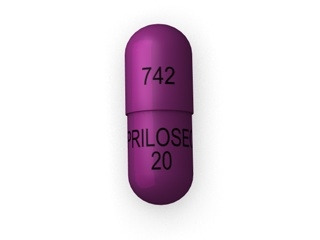
Prilosec is a brand name containing the active ingredient omeprazole, a medicine used to reduce stomach acid. It belongs to a group of medicines called proton pump inhibitors (PPIs). Prilosec is commonly used for conditions such as heartburn and acid reflux (including gastro-oesophageal reflux disease, GORD), indigestion related to acid, and certain stomach and intestinal problems where acid suppression is important.
This guide explains how Prilosec works, how to take it correctly, what to expect, interactions to watch for, and when to seek medical advice.
Quick product information
| Feature | Details |
|---|---|
| Brand | Prilosec |
| Active ingredient | Omeprazole |
| Medicine type | Proton pump inhibitor (PPI) |
| Common uses | Heartburn/acid reflux, GORD, oesophagitis, stomach ulcer prevention/treatment (depending on regimen) |
| Typical onset | Often improves symptoms within 1–4 days; maximum benefit may take longer |
| How to take | Usually once daily, before food (best before breakfast) |
| UK availability | Omeprazole products may be available in different formulations; availability can vary by strength and brand |
How Prilosec works (mechanism of action)
Omeprazole reduces stomach acid by blocking a specific system in the stomach lining called the proton pump (H+/K+ ATPase). This pump is responsible for the final step of acid production. When the pump is blocked, less acid is released into the stomach.
Because omeprazole targets the final pathway of acid secretion, it is often more effective than acid-neutralising medicines for longer-term control of symptoms and healing of acid-related injury.
Why timing matters
Omeprazole works best when taken before food because it needs to be present in the bloodstream when the stomach starts preparing to secrete acid.
Pharmacokinetics (how the body handles omeprazole)
While individual responses vary, understanding the general pattern can help you use the medicine more confidently.
- Absorption: Omeprazole is absorbed after you take it by mouth. The medicine is designed to dissolve so that it can act in the stomach.
- Distribution: It is carried in the bloodstream and reaches the stomach lining where acid pumps are located.
- Metabolism: Omeprazole is mainly processed in the liver (notably by enzymes such as CYP2C19).
- Elimination: The medicine is broken down and removed from the body primarily via the kidneys and bile.
- Onset and duration: Although it may be cleared from the bloodstream relatively quickly, its effect on acid pumps can persist longer, which is why once-daily dosing is common.
People vary in how quickly they metabolise omeprazole. Some individuals may experience better or faster symptom control than others.
What Prilosec is used for (typical indications)
Omeprazole is used to treat a range of conditions where reducing stomach acid helps relieve symptoms and promote healing. Common indications include:
- GORD (acid reflux): Heartburn, acid regurgitation, and inflammation of the oesophagus (oesophagitis) due to reflux.
- Frequent heartburn or acid indigestion: Persistent symptoms related to excess acid.
- Oesophageal healing (inflammation): Supporting recovery from acid-related damage in the oesophagus.
- Prevention of stomach ulcers in selected patients: When ulcers are associated with certain medicines (for example, some painkillers known as NSAIDs), depending on the clinical plan.
- Zollinger–Ellison syndrome: A rare condition involving excess acid production (specialist-led regimens).
Indications and dosing schedules may differ based on severity and medical history. Always follow the instructions on your product packaging or any personalised advice you receive.
How and when to take Prilosec (timing and practical use)
Correct timing is one of the most important factors affecting how well omeprazole works.
Typical dosing schedule
Omeprazole is often taken , commonly in the morning. Many people find it easiest to take it 30–60 minutes before breakfast.
- Best time: Before a meal (often before breakfast)
- If you take it before another meal: Choose the most regular mealtime and take it 30–60 minutes beforehand
- Try to take it at the same time each day for consistent acid suppression
Swallowing instructions
Follow the specific instructions for your product formulation. In general:
- Swallow tablets/capsules whole with water.
- Do not crush or chew unless the packaging clearly instructs you to do so.
- If you have difficulty swallowing, speak to a pharmacist about suitable formulations and how to take them safely.
How long before it helps?
- Some relief: Many people notice improvement within a few days.
- Full benefit: Healing and symptom control may take longer, especially for inflammation.
- Do not stop early: If symptoms require a course, finishing it can improve results.
Food interactions and what to eat/drink
Omeprazole’s main “interaction” with food is timing rather than specific foods. Taking it before a meal allows it to work when the stomach acid system is active.
What to avoid in timing
- Taking it with food: Can reduce effectiveness compared with taking it before a meal.
- Skipping meals irregularly: If you frequently change meal timing, consider taking it before your most consistent meal.
Do certain foods make reflux worse?
While PPIs reduce acid, lifestyle can still influence symptoms. Some people find reflux is worsened by:
- large or late meals
- fatty, spicy foods
- tomato-based foods
- chocolate, peppermint
- caffeine
- alcohol
If your symptoms persist despite taking Prilosec correctly, consider reflux-friendly habits (see “Practical use tips” below) and speak to a healthcare professional.
Alcohol interactions
There is no common direct “chemical” interaction between omeprazole and alcohol. However, alcohol can worsen reflux symptoms and irritation of the oesophagus for many people.
- Heartburn and reflux: Alcohol may trigger or aggravate symptoms even when acid is reduced.
- Stomach irritation: For some individuals, alcohol can increase discomfort.
- Practical advice: If you drink alcohol, consider reducing amount and avoiding drinking close to bedtime.
If you notice your symptoms reliably worsen after alcohol, it may be best to limit or avoid it while managing reflux.
Medicine interactions (important safety information)
Omeprazole can affect the absorption and effectiveness of some medicines, mainly because it reduces stomach acidity. Some medicines also rely on liver enzymes (including CYP2C19) for metabolism. This can lead to interactions.
Always tell a healthcare professional or pharmacist about all medicines you take, including over-the-counter treatments and herbal products.
Medicines commonly discussed with omeprazole
- Clopidogrel: Omeprazole may reduce the activation of clopidogrel in some cases. Guidance may recommend avoiding certain PPIs with clopidogrel or choosing an alternative (e.g., pantoprazole) depending on the person and indication.
- Antiretrovirals (HIV medicines): Some are affected by stomach pH (examples include atazanavir or rilpivirine). Advice may differ by regimen.
- Warfarin: Some patients may require closer monitoring of clotting tests after starting or stopping a PPI.
- Digoxin: Lower acid can change absorption; monitoring may be needed in some patients.
- Ketoconazole/itraconazole: Reduced stomach acid may reduce absorption of certain antifungals.
- Iron salts: Acid suppression can reduce absorption of non-haem iron. If iron therapy is needed, your clinician may adjust timing or choice.
- Some supplements and “reflux remedies”: Antacids may provide symptom relief but are not a substitute for PPIs when ongoing treatment is needed. Separate timing if advised.
This is not an exhaustive list. Interactions can depend on dose, formulation, and individual factors. If you are unsure, ask a pharmacist.
Dosing information (general guidance)
Doses vary by condition, symptom severity, and product strength. Use the dose stated on your specific Prilosec/omeprazole product packaging or as directed by a clinician.
Common dosing patterns
- Acid reflux/GORD: Often once daily, typically in the morning, for a defined course.
- Frequent heartburn: Sometimes a short course is recommended; if symptoms persist, review is important.
- More severe or long-term conditions: Higher or longer regimens may be used under medical supervision.
Do not exceed the stated dose. If your symptoms are not improving as expected, seek advice rather than increasing dose on your own.
Missed dose
If you forget a dose:
- Take it when you remember if it is close to the time you usually take it.
- If it is nearly time for the next dose, skip the missed dose.
- Do not take a double dose to make up for a missed one.
Safety profile and who should be careful
Most people tolerate omeprazole well. As with all medicines, there is a risk of side effects. Some are mild and temporary; others require prompt medical advice.
Common side effects
- headache
- nausea or stomach discomfort
- diarrhoea or constipation
- gas (bloating)
- mild dizziness
Less common but important risks
- Allergic reactions: swelling of the face/lips, rash, or breathing difficulties require urgent help.
- Severe diarrhoea: may indicate an infection; seek medical advice promptly.
- Long-term use considerations: Prolonged PPI therapy has been linked with certain risks (e.g., nutrient absorption changes). Clinicians typically aim for the lowest effective dose for the shortest appropriate duration.
Pregnancy and breastfeeding (general)
Many medicines—including PPIs—may be considered during pregnancy or breastfeeding when benefits outweigh risks. Discuss with a healthcare professional for personalised advice.
Older adults and kidney/liver conditions
Older adults and those with liver problems may require careful monitoring. Kidney impairment is also relevant for general safety. Your pharmacist can advise based on your background and other medicines.
Practical use tips for best results
- Take it before food: Aim for 30–60 minutes before breakfast (or before your main meal).
- Stay consistent: Same time each day helps maintain symptom control.
- Allow time: If symptoms are frequent, expect gradual improvement rather than instant relief.
- Use lifestyle measures: Avoid late meals, consider elevating the head of the bed, and reduce triggers such as alcohol, caffeine, and high-fat foods.
- Don’t “double up” to fix missed doses: Stick to the schedule.
- Review if symptoms persist: If you still get heartburn most days, you may need assessment of the underlying cause.
- Keep track: Note when symptoms occur and what changes help—useful information for clinicians.
When to seek medical advice urgently
Seek prompt medical attention if you have alarm symptoms such as:
- difficulty swallowing or painful swallowing
- unexplained weight loss
- vomiting blood or black/tarry stools
- persistent vomiting
- new chest pain or shortness of breath
- symptoms that are worsening or not responding as expected
These symptoms can indicate conditions that require diagnosis and management beyond acid suppression.
Alternative options to Prilosec (omeprazole)
Several medicines and strategies can help with reflux and acid-related indigestion. Which option is suitable depends on severity, frequency, and your medical history.
Other PPIs
- Esomeprazole
- Lansoprazole
- Pantoprazole
- Rabeprazole
These also reduce stomach acid and may be chosen based on interaction concerns or individual response.
H2-receptor antagonists
Medicines such as famotidine may help some people, especially for occasional symptoms, though PPIs are typically stronger for frequent reflux.
Antacids and alginates
- Antacids neutralise existing acid and may give quicker, short-term relief.
- Alginate-based products can form a “raft” to reduce reflux episodes, particularly after meals.
These are often used as add-on treatments for breakthrough symptoms, but they don’t replace a PPI for healing over time.
Lifestyle measures
Weight management, dietary adjustments, and avoiding late meals can significantly improve symptoms and reduce the need for longer-term medication.
Prilosec in the UK: market, legal and guidance context
In the United Kingdom, omeprazole (including brand and generic options) is widely used for acid-related conditions. Availability, strength, and the way it is supplied can vary between products and retailers. In many cases, omeprazole can be obtained through pharmacies or other appropriate routes in line with UK regulations.
Clinical practice in the UK emphasises:
- Correct diagnosis of the cause of symptoms when symptoms persist.
- Using the lowest effective dose for the shortest appropriate duration.
- Reviewing ongoing need for long-term PPI therapy.
- Considering step-down or alternative therapy when symptoms are controlled.
Recent UK-wide safety and stewardship themes have highlighted careful monitoring of long-term PPI use, appropriate indication, and checking for medicines that may interact (for example, with certain antiplatelet or antifungal medicines).
Recent guidance themes (UK safety and stewardship)
Across recent years, healthcare systems have continued to promote responsible PPI prescribing and use. Common themes include:
- Periodic reassessment: If symptoms are well controlled, clinicians may consider reducing dose or stopping where appropriate.
- Tailoring therapy: Matching dose and duration to the condition (short courses for uncomplicated symptoms; specialist regimens for complex conditions).
- Interaction checks: Reviewing medicines for potential interactions before starting or continuing long-term therapy.
- Safety awareness: Being alert to potential side effects and nutrient-related concerns for prolonged use.
Your pharmacist can help you interpret product information and discuss whether your course seems aligned with typical use.
Delivery and availability in the UK
Prilosec (omeprazole) and other omeprazole products are commonly available through online pharmacies in the UK. Availability may vary by:
- strength (e.g., 10 mg/20 mg or other licensed strengths depending on formulation)
- pack size
- whether you require a particular formulation (enteric-coated capsules, tablets, or other forms)
- stock levels and supplier routes
When ordering online, ensure the product strength and formulation match the instructions you intend to follow. Delivery times and methods can vary; check the retailer’s delivery information at checkout.
FAQ – Frequently asked questions
1) Is Prilosec the same as omeprazole?
Yes. Prilosec is a brand name that contains omeprazole as the active ingredient.
2) How quickly will Prilosec work?
Many people start to notice symptom relief within a few days. Full benefits—especially for inflammation—can take longer, so completing a recommended course is important.
3) Should I take Prilosec before or after food?
Take it before food, commonly 30–60 minutes before breakfast. This timing helps it work when your stomach is preparing to produce acid.
4) Can I drink alcohol while taking Prilosec?
There is no universal direct interaction, but alcohol can worsen reflux for many people. If you drink, consider reducing intake and avoiding late drinking.
5) What if I miss a dose?
If you remember soon, take it. If it is close to the next dose, skip the missed dose. Do not take a double dose.
6) Can I take antacids with Prilosec?
Many people can use antacids for breakthrough symptoms. However, if you use other medicines regularly, ask a pharmacist about the best timing so treatments don’t interfere with each other.
7) Are there any medicines I should tell you about before starting?
Yes—especially medicines that may interact, such as clopidogrel, certain HIV medicines, warfarin, digoxin, or medicines requiring stomach acidity for absorption (examples include some antifungals).
8) How long can I take Prilosec?
Duration depends on the condition and your symptom pattern. For persistent or frequent symptoms, it’s advisable to review the underlying cause and whether ongoing treatment is needed rather than continuing indefinitely without reassessment.
9) What should I do if symptoms come back after stopping?
If symptoms return, it may mean you need a different plan (dose adjustment, a PPI course length, or investigation for another cause). Speak to a pharmacist or healthcare professional for advice.
10) When should I stop and seek urgent help?
Seek urgent help if you develop signs of allergy (swelling or breathing difficulties), severe or persistent diarrhoea, or alarm symptoms such as vomiting blood, black stools, or unexplained weight loss.
Summary
Prilosec (omeprazole) is a proton pump inhibitor that reduces stomach acid by blocking the final step of acid production in the stomach. It is commonly used for GORD, heartburn, and acid-related inflammation. For best results, take it before food (often before breakfast). While many people tolerate it well, interactions and long-term considerations are important—especially if you take other medicines or need ongoing therapy. If symptoms persist, worsen, or you have alarm signs, seek medical advice promptly.