

Oxybutynin: Uses, How It Works, Safety and UK Information
Oxybutynin is a medicine used to treat bladder conditions where the bladder muscles are overactive. It helps reduce symptoms such as urgency, frequency, and urge incontinence (leaking on the way to the toilet).
This guide is written for patients in the United Kingdom and explains how oxybutynin works, how it’s taken, key safety considerations, and what to expect. Please note that the exact product strength and dosing instructions can vary depending on the formulation (for example immediate-release or modified-release).
Basic product information
- Active ingredient: Oxybutynin
- Common uses: Overactive bladder (OAB), urge incontinence, bladder spasms
- How it works: Antimuscarinic (anticholinergic) effect on the bladder
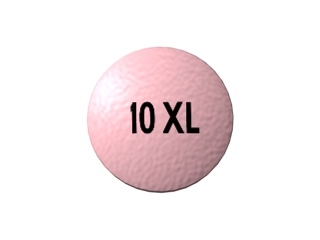
- Common formulations: Tablets/capsules and modified-release (often taken once daily)
- Brand names: Brand availability can vary; your pharmacist or prescriber can confirm the exact product
Important: Always follow the instructions given for your specific product (immediate-release versus modified-release), as dosing schedules may differ.
How oxybutynin works (mechanism of action)
Oxybutynin belongs to a group of medicines called antimuscarinics (also known as anticholinergics). It acts on muscarinic receptors, which are involved in bladder muscle contraction.
In an overactive bladder, the bladder can contract too often or at inappropriate times. By blocking muscarinic receptors in the bladder, oxybutynin:
- reduces involuntary bladder contractions
- increases bladder storage capacity
- reduces symptoms such as urgency and frequency
In simple terms, oxybutynin helps the bladder hold urine more comfortably and lessens “sudden” urges to pass urine.
Pharmacokinetics (how the body handles the medicine)
Understanding pharmacokinetics can help explain timing and side effects.
- Absorption: Oxybutynin is absorbed after oral dosing. The speed and amount absorbed may vary depending on whether the product is immediate-release or modified-release.
- Distribution: It distributes throughout the body, including the central nervous system, which may contribute to some side effects (for example, drowsiness or confusion in susceptible individuals).
- Metabolism: Oxybutynin is metabolised mainly in the liver (including formation of active/inactive metabolites). This metabolism can influence both effectiveness and side effect risk.
- Elimination: Metabolites are eliminated primarily via the kidneys.
Practical takeaway: People with reduced liver function or kidney problems may need closer monitoring. The choice of formulation (immediate vs modified release) can influence how long the medicine lasts and how side effects are experienced.
Typical use and when it helps
Oxybutynin is commonly used for:
- Overactive bladder (OAB) — characterised by urgency (a sudden strong need to pass urine), frequent urination, and/or urge incontinence
- Urge incontinence — leaking associated with urgency
- Bladder spasms — depending on clinical assessment
When to expect benefits: Some people notice symptom improvement within a few days, while others may take longer. Many clinicians review symptom response after a few weeks to decide whether dose adjustments or alternatives are needed.
How to take oxybutynin (timing and instructions)
The exact schedule depends on your product type:
- Immediate-release: Usually taken multiple times a day (often 2–3 times daily), depending on the dose prescribed.
- Modified-release: Often taken once daily, typically at the same time each day.
Try to be consistent: Taking the medicine at roughly the same times each day helps maintain steadier effect and may reduce side effects.
If you miss a dose: Follow the guidance provided with your medicine. In general, if you remember soon after and it’s not too close to the next dose, you may take it—otherwise skip it. Do not double up to make up for a missed dose unless instructed.
Food interactions and what to watch
Food can affect how medicines are absorbed. With oxybutynin, timing with meals may influence side effects for some people.
- General advice: You can usually take oxybutynin with or without food, but follow your product label instructions.
- If you experience nausea or stomach upset: Taking it with food may help.
- Avoid swallowing modified-release tablets/capsules incorrectly: Do not crush, chew, or break modified-release forms unless your specific product instructions allow it. Breaking them can alter how the medicine is released.
Hydration matters: Because oxybutynin can cause dry mouth, maintaining adequate fluid intake (within any fluid guidance given for your condition) can improve comfort.
Alcohol and medicine interactions
Alcohol: Alcohol may worsen some anticholinergic effects such as drowsiness, dizziness, and impaired concentration. If you choose to drink, do so cautiously and avoid heavy alcohol intake—especially when starting treatment or adjusting the dose.
Other medicines that may interact: Oxybutynin can have additive anticholinergic effects with other drugs that also reduce acetylcholine activity. Combined use may increase the risk of side effects such as constipation, blurred vision, urinary retention, and confusion.
Examples of medicine groups that may interact include:
- Other antimuscarinics/anticholinergics (including some allergy, travel-sickness, and overactive bladder medicines)
- Some antidepressants (certain types with anticholinergic effects)
- Antipsychotics with anticholinergic properties
- Some medicines for Parkinson’s disease with anticholinergic activity
- Other drugs that cause drowsiness (increasing sleepiness when combined)
- Medicines that affect liver enzymes may alter oxybutynin levels in some people
Medication review is important: If you take multiple medicines, ask your pharmacist to check interactions—particularly for constipation-prone regimens, glaucoma medicines, or medicines for memory/cognition.
Indications (what it’s used to treat)
Oxybutynin is indicated for:
- Symptomatic management of overactive bladder
- Urge incontinence associated with overactivity of the bladder
- Detrusor overactivity and related symptoms, depending on clinical context
Use is based on assessment of symptoms and suitability of antimuscarinic therapy for your health profile.
Dosing guidance (general information)
Oxybutynin dosing varies by person and by product type. The dose should be adjusted to balance symptom control and side effects.
Typical approach (general):
- Start at a lower dose if appropriate, especially in older adults or those sensitive to anticholinergic effects.
- Adjust gradually based on symptom response and tolerability.
- For modified-release formulations, dosing is usually once daily.
Follow your label: Your prescription instructions (or pharmacy label) will specify the exact dose and frequency. Do not change the dose without clinical advice.
Special care: Dosing may be reconsidered if you have:
- kidney or liver impairment
- significant constipation or a history of bowel problems
- conditions where reduced bladder emptying could be harmful
- narrow-angle glaucoma
Safety profile: side effects and who should take extra care
Like all medicines, oxybutynin can cause side effects. Many are related to its antimuscarinic action.
Common side effects
- Dry mouth
- Constipation
- Blurred vision
- Drowsiness or dizziness (in some people)
- Reduced sweating (in some cases, increasing heat intolerance)
- Headache
Less common but important effects
- Difficulty passing urine or urinary retention
- Confusion or worsening memory, particularly in older adults or those already at risk
- Palpitations (seek advice if persistent or severe)
When to seek urgent medical help
Contact urgent care or seek medical advice promptly if you experience signs of a serious reaction, such as:
- swelling of the face/lips, rash with breathing difficulty
- severe confusion, agitation, or hallucinations
- inability to pass urine with significant discomfort
- severe constipation with pain, vomiting, or inability to pass gas
- severe eye pain with blurred vision (possible acute glaucoma issue)
Who should take extra care
Oxybutynin may not be suitable, or may require careful monitoring, in people with:
- Narrow-angle glaucoma
- Urinary retention or significant difficulty emptying the bladder (for example, severe prostate enlargement)
- Severe constipation or bowel obstruction risk
- Myasthenia gravis
- Gastrointestinal obstruction or reduced gut movement
- Significant cognitive impairment or high risk of confusion
- Dryness-related conditions (for example, severe dry mouth may worsen dental issues)
Pregnancy and breastfeeding: Suitability depends on individual risk/benefit assessment. Discuss with a healthcare professional.
Practical use tips (to get the best results with fewer problems)
- Manage dry mouth: Sip water regularly, consider sugar-free chewing gum, and maintain good oral hygiene.
- Prevent constipation: Eat fibre-rich foods, stay active if possible, and drink fluids as advised. If you’re prone to constipation, consider discussing a preventative plan with your pharmacist.
- Be cautious with heat: Reduced sweating can make you more sensitive to hot weather. Take care during warm conditions or exercise.
- Driving and machinery: If you feel drowsy or dizzy, avoid driving and operating tools/machinery until you know how oxybutynin affects you.
- Track bladder symptoms: For the first few weeks, note urgency episodes, frequency, and any leakage. This helps identify whether the dose or formulation is working.
- Report troublesome side effects early: If side effects are significant, your clinician may adjust the dose, switch to a different formulation, or consider another medicine class.
Alternative options
If oxybutynin doesn’t suit you or doesn’t control symptoms adequately, alternatives may include:
Other medicines (antimuscarinics)
- Other antimuscarinic drugs used for overactive bladder may have different side-effect profiles for different people.
Beta-3 agonists
- Mirabegron is a commonly used alternative approach that can help overactive bladder symptoms with a different mechanism (not an antimuscarinic), which may reduce anticholinergic side effects for some patients.
Non-medicine options
- Bladder training (scheduled voiding, gradual timing adjustments)
- Pelvic floor exercises (especially for urge incontinence)
- Reducing bladder irritants (for example caffeine, if it triggers symptoms)
Your choice depends on your symptoms, medical history, and how you respond to treatment.
UK market and legal context
In the UK, medicines for overactive bladder are used under national clinical practice and evidence-based guidance. Treatments are selected based on severity, symptom patterns, patient preference, and suitability of medicines (including side-effect considerations such as constipation, dry mouth, and cognitive effects).
Regulatory framework: Oxybutynin-containing products are authorised for use in accordance with UK medicines regulation and are supplied via licensed pharmacy channels. Availability of specific strengths and formulations can vary.
Recent guidance themes: UK practice increasingly emphasises:
- individualised selection of medication based on tolerability
- consideration of alternatives for patients at higher risk from anticholinergic effects
- combining medication with behavioural strategies where appropriate
Note: Local clinical guidance and follow-up schedules can differ by service (for example, primary care versus urology/urological nursing pathways).
Recent guidance and clinical considerations (what may influence treatment)
Over time, clinical discussions in the UK have focused on choosing the safest and best-tolerated option for each patient. Practical factors often include:
- Anticholinergic burden: People taking other anticholinergic medicines (or those with cognitive vulnerability) may require caution.
- Switching strategies: If one antimuscarinic causes unacceptable dryness/constipation or confusion, switching to another agent or a different drug class may be considered.
- Monitoring: Follow-up is often used to ensure symptom control and to check for side effects affecting daily life.
- Formulation choice: Modified-release forms can reduce peak-related side effects for some people.
Delivery and availability in the United Kingdom
Availability of oxybutynin products depends on the specific formulation and strength. Online pharmacies in the UK commonly offer:
- Home delivery (where allowed and available)
- standard and express postage options depending on location
- discreet packaging
How to order: Select the correct product strength and formulation matching your instructions. If you are unsure, contact customer support or speak to your pharmacist for confirmation before ordering.
Cold chain: Oxybutynin tablets/capsules are typically stored at controlled room temperature. Check your product packaging for specific storage instructions.
Stock levels: Pharmacy stock can vary. If a product is temporarily unavailable, you may be offered an alternative formulation or notified of delivery timing.
FAQ about oxybutynin
1. How long does it take for oxybutynin to work?
Some people notice improvement within a few days, but full benefit can take a few weeks. If there is little change after an appropriate trial period, your pharmacist or clinician may review your dose or consider alternatives.
2. Can I take oxybutynin with food?
Often you can take it with or without food. If you get nausea or stomach upset, taking it with food may help. Follow your product’s instructions, especially for modified-release forms.
3. What should I do for dry mouth?
Use sugar-free gum or sweets, sip water regularly, and maintain good oral hygiene. If dry mouth becomes severe or affects swallowing, seek advice.
4. Is oxybutynin safe for older adults?
It can be used in some older adults, but caution is important due to increased risk of constipation, urinary retention, and confusion. Dose choice and monitoring matter—discuss risks and benefits with a healthcare professional.
5. Will oxybutynin make me sleepy?
Some people feel drowsy or dizzy. If you feel affected, avoid driving or operating machinery until you know how you respond.
6. Can I drink alcohol while taking oxybutynin?
It’s best to limit alcohol. Alcohol may increase dizziness or drowsiness and can worsen dehydration. If you choose to drink, do so moderately and see how your body responds.
7. What if I forget a dose?
Check your product instructions for missed dose advice. Generally, if it’s close to the next dose, skip the missed dose rather than doubling up.
8. Are there alternatives if it causes side effects?
Yes. Options may include adjusting the dose, switching to a different formulation, trying another antimuscarinic, or considering a beta-3 agonist such as mirabegron—depending on your symptoms and medical suitability.
9. Can oxybutynin worsen constipation?
Yes, constipation is a common antimuscarinic effect. If constipation becomes problematic, talk to a pharmacist for advice, including dietary strategies and possibly a suitable laxative plan.
10. When should I stop taking it and get help?
Seek urgent advice if you develop severe allergic symptoms, inability to pass urine, significant confusion, severe constipation with pain/vomiting, or acute eye pain with blurred vision.
Summary
Oxybutynin is an antimuscarinic medicine used to manage overactive bladder symptoms such as urgency, frequency, and urge incontinence. By relaxing bladder muscle activity, it helps improve day-to-day bladder control. Like other anticholinergic medicines, it can cause side effects—most commonly dry mouth and constipation—so careful attention to hydration, bowel habits, and overall safety is important.
If you’re considering oxybutynin or already taking it, use this guide to support safe, practical use and to know what to discuss with your pharmacist if symptoms or side effects change.