

Tetracycline (Tetracycline Hydrochloride) — Patient Guide (UK)
Tetracycline Hydrochloride is an antibiotic medicine used to treat certain bacterial infections. This guide explains what it is used for, how it works, how it should be taken, and important safety information. It is written for people in the United Kingdom and focuses on practical day-to-day use.
Basic product information
- Medicine name: Tetracycline (Tetracycline Hydrochloride)
- Type: Antibiotic (tetracycline-class)
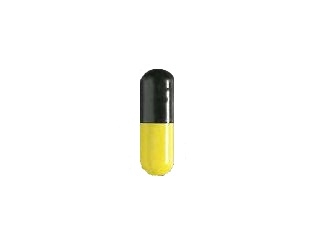
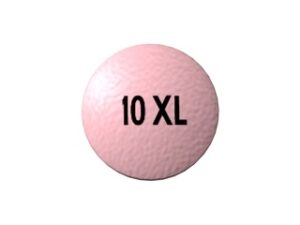
- Common forms: Tablets and capsules (strengths may vary by brand/availability)
- How it’s used: Oral treatment for infections caused by susceptible bacteria
- Where available: Dispensing via UK pharmacies and suppliers (availability can vary)
Always follow the instructions provided with your medicine and any advice from your healthcare professional. If you are unsure whether your infection is suitable for tetracycline, ask before starting.
How tetracycline works (mechanism of action)
Tetracycline works by interfering with how bacteria make proteins. It binds to the bacterial ribosome (the cell’s protein-building machinery), blocking the attachment of transfer RNA (tRNA). This prevents the bacteria from producing essential proteins needed for growth and reproduction.
In simple terms: tetracycline slows or stops bacterial growth, giving your immune system a better chance to clear the infection.
- Effect: Primarily bacteriostatic (it inhibits bacterial growth)
- Targets: Many susceptible Gram-positive and Gram-negative bacteria
- Resistance: Some bacteria are resistant; local guidance and culture results guide choice when available
Pharmacokinetics (how the body handles it)
After you swallow tetracycline, absorption and effectiveness can be affected by meals and minerals. Key points are:
- Absorption: Taken by mouth, tetracycline is absorbed through the gastrointestinal tract. However, it is reduced by certain foods and minerals.
- Binding: It can form non-absorbable complexes with calcium, iron, magnesium, aluminium, and some other minerals (including those in supplements and antacids).
- Distribution: It can distribute into many body tissues and fluids, depending on infection site and body conditions.
- Metabolism: Minimal metabolism is generally involved; the medicine is largely handled through elimination.
- Elimination: Primarily via the kidneys and also through bile/faecal routes to some extent.
Because absorption can be reduced by common products, proper timing around meals and supplements is important for reliable effect.
Typical uses and indications in the UK
Tetracycline is used for infections where it is appropriate and where bacteria are susceptible. In the UK, the choice of antibiotic is increasingly guided by local resistance patterns and patient factors.
Indications may include:
- Acne (certain forms): For some inflammatory acne cases, where a clinician advises tetracycline-class treatment
- Respiratory or skin infections: When caused by susceptible organisms and recommended by clinical assessment
- Sexually transmitted infections: Tetracycline may be used in specific situations depending on organism and guidance
- Other susceptible bacterial infections: Use varies based on availability and current antibiotic guidance
If you are using tetracycline for a particular diagnosis (for example, acne or a specified infection), ask your pharmacist or healthcare professional if the course you have been given matches current local guidance. Antibiotic plans can differ by location and clinical details.
Timing and how to take tetracycline
The most important practical aspect of tetracycline is timing around meals and mineral-containing products. Follow the dosing schedule on your label.
General timing advice
- Take with water: Swallow tablets/capsules with a full glass of water.
- Avoid lying down immediately: To reduce the risk of irritation, stay upright for about 30 minutes after taking it.
- Separate from minerals: Keep a gap between tetracycline and products containing calcium, iron, magnesium, aluminium, or zinc.
- Consistent schedule: Try to take doses at evenly spaced times.
Food and mineral separation
Food can affect absorption, especially if it contains dairy or high mineral content. A common approach is:
- Milk and dairy: Avoid taking at the same time as milk, yoghurt, cheese, or other dairy drinks/foods.
- Mineral supplements: Separate from supplements such as calcium, iron or zinc.
- Antacids: Separate from antacids containing aluminium or magnesium.
The exact interval may vary by prescription instructions and product information, but a practical rule is to keep at least 2 hours before or 4–6 hours after mineral-containing products, where possible. If your label says something different, follow the label.
Food interactions: what to avoid and what to choose
Tetracycline can bind to minerals and form complexes that are not absorbed well. This can make treatment less effective.
Common food and drink interactions
- Dairy products: Milk, cheese, yoghurt, and calcium-fortified drinks
- High-mineral meals: Meals heavily fortified with minerals may reduce absorption
- Large amounts of food very close to dosing: May reduce or delay absorption for some people
Practical alternatives
- Take tetracycline with water and consider taking it between meals if tolerated.
- If stomach upset occurs, your clinician/pharmacist may suggest taking it with a light snack—only do this if advised, as it may still reduce absorption for some people.
Alcohol interactions
Moderate alcohol is not always listed as a direct interaction, but alcohol can affect your body’s ability to fight infection and can increase the risk of stomach irritation or dizziness in some people.
- Stomach effects: Both alcohol and tetracycline can irritate the stomach.
- Liver considerations: If you drink heavily or have liver disease, discuss antibiotic choices carefully.
A safe approach is to limit or avoid alcohol during the course, especially if you notice nausea, pain, or worsening side effects.
Medicine interactions (important)
Several medicines and supplements can interact with tetracycline. Some interactions reduce absorption; others may increase risks of side effects.
Medicines/supplements that may reduce absorption
- Antacids containing aluminium or magnesium
- Calcium, iron, magnesium supplements
- Zinc supplements
- Some multivitamins with minerals
Other important medicine interactions
- Isotretinoin (for acne): Combining may increase risk of certain side effects affecting pressure in the brain (see safety section).
- Warfarin: Antibiotics can affect clotting tests in some people. Extra monitoring may be needed.
- Oral contraceptives: Some antibiotic use has raised questions about contraceptive effectiveness. If you have concerns, use additional contraception and seek advice.
- Retinoids and other acne treatments: Discuss your full acne regimen with your clinician.
Tell your pharmacist about all medicines you take, including herbal products and over-the-counter supplements. If you’re unsure whether a product contains minerals, check the label.
Dosing: how much and how often
Dosing depends on the type and severity of infection, your age, kidney function, and other medicines. Your label will provide the exact schedule you should follow.
Common guidance (example ranges):
- Adults: Often given in divided doses (for example, two to four times daily) depending on indication
- Children: Tetracyclines are generally not preferred for some paediatric age groups due to safety concerns (see “Safety profile”). Dosing for children must be clinician-directed.
Do not change the dose or stop early just because you feel better. Completing the course helps reduce the chance of the infection returning and helps limit resistance.
If you miss a dose:
- Take it as soon as you remember.
- If it is close to the next dose, skip the missed dose.
- Do not double to make up for a missed dose.
How long will treatment take?
The duration varies by infection type and response to therapy. Some skin or acne regimens may be longer, while acute infections may be shorter. Always follow your specific plan.
If symptoms do not improve after a few days (or worsen), contact your healthcare professional rather than extending treatment on your own.
Safety profile: who should be careful and possible side effects
Key safety warnings
- Teeth and bone effects: Tetracyclines can affect tooth development and may contribute to tooth discolouration in unborn babies and young children. Use in pregnancy and in children needs special caution and clinician guidance.
- Sun sensitivity (photosensitivity): Tetracycline can make skin more likely to burn in sunlight.
- Esophageal irritation: Taking tablets/capsules without enough water or lying down soon after can cause harm.
- Serious allergic reactions: Seek urgent help if you develop symptoms like swelling of the face/lips, severe rash, or breathing difficulties.
- Raised intracranial pressure (rare): Symptoms can include severe persistent headache, blurred vision, or visual changes.
Common side effects
- Nausea
- Diarrhoea or stomach discomfort
- Heartburn
- Headache
- Skin rash (sometimes)
Seek urgent medical advice if you notice
- Severe or persistent diarrhoea (especially with blood or mucus), fever, or severe abdominal cramps
- Signs of allergy (swelling, widespread rash, wheezing, difficulty breathing)
- Severe sunburn-like rash after sun exposure
- Difficulty swallowing or severe chest pain (possible esophageal irritation)
- Visual disturbance with headache
- Yellowing of skin/eyes or dark urine (possible liver issues)
Pregnancy and breastfeeding (important UK safety context)
Tetracyclines are generally avoided in pregnancy and in breastfeeding unless a clinician decides the benefits outweigh risks. If you are pregnant, trying to conceive, or breastfeeding, speak to a healthcare professional before using tetracycline.
Kidney and liver disease
Because tetracyclines can accumulate if kidney function is reduced, clinicians may adjust dose or choose an alternative if needed. If you have kidney or liver problems, discuss this early.
Practical use tips for better results
- Hydrate well: Take each dose with a full glass of water.
- Stay upright: Remain seated or standing for about 30 minutes after swallowing the tablet/capsule.
- Plan around meals: Avoid dairy and mineral-rich products near your dose.
- Use sun protection: Apply SPF and wear protective clothing; avoid strong sunlight where possible.
- Complete the course: Even if you feel better, continue until finished unless told otherwise.
- Track side effects: If you get diarrhoea, rash, or nausea, note when it started and how severe it is.
- Check supplements: If you take vitamins/minerals, ask your pharmacist for the best separation timing.
Alternative options
The “best” antibiotic depends on the infection, likely bacteria, local resistance patterns, and your medical history. For some conditions—especially acne—alternative treatments may be considered.
Possible alternatives for bacterial infections
- Other antibiotic classes (chosen based on the infection site and bacteria)
- For acne, non-antibiotic options such as topical treatments may be used
Why alternatives matter
- Resistance: Some bacteria are resistant to tetracycline-class medicines.
- Safety and suitability: Pregnancy, age, kidney function, and medication interactions may affect choice.
- Local guidance: UK antibiotic recommendations aim to use the narrowest effective option.
Ask your pharmacist or prescriber what alternatives might be appropriate for your specific diagnosis if tetracycline is unsuitable or not improving symptoms.
UK market and legal context (high-level)
In the United Kingdom, antibiotic medicines are regulated and supplied under medicines legislation. Availability, pack sizes, and brand availability can vary. Antibiotic prescribing and use are supported by stewardship approaches to help reduce antimicrobial resistance.
Current clinical practice in the UK emphasises:
- Appropriate antibiotic choice (using the right medicine for the right infection)
- Appropriate duration (avoiding overly long courses)
- Minimising unnecessary use (antibiotics do not treat viral infections like colds)
For specific “recent guidance” and stewardship recommendations, clinicians and pharmacists commonly refer to UK antimicrobial guidance resources and local formularies. If you’d like, contact your local pharmacy to ask what factors influence antibiotic selection for your condition.
Recent guidance and stewardship (what it means for you)
UK antibiotic guidance has increasingly focused on limiting resistance and improving safety. Practical implications for patients:
- Only use when indicated: Do not take tetracycline for presumed viral illnesses.
- Don’t reuse leftovers: Old antibiotics may be the wrong treatment and may be unsafe.
- Report lack of improvement: If symptoms don’t start improving after a reasonable period, get advice rather than extending the dose yourself.
Following the course exactly as instructed supports both individual recovery and broader public health goals.
Delivery and availability in the UK
Availability can vary due to manufacturing supply, prescribing volume, and pharmacy stock levels. When you order via an online pharmacy:
- Dispatch times: Usually within 1–2 working days, depending on stock.
- Delivery options: Standard and expedited delivery may be offered; times vary by location.
- Substitutions: Pharmacies may supply alternative brands/pack sizes if equivalent products are available.
- Storage: Follow the storage instructions on the packaging (typically cool, dry conditions, away from moisture and heat).
If a product is temporarily unavailable, the pharmacy may contact you with options such as equivalent products or alternatives where clinically appropriate.
FAQ
1) What is tetracycline used for?
Tetracycline is an antibiotic used to treat certain bacterial infections and some inflammatory conditions where bacteria are suspected and tetracycline-class antibiotics are appropriate. The exact use depends on your diagnosis and the bacteria involved.
2) How quickly should I feel better?
Some people notice improvement within a few days, but timing depends on the infection. If you feel worse or show no improvement after a few days, seek advice from a healthcare professional.
3) Can I take it with milk?
It’s best to avoid milk and dairy close to your dose because calcium can reduce absorption. Take with water and separate from dairy if possible.
4) What should I do about vitamins and supplements?
Separate tetracycline from supplements containing calcium, iron, magnesium, or zinc. Ask your pharmacist for the best schedule. If you take multivitamins, check the label for minerals.
5) Can I drink alcohol while taking tetracycline?
It’s generally safer to limit or avoid alcohol during treatment. Alcohol can worsen stomach irritation and may affect your recovery.
6) Why is spacing meals important?
Because tetracycline can bind minerals in food and supplements, timing affects how much medicine is absorbed. This can influence how well the antibiotic works.
7) Are there age or pregnancy restrictions?
Tetracyclines can affect developing teeth and bones and are generally avoided in pregnancy and in young children. Always discuss suitability with a healthcare professional if you are pregnant, breastfeeding, or caring for a child.
8) What if I miss a dose?
Take it as soon as you remember, unless it’s nearly time for the next dose. Don’t double up. If you miss multiple doses, seek advice from your pharmacist.
9) Can tetracycline cause photosensitivity?
Yes. Some people become more sensitive to sunlight and can burn more easily. Use sunscreen (SPF), cover up, and avoid prolonged direct sun when possible.
10) What are the red-flag side effects?
Seek urgent medical help for signs of severe allergy, severe or persistent diarrhoea, severe headache with visual symptoms, trouble swallowing/chest pain, or signs of liver problems such as yellowing skin/eyes.
Summary at a glance
| Topic | Key points |
|---|---|
| What it is | Tetracycline Hydrochloride — an oral antibiotic |
| How it works | Blocks bacterial protein production by binding to ribosomes |
| Best results | Take with water; avoid dairy and minerals near doses |
| Food interactions | Dairy and mineral-containing products can reduce absorption |
| Alcohol | Limit or avoid; may worsen stomach upset and recovery |
| Safety highlights | Sun sensitivity, possible stomach/esophageal irritation; special caution in pregnancy and children |
| When to seek help | Severe allergy, severe diarrhoea, severe headache/vision changes, trouble swallowing, liver symptoms |
If you have any questions about how to take tetracycline safely—especially if you’re also using vitamins, antacids, or other medications—please ask your pharmacist for personalised advice.