
Artane (Trihexyphenidyl) – Patient Information
Artane is a medicine containing trihexyphenidyl. It is used to treat certain movement disorders by helping reduce symptoms such as stiffness, tremor and muscle spasms. This page explains how Artane works, how it is used, key safety information, and practical tips for getting the most benefit from treatment in the United Kingdom.
1. Basic product information
| Product | Active ingredient | Common dosage forms | Typical use |
|---|---|---|---|
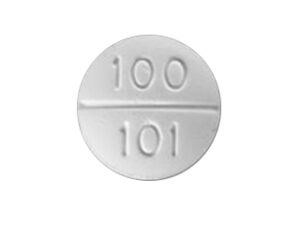
| Artane | Trihexyphenidyl | Tablets (strengths may vary by brand/pack) | Management of Parkinson’s disease and other movement disorders |
In the UK, trihexyphenidyl is available as Artane (and may also be available as other brands/generics depending on supply). Your pharmacist can confirm the exact strengths and form you have.
2. What Artane is and how it works
Artane belongs to a group of medicines called antimuscarinics (sometimes described as anticholinergic medicines). It works by blocking muscarinic receptors in the brain.
Mechanism of action (simple explanation)
- The brain uses chemical messengers to coordinate movement. One key messenger is acetylcholine.
- In conditions such as Parkinson’s disease and some drug-induced movement disorders, the balance between acetylcholine and other signalling pathways can become disrupted.
- Trihexyphenidyl reduces the effect of acetylcholine, helping to restore balance and improve symptoms like rigidity (stiffness) and tremor.
- It may also help with drug-induced extrapyramidal symptoms (EPS), such as dystonia (sustained muscle contractions) and akathisia (restlessness).
3. Pharmacokinetics: how the body absorbs, uses and clears it
Pharmacokinetics describes what the body does to the medicine. Individual responses vary, so your clinician may adjust the dose based on symptom control and side effects.
- Absorption: Trihexyphenidyl is absorbed after oral administration. Taking it regularly at the same time(s) each day can help maintain steady symptom control.
- Distribution: It crosses into the central nervous system to exert its effects in the brain.
- Metabolism: It is metabolised in the liver.
- Elimination: The medicine and its metabolites are cleared from the body primarily through urine and to some extent through faeces.
- Half-life: The duration of effect can vary between people; for some patients, dosing multiple times per day is needed for symptom control.
If you have liver or kidney problems, or if you are older, you may be more sensitive to side effects—your prescriber may start at a lower dose and increase more slowly.
4. What Artane is used for (indications)
Artane is used in a variety of movement-related conditions. The most common UK uses include:
- Parkinson’s disease: helps control symptoms such as tremor and rigidity (especially in combination regimens).
- Drug-induced extrapyramidal symptoms (EPS): including dystonia, parkinsonism-like effects, and sometimes akathisia, particularly when caused by antipsychotic medicines or other dopamine-blocking drugs.
- Other tremor and movement disorders: in selected patients depending on clinical assessment.
Use of trihexyphenidyl depends on your individual diagnosis, the severity of symptoms, and whether symptoms are due to Parkinson’s disease or medication effects.
5. When to take Artane: timing and routine
Trihexyphenidyl dosing schedules are often tailored to symptom patterns and tolerability. Many patients take it two or three times a day, but your exact schedule should follow the instructions given for your specific product and condition.
Practical timing tips
- Take at consistent times: Try to space doses evenly.
- Be cautious with sudden changes: Starting or stopping suddenly can lead to side effects or symptom worsening for some people.
- Track effects: If your symptoms fluctuate, keeping a short symptom diary (e.g., tremor/stiffness/restlessness at different times of day) can help your clinician fine-tune dosing.
If you miss a dose, follow the advice you were given with your medicine. In general, don’t take a double dose to make up for a missed one unless advised.
6. Food interactions: what to know
Trihexyphenidyl can affect secretions and gut motility due to its antimuscarinic effects. Food does not usually have a strict “rule” like some medicines do, but there are practical considerations.
How food may affect you
- Stomach and digestion: If you notice constipation, bloating, or difficulty passing stools, taking the medicine with food (if suitable for you) may improve tolerability.
- Dry mouth and swallowing: Some people find symptoms worse when eating spicy or very dry foods; sip water and choose softer textures if needed.
- Follow your routine: If your dose was previously taken with food without problems, keeping that routine can help.
If you develop severe abdominal pain, vomiting, or inability to pass stools, seek urgent medical advice. Anticholinergic medicines can worsen constipation in vulnerable individuals.
7. Alcohol and medicine interactions
Trihexyphenidyl can cause drowsiness, blurred vision, and slowed reaction time in some people. Alcohol may intensify these effects.
Alcohol
- It’s generally best to avoid alcohol or keep it to a minimum, especially when you are starting treatment or adjusting the dose.
- Alcohol may increase dizziness and risk of falls.
Other medicines that may interact
Interactions can occur when medicines have similar effects (for example, additional anticholinergic activity) or when they affect the nervous system. Always check with a pharmacist if you are taking multiple medicines.
- Other anticholinergic medicines (for example some medicines for overactive bladder, certain allergy medicines, some antidepressants, and some pain relief or anti-nausea medicines): may increase side effects such as dry mouth, constipation, blurred vision, confusion or urinary retention.
- Medicines that affect the brain (sedatives, some sleep medicines, opioid painkillers): may increase drowsiness and impair coordination.
- Parkinson’s disease medicines (such as levodopa): your prescriber may adjust combination therapy to balance symptom control against side effects.
- Medicines that can cause movement effects (notably antipsychotics and other dopamine-blocking drugs): trihexyphenidyl may be used to treat their movement side effects, but changes in the “causal” medicine may also be considered.
- Antidepressants and antihistamines: some can have anticholinergic effects; combining them may heighten risk of confusion and constipation.
If you’re unsure whether a medicine has anticholinergic properties, your pharmacist can advise.
8. Safety profile and precautions
Like all medicines, Artane can cause side effects. Many people experience mild effects at the start that improve with dose adjustment. However, some side effects may be serious—especially in older adults or people with certain health conditions.
Common side effects
- Dry mouth (xerostomia)
- Constipation
- Blurred vision or difficulty focusing
- Dizziness or light-headedness
- Reduced sweating (may increase heat sensitivity)
- Difficulty urinating (urinary retention)
- Sleep disturbance or restlessness
Less common but important risks
- Confusion, hallucinations, or worsening of memory (more likely at higher doses, in older people, or with other medicines that affect the brain).
- Overheating due to reduced sweating—particularly during hot weather.
- Severe constipation or bowel obstruction (seek urgent advice).
- Eye problems: anticholinergic medicines can worsen narrow-angle glaucoma.
- Heart rate changes (uncommon).
Who should be extra cautious
Tell a healthcare professional if you have any of the following:
- Narrow-angle glaucoma or eye pressure problems
- Prostate enlargement, difficulty passing urine, or urinary retention
- Severe constipation or bowel motility problems
- Myasthenia gravis
- Significant cognitive impairment or confusion
- Older age or high risk of falls
- Other conditions where anticholinergic side effects would be particularly harmful
9. Dosing guidance: typical approach and adjustments
Dosing varies widely depending on the condition being treated, age, symptom severity, and side effects. Clinicians typically start low and adjust gradually.
General dosing principles (patient-friendly)
- Start low: especially in older adults or those sensitive to anticholinergic effects.
- Increase slowly: to find the lowest effective dose.
- Split dosing if needed: multiple doses can reduce peaks that trigger side effects.
- Review regularly: symptom control and side effects should be reviewed after dose changes.
Because exact dose recommendations depend on your prescribed plan, product strength, and condition, it’s important to follow the dosing instructions issued for you. If you want, tell your current strength and schedule (without personal identifiers) and a pharmacist can help you interpret your regimen.
10. Practical use tips to reduce side effects
Dry mouth
- Sip water regularly.
- Consider sugar-free chewing gum or saliva substitutes.
- Maintain good oral hygiene to protect teeth.
Constipation prevention
- Aim for fibre-rich foods and adequate fluids (unless you’ve been told to restrict fluids).
- Gentle daily activity can help bowel movement.
- If constipation starts, discuss options early—don’t wait for it to become severe.
Blurry vision and safety
- Avoid driving or operating machinery if vision is impaired or you feel dizzy.
- Be careful at night or in low light.
Heat and sweating
- In hot weather, take extra care—stay cool and hydrated.
- Consider planning activities for cooler parts of the day.
Urinary difficulties
- If you struggle to pass urine, seek medical advice promptly.
- Don’t ignore symptoms, especially if you feel bladder fullness with inability to urinate.
If you notice severe side effects or symptoms that worry you, contact a healthcare professional without delay.
11. Stopping or changing Artane
Do not stop trihexyphenidyl suddenly unless a clinician tells you to. Changes in movement symptoms and other effects may occur. When discontinuation is needed, healthcare professionals typically reduce dose gradually.
If you miss several doses or are unsure what to do, speak to your pharmacist for personalised advice based on your dosing history.
12. Alternative options (depending on the condition)
Several treatment options may be considered for Parkinson’s disease or movement-related symptoms. The right option depends on your diagnosis, symptom pattern, and tolerance.
For Parkinson’s disease
- Levodopa and other dopamine-related treatments
- Dopamine agonists
- MAO-B inhibitors
- COMT inhibitors (in combination therapies)
- Physiotherapy and occupational therapy to support mobility and function
For drug-induced EPS
- Adjusting the causative medication where possible
- Sometimes anticholinergic medicines (such as trihexyphenidyl) are used short-term for dystonia
- Other symptom-targeted treatments may be considered based on the specific EPS type and clinical context
Your clinician will help balance symptom control with side effects, particularly memory, confusion, constipation, and urinary retention risks.
13. UK market and legal context
In the United Kingdom, trihexyphenidyl (Artane) is available under pharmacy supply arrangements depending on current national rules and product status. Medicines are regulated by the Medicines and Healthcare products Regulatory Agency (MHRA). Local availability can vary with manufacturing and distribution changes.
Guidance in the UK is influenced by specialist neurology and movement disorder practice, along with general medication safety principles. Your pharmacist can also check whether your preferred brand or a suitable alternative is currently available.
Recent guidance note: For movement disorders and Parkinson’s disease, clinical practice increasingly emphasises personalised care—minimising adverse anticholinergic effects, especially in older adults and people at risk of cognitive impairment. Dose review and periodic reassessment are recommended as symptoms and overall health change.
14. Delivery and availability in the UK
Artane availability can vary between pharmacies. When ordering online, you can usually choose home delivery depending on your location and the service offered by the pharmacy.
- Check stock status: Many online pharmacies display “in stock” or “available to order” details.
- Delivery times: Delivery schedules depend on carrier service and whether the item is held locally.
- Packaging: Medicines are typically dispatched in protective packaging to prevent damage.
- Cold chain: Artane is not generally a cold-chain medicine; follow the label instructions if provided.
If your usual brand is temporarily unavailable, your pharmacist may be able to offer another equivalent option if permitted and appropriate.
15. FAQ
What is Artane used for?
Artane (trihexyphenidyl) is used to help control symptoms of Parkinson’s disease and to treat certain drug-induced movement disorders such as extrapyramidal symptoms (EPS), including dystonia.
How quickly does Artane work?
Some symptom relief may be noticed after starting treatment, but the time to stable benefit varies. Dose changes should be reviewed carefully because side effects can also appear early. A clinician may increase the dose gradually to balance benefit and tolerability.
Can I take Artane with food?
Many people can take it with or without food. If you experience stomach discomfort or constipation, taking it with food may improve comfort for some patients. Stick to a consistent routine unless your pharmacist advises otherwise.
Does Artane cause drowsiness?
It can. Some people feel dizzy or sleepy, particularly during dose initiation or after increasing the dose. Avoid driving or operating machinery if you feel affected.
What should I do if I get dry mouth or constipation?
For dry mouth: sip water regularly and consider sugar-free gum or saliva products. For constipation: increase fibre and fluids if suitable, keep active, and speak to a healthcare professional early if problems start. Severe constipation should be treated promptly.
Is it safe to drink alcohol while taking Artane?
Alcohol may worsen dizziness, drowsiness, and impaired coordination. It is generally advisable to avoid alcohol or keep it minimal—especially when starting or adjusting the dose.
Are there any medicines I must avoid?
You should be cautious with other medicines that have anticholinergic properties (which can increase side effects), and with sedating medicines that can increase drowsiness. If you list your current medicines to a pharmacist, they can check for likely interactions.
Who should not take Artane or should take it with extra caution?
Extra caution is needed for people with narrow-angle glaucoma, urinary retention or severe constipation, certain bowel problems, and those with cognitive impairment. Your pharmacist or clinician can advise based on your medical history.
Can I stop Artane suddenly?
Do not stop suddenly unless your clinician advises it. If stopping is planned, the dose is usually reduced gradually to reduce the risk of symptom changes and withdrawal-like effects.
What if I miss a dose?
Follow the guidance provided with your medicine. In many cases, if you remember later, you take the next dose at the usual time rather than doubling up. If unsure, ask a pharmacist for advice.
Important reminder
This information is intended to help you understand Artane and how it is commonly used in the UK. It does not replace advice from a healthcare professional. If you experience severe side effects—such as confusion, inability to urinate, severe constipation, worsening vision, or significant overheating—seek medical help urgently.