


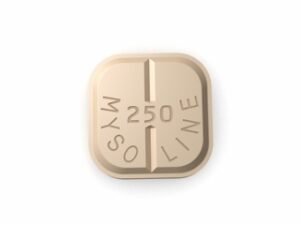
Mirapex (Pramipexole) – Patient Guide (UK)
Mirapex is a brand of the medicine pramipexole, used to treat certain conditions that affect movement and, in some cases, the sensation of needing to move the legs. This guide explains what Mirapex is, how it works, how it is typically taken, and important safety information for adults in the United Kingdom.
Note: Your personal treatment plan may differ from the information below. Always follow the advice provided by your prescriber and the instructions on your medicine label.
1) Basic product information
- Medicinal active ingredient: Pramipexole
- Brand examples: Mirapex (available in different strengths and formulations; some UK products may include immediate-release and/or modified-release versions depending on availability)
- Medicine type: Dopamine agonist
- How it’s taken: By mouth
- Common strengths: Vary by formulation (check your specific pack)
In the UK, pramipexole products are widely used in NHS and private care pathways for the indications listed below.
2) What Mirapex is used for (indications)
Mirapex/pramipexole is used to treat:
- Parkinson’s disease – helps reduce symptoms such as stiffness, slowness, tremor, and movement difficulties.
- Restless Legs Syndrome (RLS) (also called Willis–Ekbom disease) – helps reduce uncomfortable sensations and the urge to move the legs, particularly in the evening or at night.
RLS treatment decisions in the UK typically consider symptom severity, impact on sleep, and other contributing factors (for example, low iron stores). Your clinician may check or treat iron deficiency where appropriate.
3) Mechanism of action (how it works)
Pramipexole works by stimulating dopamine receptors in the brain. Dopamine is a natural chemical messenger involved in movement control.
- Pramipexole is a dopamine receptor agonist, with particular activity at dopamine receptor subtypes.
- By mimicking dopamine action, it helps improve movement and reduce motor symptoms in Parkinson’s disease.
- In RLS, dopaminergic pathways are believed to play a role in sensory discomfort and the drive to move. Pramipexole can help reduce these symptoms, especially at night.
4) Pharmacokinetics (how the body handles the medicine)
Pharmacokinetics describes what the body does to the medicine—absorption, distribution, metabolism, and elimination.
- Absorption: Pramipexole is absorbed after oral dosing. The rate and timing of peak levels can vary depending on the formulation.
- Distribution: The medicine distributes into body tissues and crosses into the central nervous system to exert its effects.
- Metabolism: Pramipexole is only minimally metabolised. A large proportion is handled by the body without extensive breakdown in the liver.
- Elimination: It is mainly eliminated through the kidneys (urine).
- Half-life: The time it takes for the drug level to reduce by half is sufficient to support once- or multiple-daily dosing depending on the formulation and indication.
Kidney function matters: Because pramipexole is largely cleared by the kidneys, dose adjustments may be needed for patients with reduced renal function. This is particularly important in older adults or those with known kidney impairment.
5) Typical dosing & timing
Dosing is individualised. The “right dose” depends on your diagnosis, symptom control, tolerability, age, and kidney function. The information below is general and intended to help you understand how dosing is commonly approached.
Parkinson’s disease
- Dosing usually begins at a low dose and is increased gradually to reduce side effects such as nausea, dizziness, and sleepiness.
- Many regimens are taken two or three times daily depending on the product and schedule.
- Some patients may transition between formulations under clinical guidance.
Restless Legs Syndrome (RLS)
- Dosing often starts low and is adjusted based on symptom relief and side effects.
- RLS dosing is commonly taken in the evening or before bedtime, because symptoms typically worsen at night.
How to take Mirapex
- Follow your label instructions.
- Take tablets with water.
- If you miss a dose, do not take extra unless advised by your healthcare professional. For once-daily evening dosing, timing is particularly relevant—ask your clinician or pharmacist for advice if you’re unsure.
- Do not stop suddenly without medical advice, particularly if you take it for Parkinson’s disease. Abrupt changes can worsen symptoms or cause withdrawal-like effects.
6) Food interactions & absorption
Pramipexole can generally be taken with or without food, depending on your specific formulation and how your body responds.
- Food effects: Some patients may find that taking the medicine with food reduces stomach upset.
- Consistency is key: If you experience nausea or timing-related symptoms, taking Mirapex at a similar time relative to meals each day may help stabilise effects.
- Special note: Avoid making large timing changes (for example, switching between “always with meals” and “always on an empty stomach”) without discussing it with your pharmacist, particularly when treating RLS where evening symptom timing is important.
7) Alcohol interactions
Alcohol can increase side effects such as:
- Drowsiness and dizziness
- Impaired judgement
- Risk of falls
Although there is not always a strict “no alcohol” rule, it is generally recommended to limit alcohol and avoid drinking if you feel sleepy or light-headed on Mirapex.
8) Medicine interactions (important considerations)
Several medicines may interact with pramipexole, mainly by increasing side effects or affecting kidney function. Always tell your pharmacist about all medicines you take, including over-the-counter products and herbal remedies.
Medicines that may increase sedation or impair coordination
- Sleeping tablets
- Sedating antihistamines (for allergies, hay fever)
- Some antidepressants and antipsychotics
- Opioid painkillers
- Other medicines associated with drowsiness
Other medicines used for Parkinson’s disease
- If you take medicines such as levodopa, your clinician may adjust dosages based on response.
- Combination therapy may increase certain side effects (e.g., dizziness, hallucinations), especially in older adults.
Medicines affecting kidney function
Because pramipexole is cleared through the kidneys, drugs that can affect renal function may alter pramipexole levels. Examples include some diuretics or certain medicines used for infections or inflammatory conditions. Your pharmacist can check interaction risk based on your exact regimen.
Practical approach
- Keep an up-to-date list of your medicines.
- Ask your pharmacist to check interactions when starting or stopping any medicine.
9) Safety profile & common side effects
Like all medicines, Mirapex/pramipexole can cause side effects. Many are dose-related and may improve with gradual dose adjustment.
Common side effects
- Dizziness
- Nausea
- Sleepiness or tiredness
- Fatigue
- Headache
- Constipation or gastrointestinal discomfort
- Swelling of the legs (peripheral oedema)
Less common but important side effects
- Hallucinations or confusion (more likely in older adults or at higher doses)
- Low blood pressure (especially on standing) which can lead to fainting
- Uncontrolled movements or worsening motor control (in Parkinson’s therapy)
- Impulse-control problems, including unusual urges (see below)
- Sudden sleep episodes or extreme sleepiness (particularly in Parkinson’s patients)
Impulse-control and behavioural changes (take seriously)
Some dopamine agonists, including pramipexole, may be associated with:
- Pathological gambling
- Increased libido
- Compulsive shopping
- Compulsive eating
- Other intense urges or repetitive behaviours
Seek medical advice promptly if you or your family notice such changes. Early recognition can help prevent harm and allow safer adjustments.
Augmentation in Restless Legs Syndrome
In RLS, long-term dopaminergic treatment may sometimes cause augmentation—a worsening pattern where symptoms start earlier in the day, become more intense, or spread to other body parts. If this occurs, clinicians may adjust the regimen and consider alternative approaches.
Allergic reactions
Stop and seek urgent advice if you develop signs of allergy such as swelling of the face/lips, trouble breathing, or a widespread rash.
10) Practical use tips (UK-friendly)
- Rise slowly: If you feel dizzy, stand up more gradually to reduce risk of falls.
- Night-time safety: If you take Mirapex in the evening for RLS, ensure safe access to the bathroom at night (good lighting, non-slip floor).
- Driving and machinery: Because pramipexole can cause sleepiness or sudden sleep episodes, avoid driving or operating machinery if you feel drowsy or have had sleepiness episodes. Discuss driving suitability with your clinician.
- Sleep hygiene: For RLS, keeping a consistent bedtime routine may help overall symptom control.
- Hydration: Staying well-hydrated may help reduce dizziness and constipation for some people.
- Track symptoms: For RLS, note timing (when symptoms start, how intense they are) to help your prescriber judge whether dose timing or strategy needs changing.
11) Safety considerations for stopping or changing dose
Do not stop abruptly without advice. If you need to stop, your clinician will usually recommend a gradual reduction to reduce the risk of symptom flare or withdrawal-like effects.
If you miss multiple doses, you may experience a return of symptoms. Contact your pharmacist for guidance on what to do next.
12) Alternative treatment options
Alternative therapies depend on whether you are treating Parkinson’s disease or Restless Legs Syndrome.
Alternatives for Parkinson’s disease
- Levodopa (with or without other agents)
- Other dopamine agonists
- MAO-B inhibitors
- COMT inhibitors (often with levodopa)
- Amantadine (in selected cases)
- Non-medicine options such as physiotherapy and specialist rehabilitation
Alternatives for Restless Legs Syndrome
- Iron supplementation if ferritin/iron status is low
- Alpha-2-delta ligands (often used in RLS, depending on local guidance and patient factors)
- Lifestyle adjustments (sleep routine, avoiding triggers, moderate exercise)
Your pharmacist or clinician can explain which options are most suitable for your situation, including considerations about augmentation and long-term safety.
13) Guidance, regulatory and UK context
In the UK, medicine use is guided by the UK licensed indications, the product’s Summary of Product Characteristics (SmPC), and clinical practice recommendations.
- Safety monitoring: Monitoring for drowsiness, hallucinations (especially in older adults), and impulse-control symptoms is recommended in clinical practice.
- RLS augmentation awareness: Clinicians commonly assess for augmentation in patients with RLS on dopaminergic therapy and may review treatment if symptom patterns worsen.
- Renal impairment: Dose adjustments are important due to kidney clearance.
Recent emphasis in practice: Ongoing UK and international reviews have highlighted the importance of recognising behavioural side effects and augmentation in RLS, encouraging clinicians to regularly review the risks and benefits of continued therapy.
14) Delivery, availability & ordering in the UK
Mirapex (pramipexole) may be available from authorised UK suppliers depending on stock levels and the specific strength or formulation. Availability can vary by pack size.
- Stock checks: Many online pharmacies provide live stock status for common strengths.
- Delivery timelines: Delivery time depends on your location and the dispatch schedule. Your order confirmation should include estimated delivery dates.
- Cold chain: Pramipexole tablets do not typically require refrigeration.
- Packaging: Products are usually supplied in original manufacturer packaging.
If a specific strength is temporarily unavailable, some suppliers may offer an alternative pack size or advise on the next available option. Always confirm that any substitution matches your prescribed formulation and dosing schedule.
15) Dosing overview (educational)
The precise schedule should come from your healthcare professional and your medicine label. Below is an educational overview of common dosing principles.
| Condition | Typical approach | Timing considerations | Key safety points |
|---|---|---|---|
| Parkinson’s disease | Start low; increase gradually based on response and side effects | Often multiple doses per day depending on formulation | Watch for dizziness, sleepiness, hallucinations; review driving safety |
| Restless Legs Syndrome | Low initial dose; adjust for symptom control and tolerability | Usually taken in the evening or before bedtime | Be alert for augmentation (symptoms starting earlier or becoming more intense) |
16) Alcohol and lifestyle considerations
As noted, alcohol can increase drowsiness and dizziness. In addition, certain lifestyle factors can influence symptoms, particularly for RLS:
- Caffeine: Consider reducing caffeine, especially later in the day.
- Smoking: Some people report symptom changes with smoking; discuss if relevant.
- Exercise: Regular moderate exercise may help, but avoid intense exercise close to bedtime.
- Sleep disruption: Maintain consistent sleep/wake times where possible.
17) FAQ
What is Mirapex used for?
Mirapex (pramipexole) is used to treat Parkinson’s disease and, in appropriate patients, Restless Legs Syndrome (RLS), helping improve movement symptoms or reduce uncomfortable leg sensations—especially at night.
How quickly will I feel the effect?
Some people notice improvement within days, while others may take longer as doses are adjusted gradually. For RLS, symptom relief may be more noticeable with correct timing and dose adjustments.
Can I take Mirapex with food?
Often it can be taken with or without food. If you experience nausea, taking it with food may help. Try to keep the routine consistent.
Can I drink alcohol while taking Mirapex?
Alcohol may worsen dizziness and sleepiness. Limit or avoid alcohol, especially if you feel drowsy on Mirapex. If you are unsure, ask your pharmacist for advice based on your current medicines and dose.
Does Mirapex cause sleepiness?
Yes. Sleepiness, tiredness, and dizziness can occur. If you feel unusually sleepy or have episodes of falling asleep, avoid driving and machinery and speak to your clinician promptly.
What are the symptoms of augmentation in RLS?
Augmentation typically presents as RLS symptoms starting earlier in the day, becoming more intense, or spreading to other body parts compared with your usual pattern.
What should I do if I miss a dose?
It depends on your dosing schedule. In general, don’t take a double dose. Because timing can be important for RLS, consult your pharmacist for guidance tailored to your regimen.
Is it safe to stop Mirapex suddenly?
Do not stop abruptly unless advised. Sudden changes can worsen symptoms and may cause problems for some patients. If stopping is needed, your clinician will usually recommend a gradual reduction.
Who should be extra cautious?
Extra caution is important for people with kidney impairment, older adults, those with a history of hallucinations or confusion, and anyone experiencing sleepiness or behavioural changes such as unusual urges.
Are there alternatives if Mirapex doesn’t work or causes side effects?
Yes. For Parkinson’s disease and RLS, there are other medication classes and non-medicine strategies. Discuss options with your healthcare professional rather than changing or stopping on your own.
When to seek urgent medical help
Get urgent medical advice if you experience:
- Trouble breathing, swelling of the face/lips, or signs of severe allergic reaction
- Severe dizziness, fainting, or a fall causing injury
- Severe confusion, distressing hallucinations, or rapidly worsening mental state
- Uncontrolled sleepiness or episodes of falling asleep while driving/at risk activities
If you are concerned about side effects, contact a healthcare professional promptly for personalised advice.
Lasting symptom control often depends on correct dosing, formulation, and regular review. If you have questions about how to take Mirapex safely—especially regarding timing, kidney function, sleepiness, or possible drug interactions—your pharmacist can help you understand your options.