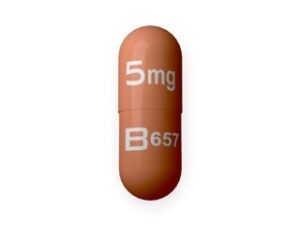
Pletal (Cilostazol) — Patient Information (UK)
Pletal is a medicine containing cilostazol. It is used to improve walking ability in people with certain types of circulation problems in the legs. This page explains how Pletal works, how it is usually taken, and important safety information to help you use it correctly.
Note: Always follow the advice given by your healthcare professional and the instructions on your medicine label.
1. Basic Product Information
| Product | Details |
|---|---|
| Brand name | Pletal |
| Active ingredient | Cilostazol |
| Medicinal type | Antiplatelet/vasodilatory agent (used in peripheral arterial disease) |
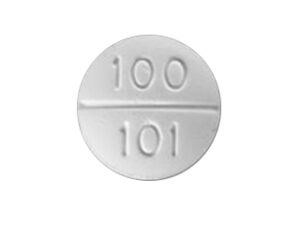
| Common formulation | Tablets (strengths may vary by market) |
| Therapeutic area | Peripheral arterial disease (PAD) / intermittent claudication |
| Typical benefit | Improves walking distance and symptoms in intermittent claudication |
2. What Is Cilostazol and How Does It Work?
Cilostazol helps improve blood flow to working muscles by combining two key effects:
- Antiplatelet effect: It reduces platelet “stickiness,” helping to prevent excessive clotting that can hinder circulation.
- Vasodilatory and blood-flow effects: It encourages blood vessels to relax and supports more effective microcirculation, which can reduce symptoms during walking.
Mechanism of action (simplified): Cilostazol inhibits platelet aggregation and has vasodilating activity. It works partly by increasing levels of a cell-signalling messenger called cAMP in platelets and vascular tissue.
3. Pharmacokinetics (How the Body Handles Pletal)
While exact results vary between individuals, the general pharmacokinetic profile of cilostazol includes:
- Absorption: Cilostazol is absorbed after oral use. Taking it consistently is important for stable effects.
- Metabolism: It is metabolised mainly in the liver (primarily by the CYP enzyme system).
- Active metabolites: The body produces metabolites that may contribute to overall effect.
- Elimination: Metabolites are removed through normal bodily clearance pathways (including urine).
- Half-life: Cilostazol has a relatively moderate duration of action, which is one reason it is typically taken in divided doses across the day.
Clinical implication: Because cilostazol is metabolised by liver enzymes, drug interactions can significantly affect its levels and safety.
4. What Is Pletal Used For? (Indications)
Pletal is used for symptomatic relief of intermittent claudication in people with peripheral arterial disease (PAD). Intermittent claudication typically causes:
- Pain, cramping, or discomfort in the legs during walking
- Improvement with rest
Pletal is intended to help you:
- Increase walking distance
- Reduce symptoms that limit activity
- Support overall management of peripheral arterial disease
Important: Pletal does not “cure” PAD. It is used alongside lifestyle measures and risk-reduction strategies (for example, stopping smoking, regular exercise, and managing blood pressure and cholesterol where appropriate).
5. Who Should Not Take Pletal? Key Safety Considerations
Certain people should avoid cilostazol. In particular, it is contraindicated in:
- Heart failure (especially any degree, and particularly if there is impaired heart pumping function)
- Some people with existing significant cardiac rhythm problems, depending on their specific condition and clinician assessment
- Known hypersensitivity to cilostazol or any ingredient
Because medical suitability depends on your individual health history, always discuss your conditions—especially heart, liver, and kidney problems—with your healthcare professional.
6. Dosing and Timing
Typical adult dosing: Cilostazol is usually taken as a regular twice-daily regimen for symptom improvement. Your exact dose should follow the instructions provided.
Common approach:
- Morning dose and evening dose, roughly 12 hours apart if possible
- Take with water and at consistent times each day
How long does it take to work?
- Some people notice improvements in walking ability after several weeks.
- If you do not see any benefit after an appropriate trial, your healthcare professional may reassess your treatment plan.
Missed dose:
- If you miss a dose, take it when you remember unless it is close to the next dose.
- Do not take a double dose to catch up.
Overdose:
- If you have taken more than prescribed, seek medical advice promptly.
7. Food Interactions and Eating Tips
Cilostazol can generally be taken with or without food, but food may influence absorption for some medicines. To keep levels steady and reduce stomach upset:
- Take it the same way each day (for example, with water and at similar meal times).
- If you find tablets upset your stomach, taking them after food may help.
Grapefruit and similar products: Some foods and drinks can affect drug-metabolising enzymes. It’s best to be cautious with products known to interfere with metabolism (especially grapefruit-containing items) unless your clinician or pharmacist confirms they are safe for you.
High-fibre diets: Generally healthy, but if your overall diet changes drastically, monitor how you feel and keep consistent dosing timing.
8. Alcohol and Medicine Interactions
Alcohol: Moderate alcohol intake may be compatible for some people, but cilostazol can increase the likelihood of side effects such as headache or dizziness in susceptible individuals. If you drink alcohol, consider:
- Starting low and avoiding binge drinking
- Watching for dizziness, flushing, or increased palpitations
- Avoiding alcohol if you have experienced side effects with cilostazol before
Medicine interactions: Cilostazol is metabolised by liver enzymes and may interact with medicines that inhibit or induce those enzymes. Interactions may increase risk of side effects or reduce effect.
Common interaction categories to discuss with your pharmacist include:
- Anticoagulants and other antiplatelet medicines (increased bleeding risk)
- Strong CYP inhibitors (may raise cilostazol levels)
- Strong CYP inducers (may reduce cilostazol levels)
- Certain cardiovascular medicines affecting heart rate or rhythm
- Some antibiotics or antifungals (can influence liver metabolism)
Always tell us (and your clinician) about:
- All prescription medicines
- Over-the-counter products
- Herbal supplements (for example, St John’s wort may affect metabolism)
- Any history of bleeding problems
9. Safety Profile and Side Effects
Like all medicines, cilostazol can cause side effects. Not everyone gets them. Many are mild and may reduce after the body adjusts.
Common side effects
- Headache
- Dizziness
- Palpitations (feeling of fast or irregular heartbeat)
- Flushing
- Digestive symptoms such as diarrhoea, nausea, or abdominal discomfort
Less common but important effects
- Bleeding (bruising more easily, nosebleeds, bleeding gums)
- Worsening heart symptoms in people with underlying cardiac disease
- Low blood pressure symptoms such as faintness
Seek urgent medical advice if you get
- Severe or uncontrolled bleeding
- Signs of stroke (sudden weakness, facial droop, speech problems, severe sudden headache)
- Allergic reaction (swelling of face/lips, trouble breathing, widespread rash)
- Chest pain or significant worsening palpitations
Monitoring considerations
Your clinician may monitor you for:
- Response to walking ability
- Bleeding risk (especially if you also take other blood-thinning medicines)
- Heart-related symptoms
- Overall tolerability
10. Practical Use Tips
- Consistency matters: take tablets at the same times each day.
- Walk plan: Pletal works best when combined with a structured walking exercise plan (for example, supervised or recommended intervals).
- Track progress: note your walking time/distance before pain and how it changes weekly.
- Stay hydrated: especially if you experience dizziness.
- Be careful with falls: if you feel light-headed, rise slowly and avoid risky activities until you know how you respond.
- Look after your feet: PAD can affect wound healing—keep skin clean and moisturised and seek care for sores.
Do not stop suddenly: If you are concerned, contact your healthcare professional before making changes.
11. Alternative Options for Intermittent Claudication (UK)
The best approach to PAD often includes lifestyle measures, exercise therapy, and medication to manage cardiovascular risk. Alternatives may include:
- Exercise therapy (typically supervised walking programmes)
- Smoking cessation support and cardiovascular risk management
- Antiplatelet therapy (for example, aspirin or similar agents, depending on your profile)
- Cholesterol-lowering therapy (statins) when appropriate
- Other medications may be considered in certain cases, depending on suitability and local guidance
- Revascularisation or specialist treatments for suitable anatomy or severe symptoms
Your clinician can advise what’s best for you based on your symptoms, test results, and overall cardiovascular health.
12. Pletal in the UK: Market, Regulation, and Legal Context
In the United Kingdom, medicines are regulated by the Medicines and Healthcare products Regulatory Agency (MHRA). For online pharmacies, supply arrangements and medicine categories depend on the product’s classification and licensing status.
Where applicable, availability may vary by:
- Licensed product and strength
- Prescriber and patient suitability requirements
- Local stock status and supply chain availability
Recent guidance and clinical practice: Management of peripheral arterial disease in the UK commonly emphasises exercise and cardiovascular risk reduction. Cilostazol may be used in appropriate patients to improve walking symptoms, and decisions should align with contemporary clinical recommendations and individual risk factors, especially for cardiac tolerance and bleeding risk.
Always check: UK product leaflets and your pharmacy information for the most up-to-date patient materials.
13. Delivery and Availability (UK Online Pharmacy)
Availability of Pletal may depend on current pharmacy stock, medicine supply timelines, and the relevant ordering pathway. When ordering online, ensure that:
- Your delivery address is correct
- You select a delivery option that suits you (for example, standard or express where offered)
- You allow time for dispatch and carrier transit
- You check that the medicine strength and pack size match what you need
Packaging and storage: Store tablets in their original packaging, keep them away from excessive heat and moisture, and follow the leaflet instructions regarding storage conditions.
Keep out of sight and reach of children.
14. FAQ
Is Pletal the same as cilostazol?
Yes. Pletal is a brand name that contains the active ingredient cilostazol.
How does Pletal help with walking?
Cilostazol improves symptoms of intermittent claudication by supporting blood flow and reducing platelet aggregation, which can make walking more comfortable and increase your walking distance over time.
How soon will I feel better?
Some people notice changes within a few weeks, but for others it may take longer. If you do not notice any improvement after an appropriate trial, speak to your healthcare professional.
What should I do if I get headaches or dizziness?
Headache and dizziness are common side effects. Avoid driving or operating machinery if you feel unsteady. If symptoms are persistent, severe, or worsening, seek medical advice.
Can I take Pletal with food?
It can often be taken with or without food. For best tolerability, take it consistently (for example, with or just after meals). If you experience stomach discomfort, taking after food may help.
Are there medicines that should not be taken with cilostazol?
Yes. Interactions can occur, particularly with other medicines affecting bleeding risk or liver metabolism. Always provide a full list of medicines and supplements to your pharmacist/clinician.
Can I drink alcohol while taking Pletal?
Moderate alcohol may be acceptable for some people, but it can worsen dizziness or headaches in others. If you choose to drink, keep it moderate and watch how you feel.
What are the warning signs of serious problems?
Seek urgent medical help for severe bleeding, symptoms of stroke, signs of a serious allergic reaction, or new/worsening chest pain and significant palpitations.
What if I have heart problems?
Cilostazol is not suitable for people with heart failure. If you have any history of heart disease or rhythm issues, discuss suitability urgently with a healthcare professional.
Is Pletal used for all types of leg pain?
No. It is specifically used for symptoms related to peripheral arterial disease (intermittent claudication). Other causes of leg pain exist, so proper diagnosis is important.
What are practical ways to improve symptoms alongside medication?
Exercise therapy (including structured walking), smoking cessation, and cardiovascular risk management are often key. Many patients benefit from a combined approach rather than medication alone.
Remember: If you have questions about side effects, interactions, or whether cilostazol is appropriate for you, contact a healthcare professional or pharmacist for personalised advice.