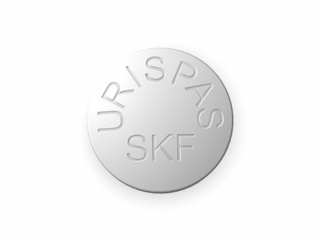

Urispas (Flavoxate Hydrochloride) – Patient Information Guide (UK)
Urispas is a medicine used to help relieve symptoms associated with an overactive or irritable bladder. It contains flavoxate hydrochloride and is commonly taken to ease discomfort such as urgency and frequency of urination.
This guide explains what Urispas is, how it works, how it’s typically taken, and what to consider for safe use. It also covers interactions, practical tips, and frequently asked questions for people in the United Kingdom.
Quick Facts
- Active ingredient: Flavoxate hydrochloride
- Common use: Symptom relief in bladder irritation/overactivity
- Form: Tablets or capsules (availability may vary by pack type/brand presentation)
- Typical dosing frequency: Usually taken multiple times per day (follow your product label)
- Best for: Reducing urinary urgency and discomfort caused by bladder spasms
- Not a replacement for antibiotics: If infection is suspected, seek appropriate medical advice
What Urispas Is Used For
Urispas is intended for the symptomatic treatment of conditions where bladder muscle activity is overactive or causes discomfort. It may be recommended when bladder symptoms resemble bladder spasm or irritability.
Common indications (symptom-related)
- Urinary frequency (needing to pass urine often)
- Urgency (a sudden, difficult-to-delay need to urinate)
- Bladder discomfort associated with spasms
- Symptoms related to an irritable or overactive bladder
Important: Urinary symptoms can also occur with other conditions—particularly urinary tract infections (UTIs). If you have burning when urinating, fever, back pain, blood in urine, or symptoms that are getting worse, medical assessment is important.
How It Works (Mechanism of Action)
Flavoxate (the active ingredient in Urispas) belongs to a class of medicines used to reduce symptoms from bladder spasm and urinary tract irritability.
In simple terms, it helps to relax smooth muscle activity in the urinary tract and may reduce involuntary contractions that lead to urgency and frequency.
- Reduces bladder spasm and irritability
- May help ease urgency and the feeling of needing to urinate
- Improves comfort rather than treating the underlying cause of infection
Pharmacokinetics (How the Body Handles the Medicine)
Pharmacokinetics describes what happens to a medicine after you take it—absorption, distribution, metabolism, and elimination. Specific values can vary between individuals, but the general pattern for flavoxate is:
- Absorption: Flavoxate is absorbed after oral dosing.
- Distribution: It reaches tissues involved with urinary function.
- Metabolism: It is metabolised in the body to active and inactive metabolites.
- Excretion: Metabolites are eliminated primarily via the kidneys into urine.
Because elimination involves the kidneys, people with significant kidney impairment should use caution and follow clinician or pharmacist advice.
Typical Timing and How to Take Urispas
Always follow the dosing instructions provided with your specific pack (and the advice of your pharmacist or other healthcare professional). Dosing may vary by age, symptom pattern, and the exact product strength/presentation.
When to take it
- It is usually taken several times a day to maintain symptom relief.
- Try to take doses at roughly even intervals throughout the day.
- If you miss a dose, take it when you remember unless it’s close to the next dose—then skip the missed dose.
How to take it
- Swallow tablets/capsules with water.
- Do not chew or crush unless your specific product allows it.
- Keep using it for the duration your healthcare professional recommends for your symptoms.
Food, Drink, and Interactions
Food interactions
Urispas can generally be taken with or without food, but individual absorption and tolerance may vary. If you experience stomach discomfort, taking it with food may be more comfortable.
For the most reliable effect, follow the instructions on your package leaflet. If you are unsure, ask a pharmacist.
Alcohol interactions
Alcohol may worsen urinary symptoms (e.g., by irritating the bladder in some people) and can also increase the likelihood of dizziness or drowsiness from some medicines. While flavoxate is not typically described as having a severe interaction with alcohol, it’s sensible to:
- Limit alcohol while using Urispas
- Avoid drinking if you notice your symptoms worsen afterwards
- Use caution if you feel light-headed
Medicine Interactions
Drug interactions depend on your personal medicines, medical history, and the strength of each product. Tell your pharmacist about all medicines you take, including:
- Prescription medicines
- Over-the-counter products
- Herbal remedies and supplements
- Vitamins and mineral preparations
Common interaction concerns
Flavoxate’s bladder-relaxing effects may be additive with other medicines that influence urinary function, smooth muscle activity, or have anticholinergic-like effects (depending on the specific medicine). Combining medicines could increase side effects such as:
- Dry mouth
- Constipation
- Blurred vision
- Drowsiness or dizziness
If you take medicines for bladder symptoms, allergies, travel sickness, or stomach cramps, it’s particularly important to check compatibility with a pharmacist.
Dose (Adults and Children) – General Guidance
Dosing depends on age and the specific product strength. The safest approach is to use the dose written on the pack you have, or the plan given by your pharmacist/clinician.
Typical adult dosing (common practice)
- Often taken up to three times daily, with spacing throughout the day.
- Some regimens use a lower frequency depending on symptom response.
Children and adolescents
Urispas is sometimes used in younger age groups, but dosing in children must be determined carefully. Only use it for children if the pack leaflet or a healthcare professional specifically supports that age group and dose.
Missed dose
- If you miss a dose, take it when you remember unless it is close to the next scheduled dose.
- Do not double up to make up for a missed tablet.
Duration of use
If symptoms persist beyond a few days, recur frequently, or are associated with red-flag symptoms (e.g., fever or blood in urine), seek medical advice. Continued urinary symptoms should not be treated solely with symptomatic relief.
Safety Profile and Side Effects
Like all medicines, Urispas can cause side effects. Not everyone experiences them. Many effects are mild and temporary.
Common side effects
- Gastrointestinal upset (e.g., nausea, stomach discomfort)
- Headache
- Dizziness or mild light-headedness (in some people)
- Dry mouth (sometimes reported with bladder-relaxant medicines)
Less common but important side effects
- Constipation
- Blurred vision
- Allergic-type reactions (e.g., rash, swelling)
Seek urgent help if
- You develop swelling of the face/lips or have trouble breathing
- Severe allergic reaction symptoms occur
- Symptoms of urinary infection worsen quickly (fever, back/flank pain)
Practical Use Tips
These tips can help you get the most out of treatment and support bladder comfort:
- Hydration balance: Drink enough water to stay hydrated, but avoid excessive fluids late at night.
- Bladder routine: If your urgency is patterned, consider scheduled toileting (gradually increasing intervals).
- Avoid triggers: Some people find caffeine, fizzy drinks, and acidic beverages worsen symptoms.
- Track symptoms: Note times of urgency/frequency to help identify triggers.
- Use as directed: Take doses evenly across the day rather than clustering.
- Reassess if no improvement: If there’s little or no relief after an appropriate trial, get advice.
If your symptoms are due to infection or another condition, symptom-relief medicines may not be sufficient. Persistent or severe symptoms should be reviewed promptly.
Alternative Options
Depending on the cause of your symptoms, alternatives may include different classes of medicines or non-medicinal approaches. Your best option depends on diagnosis, severity, and personal health factors.
Medication alternatives (general categories)
- Other bladder antispasmodics/relaxants: Some medicines target bladder muscle activity.
- Overactive bladder medicines: Different medicines may be used for urgency and frequency.
- Antibiotics for confirmed UTI: If an infection is present, antibiotics are the appropriate treatment.
- Pain relief during infection (if advised): May be used alongside proper treatment.
Non-medicine options
- Bladder training and timed voiding
- Pelvic floor muscle exercises
- Lifestyle measures (caffeine reduction, weight management, fluid timing)
- Reviewing contributing factors (constipation, bladder irritants)
A pharmacist can help you compare options based on your symptoms and other medications.
UK Market and Legal Context (Patient-Friendly Overview)
In the United Kingdom, medicines are classified according to how they are supplied to the public (for example, prescription-only or pharmacy/supervised categories). Availability of Urispas may vary by current regulatory status and supply pathways.
If a product is pharmacy-available, it is typically provided following appropriate checks by a pharmacy professional. These checks help confirm that it’s suitable based on:
- Your symptom pattern
- Any red-flag symptoms that may indicate a different diagnosis (such as UTI)
- Age and suitability
- Other medicines you are taking
- Relevant health conditions (e.g., kidney problems)
If Urispas is not suitable, a pharmacist may suggest alternative advice or products.
Recent guidance (general approach)
- Bladder symptoms are commonly assessed with an emphasis on identifying whether the cause might be a UTI or another condition.
- Symptom-relief medicines may be used for certain bladder irritation/spasm patterns, but persistent symptoms should be reviewed.
- People are encouraged to seek medical advice promptly when there are signs of infection or complications.
Local NHS advice and professional guidance evolve over time; the most up-to-date approach can be confirmed with a healthcare professional.
Delivery and Availability in the UK
Urispas availability may vary depending on the specific pack size, formulation, and current stock status. Online pharmacies in the UK typically offer:
- Home delivery: Usually with standard or express options (availability depends on the supplier).
- In-stock updates: Some pharmacies display estimated delivery times at checkout.
- Packaging: Medicines are normally shipped in protective packaging to help prevent damage.
Delivery timelines and costs depend on the retailer, your location in the UK, and courier services. Check the product page for the most accurate delivery estimate.
How to Store Urispas
- Keep in the original packaging.
- Store at room temperature unless the leaflet advises otherwise.
- Keep out of the sight and reach of children.
- Do not use after the expiry date on the pack.
FAQ – Urispas (Flavoxate Hcl)
1) How quickly does Urispas start to work?
Many people notice symptom improvement within a short period after dosing, but individual response varies. If you do not feel any benefit after a reasonable trial, speak to a pharmacist or clinician for guidance.
2) Can I take Urispas if I think I have a UTI?
Urispas may help with bladder symptoms, but it does not treat infection. If you have symptoms suggestive of a UTI (burning, fever, flank/back pain, blood in urine), seek medical advice promptly.
3) Are there any foods I should avoid?
There are no specific foods that universally require avoidance. If your symptoms are triggered by certain drinks, consider reducing potential bladder irritants such as caffeine, citrus/acidic drinks, or fizzy beverages.
4) Can I drink alcohol while taking Urispas?
It’s best to limit alcohol. Alcohol can worsen urinary symptoms in some people and may increase the chance of side effects like dizziness. If you notice symptoms worsen, avoid alcohol while you’re taking Urispas.
5) What should I do if I miss a dose?
Take it when you remember unless it is nearly time for the next dose. Do not double up.
6) Is Urispas suitable for older adults?
Older adults can often use bladder-relaxant medicines, but the suitability depends on other health conditions and other medications. If you have constipation, glaucoma, or difficulty emptying the bladder, get advice from a pharmacist.
7) Can I use it during pregnancy or breastfeeding?
If you are pregnant or breastfeeding, discuss Urispas with a healthcare professional before use. They can help weigh potential benefits and risks for your specific situation.
8) What are the warning signs that mean I should stop and get help?
Seek urgent help for allergic reactions (such as swelling or breathing difficulty), and get prompt advice if you develop fever, back/flank pain, worsening severe urinary symptoms, or blood in the urine.
Summary
Urispas (flavoxate hydrochloride) is used to relieve symptoms linked with bladder irritation and spasm, such as urgency and frequency. It works by helping to reduce involuntary bladder muscle activity. While it can improve comfort for many people, it does not treat underlying causes like infection.
For the safest use, follow the dosing instructions on your pack, pay attention to side effects, and seek advice if symptoms persist or if you have red-flag signs that could indicate a different condition.
Product Information at a Glance
| Category | Details |
|---|---|
| Medicine | Urispas |
| Active ingredient | Flavoxate hydrochloride |
| Main purpose | Symptomatic relief of bladder irritation/spasm symptoms |
| Common symptoms helped | Urgency, frequency, bladder discomfort related to spasms |
| Typical dosing | Usually several times daily (follow your specific pack instructions) |
| Food considerations | Can often be taken with or without food; take with food if it upsets your stomach |
| Alcohol | Limit alcohol; it may worsen urinary symptoms and side effects in some people |
| Key safety point | Not a substitute for treating infections; seek advice for red-flag symptoms |