Vitamin C (Ascorbic Acid) – Patient Guide (UK)
Vitamin C—also known as ascorbic acid—is an essential nutrient your body needs to function properly. It helps protect cells from oxidative stress, supports the immune system, and is required for making collagen, which is important for skin, blood vessels, bones and cartilage. In the UK, vitamin C is available as supplements in various strengths and forms, including tablets, capsules, effervescent tablets and powders.
This guide explains how vitamin C works, how it’s used, typical dosing, practical tips, and important interactions and safety considerations for customers in the United Kingdom.
Product basics
- Active ingredient: Ascorbic acid (Vitamin C)
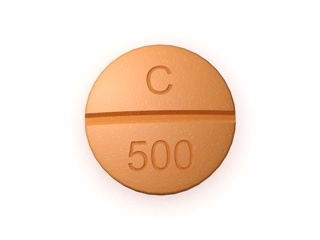
- Common strengths: Varies by product (commonly 250 mg, 500 mg, 1000 mg per tablet)
- Common forms: Tablets, capsules, effervescent tablets, chewable tablets, powders
- Who it may suit: People who want to top up dietary intake, those with higher needs, or those with low intake from food
- General availability in the UK: Sold as a dietary supplement in many cases; some products may be classified as medicines depending on claims and presentation
Note: Always read the label of your specific product for exact strength, ingredients (including sweeteners, sodium, or fillers), and directions for use.
How vitamin C works (mechanism of action)
Vitamin C performs several key functions in the body:
- Antioxidant activity: Vitamin C helps neutralise free radicals (unstable molecules) that can contribute to oxidative stress.
- Collagen formation: It is required for the synthesis of collagen, a structural protein found in skin, tendons, ligaments, bones and blood vessels.
- Immune support: Vitamin C contributes to normal immune function, including supporting the function of certain white blood cells.
- Iron absorption: Vitamin C increases absorption of non-haem iron (the type found in plant foods and fortified foods) from the gut.
- Regeneration of antioxidants: Vitamin C helps recycle other antioxidants back to their active form (for example, vitamin E).
Pharmacokinetics (how the body absorbs and handles vitamin C)
Vitamin C is absorbed primarily from the small intestine. Absorption efficiency can vary depending on dose and individual factors such as gut health and diet.
- Absorption: Generally good at lower intakes; absorption decreases as doses rise because transport systems become saturated.
- Distribution: Vitamin C is taken up into many tissues, with higher concentrations in organs and cells that use it for antioxidant protection and collagen formation.
- Metabolism: Vitamin C is metabolised in the body to form water-soluble compounds that are less active as vitamin C.
- Excretion: Excess vitamin C is mainly excreted through the kidneys in urine.
- Half-life: The body does not store vitamin C in unlimited amounts. Levels can fall if intake is stopped, particularly at higher doses you take only briefly.
What this means for you: Taking vitamin C regularly as part of your routine (rather than very large doses at long intervals) can help maintain steadier levels.
Typical uses and indications (what it’s taken for)
Vitamin C supplements are commonly used to:
- Support overall nutrition, especially if dietary intake is low
- Support the normal immune system and help protect cells from oxidative stress
- Support collagen formation, which contributes to normal skin and connective tissue
- Improve iron absorption when iron intake is low or when consuming plant-based iron
- Reduce risk of deficiency in people with limited intake or increased needs
Common real-life situations in the UK:
- People who eat few fruits and vegetables
- Those who follow vegetarian or vegan diets (helpful when taken with meals to boost non-haem iron absorption)
- Smokers or people exposed to higher oxidative stress (they may have lower vitamin C levels)
- Older adults who may eat less overall or have reduced vitamin intake
Important: Vitamin C supplements are not a cure for illness. If you have persistent symptoms or concerns about deficiency, seek personalised advice.
How and when to take vitamin C (timing)
Vitamin C can usually be taken with or without food. If you’re sensitive to stomach upset, taking it after meals or with food may reduce discomfort.
General timing tips:
- Once daily: Choose a time you can remember consistently, such as with breakfast or lunch.
- Multiple doses: If your product directs more than once daily, spacing doses evenly may help reduce gastrointestinal effects.
- For iron absorption: Take vitamin C with the meal that contains non-haem iron (such as lentils, beans or fortified cereals). Avoid taking it at a completely different time unless your clinician advises otherwise.
- With effervescent tablets: Dissolve fully in water before drinking, and follow the product instructions.
Routine approach: Many people take vitamin C daily for general support. Your needs may be different if you already get sufficient vitamin C from your diet.
Food interactions
Vitamin C is found naturally in many fruits and vegetables (for example, oranges, strawberries, kiwi, peppers and broccoli). When you take a supplement, most food does not cause major issues.
Key food-related considerations include:
- Iron-rich meals: Vitamin C can enhance non-haem iron absorption from foods.
- High-dose vitamin C: Large doses may cause stomach upset in some people, especially if taken on an empty stomach.
- Fruit juices and vitamin C drinks: These may add to your total daily intake. Consider how much you already get from foods and drinks when choosing a supplement dose.
Sodium note for some products: Effervescent products may contain sodium. If you are watching salt intake, check the label.
Alcohol interactions
Alcohol does not have a single well-defined direct chemical interaction with vitamin C in most people, but there are practical considerations:
- Oxidative stress: Alcohol intake can increase oxidative stress in the body, and vitamin C is involved in antioxidant protection. However, this does not mean alcohol “replaces” the need for supplements or that high-dose vitamin C is always beneficial.
- Diet and absorption: Regular heavy drinking can reduce overall nutrition, which may lower vitamin C intake from food.
- Stomach sensitivity: Both alcohol and high-dose vitamin C can irritate the stomach for some individuals. If you notice discomfort, consider taking vitamin C with food or reducing the dose.
If you drink heavily or have liver or kidney conditions, it’s especially important to discuss supplementation with a healthcare professional.
Medicine interactions (important drug interactions)
Vitamin C can interact with some medicines and may affect absorption or lab results. Always tell a pharmacist or clinician about all supplements and medicines you take.
Common areas to be aware of:
- Chemotherapy agents: Very high doses of vitamin C may affect the way some treatments work or how oxidative balance in the body behaves. If you are receiving cancer treatment, get personalised advice.
- Warfarin (and other vitamin K–related treatments): High-dose vitamin C has been reported in some contexts to affect clotting control. If you take warfarin, seek professional guidance before using regular or high-dose vitamin C.
- Iron supplements: Vitamin C can increase iron absorption, which can be helpful if you’re iron deficient—but too much iron can be harmful. Don’t combine without considering both doses.
- Aluminium-containing antacids: Vitamin C may increase aluminium absorption in some circumstances. If you use antacids that contain aluminium, ask a pharmacist for advice.
- Kidney-related considerations: Vitamin C is excreted in urine. Large doses in susceptible people can increase the risk of certain kidney problems such as kidney stones (especially in people with a history of stones). Those with kidney disease should seek advice.
Lab tests: Vitamin C may interfere with some blood glucose monitoring methods or lab assays. If you do any regular testing, inform the laboratory or clinician that you take vitamin C.
Dosing (how much to take)
Vitamin C requirements can vary by age, lifestyle and individual health. Many UK adults can benefit from reaching recommended intakes through food, with supplements used to top up when needed.
Typical UK supplement dosing patterns:
- General wellness / low dietary intake: commonly 250–500 mg daily
- Higher-dose short-term use: some products offer 1000 mg daily, usually for limited periods (depending on individual needs and product guidance)
- Iron absorption support: often taken with iron-containing meals (strength varies by product)
Safety limit: Adults should not routinely exceed the tolerable upper intake level (commonly set at 1000 mg/day for adults in many nutrition guidance frameworks, though the exact basis can vary). Some products exceed this; if you plan to use higher doses, it’s sensible to do so only with professional advice and for limited periods.
Always follow: the dosage instructions on your specific product label.
Safety profile and side effects
Vitamin C is generally well tolerated at recommended doses. However, side effects can occur, particularly at higher doses.
Possible side effects
- Stomach upset (nausea, heartburn, cramps)
- Diarrhoea or loose stools
- Headache (less common)
- Increased risk of kidney stones in susceptible individuals, especially with long-term high dosing
Who should use caution
- People with kidney disease or a history of kidney stones
- Those on certain medicines (e.g., warfarin; aluminium-containing antacids—seek advice)
- Individuals who experience recurrent stomach irritation with supplements
- Pregnancy and breastfeeding: Vitamin C needs may increase, but dosing should still be appropriate. Check with a pharmacist or midwife if considering higher doses.
When to stop and seek advice
Stop taking the supplement and seek medical advice promptly if you experience severe abdominal pain, blood in urine, persistent vomiting, or signs of an allergic reaction such as swelling or difficulty breathing.
Practical use tips (how to get the best results)
- Choose a dose you can tolerate: If you get stomach upset, reduce the dose or take it with food.
- Stay consistent: Daily use is often more effective than irregular high dosing.
- Consider your diet first: If you already eat plenty of vitamin C-rich foods, you may need less supplement.
- For smokers: If you smoke, vitamin C levels may be lower; a moderate supplement may help, but quitting smoking is the most impactful step for long-term health.
- Hydration matters: Drinking adequate fluids supports kidney health, especially if you take higher amounts.
- Check the label for additives: Effervescent products may include sodium; chewable products may include sweeteners.
Alternative options
If you’re considering vitamin C supplementation, you may have alternatives depending on your goals:
- Diet-first approach: Increase vitamin C-rich foods such as oranges, kiwi, strawberries, peppers, broccoli and leafy greens.
- Gentler dosing: Choose lower strength tablets (e.g., 250 mg) if you’re sensitive to high doses.
- Food-based vitamin C products: Some drinks or fortified foods provide vitamin C—use the nutrition label to track total intake.
- Combined “immune” supplements: Many products combine vitamin C with zinc, vitamin D or others. Compare ingredients to avoid double-dosing vitamins/minerals you already take.
Important: If you take iron supplements or a multivitamin, check whether they already contain vitamin C to avoid unnecessary totals.
UK market and legal context (what to expect in the UK)
In the UK, vitamin C supplements are generally regulated as food supplements. This means they are marketed as contributing to normal body functions and nutritional wellbeing rather than treating or curing disease. Label claims are expected to follow applicable rules and must be supported by evidence.
Advertising and nutrition claims: You may see wording such as “helps support the immune system” or “contributes to normal collagen formation.” The UK regulates what can be claimed and how.
Product safety requirements: Supplement manufacturers must follow relevant UK requirements for food supplements, including quality and labelling standards.
How this affects you: Always rely on the product’s labelled directions and avoid exceeding recommended intakes unless advised.
Recent guidance and public health messages (general)
Public health guidance in the UK consistently emphasises that:
- A varied diet with fruit and vegetables is the best way to obtain vitamin C.
- Supplements are most useful when dietary intake is low or in specific circumstances (for example, increased needs).
- High-dose supplementation is not always necessary and may increase the chance of side effects.
Tip: If you’re using vitamin C mainly for immunity during times of illness, remember that good general health measures—hydration, rest, and a balanced diet—also matter.
Delivery and availability (UK online pharmacy)
Vitamin C supplements are widely available in the UK through pharmacies and online retailers. Availability can vary by strength and format.
- Packaging: Typically supplied in sealed bottles or blister packs to maintain quality.
- Dispatch: Delivery times depend on the retailer and your location within the UK.
- Storage: Store in a cool, dry place, away from direct sunlight and out of reach of children.
Practical note: Check the expiry date before use, and don’t use supplements after the marked expiry.
FAQ – Frequently asked questions
1) How much vitamin C do I need per day?
Needs depend on age and individual factors. Many adults aim to meet recommended intakes through diet; supplements are often used to top up if intake from fruit and vegetables is low. Follow your product label and consider the total from food, juices and drinks.
2) Is vitamin C safe to take every day?
For most people, vitamin C at normal supplement doses is safe to take daily. Avoid long-term very high doses unless advised by a healthcare professional. If you experience diarrhoea or stomach discomfort, reduce the dose or take with food.
3) Can I take vitamin C on an empty stomach?
It can usually be taken with or without food, but some people experience stomach upset when taking it on an empty stomach. If that happens, take it after meals or reduce the dose.
4) Does vitamin C prevent colds?
Vitamin C is involved in immune function and may help correct deficiency. Evidence for preventing colds varies, and it may not prevent illness in everyone. It’s still important to maintain a healthy lifestyle and seek medical advice when needed.
5) Will vitamin C help with iron deficiency?
Vitamin C can improve the absorption of non-haem iron from plant-based foods. If you have diagnosed iron deficiency, you may also need iron treatment. It’s wise to discuss dosing with a pharmacist or clinician, especially if you take iron supplements.
6) Can vitamin C cause kidney stones?
In susceptible individuals, high or long-term high-dose vitamin C may increase urinary oxalate and contribute to kidney stone risk. If you have a history of kidney stones or kidney disease, seek professional advice before using higher doses.
7) Does vitamin C interact with warfarin?
Vitamin C at high doses may affect clotting control in some cases. If you take warfarin, consult a pharmacist or clinician before using regular or high-dose vitamin C, and ensure appropriate monitoring.
8) Are effervescent tablets okay to take?
Effervescent tablets are generally fine if you follow the label. They may contain sodium and sometimes additional ingredients like sweeteners; check the product information if you need to limit sodium.
9) Can I take vitamin C with other supplements or multivitamins?
Often yes, but check labels to avoid doubling up. If your multivitamin already contains vitamin C, choose a dose that doesn’t push your total intake unnecessarily high.
10) What should I do if I miss a dose?
Take it when you remember unless it’s nearly time for your next dose. Don’t take a double dose to make up for a missed tablet.
Summary
Vitamin C (ascorbic acid) is an essential nutrient that supports antioxidant protection, collagen formation and normal immune function. It’s absorbed from the gut and excess amounts are excreted through urine. For many people in the UK, vitamin C supplements are a convenient way to top up intake—especially when dietary vitamin C is low.
To get the best results, take vitamin C consistently (often with or after food), consider your total intake from diet and drinks, and be mindful of interactions—particularly if you have kidney conditions or take certain medicines. If you’re unsure about which dose is right for you, a pharmacist can help you choose a product and dosing plan that suits your needs.