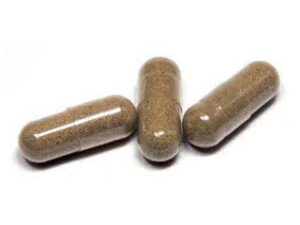
Amalaki (Amalaki Herbal Supplement) – Patient-Friendly Guide (UK)
Amalaki is a traditional Ayurvedic herb (commonly known by its botanical name Emblica officinalis, also referred to as Indian gooseberry). In the UK, Amalaki is typically sold as a dietary supplement in forms such as capsules, tablets, powder, or extracts. Many people use it to support overall wellness, particularly areas linked to antioxidant activity and digestive comfort.
This page explains how Amalaki is used, how it may work, what to consider for safe use, and practical tips to help you get the most from it. Always check the product label for the specific ingredient(s) and strength of your particular Amalaki supplement.
Basic product information
- Product type: Herbal dietary supplement
- Active source: Amalaki / Indian gooseberry (Emblica officinalis)
- Common forms: Capsules, tablets, powder, extracts
- What it’s often used for: Antioxidant support, general digestive comfort, and “wellness” routines
- UK availability: Sold online and through supplement retailers (availability can vary by brand and form)
Note: Different brands and products may use different parts of the plant (fruit, extract, standardized extracts) and different doses. For accuracy, rely on your product’s label for the recommended amount and ingredients.
How Amalaki may work (mechanism of action)
Amalaki contains naturally occurring phytochemicals, including vitamin C (in some preparations), polyphenols (such as ellagitannins), and other plant compounds. While exact mechanisms can differ based on the specific extract and dose, the most commonly discussed actions include:
- Antioxidant support: Polyphenols and related compounds may help neutralise oxidative stress by scavenging free radicals.
- Support for digestive comfort: Some users report improved gut comfort. Plant-derived tannins and fibre-related components (depending on preparation) may influence digestive function and stool characteristics.
- Immune and cellular protection (indirect): By supporting antioxidant pathways, Amalaki is often positioned as part of broader wellness routines.
Important: As with many herbal supplements, effects can vary from person to person. Scientific evidence for specific outcomes depends on the exact product and standardisation.
Pharmacokinetics (how the body handles Amalaki)
“Pharmacokinetics” describes how compounds are absorbed, distributed, metabolised, and excreted. For Amalaki specifically, available data can be limited and may not fully match every supplement product. However, general patterns for polyphenol-rich plant extracts include:
- Absorption: Many polyphenols are absorbed partially in the small intestine; some larger compounds may reach the colon and be transformed by gut bacteria.
- Metabolism: Plant compounds may undergo metabolism in the liver and intestines, producing metabolites with different biological activity.
- Distribution: Metabolites circulate and can influence tissues indirectly through antioxidant and signalling pathways.
- Excretion: Metabolites are typically eliminated via urine and stool.
Practical takeaway: Because absorption and metabolism may vary by formulation and individual gut microbiome, consistent daily use for a period of weeks is often how supplements are assessed for any noticeable changes in day-to-day wellbeing.
Typical use and indications (what people take it for)
In the UK, Amalaki is generally used as a dietary supplement for:
- General antioxidant support as part of a healthy lifestyle
- Digestive comfort (particularly in routines focused on gut wellness)
- Vitamin C–related support when the chosen product contains meaningful levels of vitamin C
- Traditional wellness use aligned with Ayurvedic practice
Important indication wording: UK supplement labels must comply with UK advertising and food supplement rules. Products usually cannot claim to “treat” diseases in the same way that medicines can. Look for label statements that align with “maintenance of normal” functions (where permitted) rather than disease treatment claims.
Timing: when to take Amalaki
The best timing depends on your personal routine and the product type. Many people prefer taking Amalaki:
- With food if it’s likely to feel gentle on the stomach
- After breakfast or after lunch to maintain consistency
If your product label provides a specific instruction (for example, “take on an empty stomach” or “take with water”), follow that advice. If you experience any stomach discomfort, try taking it with a meal or reducing the dose temporarily, then reassess.
Food interactions: what to know
Amalaki’s polyphenols and naturally occurring plant constituents may interact with the digestive environment. While many people take Amalaki without issues, consider the following practical points:
- Taking with meals: Often preferred for comfort, especially for people with a sensitive stomach.
- High-fibre meals: If your diet is very high in fibre, you may find some supplements feel different in your gut—monitor how you feel.
- Tea/coffee and polyphenol-rich diets: Because Amalaki itself contains polyphenols, your overall polyphenol load may be higher. This is not always a problem, but if you notice changes (e.g., constipation or stomach upset), adjust timing or reduce dose.
Mineral absorption note: Polyphenols can sometimes bind dietary minerals. This effect is usually small for typical supplemental doses, but if you take iron, zinc, or other minerals, consider separating doses by a few hours and check your supplement label for guidance.
Alcohol and medicine interactions
Alcohol
There is no universally established “direct” interaction between Amalaki and alcohol. However, because supplements can affect digestion and because alcohol may irritate the gastrointestinal tract, it’s sensible to:
- Avoid taking Amalaki immediately with heavy alcohol intake if it upsets your stomach.
- Keep alcohol consumption within UK health guidelines (moderation) and maintain hydration.
Interactions with medicines
Herbal supplements may interact with medicines through metabolism pathways or by affecting absorption. Evidence for Amalaki-specific interactions varies by product and available studies. As a safety-first approach, consider these general precautions:
- Blood sugar medicines: If you use glucose-lowering medications, monitor how you feel and consider checking your blood glucose more frequently when starting any supplement. (Some herbal products may influence metabolic pathways.)
- Blood-thinning medicines (anticoagulants/antiplatelets): If you take medicines like warfarin or similar agents, be cautious with any supplement and discuss with a healthcare professional, especially if you also take other herbs.
- Blood pressure medicines: If you take antihypertensives, monitor your blood pressure when introducing new supplements.
- Iron and mineral supplements: Consider spacing from Amalaki if you notice reduced tolerance or if your product label advises spacing.
Action step: If you take any regular medicines or have a long-term condition, review the exact supplement ingredients and strength with your clinician or pharmacist before starting.
Dosing: how much Amalaki to take
Dosing depends strongly on the product’s concentration (especially whether it’s a fruit powder vs an extract and whether it is standardised). Therefore, there is no single universal dose that fits all Amalaki supplements.
Follow the recommended serving on the label. As a general guide:
| Product type | Typical daily use (general) | Notes |
|---|---|---|
| Capsules/tablets (extract) | Often 1–2 servings daily | Check the label for the exact amount per capsule/tablet |
| Powder | Often 1 measured dose daily or divided doses | Mix in water, smoothies, or yoghurt as directed |
| Standardised extract | Typically low-to-moderate dose | Standardisation can change expected strength |
Starting strategy: If you’re new to Amalaki, consider starting at the lower end of the label dose for several days to see how your body responds, then increase to the full recommended amount if tolerated.
Safety profile and side effects
Many people tolerate Amalaki well, but because supplements vary in concentration and additives (fillers, binders, sweeteners), side effects can depend on the specific product.
Possible side effects
- Digestive changes: mild stomach upset, nausea, or changes in stool consistency
- Allergic reactions (rare): rash, itching, swelling, or breathing difficulties require urgent medical attention
- Headache or dizziness (uncommon): may occur with any new supplement during adjustment
Who should take extra care
- Pregnancy or breastfeeding: Ask a healthcare professional before use, as safety data may be limited.
- Children: Do not give adult supplements to children without specialist advice.
- People with chronic medical conditions: Use caution and seek guidance due to potential interactions.
- Those on multiple supplements: Avoid doubling up on products that may share similar ingredients (for example, multiple antioxidant blends).
When to stop and seek advice
- If you develop a rash, swelling, or difficulty breathing.
- If gastrointestinal symptoms are persistent or worsening.
- If you experience unusual bruising/bleeding, severe dizziness, or significant changes in blood pressure or blood sugar readings.
Practical use tips
- Be consistent: Take Amalaki at roughly the same time each day to better judge effects.
- Use water and follow instructions: Capsules/tablets should be swallowed with water; powders should be mixed as directed.
- Track your response: If you’re using it for digestive comfort or wellness, note any changes in appetite, stool, or energy across 2–4 weeks.
- Don’t stack too many actives: If you take other herbal products (for example, turmeric, ashwagandha, ginseng), review the full list to reduce the risk of interactions or side effects.
- Store properly: Keep in a cool, dry place away from direct sunlight. Seal powder jars tightly.
Alternative options
If you’re considering Amalaki but want alternatives, there are other ways to support antioxidant and digestive wellness. Your best choice depends on your goal and any medicines you take.
- Vitamin C supplements: If your main aim is vitamin C support, a direct vitamin C product may be simpler.
- Other polyphenol-rich herbal options: Examples include green tea extract (note: caffeine and extract quality matter), grape seed, or resveratrol—always check product safety and standardisation.
- Diet-first approaches: Antioxidant support can also come from a varied diet rich in fruits and vegetables.
- Digestive-focused supplements: Options such as probiotics or fibre supplements may better match a gut-comfort goal, depending on symptoms.
- Lifestyle factors: Hydration, balanced meals, regular sleep, and stress management often improve digestive comfort and overall wellbeing.
Tip: If you are unsure which alternative fits your situation, speak to a pharmacist—especially if you take regular medication.
Market and legal context in the United Kingdom
In the UK, products sold as food supplements must follow UK regulations. This typically includes:
- Food supplement classification: Amalaki is generally sold under supplement regulations, not as a medicine.
- Labelling and ingredient rules: The label must list ingredients, serving size, recommended intake, and any special warnings as required.
- Claims: Health claims are restricted. Labels usually use approved wording focused on “maintenance of normal” functions rather than disease treatment.
- Quality and safety: Reputable brands operate quality controls such as contamination testing (e.g., heavy metals) and consistent standardisation where relevant.
For online pharmacy-style retailers, stock availability, ingredient listings, and packaging details may change. Always check the specific product page and the printed label received with your order.
Recent guidance and safety considerations (UK context)
Guidance around supplements continues to evolve, with an increasing focus on:
- Standardisation and transparency: Clear ingredient amounts and standardised extract information where applicable.
- Contamination prevention: Testing for heavy metals and ensuring safe manufacturing practices.
- Consumer caution with multi-ingredient blends: Many adverse effects reported by consumers involve combinations of multiple actives.
- Realistic expectations: Supplements are adjuncts to diet and lifestyle, not replacements for medical care.
If you’re using Amalaki alongside other supplements or medicines, keep a complete list and review it with a healthcare professional if you have symptoms that persist or worsen.
Delivery, availability, and what to expect
Amalaki supplements are widely available through UK online retailers. Delivery times depend on the brand/warehouse and the delivery option selected at checkout. In general:
- Availability: Commonly available, though specific strengths, capsule counts, and extract types can sell out.
- Dispatch: Some orders dispatch within 24–48 hours (varies by retailer).
- Packaging: Supplements should arrive sealed and within expiry date; check the outer packaging on arrival.
- Storage after delivery: Keep the product sealed and stored as instructed on the label.
Allergen and dietary notes: If your product contains additives (e.g., gelatin, vegan capsule materials, flavourings), check the label if you have dietary restrictions.
FAQ: Amalaki (UK)
1) Is Amalaki suitable for everyone?
Most adults can try supplements cautiously, but suitability depends on your health profile, pregnancy/breastfeeding status, age, and medicines you take. If you are pregnant, breastfeeding, have a medical condition, or take regular medicines, seek professional advice first.
2) How long does it take to notice effects?
Many people assess wellbeing or digestive comfort over 2–4 weeks of consistent daily use. If you don’t notice any benefit and you’re tolerating it poorly, consider stopping and reassessing your approach.
3) Can I take Amalaki every day?
Daily use is common when taken at the label dose. If you plan long-term use, it’s sensible to periodically review whether you’re getting benefit and to avoid unnecessary stacking with other similar supplements.
4) Should I take Amalaki with food or on an empty stomach?
Many people prefer taking it with food for comfort. If your label recommends empty stomach use, follow it—otherwise, start with food and adjust based on tolerance.
5) Does Amalaki interact with prescription medicines?
Potential interactions can’t be ruled out for all products. If you take medicines (particularly for blood sugar, blood thinning, or blood pressure), speak to a pharmacist before starting. Always read the ingredient list and recommended dosage on your specific product.
6) Can I drink alcohol while taking Amalaki?
There’s no standardised “absolute” prohibition, but alcohol may affect your digestion and wellbeing. If you notice stomach irritation, avoid taking Amalaki around heavy drinking or reduce alcohol intake.
7) What form is best: capsule, tablet, or powder?
It depends on your preference and the product’s standardisation. Capsules/tablets are convenient for consistent dosing. Powder can be mixed into drinks but may affect taste and digestion for some people.
8) How do I choose a quality Amalaki product?
Look for:
- Clear label information (ingredient amounts, recommended serving)
- Good manufacturing practice (brand transparency)
- Testing or quality assurance statements (where provided)
- Standardised extracts if the product claims specific potency
9) Are there any reasons I should stop Amalaki?
Stop and seek advice if you develop signs of allergy, severe or worsening stomach issues, or any concerning symptoms. If you experience persistent problems, consult a pharmacist or healthcare professional.
10) Is Amalaki a medicine?
In the UK, Amalaki sold online is typically a dietary supplement. Supplements support wellness and normal body functions; they are not the same as medicines for treating diseases.
Summary
Amalaki is a traditional herbal supplement made from Emblica officinalis (Indian gooseberry). It’s most commonly used for antioxidant support and digestive comfort as part of everyday wellbeing routines. While it’s widely tolerated, safety depends on your individual health, the exact product strength, and any medicines you take. For best results, follow the label instructions, consider taking it with food if you’re sensitive, and monitor your response over a few weeks.