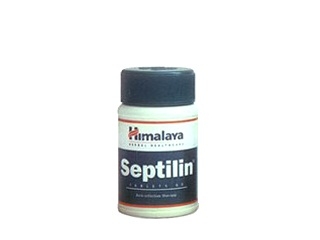
Septilin (Herbal Supplement) – Patient-Friendly Guide (UK)
Septilin is an herbal medicine widely used in the United Kingdom to support the body’s natural defences and help with recurring respiratory and general wellness concerns. This guide explains what Septilin is, how it may work, how it’s taken, key safety points, and practical advice for using it effectively.
| Category | Details |
|---|---|
| Type | Herbal medicine/supplement (formulation may vary by product) |
| Common use | Supports immune function and helps with recurrent upper respiratory symptoms in some people |
| Active ingredients | Herbal components (exact blend depends on the product version) |
| Typical form | Tablets or liquid preparations (choose the version you purchase) |
| Availability | Commonly sold via pharmacies and reputable online retailers in the UK |
Basic product information
Septilin is an oral herbal product designed to help the body maintain healthy defence mechanisms. It is often chosen by people who experience repeated bouts of coughs, colds, or throat and sinus discomfort, and who want supportive care as part of their routine health management.
Important: Product formulations can vary by country and by the specific Septilin version (e.g., tablets vs. liquid). Always check the label or leaflet included with your pack for the exact ingredients, strength, and directions for use.
How Septilin may work (mechanism of action)
Septilin’s mode of action is best understood as supportive herbal activity rather than a single targeted “one pathway” drug effect. While the exact mechanisms can differ depending on the individual herbal constituents, Septilin is generally thought to:
- Support immune function by helping normal defence processes run efficiently.
- Contribute to anti-inflammatory activity in the areas of the respiratory tract (in a supportive way), which may help reduce discomfort associated with irritation.
- Support recovery by promoting overall resilience during times when the body is under strain.
Some users report feeling that symptoms such as recurring throat irritation or chest discomfort settle more quickly when Septilin is used consistently as directed. However, individual results vary, and Septilin is not a substitute for medical assessment when symptoms are severe or persistent.
Pharmacokinetics (how the body handles it)
Because Septilin is a multi-herbal formulation, classical pharmacokinetic studies (absorption, distribution, metabolism, and excretion) are not always available in the same detail as for conventional medicines. In general terms for herbal oral products:
- Absorption: Herbal constituents may be absorbed variably through the gastrointestinal tract; bioavailability can differ by ingredient.
- Distribution: Once absorbed, active constituents may distribute across tissues, including sites associated with immune activity.
- Metabolism and excretion: Plant-derived compounds are typically metabolised in the liver and eliminated through normal bodily pathways.
Practical takeaway: For herbal medicines like Septilin, effects are usually assessed over days to weeks, not just hours after the first dose.
What Septilin is used for (typical use & indications)
Septilin is commonly used as a supportive herbal option for:
- Recurrent or lingering upper respiratory tract symptoms, such as throat discomfort, cough, or frequent cold-like episodes (supportive care).
- General wellness support during periods when the immune system may be under pressure.
- Situations where supportive care is preferred, alongside sensible self-care measures (hydration, rest, and symptom management where needed).
Note: Indications and claims depend on the specific licensed product and the information on your pack. For exact indications for the version you buy, refer to the leaflet or packaging.
When to take Septilin (timing and routine)
Septilin is intended for regular use rather than only “as needed.” The best timing depends on the formulation you have and the dose recommended on the pack.
- Follow the label: Take it at the dose and times stated on the packaging or leaflet.
- Choose a consistent schedule: Taking it at similar times each day can help you stay consistent.
- How long to use it: Many people use herbal immune-support products for short supportive cycles or during times when symptoms tend to recur. If you don’t see any benefit within the timeframe suggested by the product instructions, consider speaking to a pharmacist or healthcare professional.
Missed dose: If you miss a dose, take it when you remember unless it is close to the next dose. Do not take double doses to make up for a missed one.
Food interactions: can you take Septilin with meals?
Most herbal products like Septilin can be taken with or without food. However, gastrointestinal tolerance can vary person to person.
General tips:
- If your stomach feels sensitive, consider taking Septilin with food or after a meal.
- If the leaflet recommends a specific timing (for example, before meals), follow that guidance.
What to avoid: Avoid taking it at the same time as very heavy meals if the product makes you feel nauseous, but otherwise food interactions are not usually the limiting factor for Septilin.
Alcohol and medicine interactions
Septilin is a herbal product, and while severe alcohol interactions are not commonly highlighted for such products, it’s still sensible to use caution.
- Alcohol: Moderate alcohol intake is unlikely to directly stop Septilin working, but alcohol can worsen dehydration, sleep quality, and recovery—especially during infections or periods of illness.
- Other medicines: If you are taking other medicines regularly, it’s best to check for interaction guidance in the leaflet or ask a pharmacist. Herbal constituents can sometimes affect how people metabolise other products.
Be extra cautious if you take medicines for long-term conditions, immunosuppressants, blood thinning/anticoagulant medicines, or have liver disease—seek professional advice.
Dosing (how much to take)
Dosing may differ depending on the specific Septilin variant (tablets vs liquid) and the strength. Always use the dose on your pack.
Typical adult dosing (example guidance):
- Many herbal immune-support products in this category are taken two to three times daily during the period of use. Some versions may specify a set number of tablets per dose or a measured volume for liquids.
Children: Dosing for children must be confirmed from the product leaflet and by a healthcare professional or pharmacist, as age-appropriate dosing and safety considerations can vary.
If you have questions about the correct dose for your specific Septilin product (including whether it’s appropriate for your age and health conditions), ask a pharmacist.
Safety profile and who should be cautious
Septilin is generally well tolerated when used according to directions. As with all medicines and herbal products, side effects can occur, particularly in people with sensitivities or allergies to ingredients.
Possible side effects
Reported side effects for herbal medicines may include:
- Gastrointestinal discomfort (e.g., nausea, stomach upset, mild diarrhoea)
- Allergic reactions in sensitive individuals (e.g., rash, itching, swelling)
Seek urgent medical help if you develop signs of a serious allergic reaction such as difficulty breathing, facial/lip swelling, or widespread hives.
Who should use Septilin with caution
- Allergy history: Avoid if you have known allergies to any ingredient in the formula.
- Pregnancy and breastfeeding: Herbal products should be used only if appropriate—seek advice from a pharmacist or clinician for the specific formulation.
- Children: Use only if dosing is clearly provided for the child’s age and weight and advised by a professional.
- Chronic liver or kidney conditions: Ask a healthcare professional before use.
- Autoimmune disease or immune-modifying therapy: Discuss with a clinician if you take immunosuppressive medicines or have conditions that affect immune function.
Practical use tips (to get the most from Septilin)
- Be consistent: Herbal immune-support benefits are typically assessed over time, so follow the dosing schedule.
- Stay hydrated: Especially if you are using Septilin during times of cough or throat irritation.
- Support alongside good self-care: Rest, adequate fluids, and nutrition can significantly improve comfort during respiratory symptoms.
- Track your symptoms: If you’re using Septilin to prevent or manage recurring episodes, note frequency and severity over a few weeks.
- Stop and seek advice if symptoms worsen: If you develop high fever, severe shortness of breath, persistent chest pain, or symptoms lasting longer than expected, get medical advice.
Alternatives to Septilin
Depending on the specific symptoms you’re targeting, there are several alternatives in the UK market:
- Other herbal immune-support products (e.g., echinacea-containing products, elderberry supplements). Evidence varies between products.
- General supportive measures for colds and sore throats, such as honey-based remedies, throat lozenges, saline nasal sprays, and appropriate pain relief if suitable.
- Vitamin D (if deficient): Some people choose Vitamin D during darker months, but it is best guided by blood tests or healthcare advice.
- Probiotics: In some individuals, probiotics may support overall gut health, which is linked to immune function—results differ.
Choosing an alternative: Consider ingredient suitability, evidence, your personal medical history, and interactions with your current medicines. A pharmacist can help match options to your needs.
UK market and legal context (how Septilin fits in)
In the UK, herbal products sold as medicines or supplements must meet relevant regulatory requirements. The classification on the label (for example, whether it is a herbal medicinal product, traditional product, or a supplement) affects how it is marketed and what claims can be made.
- Quality and safety standards: Reputable products are produced under controlled quality processes and have clear labelling.
- Labelling and information: Packs typically include ingredient lists, dosage instructions, warnings, and storage guidance.
- Evidence and claims: The wording used for indications depends on licensing and the information approved for that product.
Always use the exact product leaflet provided with your Septilin pack, as formulations and approved directions can vary.
Recent guidance and public health considerations
For respiratory symptoms and immune-support approaches, general UK public health guidance continues to emphasise:
- Recognising red flags (e.g., difficulty breathing, persistent high fever, worsening chest symptoms).
- Self-care early for mild symptoms: rest, hydration, and symptom relief measures as appropriate.
- Vaccination and prevention where recommended (seasonal flu, COVID-19 boosters as advised by health authorities).
Herbal products like Septilin may be used for supportive care, but they should not delay seeking appropriate medical help when symptoms are severe or persist.
Delivery and availability in the UK
Septilin is typically available through online pharmacies and select retailers in the UK, depending on stock levels and the specific product variant. When ordering, look for:
- Correct formulation: Tablets vs liquid; check strength and pack size.
- Expiry information: Ensure the item has a suitable remaining shelf life.
- Trusted supplier: Use a reputable online pharmacy for secure ordering and reliable labelling.
- Delivery options: Standard and express delivery may be available depending on the retailer.
Storage: Store according to the instructions on the pack (often in a cool, dry place, away from direct sunlight).
FAQ – Septilin (UK)
1) What is Septilin used for?
Septilin is commonly used as a supportive herbal medicine to help maintain normal immune function and may help with recurrent or lingering upper respiratory discomfort in some people. Always check the specific indications listed on your pack/leaflet.
2) How long does it take to work?
Many people notice changes over days to a couple of weeks when taking Septilin regularly. Because it is supportive rather than an immediate “relief” medicine, results can vary. Use it according to the directions on the packaging.
3) Can I take Septilin with food?
In most cases, yes. If you feel any stomach discomfort, take it with meals. If your product leaflet specifies “before meals” or a particular schedule, follow that advice.
4) Can I drink alcohol while taking Septilin?
Moderate alcohol intake is unlikely to directly interact with Septilin for most people, but alcohol can worsen dehydration and recovery—particularly during illness. If you have any medical conditions or take other medicines, ask a pharmacist for tailored advice.
5) Are there any interactions with other medicines?
Herbal ingredients can potentially interact with other medicines in some circumstances. If you take regular medicines (especially for immune-related conditions, blood thinning, or chronic disease), check the leaflet or speak to a pharmacist.
6) Who should not take Septilin?
Anyone with a known allergy to ingredients should avoid it. People who are pregnant, breastfeeding, have significant liver/kidney conditions, or take immune-modifying therapy should seek advice before use.
7) What side effects might occur?
Side effects are usually mild and may include stomach upset or rash in sensitive individuals. Stop use and seek medical help if you develop signs of a serious allergic reaction.
8) Can I give Septilin to children?
Child suitability and dosing depend on the specific product and the child’s age. Refer to the leaflet and consult a pharmacist for guidance.
9) What should I do if I miss a dose?
Take it when you remember unless it’s close to the next dose. Do not take double doses.
10) When should I see a doctor?
Seek medical advice urgently if you have severe symptoms (e.g., shortness of breath, chest pain), high fever, or if symptoms persist or worsen despite supportive care.
Summary
Septilin is a herbal oral product commonly used in the UK to support immune function and provide supportive care for recurrent upper respiratory discomfort. For best results, take it consistently as directed on the label, consider how it suits your routine (including with or without food), and remain alert to any side effects or red-flag symptoms.
Always check your specific Septilin pack for exact dosing, ingredients, and warnings. If you’re unsure whether it’s suitable for you or you’re taking other medicines, ask a pharmacist for personalised advice.