
Ashwagandha (Withania somnifera) – Patient-Friendly Guide for the UK
Ashwagandha is a popular herbal supplement traditionally used in Ayurvedic practice. In modern wellness routines, it is most commonly taken to support stress resilience and calm, and in some cases to help with sleep quality and energy. This page explains what ashwagandha is, how it may work, typical ways to use it, and important safety and interaction information relevant to the UK.
1) Basic Product Information
Common name: Ashwagandha
Botanical name: Withania somnifera
Plant part used: Usually root and/or leaf extracts (varies by product)
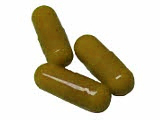
Typical form: Capsules, tablets, powders, or liquid extracts
What to look for on the label: The extract type (often standardized), mg per serving, and ingredient list
(including any carrier/excipients).
In UK stores, ashwagandha is typically sold as a food supplement. Quality can vary, so it’s helpful to choose products with clear standardisation and third-party testing where available.
2) How Ashwagandha May Work (Mechanism of Action)
Ashwagandha contains naturally occurring phytochemicals (including withanolides) that may influence several body systems. While exact mechanisms depend on extract type and dose, research suggests the following potential effects:
- Stress response (HPA axis): Ashwagandha may help regulate cortisol and the body’s stress signalling pathways. This is often discussed in the context of “stress resilience.”
- Neurotransmitter and brain effects: It may interact with pathways involved in stress perception and relaxation, which can be relevant to mood and sleep support.
- Anti-inflammatory effects: Some studies suggest effects on inflammatory signalling, which may contribute to overall wellbeing.
- Antioxidant activity: Ashwagandha may support the body’s antioxidant defences, helping reduce oxidative stress.
- Muscle and strength support (in some people): With appropriate training and nutrition, it may support recovery and performance through mechanisms that can involve reduced stress hormones and improved recovery markers.
Important note: supplement effects vary. If you are using ashwagandha for a specific goal (e.g., stress or sleep), you should give it time and choose a consistent product and dose.
3) Pharmacokinetics (How the Body Processes It)
“Pharmacokinetics” describes absorption, distribution, metabolism, and elimination. For ashwagandha and its active constituents, data in humans is developing, and results can differ depending on:
- The specific extract (root vs leaf; standardised vs non-standardised)
- The dose
- Formulation (powder vs capsule vs extract)
- Individual factors (gut health, metabolism, concurrent medications)
In general, ashwagandha’s constituents are expected to be absorbed from the gastrointestinal tract and then metabolised by the body. Some compounds may reach measurable levels within hours, but variability is common. For practical use, most people follow a daily routine and assess benefits over several weeks rather than expecting immediate effects.
4) Typical Use in the UK
People commonly take ashwagandha for:
- Stress management and feeling calmer
- Sleep support (especially if stress affects sleep)
- Relaxation during busy or demanding periods
- General wellbeing and recovery support
- Exercise support (strength and training recovery goals)
In the UK, ashwagandha supplements should be presented as supporting wellbeing rather than preventing, treating, or curing disease. Always follow the product label and consider professional advice if you have underlying health conditions.
5) Indications (What It’s Commonly Used For)
For clarity, below are wellbeing-related indications commonly associated with ashwagandha supplements:
- Temporary support for stress and tension
- Support for relaxation and wind-down
- Support for sleep quality when stress is a factor
- Support for physical performance and recovery alongside exercise
If you are seeking treatment for a medical condition (for example anxiety disorders, insomnia, thyroid disease, autoimmune conditions, or liver problems), discuss options with a qualified healthcare professional first.
6) Dosing: What’s Typical?
Dosing depends heavily on the type of extract. Many products use standardised extracts, commonly in the range of a few hundred milligrams per day. Always use the dose stated on your chosen product.
Typical daily ranges seen on supplement labels:
- Stress and relaxation: Often 300–600 mg/day of standardized extract
- Sleep support: Often taken in the evening; total daily dose still follows the label
How to start: Many people prefer starting at the lower end for the first 1–2 weeks to assess tolerance, then adjusting to the label dose if needed.
Common approaches:
- Once daily: Taking your full dose in the evening or with a meal, depending on your goal and how you feel.
- Split dose: Taking part in the morning and part in the evening, which may suit those who prefer steadier intake.
7) Timing: When Should You Take It?
Timing can be chosen based on your primary goal and personal response:
- For stress support: Many people take it in the morning or with the first meal.
- For sleep support: Consider taking it 1–2 hours before bedtime, especially if stress contributes to difficulty winding down.
- Consistency matters: Effects may build gradually. Try to take it at roughly the same time each day.
How long to try: For wellbeing goals, allow 2–6 weeks before judging overall benefit, unless your product label or clinician advises otherwise.
8) Food Interactions (Taking With or Without Meals)
Ashwagandha may be taken with food to improve tolerability for some people and to reduce the chance of stomach discomfort. However, many products can be taken with or without food—follow your product’s instructions.
- With meals: Often preferred if you experience nausea or stomach upset.
- Empty stomach: Some people tolerate it well; others find it irritating. If you’re unsure, start with food.
- Gastrointestinal comfort: Stay hydrated and maintain a steady routine.
If you are taking other supplements or medications, consider spacing them slightly (e.g., by 1–2 hours) if you notice stomach irritation or if your clinician recommends it.
9) Alcohol and Medicine Interactions
Alcohol
There is limited evidence in the public domain to give a definitive “safe combination” rule for alcohol and ashwagandha. As a general safety approach:
- Moderate alcohol use: If you drink, consider keeping it moderate and observe how you feel.
- Watch for side effects: Unusual dizziness, nausea, or sleep disruption may signal that you should pause the supplement.
Medicine interactions
Interactions can occur with certain medicines, largely because ashwagandha may influence stress-related hormones and possibly immune or thyroid pathways. The most important practical approach is to check with a healthcare professional if you take regular medication.
Potential interaction considerations include:
- Sedatives or sleep medicines: Using together may increase drowsiness in some people.
- Medicines for anxiety or mood: Because of effects on stress pathways, monitoring may be needed.
- Thyroid-related medicines: Ashwagandha has been associated with changes in thyroid hormone measurements in some contexts—extra caution is advised.
- Immunosuppressants or autoimmune treatment: If you have an autoimmune condition or are on immune-modulating therapy, seek professional guidance.
- Liver-metabolism concerns: Rare cases of liver injury have been reported with various herbal products. If you have liver disease or symptoms (see safety section), stop and get medical advice.
Always tell your healthcare professional about any supplements you use, especially if you are taking prescription medicines, have a chronic condition, or are pregnant/breastfeeding.
10) Safety Profile: Who Should Be Careful?
Ashwagandha is generally well tolerated by many adults when used appropriately, but “natural” does not automatically mean risk-free. Safety depends on dose, extract quality, individual health, and other medications.
Common side effects (less serious)
- Upset stomach, nausea, diarrhoea or mild cramps
- Headache
- Sleepiness or drowsiness (especially if taken with sedating products)
Less common but serious concerns
Rare reports include liver injury and hypersensitivity reactions (allergy). Stop taking ashwagandha and seek urgent medical advice if you develop:
- Yellowing of the skin/eyes (jaundice)
- Dark urine, severe fatigue
- Upper right abdominal pain
- Severe rash, swelling, or breathing difficulties
People who should avoid or seek professional advice first
- Pregnant or breastfeeding: Due to limited safety data, avoid unless advised by a qualified clinician.
- Children: Not recommended without professional guidance.
- Thyroid conditions or thyroid medication: Extra caution is advised.
- Autoimmune diseases or immune-modulating medicines: seek advice first.
- Liver disease or a history of liver problems: seek advice first.
- Scheduled surgery: Consider stopping supplements beforehand and discuss with your clinician.
Stop use if you experience troubling side effects, and contact a healthcare professional if symptoms persist.
11) Practical Use Tips (How to Get the Best Experience)
- Choose a consistent product: Standardisation varies. Switching brands can change the dose of active compounds.
- Start low and go steady: Helps you identify tolerance and avoid stomach upset.
- Take with food if needed: Many people find it easier on the stomach.
- Be consistent: Try daily use rather than sporadic dosing.
- Track your goal: For stress and sleep, note sleep timing, perceived stress, and energy for 2–6 weeks.
- Don’t combine blindly: If you also use calming herbs (e.g., valerian) or sedating supplements, review total effect to reduce excessive drowsiness.
- Maintain fundamentals: Hydration, balanced diet, regular movement, and sleep routine remain the biggest drivers of wellbeing.
12) Alternative Options (If Ashwagandha Isn’t Right for You)
If ashwagandha doesn’t suit your goals or you prefer alternatives, consider the options below. Always read labels and check interactions, especially if you take medication.
| Goal | Alternative supplement | Common considerations |
|---|---|---|
| Stress and relaxation | L-theanine | Often used for calm focus; can be taken with or without food. May cause mild drowsiness in some people. |
| Sleep support | Magnesium (e.g., glycinate) | May support sleep quality and muscle relaxation. Take care if you have kidney issues and follow label dosing. |
| Sleep timing support | Melatonin | Helpful for jet lag and sleep timing in some situations; effects vary by dose and timing. |
| Stress-related wellbeing | Rhodiola rosea | More commonly associated with fatigue/energy. Some people may feel more alert rather than sleepy. |
| General calm | Valerian root | Traditional sleep herb; can cause sedation and may increase drowsiness with other calming agents. |
Lifestyle approaches—such as structured breathing exercises, reduced evening caffeine, and consistent bedtime—can also complement supplementation.
13) UK Market and Legal Context (Food Supplements)
In the United Kingdom, ashwagandha supplements are typically regulated as food supplements under relevant UK rules. That means they are intended to support wellbeing, not to prevent, treat, or cure diseases.
Labels and marketing claims should comply with UK food supplement legislation and general rules around health claims. You may notice:
- Wellbeing-type wording rather than disease claims
- Requirement for ingredient listing and serving instructions
- Guidelines discouraging misleading promises
Quality control varies across brands. When buying online, look for batch information, clear dosing, and reputable manufacturing practices. If a product doesn’t provide a clear extract standardisation or standard content, you may find it harder to assess suitability.
14) Recent Guidance and Practical Updates
Over recent years, public health messaging in the UK has consistently emphasised:
- Evidence-based expectations: supplements are not replacements for medical care or prescribed treatments.
- Monitoring side effects: stopping and seeking advice if you experience unexpected symptoms.
- Caution with interactions: especially for people taking regular medicines.
- Quality and traceability: choosing products with reliable labelling and manufacturing standards.
Because supplement composition can differ between products, the safest approach is to follow the specific product label and seek advice for personalised guidance.
15) Delivery and Availability (UK Online Shopping)
Ashwagandha supplements are commonly available in the UK through online pharmacies and supplement retailers. Delivery typically depends on the supplier’s stock location and the selected shipping method.
- Availability: Many products are kept in stock for prompt dispatch.
- Dispatch timing: Usually measured in working days after the order is placed (check the store’s delivery estimate at checkout).
- Packaging: Supplements are usually shipped in protective packaging to reduce damage during transit.
- Storage: Store in a cool, dry place, away from direct sunlight; keep the lid tightly closed if supplied as a bottle.
16) Product Comparison at a Glance
The table below can help you compare common label features across ashwagandha products. Always verify the exact details on the product page.
| Label feature | Why it matters | What to look for |
|---|---|---|
| Extract type | Different extracts may have different potency | Clear mention of root and/or leaf, and whether standardised |
| Standardisation | Helps consistency between batches | Withanolide standardisation is often stated |
| Amount per serving | Determines daily intake | mg per capsule/tablet, or mg per measured dose |
| Serving instructions | Improves correct and safe use | How many capsules, and timing guidance |
| Excipients | May include additives you want to avoid | Check vegetarian/gelatin capsule suitability and allergies |
17) Ashwagandha FAQ
How quickly will I feel effects?
Some people notice changes in stress perception within days, but for many, benefits build gradually. For wellbeing goals, assess over 2–6 weeks while using the same dose consistently.
Can I take ashwagandha at night?
Yes. For sleep support, many people take it in the evening or 1–2 hours before bedtime. If you experience excessive drowsiness or morning grogginess, adjust timing or dose according to the label.
Is ashwagandha safe for everyone?
No. People who are pregnant or breastfeeding, have thyroid conditions, autoimmune disorders, liver problems, or who take regular medicines should seek advice before using ashwagandha.
What should I do if I miss a dose?
Take it when you remember unless it’s close to your next dose. Do not take a double dose to make up for a missed one. If you’re unsure, follow the general guidance on your product label.
Can I take ashwagandha with coffee or tea?
In general, coffee or tea isn’t a direct interaction in everyday use, but caffeine can affect sleep. If you’re taking ashwagandha for sleep, avoid heavy caffeine late in the day and consider taking the supplement earlier in the evening.
Does ashwagandha interact with thyroid medication?
It may. Because ashwagandha has been associated with changes in thyroid hormone measurements in some contexts, it’s important to seek professional advice if you take thyroid-related medicines.
How long can I take it?
Many people use it in cycles or as ongoing daily support for a period. There isn’t one universal answer. It’s reasonable to review your goals after 6–8 weeks and decide whether to continue, reduce, or stop based on effect and tolerance.
What if I get stomach upset?
Try taking it with food, reduce to the lower end of the label dose, and ensure you’re well hydrated. Stop and seek medical advice if symptoms are severe, persistent, or worsening.
Are there allergy concerns?
Allergic reactions are uncommon, but possible. If you develop a rash, swelling, or breathing difficulties, stop taking the product and seek urgent medical help.
Disclaimer: This guide is for general information to help you make an informed choice. If you have any medical conditions, take regular medication, or are unsure whether ashwagandha is suitable for you, consult a healthcare professional.