Abana – Patient-Friendly Guide (UK)
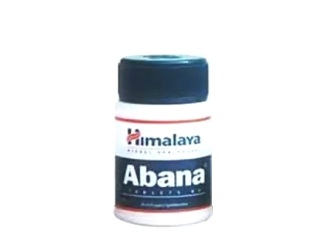
Abana is a traditional herbal medicine used in the UK for supporting urinary tract health and for easing symptoms associated with urinary discomfort. This guide explains what Abana is, how it works, how it is taken, possible interactions, and practical tips to help you use it safely and effectively.
Always read the leaflet provided with your product. Herbal medicines can still affect people differently, especially those with existing medical conditions or those taking other medicines.
Basic product information
| Item | Details |
|---|---|
| Medicine name | Abana |
| Type | Traditional herbal medicine (formulation may vary by brand presentation) |
| Common use | Supporting urinary tract comfort and related symptoms |
| Who it is for | Adults (and in some cases older adolescents, depending on product instructions) |
| How it’s taken | Usually oral use (tablet/capsule or liquid form, depending on product variant) |
| UK availability | Sold by online pharmacies and health retailers in the UK, subject to stock and product variant |
What Abana is used for (indications)
In the UK, Abana is commonly marketed as a traditional herbal remedy intended to help with:
- Urinary discomfort (for example, a sense of irritation or discomfort in the urinary tract)
- Supporting normal urinary function as part of general wellbeing
- Temporary relief of symptoms associated with mild urinary tract irritation
Abana is intended for symptom support rather than to treat serious infections by itself. If you suspect a kidney infection, experience severe symptoms, or symptoms rapidly worsen, seek prompt medical assessment.
Mechanism of action (how Abana may work)
As a herbal medicine, Abana contains plant-derived ingredients. The exact mechanism can vary depending on the specific product formulation. In general, herbal urinary-support remedies may act via one or more of the following pathways:
- Soothing and anti-irritant effects on the urinary tract lining, helping to reduce discomfort.
- Supporting normal urine flow through traditional use and constituent activity.
- Antioxidant and mild antimicrobial properties suggested by some herbal components and traditional practice.
- Supporting fluid balance when combined with good hydration.
It’s important to note that “traditional use” does not guarantee the same evidence level as newer medicines, but it can still provide a rationale for symptom support in appropriate situations.
Pharmacokinetics (what happens in the body)
Detailed pharmacokinetic studies for herbal mixtures can be limited because each ingredient may be absorbed and processed differently. However, you can generally expect the following:
- Absorption: Some constituents may be absorbed from the gastrointestinal tract, while others may be metabolised by gut processes.
- Distribution: Active constituents or metabolites may distribute through body fluids and tissues, with effects most noticeable in the urinary system for urinary-support products.
- Metabolism: Many herbal constituents are metabolised in the liver and gut.
- Excretion: Metabolites and/or parent compounds may be excreted via the kidneys into urine, aligning with the intended urinary-tract use.
If you require precise pharmacokinetic data for a specific Abana variant (e.g., tablet vs. capsule), check the product’s patient information leaflet or product datasheet available from the manufacturer.
Typical use and timing
For many people, Abana is taken as a short course to help manage urinary discomfort. The exact regimen depends on the formulation and the instructions in your package.
Common timing patterns
- With consistent daily timing to help maintain routine.
- Often taken after food if your leaflet suggests it, to improve tolerability.
- Separate from other medicines when advised (for example, if you use other urinary agents or supplements).
Practical tip: Take Abana at the same times each day and drink an adequate amount of water unless you’ve been told to restrict fluids (for example, some kidney or heart conditions).
Dosing (how to take Abana)
The recommended dose depends on your specific Abana product variant (for example, tablet, capsule, or liquid) and the patient leaflet. Always follow the label on your pack.
General dosing principles for herbal products:
- Use the dose stated by the manufacturer.
- Do not exceed the stated daily amount.
- If you miss a dose, take it when you remember unless it is close to the next dose—then skip the missed dose and continue as normal.
Do not change the dose or combine multiple products with similar herbs without checking the leaflet, as this may increase the risk of side effects or interactions.
Food interactions
Herbal medicines may interact with food differently depending on their ingredients. For Abana, many users find taking it with or after food can improve comfort and reduce the chance of stomach upset.
Common food-related considerations
- Take with food if instructed by the patient information leaflet.
- Avoid very heavy meals right before dosing if you notice nausea or indigestion.
- Stay well hydrated, as adequate fluid intake supports urinary comfort.
If your Abana variant is in a liquid form containing alcohol, sugar, or other excipients, food choices may matter (for example, if you have diabetes or need to avoid sugar or alcohol). Always check the ingredient list on your specific product.
Alcohol and medicine interactions
The interaction profile of Abana with alcohol can depend on formulation. In general:
- As a general safety approach, limit alcohol if you experience urinary irritation or if you are on other medicines.
- Check for alcohol content if your Abana product is a liquid.
- Be cautious if you are taking other medicines that affect the liver or cause dizziness or sedation.
Other medicine considerations
Herbal remedies can interact with prescription and non-prescription medicines. Although specific interactions can be difficult to predict for complex herbal blends, consider the following:
- Warfarin and anticoagulants: If you take blood thinners, ask a pharmacist before using Abana, especially if your leaflet mentions caution with anticoagulants.
- Diuretics: If you use medicines that increase urine output, Abana may add to the overall effect. Monitor how you feel and follow professional advice.
- Kidney-related medicines: If you have chronic kidney disease or take medicines that affect kidney function, use with caution and seek advice.
- Diabetes and blood sugar medications: Some herbal liquid formulations may contain sweeteners.
Tell your pharmacist about all medicines and supplements you take, including herbal products, so they can check for possible overlaps.
Safety profile: who should be careful
Abana is generally well tolerated when taken as directed, but herbal medicines can still cause adverse effects. The safety profile depends on ingredients and the individual.
Possible side effects
- Gastrointestinal upset (e.g., nausea, stomach discomfort, mild diarrhoea)
- Headache or dizziness in sensitive individuals
- Allergic reactions such as rash, itching, swelling, or breathing difficulties (seek urgent care if severe)
- Urinary symptom changes (rarely, some people may notice a temporary change in urinary discomfort)
If you experience any serious symptoms, stop the product and seek medical help urgently.
Who should avoid or use with extra caution
- Pregnancy and breastfeeding: Herbal medicines are not automatically safe in pregnancy or while breastfeeding. Check the leaflet and seek professional advice.
- Children: Only use if the product leaflet specifically states suitability for the age group.
- People with kidney disease: Seek advice before using urinary-support herbal medicines.
- Those with known allergies to ingredients in the product.
- Those taking multiple medicines (to reduce interaction risk).
Practical use tips
To get the best out of Abana for urinary comfort, combine it with helpful lifestyle measures:
- Hydration: Drink water regularly. Avoid excessive dehydration, especially in hot weather or during exercise.
- Don’t delay urination: Holding urine for long periods may worsen discomfort.
- Hygiene: Gentle hygiene practices can support comfort. Avoid harsh soaps or strongly scented products on sensitive areas.
- Track symptoms: Note changes such as burning, urgency, frequency, fever, or back pain.
- Consider triggers: Caffeine, alcohol, and certain foods may irritate some people’s urinary tract.
When to seek medical advice promptly
- Symptoms are severe or rapidly worsening
- You develop a fever, chills, or feel unwell
- There is back/flank pain (possible kidney involvement)
- You notice blood in urine
- You are pregnant, immunocompromised, or have significant kidney problems
- Symptoms last longer than expected despite treatment
Alternative options
If you’re exploring options for urinary discomfort, there are a few common categories of products and supportive measures available in the UK. Your best choice depends on your symptoms, medical history, and what other medicines you take.
Non-medicine supportive measures
- Increased fluid intake (unless restricted by a clinician)
- Reducing potential irritants such as caffeine and alcohol
- Regular voiding and good hydration habits
Other product types you may encounter
- Other herbal urinary-support products (different ingredient blends)
- Urinary alkalinising agents (used for certain urinary discomfort patterns)
- Medical evaluation for suspected infections if symptoms suggest a UTI
If you have recurrent symptoms, it can be helpful to discuss patterns and potential underlying causes with a healthcare professional.
Market and legal context in the UK
In the UK, herbal medicines may be regulated under traditional-use and product-specific frameworks depending on how they are authorised and what claims are made on the label. Products like Abana are typically supplied with patient information leaflets describing indications, how to use them, and key safety warnings.
When buying online, you should expect:
- Clear labelling including active ingredients or constituent amounts, if applicable
- Manufacturers’ recommended dosing and contraindications
- Quality and batch information where required
UK medicines supply is subject to strict standards. Reputable online pharmacy services ensure that herbal medicines are sourced appropriately and delivered to customers safely.
Recent guidance and practical updates (UK context)
Public health and NHS guidance often emphasises:
- Prompt assessment when symptoms suggest a urinary infection, especially if there are red flags such as fever or flank pain.
- Not delaying treatment for serious symptoms.
- Considering individual risk factors (e.g., pregnancy, older age, kidney disease, recurrent UTIs).
- Understanding symptom overlap between irritation and infection, which can influence what care is needed.
While herbal urinary-support products may help with mild discomfort, guidance generally supports seeking medical advice when symptoms don’t settle or when warning signs appear.
Delivery and availability in the UK
Abana may be available from online pharmacies and healthcare retailers in the UK. Availability can vary by supplier and by product variant (for example, tablet vs. capsule vs. liquid).
- Processing times: Your order is typically processed within business hours.
- Delivery options: Delivery methods vary; some services offer standard and express postage.
- Stock: Popular sizes may sell out; you may see “low stock” or “out of stock” status depending on demand.
- Product packaging: Orders are usually dispatched in manufacturer-approved packaging for storage and handling.
If you have questions about which Abana variant is currently available, check the product page details or contact customer support.
How to store Abana
Storage instructions are provided on the label and patient leaflet. Follow them carefully. In general:
- Store at room temperature unless otherwise stated.
- Keep away from moisture and direct sunlight.
- Keep out of reach of children.
- Check expiry dates and do not use after the “use by” date.
FAQ (frequently asked questions)
1. Is Abana suitable for everyone?
Not necessarily. People who are pregnant or breastfeeding, those with kidney problems, children (unless specified by the leaflet), and anyone with known allergies to ingredients should check the patient information leaflet and speak with a pharmacist if unsure.
2. How quickly should I feel better?
This varies. Some people notice symptom relief within a short time, especially for mild urinary discomfort. If symptoms do not improve as expected or worsen, seek medical advice.
3. Can I take Abana with other medicines?
Many people can, but interactions are possible. Tell your pharmacist about all medicines and supplements you use, especially blood thinners, diuretics, or medicines affecting kidney or liver function.
4. Should I take Abana with food?
Follow the leaflet directions. If it suggests taking it with food, doing so may improve tolerability. If it doesn’t specify, you can usually take it as directed by the label.
5. Does alcohol affect Abana?
Alcohol can irritate the urinary tract in some people. If your Abana product is a liquid that contains alcohol, this may be relevant. To be safe, consider limiting alcohol and check the ingredient list for your specific product.
6. What if I miss a dose?
Take it when you remember unless it’s almost time for your next dose. Do not take a double dose. Continue with your normal schedule.
7. When should I stop and get help?
Stop using Abana and seek urgent help if you experience signs of a serious allergic reaction (such as swelling of face/lips, difficulty breathing, or widespread rash). Seek prompt medical advice for fever, back pain, blood in urine, or rapidly worsening symptoms.
8. Can Abana prevent urinary infections?
Abana is intended for urinary comfort and supportive use, not as a guaranteed prevention method for urinary infections. If you have recurrent UTIs, speak to a healthcare professional about prevention strategies tailored to you.
9. Are there alternatives if Abana doesn’t help?
Yes. Depending on your symptoms, alternatives may include other herbal urinary-support products, supportive lifestyle measures, or medical assessment if symptoms suggest infection. Choose based on your symptoms and risk factors.
10. Is Abana available nationwide in the UK?
Many online pharmacies can deliver across the UK. Availability depends on the current stock status and the product variant. Check the delivery information on the product page.
Summary
Abana is a traditional herbal medicine used in the UK to support urinary tract comfort and ease symptoms of mild urinary irritation. When used as directed, combined with good hydration and appropriate lifestyle measures, it may help many people manage day-to-day discomfort. However, if you experience red-flag symptoms such as fever, back pain, or blood in urine, seek prompt medical advice.
Ready to order? Check the product details for the exact formulation, dosing instructions, and storage information for the Abana variant available today.