Aristocort (Triamcinolone) – Patient Information
Aristocort contains triamcinolone, a corticosteroid medicine used to reduce inflammation and calm an overactive immune response. It may be prescribed for a range of inflammatory and allergic conditions. This guide explains how Aristocort works, what it’s used for, how it’s typically taken, and important safety information for people in the United Kingdom.
Note: Specific dosing and duration vary depending on the condition being treated, the formulation (for example, tablets or injections), and your personal medical history.
Basic product information
- Medicine name: Aristocort
- Active ingredient: Triamcinolone
- Class: Corticosteroid (glucocorticoid)
- Common uses: Inflammatory and immune-mediated conditions
- Country availability: Available in the UK through licensed supply channels
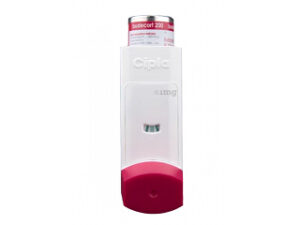
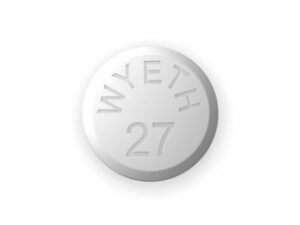
Different Aristocort products may come in different forms (commonly tablets and injectable forms). Always check the packaging or patient leaflet for your specific formulation and strength.
How Aristocort works (mechanism of action)
Triamcinolone is a glucocorticoid. It works by influencing immune and inflammatory pathways. In simple terms, it:
- Reduces inflammation: It decreases the release of inflammatory substances and reduces swelling and irritation.
- Suppresses immune activity: It can dampen an overactive immune response that causes symptoms such as redness, itching, pain, and tissue irritation.
- Stabilises cell membranes and gene expression: It alters the activity of certain immune cells and inflammatory genes, helping to control the underlying cause of many steroid-responsive conditions.
Because it affects inflammation and immune signalling, triamcinolone can improve symptoms even when the underlying inflammation is not fully “visible” to the naked eye.
Pharmacokinetics (what the body does to the medicine)
“Pharmacokinetics” describes what happens to a medicine after you take or receive it. Key points for corticosteroids like triamcinolone include:
- Absorption: Absorption depends on the formulation (e.g., oral tablets generally absorb through the gastrointestinal tract).
- Distribution: Triamcinolone circulates in the body and can reach many tissues.
- Metabolism: It is primarily processed by the liver.
- Elimination: Metabolites are mainly removed by the kidneys and excreted in urine.
Clinically, the most important takeaway is that how your liver and kidneys function can affect overall exposure and that dose adjustments or closer monitoring may be needed in some circumstances.
Typical uses in the UK
Aristocort (triamcinolone) may be used for conditions where reducing inflammation and immune activity is beneficial. Common steroid-responsive indications may include:
- Severe allergic or inflammatory reactions
- Autoimmune or immune-mediated conditions (as determined by your clinician)
- Inflammatory disorders affecting joints, skin, or other tissues
- Some respiratory inflammatory conditions where steroids are appropriate
- Selected cases requiring anti-inflammatory effect after specialist assessment
Important: The exact indication, route, and regimen should be aligned with the approved product information and your individual diagnosis.
Timing: when and how to take it
Timing can influence tolerability and side effects. Many corticosteroids are taken to mimic the body’s natural steroid rhythm.
- Often taken in the morning to reduce potential disruption of sleep and to align with natural hormone patterns.
- Follow your prescribed instructions for the exact dose frequency (daily vs divided doses) and duration.
- Do not stop suddenly if you have taken it for more than a short period—stopping corticosteroids abruptly can be unsafe.
Missed dose: If you miss a dose, take it when you remember unless it is close to the next dose. Do not double up. Check your leaflet or ask your pharmacist for guidance based on your regimen and formulation.
Food interactions and dietary considerations
Triamcinolone can be affected by the timing of meals mainly through effects on the stomach and blood sugar. Practical dietary tips include:
- Take with or after food (unless your leaflet advises otherwise) to help reduce stomach irritation.
- Blood sugar awareness: Steroids can raise blood glucose, which is particularly relevant for people with diabetes or prediabetes.
- Monitor appetite and weight: Steroids can increase appetite in some people.
- Calcium and vitamin D: Long-term steroid use can affect bone health. Your clinician may advise supplements depending on your situation.
Grapefruit: While grapefruit is known for interacting with some drugs, always confirm with your leaflet or pharmacist for your specific formulation. (When in doubt, avoid large increases in grapefruit intake.)
Alcohol interactions
Alcohol may not have a direct interaction with triamcinolone in every case, but combining alcohol with corticosteroids can increase overall health risks.
- Stomach irritation: Both alcohol and corticosteroids can irritate the stomach. This may worsen indigestion, gastritis, or reflux.
- Infection risk: Steroids can lower immune response. Alcohol may further affect immune function and increase risk in some circumstances.
- Mood and sleep: Steroids can affect mood and sleep; alcohol can also worsen sleep quality.
Practical advice: Keep alcohol moderate and avoid binge drinking. If you notice worsening stomach symptoms, mood changes, or sleep disturbance, consider reducing or avoiding alcohol and discuss with a healthcare professional.
Medicine interactions (alcohol and medicine interactions)
Corticosteroids can interact with a number of medicines, mainly by affecting liver enzymes, immune function, or blood sugar and potassium levels. Always provide a full medication list to your pharmacist or clinician.
Common interaction categories
- Non-steroidal anti-inflammatory drugs (NSAIDs) (e.g., ibuprofen, diclofenac): may increase risk of stomach irritation and bleeding.
- Blood thinning medicines (e.g., warfarin): steroid effects may alter INR control, requiring closer monitoring.
- Diabetes medicines (e.g., insulin, metformin, sulfonylureas): steroids can raise blood sugar, potentially requiring adjustment of diabetes treatment.
- Diuretics (water tablets) and medicines affecting potassium: steroids can influence potassium balance; combined use may increase risk of low potassium.
- Enzyme inducers (certain anti-epileptics and other medicines): may reduce steroid effect.
- Enzyme inhibitors: may increase steroid exposure and side effects.
- Vaccines (live vaccines): live vaccines may not be recommended during significant steroid therapy because immune response may be reduced.
- Infections and antifungals/antivirals: steroids can mask infection symptoms; some infections require special caution.
Herbal supplements: Some herbal products can affect liver enzymes or immune function. If you use supplements (for example St John’s wort), ask a pharmacist before continuing during steroid treatment.
Indications (what it may be used for)
In the UK, triamcinolone is used when inflammation and immune activity need to be controlled. Indications vary by formulation and product licence. In general, it is considered for:
- Conditions involving significant inflammation not controlled by other measures
- Immune-mediated disorders where steroid therapy is clinically appropriate
- Allergic and inflammatory flare-ups (short courses may sometimes be used depending on the condition)
- Specialist-selected scenarios such as certain severe presentations requiring potent anti-inflammatory effects
Your clinician will weigh benefits against risks such as infection risk, blood sugar changes, blood pressure effects, mood changes, and long-term bone effects.
Dosing: what to expect
Dosing for Aristocort (triamcinolone) depends on the condition, severity, response to treatment, and route of administration. Steroids are sometimes prescribed in:
- Short courses for flare-ups or acute inflammatory episodes
- Tapering regimens to reduce the risk of adrenal suppression after longer use
- Alternating-day strategies in some cases to reduce side effects (only if advised)
General principles (important):
- Use the lowest effective dose for the shortest necessary duration.
- Do not adjust the dose yourself.
- If treatment is prolonged, a taper plan is usually required.
Example dosing schedule (illustrative only): Many steroid regimens are structured with an initial dose followed by a reduction. The exact schedule must be based on your diagnosis and the product leaflet.
| Situation | Typical approach | What you should do |
|---|---|---|
| Starting treatment | Often taken once daily (commonly in the morning) | Follow the timing and dose on your packaging instructions |
| Symptoms improve | Dose may be reduced | Do not stop early unless instructed |
| Longer-term use | Gradual tapering may be required | Plan a taper with your clinician/pharmacist |
| Infection develops | May require reassessment | Seek medical advice, especially for fever or worsening symptoms |
Safety profile and side effects
Like all medicines, triamcinolone can cause side effects. Many side effects are dose- and duration-dependent. People respond differently.
Common side effects (may occur)
- Increased appetite
- Indigestion or stomach discomfort
- Sleep disturbance or feeling “wired” (more likely with morning dosing? sometimes still possible)
- Mood changes (irritability, mood swings)
- Fluid retention
- Raised blood sugar, especially in people with diabetes
- Headache or dizziness
Serious side effects (seek urgent advice)
Contact urgent medical services or seek immediate medical attention if you experience:
- Signs of a serious infection (high fever, severe cough, shortness of breath, confusion, or worsening rapidly)
- Severe allergic reactions (swelling of face/lips, trouble breathing, hives)
- Severe stomach pain, black/tarry stools, or vomiting blood
- Severe mental health symptoms (confusion, agitation, hallucinations, or severe depression)
- Vision problems (painful or sudden changes in sight)
Longer-term risks (more likely with higher doses or prolonged use)
- Bone thinning (osteoporosis)
- Increased risk of fractures
- Weight gain and changes in body fat distribution
- High blood pressure
- Changes in immune response leading to infection susceptibility
- Eye effects (e.g., cataracts or glaucoma)
- Adrenal suppression if stopped abruptly
If you are on steroids for more than a short course, your clinician may arrange monitoring such as blood pressure checks, blood tests, eye checks, and bone protection strategies.
Practical use tips
- Take it the same way every time: If you use tablets, follow the leaflet regarding taking with water and whether it should be taken with food.
- Keep track of your symptoms: Note improvement and any side effects so your clinician can adjust therapy appropriately.
- Do not stop suddenly: Abrupt stopping can be dangerous, especially after longer use. Steroids may need a taper plan.
- Infection precautions: Tell your clinician if you develop symptoms of infection. Steroids can mask fever and inflammation.
- Bone health: If you are likely to take steroids for a longer period, discuss calcium/vitamin D and lifestyle measures (weight-bearing activity as appropriate) with a healthcare professional.
- Blood sugar monitoring: If you have diabetes, monitor glucose closely and report persistent high readings.
- Medication review: Check interactions with any regular medicines, including OTC products and supplements.
Alternative options
Depending on your condition, your clinician may consider alternatives to triamcinolone. Options may include:
- Other corticosteroids (different strengths or formulations)
- Non-steroidal anti-inflammatory or anti-allergy medicines (e.g., antihistamines for allergic symptoms)
- Topical therapies (for skin conditions—creams/ointments can reduce systemic exposure)
- Immunosuppressant or biologic therapies for some immune-mediated diseases (specialist-led)
- Supportive measures (emollients, avoidance strategies, physiotherapy, or respiratory management)
The best alternative depends on your diagnosis, severity, and previous treatments. If you’re concerned about side effects or long-term risks, discuss options with a pharmacist or clinician.
Market and legal context in the United Kingdom
In the UK, corticosteroid medicines are regulated and supplied in accordance with the Medicines and Healthcare products Regulatory Agency (MHRA) and relevant pharmacy frameworks. Availability can vary by formulation and strength, and product-specific instructions are provided in the package information.
When considering any corticosteroid, it’s important to follow the approved product information and local prescribing and dispensing guidance.
Recent guidance and practical monitoring (UK-focused)
Across the UK, clinicians commonly emphasise the following steroid safety practices:
- Use the lowest effective dose and shortest duration possible.
- Assess risk factors (diabetes, hypertension, infection risk, osteoporosis risk, glaucoma/cataract risk, and mental health history).
- Plan tapering for longer courses to reduce adrenal suppression risk.
- Screen and monitor when treatment is extended (bone protection, eye checks, blood pressure, and metabolic monitoring).
If you have a complex medical history (for example, immune system conditions or recurring infections), your care team may tailor monitoring more closely.
Delivery and availability (UK)
Availability of Aristocort (triamcinolone) depends on product formulation and stock levels. Online pharmacies serving the UK typically offer:
- Order processing: Confirmation of product and strength
- Packaging: Secure, discreet delivery
- Delivery time: Usually within standard UK courier timeframes; exact estimates depend on the provider and location
- Customer support: Pharmacist or customer support team to help with product-specific questions
For the most accurate delivery estimates, check the website’s checkout and delivery information pages.
FAQ – Frequently asked questions
1) What is Aristocort used for?
Aristocort (triamcinolone) is a corticosteroid used to reduce inflammation and calm immune activity in steroid-responsive conditions. The exact use depends on your diagnosis and formulation.
2) How quickly will I feel better?
Some people notice improvement within hours to a few days, while others may need longer depending on the condition and dose. If symptoms worsen or do not improve, speak to a healthcare professional.
3) Can I stop taking it once I feel better?
Do not stop suddenly—especially if you have taken it for more than a short period. Steroids may require a taper to allow your adrenal glands to recover.
4) Are there foods I should avoid?
There are no universal “banned” foods, but taking with food can reduce stomach upset. If you have diabetes or high blood sugar risk, keep a close eye on blood glucose because steroids can raise it.
5) Does Aristocort affect blood pressure or blood sugar?
Yes, corticosteroids can raise blood sugar and may increase fluid retention and affect blood pressure in some people. Monitoring is important, particularly for those with diabetes or hypertension.
6) Can I drink alcohol while taking Aristocort?
Moderation is advised. Alcohol may increase stomach irritation and can affect mood and sleep. If you notice worsening stomach symptoms or other side effects, reduce or avoid alcohol and seek advice.
7) What happens if I miss a dose?
Follow the guidance in your leaflet. In many cases, if you remember later on the same day, take it then; if it’s close to the next dose, skip the missed dose. Do not double up without advice.
8) Is it safe to take other medicines with Aristocort?
Some medicines interact with corticosteroids (for example, NSAIDs, anticoagulants, diabetes medicines, and certain vaccines). Always check interactions with your pharmacist, including OTC medicines and supplements.
9) Can Aristocort increase infection risk?
Yes. Steroids can reduce immune response, increasing susceptibility to infections and sometimes masking symptoms. Seek medical advice promptly if you suspect an infection.
10) Will I need bone protection?
Bone health strategies depend on dose and duration. If you may use steroids for longer periods, your clinician may recommend calcium/vitamin D and/or other bone-protecting treatments, plus lifestyle measures.
Summary
Aristocort (triamcinolone) is a corticosteroid medicine used to treat inflammatory and immune-related conditions by reducing inflammation and calming immune activity. How it’s taken (including timing and whether it needs tapering) strongly influences safety. While many side effects are manageable, steroids can increase infection risk, affect blood sugar, and—when used longer-term—raise the risk of bone and eye complications. Always follow the instructions provided with your specific product and consult a healthcare professional for personal advice, especially if you have diabetes, high blood pressure, a history of infection, or mental health concerns.