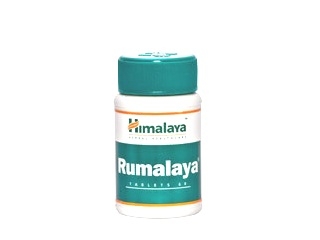

Rumalaya (UK) — Patient-Friendly Guide
Rumalaya is a herbal medicinal product widely used in the UK to help relieve pain and stiffness associated with musculoskeletal conditions, such as osteoarthritis, rheumatic and muscular aches, and joint discomfort. Many people use it as a well-known, non-prescription option to support everyday mobility.
This page explains how Rumalaya works, how it is typically taken, what to watch for, and how it fits within UK healthcare practice. It is written to be easy to read, but always check your specific pack for the exact strength and dosing instructions.
1) Basic product information
Rumalaya is available in different formulations depending on the market and brand version (commonly tablets and/or liquid forms). In the UK, availability may vary by supplier and stock level. On your pharmacy product page, you should find:
- Active ingredients (herbal components) — the specific list can vary by product format.
- Strength and form — e.g., tablet or liquid.
- Pack size — number of tablets or volume of liquid.
- Recommended dose — generally provided on the pack leaflet.
If you are unsure which Rumalaya product you have (or which one this page refers to), check the label or ask your pharmacist for guidance.
2) What is Rumalaya used for?
Rumalaya is used for the symptomatic relief of pain and stiffness linked with conditions affecting joints and muscles, particularly:
- Osteoarthritis (degenerative joint disease)
- Rheumatic aches and stiffness
- Muscular pain and minor musculoskeletal discomfort
- Swelling and pain associated with minor inflammatory joint problems
It is not intended to “cure” joint disease, but rather to help improve comfort and daily function. For persistent, worsening, or severe symptoms, medical advice should be sought.
3) Mechanism of action (how it may work)
Rumalaya contains a combination of herbal ingredients that may help reduce discomfort through multiple pathways. While exact mechanisms can vary depending on the formulation and ingredient profile, many users benefit from effects that include:
- Anti-inflammatory activity — helping calm inflammation within tissues around joints.
- Analgesic (pain-relieving) properties — reducing the sensation of pain.
- Antioxidant effects — supporting protection against stress-related tissue damage.
- Support for joint mobility — by easing stiffness, making movement more comfortable.
People often notice benefit over time. If you do not feel improvement after a reasonable trial (as directed on the product label/leaflet), consider discussing options with a healthcare professional.
4) Pharmacokinetics (how the body handles Rumalaya)
“Pharmacokinetics” describes what happens after you take a medicine: absorption, distribution, metabolism, and elimination. For complex herbal combinations, detailed PK data can be more limited compared with single-ingredient drugs.
In general, for oral herbal medicines like Rumalaya:
- Absorption: Active components are absorbed from the gastrointestinal tract after ingestion.
- Distribution: Components may circulate systemically and reach tissues involved in comfort and mobility.
- Metabolism: Herbal constituents are metabolised mainly in the liver and/or other tissues.
- Elimination: Breakdown products are cleared primarily via urine and/or bile-related pathways.
If you have liver or kidney disease, or you take multiple medicines, discuss suitability with a pharmacist, particularly if your symptoms require ongoing treatment.
5) Typical use and timing
Rumalaya is usually taken on a regular schedule rather than only when pain becomes unbearable. Consistency helps you establish whether the product suits you and how it affects your symptoms.
Common timing advice
- Follow the pack instructions for dose and frequency.
- Many people take it with or after meals to improve comfort and reduce any risk of stomach upset. (Exact guidance can depend on the formulation—check your label.)
- Try to take doses at similar times each day to maintain a steady routine.
How quickly should it work?
Symptom relief can be gradual. Some people notice changes within days, while others may take longer to feel meaningful improvement—especially for ongoing stiffness. If there is no benefit after the period recommended on the label, or if symptoms worsen, seek advice.
6) Indications (when Rumalaya may be appropriate)
Rumalaya is intended for the relief of symptoms related to musculoskeletal discomfort. Based on typical label indications for Rumalaya products, it may be appropriate for:
- Joint pain linked to osteoarthritis or similar conditions
- Stiffness particularly in joints that feels worse with movement or after rest
- General aches involving muscles and soft tissue
- Discomfort associated with mild inflammatory flare-ups (where appropriate)
Important: Do not use Rumalaya as a substitute for urgent care. If you have symptoms such as sudden severe pain, fever, a hot swollen joint, unexplained weight loss, or neurological symptoms, get medical help promptly.
7) Dosing in the UK (general guidance)
Dosing depends on the specific Rumalaya product strength and formulation. Always follow the instructions on your pack. Below is general guidance to help you understand typical approaches.
| Formulation | Typical dosing pattern | How to take |
|---|---|---|
| Tablets (if applicable) | Often taken 2–3 times daily (commonly morning, afternoon, evening) | With water, commonly after meals to reduce stomach upset |
| Liquid (if applicable) | Often taken multiple times daily according to label volume | Measure carefully using the dosing device provided (if supplied), commonly with/after food |
Special situations
- Older adults: Many older adults can use Rumalaya, but consider interactions with existing medicines.
- Children: Use only if the product is authorised for the appropriate age group on the label.
- Pregnancy and breastfeeding: Ask a pharmacist or healthcare professional before use.
- Liver/kidney problems: Check with a pharmacist if you have significant impairment.
What if you miss a dose?
If you forget a dose, take it when you remember unless it is close to the time of the next dose. Do not take a double dose to make up for the missed one.
How long should you use it?
Use Rumalaya for as long as it helps relieve symptoms, following the product leaflet. If you need it continuously beyond the period you would normally expect benefit, consider reviewing your condition and options with a pharmacist or clinician.
8) Food interactions (what to know)
For many oral herbal pain-relief products, food can affect comfort in the stomach rather than the overall effect. Common practical advice includes:
- Take with or after meals if you experience any stomach discomfort.
- If taken on an empty stomach, some people may feel mild nausea or indigestion.
- A consistent routine is helpful—try not to alternate between very empty and very full stomach conditions frequently.
There are generally no “strict” dietary bans with Rumalaya, but it’s always wise to avoid mixing with other supplements that could cause overlapping side effects (e.g., stomach upset).
9) Alcohol and medicine interactions
Alcohol can increase the risk of dizziness and may worsen stomach irritation. While Rumalaya is not typically associated with a direct dangerous interaction with alcohol, combining alcohol with any medicine can make side effects harder to interpret.
- Moderate intake is generally the safest approach.
- If you drink alcohol and notice increased nausea, heartburn, or headaches, consider avoiding alcohol on days you take Rumalaya.
- If your Rumalaya formulation is a liquid, it may contain small amounts of alcohol or other ingredients. Check the label if this matters for you (for example, if you avoid alcohol completely).
Other medicine interactions
Rumalaya may interact with medicines through overlapping effects (for example, stomach irritation) or through changes in how substances are metabolised. Interactions depend on the ingredients in your specific Rumalaya product.
Tell us (or your pharmacist) if you take:
- Blood-thinning medicines (anticoagulants/antiplatelets)
- Non-steroidal anti-inflammatory drugs (NSAIDs) (e.g., ibuprofen, naproxen)
- Other pain relief products or multiple herbal supplements
- Medicines for stomach acid or indigestion
When in doubt, seek advice before combining Rumalaya with other therapies.
10) Safety profile (possible side effects and precautions)
Like all medicines, Rumalaya can cause side effects, although not everybody gets them. Many people tolerate it well.
Common side effects (may occur)
- Stomach upset (e.g., nausea, mild indigestion)
- Heartburn or abdominal discomfort
- Mild headache (occasionally)
- Loose stools (rare to uncommon in some users)
Seek urgent help if you develop
- Signs of an allergic reaction: swelling of face/lips, difficulty breathing, widespread rash, severe itching
- Severe or persistent stomach pain, vomiting, or blood in stool/vomit
- Unusual bruising/bleeding if you take blood thinners
Who should take extra care?
- People with a history of allergies to herbal products
- Those taking multiple medicines, especially blood thinners or frequent NSAID use
- People with significant liver disease or ongoing severe medical conditions
- Anyone who is pregnant or breastfeeding
When to stop and seek advice
Stop taking Rumalaya and contact a healthcare professional if you experience a suspected allergic reaction or side effects that persist, worsen, or concern you.
11) Practical use tips for best results
These simple steps can help you use Rumalaya safely and maximise comfort:
- Take it consistently at the times shown on the label.
- Consider taking with food if you get indigestion.
- Track your symptoms (pain/stiffness level) for 1–2 weeks to assess benefit.
- Stay active gently: regular low-impact movement (walking, stretching) often improves joint function alongside medication.
- Heat and cold: warmth can help stiffness; cold can help after flare-ups—use what suits you.
- Review other pain relief: avoid unnecessary duplication with other herbal products or pain medicines.
Lifestyle measures that often help osteoarthritis
- Maintain a healthy weight (reduces joint load)
- Choose supportive footwear
- Strengthen muscles around joints (physiotherapy-style exercises if available)
- Use ergonomic aids at home and work
12) Alternative options in the UK
If Rumalaya doesn’t suit you or doesn’t provide enough relief, there are other approaches commonly used for joint and muscle discomfort. Options may include:
Non-medicine options
- Exercise and physiotherapy (strengthening, mobility, gait training)
- Heat/cold therapy
- Supportive braces or splints for specific joints
Pharmacy medicines
- Topical pain-relief gels (e.g., diclofenac-containing products, where appropriate)
- Oral pain-relief medicines (such as paracetamol or NSAIDs, depending on your health profile)
Choice depends on your medical history, other medicines, and the type of pain you experience. A pharmacist can help you select an option that best matches your situation.
13) Market and legal context in the United Kingdom
In the UK, products like Rumalaya are governed by the regulatory framework for medicines and healthcare products. Under UK law, medicines are only marketed if they meet required quality, safety, and efficacy standards.
For online pharmacy listings, it is important that:
- The product is authorised for sale in the UK (or otherwise legally supplied).
- Labels and patient information include required warnings and dosing instructions.
- Customer information is accurate—especially around indications and age limits.
Always rely on the information included with the specific product you purchase and, if needed, ask a healthcare professional for advice tailored to you.
Recent guidance (what to keep in mind)
UK health guidance for osteoarthritis and musculoskeletal pain commonly emphasises:
- Self-management with exercise, weight management, and activity modification
- Using medicines appropriately and reviewing benefit over time
- Safety: careful use of NSAIDs (where used) in people at higher risk of stomach, kidney, or cardiovascular issues
- Escalation of care if symptoms are severe, persistent, or suggest a different diagnosis
Herbal products may be considered alongside these approaches, but should still be used responsibly and with awareness of side effects and interactions.
14) Delivery and availability (UK online pharmacy)
Availability of Rumalaya can vary by supplier and formulation (tablet vs liquid), as well as pack size. When available, orders placed through a UK pharmacy typically follow standard dispatch and delivery processes.
- Dispatch times: depend on stock and courier schedules.
- Delivery options: standard delivery is often available; express may depend on location and stock.
- Tracking: some orders provide tracking updates.
To avoid delays, double-check you’ve selected the correct Rumalaya product strength and form before placing your order.
15) FAQ — Frequently asked questions
Is Rumalaya suitable for osteoarthritis?
Rumalaya is commonly used for joint pain and stiffness associated with osteoarthritis. Results vary between people, and consistent use as directed on the pack is usually recommended.
How long does it take to feel an effect?
Some people notice relief relatively quickly, while others benefit over a longer period. If you do not notice any improvement within a reasonable timeframe stated on the product information, or your symptoms worsen, get advice.
Can I take Rumalaya with other pain medicines?
It may be possible in some situations, but combining products increases the chance of side effects and may affect how well you tolerate treatment. If you take other pain relief medicines, especially NSAIDs or blood thinners, ask a pharmacist for personalised advice.
Should I take Rumalaya with food?
Many people find it easier on the stomach when taken with or after meals. Check your product label for the most accurate instruction.
Does Rumalaya interact with alcohol?
Alcohol can increase the risk of stomach irritation and make side effects harder to interpret. If you drink, keep it moderate and consider avoiding alcohol if you notice symptoms like nausea or indigestion. If your Rumalaya is a liquid, check the label for any ingredients that may matter to you.
What should I do if I get side effects?
Mild stomach upset may settle. If side effects are persistent, severe, or you suspect an allergy, stop taking Rumalaya and seek advice from a healthcare professional.
Can I use Rumalaya if I have liver or kidney problems?
You should be cautious. Speak to a pharmacist before using Rumalaya if you have significant liver or kidney impairment or a complex medical history.
Who should not take Rumalaya?
Some people should avoid it or seek advice first—particularly those with a history of allergy to ingredients, those who are pregnant or breastfeeding, and children unless the product is authorised for their age group. Always check the label warnings.
Where can I buy Rumalaya in the UK?
Rumalaya is typically available through online pharmacies and retailers depending on stock. Choose a reputable UK-supplied product to ensure you receive the correct formulation and labelling.
Summary
Rumalaya is a herbal medicine used by many people in the UK to help relieve pain and stiffness linked with joint and muscular discomfort, particularly conditions such as osteoarthritis. Its effect may be gradual, so consistent use as described on the pack is important. For safety, pay attention to side effects, consider food and alcohol habits, and speak to a pharmacist if you take other medicines or have ongoing health conditions.