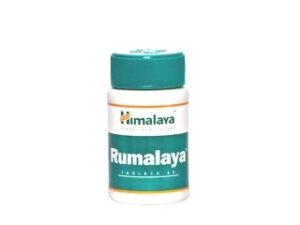

Rumalaya Fort (UK) — Patient-Friendly Guide
Rumalaya Fort is an oral medicine used for the relief of pain and inflammation associated with conditions such as osteoarthritis and musculoskeletal discomfort. It contains herbal and/or plant-based ingredients traditionally used for their supportive role in managing painful, inflammatory symptoms. This guide is designed to help you understand how Rumalaya Fort works, how to take it, what to expect, and key safety considerations for use in the United Kingdom.
Note: Product formulations can vary by country and manufacturing batch. Always check the specific strength, ingredients, and instructions printed on your pack or label, and follow the advice of your healthcare professional.
Key Product Information
- Product name: Rumalaya Fort
- Type: Oral pain relief and anti-inflammatory medicine
- Common uses: Joint pain, stiffness, and inflammatory musculoskeletal conditions
- How it’s taken: By mouth (tablets/capsules/sachets—depending on the exact pack)
- Suitable for: Adults in many cases (age eligibility should be checked on the label)
In the UK market: Availability may be through online pharmacies, specialist retailers, or import channels depending on regulatory status and stock. The way the product is presented (for example, “traditional herbal,” “wellbeing,” or as a registered medicine) may vary—so it’s important to check the product details on your chosen listing.
How Rumalaya Fort Works (Mechanism of Action)
Pain and inflammation in joint and musculoskeletal conditions often involve inflammatory chemical messengers (such as prostaglandins and related pathways) and immune responses that can contribute to swelling, tenderness, and stiffness.
Rumalaya Fort’s mechanism is generally described as a combination of anti-inflammatory and pain-relieving effects attributed to its active ingredients. While the exact molecular details may depend on the product’s specific ingredient profile, medicines of this category typically aim to:
- Reduce inflammation in affected tissues
- Support pain relief by reducing inflammatory signalling
- Improve functional comfort by helping to ease stiffness and movement-related discomfort
Some patients notice benefits within days, while others may require several weeks for more noticeable improvement—particularly for chronic joint conditions.
Pharmacokinetics (Absorption, Distribution, Metabolism, Excretion)
Pharmacokinetics describes what happens to a medicine in the body—how it is absorbed, how fast it reaches peak levels, how it is broken down, and how it is removed.
For many multi-ingredient herbal or traditional medicines, published pharmacokinetic data may be limited compared with single-ingredient pharmaceuticals. In practical terms, you can think of the process in these steps:
- Absorption: Active constituents are absorbed through the gastrointestinal tract after oral intake.
- Distribution: Components may distribute through body tissues, including areas affected by inflammation.
- Metabolism: Ingredients are processed primarily by the liver (metabolism may vary for different constituents).
- Excretion: Breakdown products are eliminated mainly via the kidneys (urine) and sometimes via bile/feces.
Practical implication: Because metabolism can vary between individuals (for example, due to liver function, age, and other medicines), the timing of relief may differ from person to person.
What Rumalaya Fort Is Used For (Indications)
Rumalaya Fort is commonly used for the relief of symptoms related to:
- Osteoarthritis (degenerative joint disease causing pain and stiffness)
- Musculoskeletal pain such as aches and discomfort from overuse
- Joint inflammation associated with inflammatory and painful conditions (as described on the product packaging)
- Stiffness that limits daily activities
If you are using Rumalaya Fort for a specific condition, check the product label and the online listing for the exact indications claimed for that specific formulation in the UK.
Typical Dosing & How to Take It
Important: Always follow the dosage instructions on the package for the exact strength you have. Dosing can vary by formulation and region.
General adult dosing (common practice):
| Population | Typical dose (check your pack) | Frequency | Timing within the day |
|---|---|---|---|
| Adults | As directed by pack label | Often 2–3 times daily | Usually spaced evenly across waking hours |
How to take:
- Swallow tablets/capsules with water.
- Try to take doses at consistent times each day.
- If you miss a dose, take it when you remember unless it is near the time of the next dose—then skip and resume your normal schedule.
Duration of use: Many people trial anti-inflammatory pain relief for a short period and review progress. If symptoms persist or worsen, seek advice from a healthcare professional.
When to Take Rumalaya Fort (Timing)
Rumalaya Fort is typically taken regularly to manage ongoing symptoms.
Common timing tips:
- Take it at roughly the same times daily for steady symptom control.
- If you experience stomach sensitivity, taking it with or after food may improve comfort (see food interaction section).
- For morning stiffness, taking a dose earlier in the day may help.
Food Interactions (Can You Take It With Meals?)
Food interactions can influence absorption and tolerability.
- With food: Many oral anti-inflammatory medicines are better tolerated when taken with food, especially if you’re prone to indigestion.
- Empty stomach: Some people may find they get less stomach discomfort by avoiding empty-stomach dosing.
Recommendation: If the label does not specify, consider taking Rumalaya Fort with a meal or after a snack, particularly during the first few days to see how your stomach reacts.
Alcohol and Medicine Interactions
Alcohol can affect how your body processes medicines and may worsen inflammation, sleep quality, and stomach irritation.
Alcohol:
- For safest use, it’s generally recommended to limit alcohol while taking pain and inflammation medicines.
- Heavy or frequent drinking may increase the risk of stomach upset and may affect liver metabolism.
Other medicines:
- If you take blood thinners (anticoagulants/antiplatelets), steroid tablets, or other anti-inflammatory or pain-relief medicines regularly, discuss with a healthcare professional or pharmacist before combining products.
- If you take medicines for diabetes, blood pressure, heart conditions, or liver disease, seek advice—because interactions may be possible with certain herbal ingredients.
- Always bring a list of all medicines and supplements to your pharmacist review.
Practical advice: Avoid starting new supplements (especially “joint” blends, herbal pain products, or high-dose antioxidants) without checking for possible additive effects.
Safety Profile: Who Should Be Careful?
Like all medicines, Rumalaya Fort can cause side effects, although not everybody gets them.
Common side effects
- Stomach upset, indigestion, nausea
- Heartburn or abdominal discomfort
- Headache in some users
Seek urgent advice if you experience
- Allergic reaction: swelling of face/lips, rash, severe itching, breathing difficulty
- Severe or worsening pain or symptoms
- Unexplained bruising or bleeding (if you take blood-thinning medicines)
- Signs of liver problems such as yellowing of eyes/skin, dark urine, persistent nausea/vomiting
Special caution groups
- Pregnancy and breastfeeding: Check with a healthcare professional before use.
- Children and adolescents: Use only if specifically approved for the age group on the label.
- Liver or kidney disease: Ask a pharmacist or clinician for advice.
- History of stomach ulcers/gastritis: Extra caution may be needed; food-with-dose strategy can help.
- Multiple medicines: If you take several prescription and over-the-counter products, a medication review is helpful.
Practical Use Tips (How to Get the Best Results)
For musculoskeletal conditions, the most effective approach usually combines medicine with sensible lifestyle measures.
- Use consistently: Take Rumalaya Fort regularly as directed rather than only when pain becomes severe.
- Track your symptoms: Note changes in pain, stiffness, and movement ability—use a simple scale (for example, 0–10).
- Stay active gently: Light, regular movement can reduce stiffness and support joint health. Consider physiotherapy exercises if appropriate.
- Apply heat or cold: Heat can help stiffness; cold can help flare-ups and swelling.
- Maintain a healthy weight: Reducing stress on weight-bearing joints may improve symptoms.
- Check footwear and posture: Supportive footwear and ergonomic habits can reduce day-to-day strain.
When to reassess: If you don’t notice any improvement after a reasonable trial period (as suggested by your healthcare professional or the product guidance), stop and seek advice. Persistent pain may require assessment for other causes.
Alternative Options (If Rumalaya Fort Isn’t Right for You)
Depending on your symptoms and medical history, alternatives for joint and musculoskeletal discomfort may include:
- Topical pain relief (gels/creams) for localised joint pain
- Paracetamol (acetaminophen) for pain relief
- NSAIDs such as ibuprofen or naproxen (where appropriate and safe for you)
- Physiotherapy and exercise programmes (core for long-term osteoarthritis management)
- Assistive devices (e.g., braces, orthotics) to reduce strain
- Other oral anti-inflammatory or herbal options (ensure you check ingredient overlap and interactions)
Choosing an alternative: Your best option depends on the type of pain, severity, other health conditions, and the medicines you already take.
UK Market & Legal/Quality Context (What to Expect)
In the United Kingdom, medicines and healthcare products are subject to regulatory oversight. Depending on how a product is classified and authorised, it may be:
- A medicine authorised under relevant UK frameworks
- A traditional herbal product with specified claims and documentation
- A supplement (with different expectations regarding evidence and claims)
What this means for you:
- Look for clear product labelling, ingredient lists, batch/lot details, and expiry dates.
- Use only reputable retailers and online pharmacies that display their compliance information.
- If you are unsure whether a product is authorised as a medicine in the UK, ask the seller to confirm the product category and regulatory status.
Recent guidance note: In recent years, UK healthcare guidance has consistently emphasised safe use of pain relief and anti-inflammatory treatments, careful consideration of gastrointestinal and cardiovascular risk (for NSAIDs), and prioritising non-drug measures like exercise and physiotherapy for osteoarthritis. Always follow the specific advice provided with your product and by your healthcare professional.
Delivery & Availability in the UK
Rumalaya Fort availability may vary by stock levels, supplier schedules, and whether the product is stocked locally or fulfilled through import routes.
- Delivery times: Typically depend on standard or express options selected at checkout.
- Packaging: Products are generally dispatched in secure, tamper-evident packaging suitable for postal delivery.
- Stock changes: Herbal medicines can experience periodic re-stocking delays. If you need it promptly, choose a retailer that clearly states delivery estimates.
- Expiry checks: Reputable online pharmacies should provide expiry/lot information or ensure products are within acceptable shelf-life.
Tip: If you have an upcoming activity or a flare-up you’re trying to manage, order in advance to avoid running out.
FAQ — Common Questions About Rumalaya Fort
1) How quickly will Rumalaya Fort work?
Some people notice symptom relief within the first few days, while others may take longer (often a couple of weeks) for clearer improvement—especially with chronic osteoarthritis-related pain. Consistent dosing and lifestyle measures can influence results.
2) Can I take Rumalaya Fort with other painkillers?
It may be possible, but it depends on what you’re taking and your health history. If you use regular pain-relief medicines (such as paracetamol or NSAIDs) or supplements, check for overlap and possible interactions with a pharmacist.
3) Should I take it with food?
Many users find taking it with food reduces stomach discomfort. If your pack provides specific instructions, follow those. If no instruction is provided, taking it after meals can be a practical starting approach.
4) Is it safe to drink alcohol while using Rumalaya Fort?
It’s generally best to limit alcohol while taking medicines for inflammation or pain. Alcohol can increase stomach irritation and may affect how your body handles medications. If you plan to drink, use moderation and consider your overall health and liver/stomach history.
5) What if I miss a dose?
Take it when you remember unless it’s close to the next scheduled dose. Do not take double doses to make up for a missed one.
6) Who should avoid or seek advice before using Rumalaya Fort?
People who are pregnant, breastfeeding, under the labelled age, or who have liver/kidney disease, stomach ulcer history, or significant medical conditions should seek advice before use. Also seek advice if you take multiple medicines or blood thinners.
7) What side effects should I watch for?
Watch for stomach upset, nausea, or headache. Seek medical help urgently for signs of allergy or severe/worsening symptoms, and for symptoms that could indicate liver problems (especially if you have risk factors).
8) Can I use it for long-term osteoarthritis?
Some people use medicines to manage ongoing symptoms. However, long-term use should be monitored—particularly if you don’t see improvement, if side effects occur, or if your condition changes. Long-term osteoarthritis management typically includes exercise and clinical review, not just medicine.
9) Are there alternative products if Rumalaya Fort doesn’t help?
Yes. Options may include topical treatments, paracetamol, NSAIDs (if safe for you), physiotherapy/exercise, or other anti-inflammatory herbal or non-herbal products. Your pharmacist can help compare options based on your symptoms and medicines.
10) How do I store Rumalaya Fort?
Store it according to the directions on the packaging. Keep it out of reach of children, away from excessive heat and moisture, and in its original container.
Final Advice
Rumalaya Fort may be a helpful option for people experiencing pain, stiffness, and inflammation related to joint and musculoskeletal conditions. For best results, take it as directed, consider using it with food if your stomach is sensitive, and pair it with gentle activity and supportive joint-care habits. If you have persistent symptoms, worsening pain, or any concerns about safety—especially if you take other medicines—seek advice from a qualified healthcare professional or pharmacist.