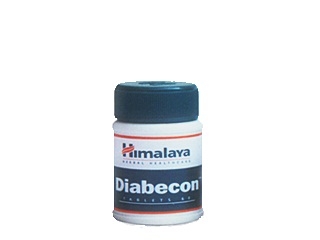

Diabecon (UK) – Patient-Friendly Guide
Diabecon is a natural medicine traditionally used to support healthy blood sugar levels. This guide explains what Diabecon is, how it may work, how it is typically taken, and the key safety and interaction information you should know before using it in the United Kingdom.
Always check the product label for the exact strength and directions for your specific pack. If you have any medical conditions or take other medicines, consider speaking to a pharmacist for advice tailored to you.
Quick Facts
- Product name: Diabecon
- Use: Supports healthy blood sugar levels
- Type: Herbal/natural supplement (marketed as a medicine in the UK as an “Ayurvedic”/herbal product)
- Common form: Tablets/capsules (varies by presentation)
- Target users: Adults seeking complementary support for blood glucose management
- Key cautions: Not a replacement for prescribed diabetes treatment; monitor blood sugar and watch for side effects or interactions
Basic Product Information
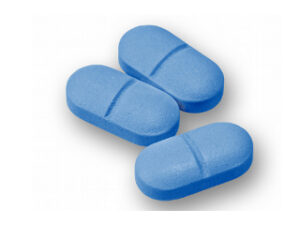
Diabecon is generally supplied as oral tablets (or similar solid forms depending on the manufacturer and pack). It is taken by mouth and is usually intended for ongoing use.
Important: Different markets and batches may have varying ingredients or strengths. For the most accurate information, refer to:
- The pack label for ingredients and strength
- The leaflet supplied with your product
- The UK product-specific listing on trusted pharmacy sites
| Category | Details (UK) |
|---|---|
| Route of administration | Oral (by mouth) |
| Typical duration | Long-term or course use, depending on advice and your blood sugar goals |
| Primary goal | Support healthy blood sugar levels |
| Who may use it | Adults seeking complementary support (avoid use in children unless specifically advised) |
| Where to check specifics | Pack label + enclosed patient information |
How Diabecon Works (Mechanism of Action)
Diabecon contains herbal ingredients used in traditional approaches to support glucose metabolism. While the exact mechanism can vary by formulation and is based on traditional use and available scientific evidence, the product is commonly associated with effects that may include:
- Supporting insulin activity: Some herbal preparations are thought to influence how the body responds to insulin.
- Helping glucose regulation: Ingredients may support normal glucose handling after meals.
- Potential effects on carbohydrate absorption: Certain plant-based ingredients are studied for their possible role in slowing digestion or absorption of carbohydrates.
- Anti-oxidant/anti-inflammatory support: Diabetes and metabolic conditions involve oxidative stress; some herbs may contribute to antioxidant activity.
What to expect: Diabecon is intended as complementary support. It may help some people maintain more stable blood sugar patterns, but results vary. If your blood sugar is high, you should seek appropriate medical guidance and continue any essential diabetes care plan.
Pharmacokinetics (How the Body Processes It)
Pharmacokinetics for herbal medicines like Diabecon can be complex because active constituents may include multiple compounds. In many cases, detailed pharmacokinetic data (absorption, distribution, metabolism, and excretion) may be limited compared with standard single-molecule medicines.
Generally, for oral herbal products:
- Absorption: The body may absorb active constituents after dissolution in the gastrointestinal tract.
- Distribution: Compounds may distribute through tissues where they may influence metabolic pathways.
- Metabolism: Active constituents may be metabolised by the liver and other tissues.
- Excretion: Metabolites are typically eliminated via urine and/or bile.
Because individual ingredients and concentrations differ by product batch and formulation, the onset and strength of effects can differ between users. This is one reason consistent use and blood sugar monitoring (where appropriate) are helpful.
Typical Use and Indications (What It’s For)
Diabecon is typically indicated for use in adults seeking support for healthy blood sugar levels.
In the UK, herbal medicines are often used as adjuncts alongside diet and lifestyle measures. Diabecon may be considered by people with:
- Prediabetes or impaired glucose regulation (as part of lifestyle support)
- Type 2 diabetes seeking complementary support to their broader management plan
- General metabolic health goals relating to glucose control
Clinical note: If you have diabetes, any change in symptoms or blood sugar readings should be discussed with a healthcare professional. Diabecon should not replace essential diabetes treatment where it is required.
Dosing (How to Take Diabecon)
The correct dose depends on the specific product strength and age group. Always follow the dosing instructions on your pack or the patient information leaflet provided with your Diabecon product.
Typical adult dosing (general guidance):
- Many users take Diabecon two to three times daily, commonly before meals.
- Some packs specify a particular number of tablets/capsules per dose.
To find your exact dose: check the label for:
- How many tablets/capsules per dose
- How often to take it
- Whether the leaflet instructs taking it with or without food
If you miss a dose: take it as soon as you remember unless it is close to the next dose. Do not take a double dose to make up for the missed one.
Timing – When to Take It
Diabecon is often recommended before meals to align with the time when food intake may influence blood sugar levels.
Practical timing tips:
- Take it shortly before breakfast and/or before lunch and dinner if your pack advises multiple daily doses.
- Try to take it at consistent times each day.
- If your stomach is sensitive, you may prefer a routine that avoids taking it on an entirely empty stomach—however, this should be balanced with the product instructions.
If you are also taking other glucose-lowering medicines, your pharmacist can help coordinate timing to reduce the risk of low blood sugar (hypoglycaemia).
Food Interactions (What to Know)
Because Diabecon is commonly taken around meal times, food may influence how it is taken and how comfortable it is for your digestion. Key considerations include:
- Taking before meals: often intended to support glucose control related to meals.
- Consistency matters: if you always take it before meals, your effect pattern is more predictable.
- Stomach sensitivity: some people find herbal tablets/capsules easier to tolerate with food.
General approach:
- Follow your product label instructions.
- If advised to take it before meals, avoid delaying doses without checking first.
- If you experience nausea or stomach upset, speak to a pharmacist before changing your routine extensively.
Alcohol and Medicine Interactions
Alcohol can affect blood sugar control and may increase health risks in people with diabetes or metabolic disease. While Diabecon itself may not have a single “universal” alcohol interaction, the broader safety considerations are important:
- Blood sugar swings: alcohol can cause blood glucose levels to rise or fall, depending on the type and amount, and whether you eat.
- Liver effects: alcohol can affect liver function, which is relevant to how many glucose-related processes work.
- Medication interactions: if you take insulin or glucose-lowering medicines, alcohol can increase hypoglycaemia risk in some situations.
Practical guidance:
- Limit alcohol and avoid binge drinking.
- Always eat when you drink alcohol (unless your clinician has advised otherwise).
- Monitor your blood sugar more closely if you choose to drink.
- If you plan regular alcohol use, discuss with a pharmacist or healthcare professional—especially if you take other diabetes medicines.
Other medicine interactions: Herbal products can interact with other medicines through effects on metabolism (for example via liver enzymes) or changes in blood sugar. Tell your pharmacist if you take:
- Insulin
- Metformin or other oral glucose-lowering medicines
- Blood pressure medicines
- Blood thinning medicines (anticoagulants/antiplatelets)
- Any medicine for cholesterol
- Frequent use of painkillers or steroids
If you have a condition affecting your kidneys or liver, ask a pharmacist before using Diabecon, as safety and tolerability may differ.
Safety Profile – Side Effects and When to Stop
Most people tolerate Diabecon well, but like all medicines (including herbal medicines), it can cause side effects in some users.
Common possible side effects
- Digestive upset: nausea, abdominal discomfort, bloating, or changes in bowel habits
- Headache (less common)
- Changes in appetite
Serious but rare reactions
- Allergic reactions such as rash, itching, swelling of the face/lips, or difficulty breathing
- Symptoms of low blood sugar (especially if taken alongside other glucose-lowering medicines): sweating, shakiness, dizziness, confusion, or palpitations
When to seek urgent help: if you develop signs of severe allergy or significant hypoglycaemia, seek urgent medical assistance.
Who should be cautious
- Pregnancy or breastfeeding: ask a healthcare professional before use.
- Children: do not use unless specifically advised by a qualified healthcare professional.
- People with liver or kidney disease: seek advice before starting.
- People on multiple glucose-lowering medicines: monitor blood sugar closely to reduce the risk of low blood sugar.
- History of allergies to any herbal ingredients in the product.
Practical Use Tips (How to Get the Best Experience)
- Start consistently: take Diabecon at the same times each day to help you assess whether it suits you.
- Monitor your results: if you have diabetes or prediabetes, consider tracking blood glucose as advised by your clinician.
- Don’t ignore warning signs: if you feel unwell or notice unusual symptoms, stop and seek advice.
- Support with lifestyle measures: stable blood sugar is strongly influenced by diet, weight management, physical activity, and sleep.
- Keep a routine around meals: if your pack suggests “before meals,” align your dosing with breakfast/lunch/dinner.
- Check labels every time: confirm the strength and dosing instructions on your particular pack.
Storage: follow the storage instructions on the pack (typically store at room temperature, away from moisture and direct sunlight, and keep out of reach of children).
Alternative Options (UK-Available Ways to Support Blood Glucose)
If you’re considering Diabecon, it may help to know what other options exist in the UK. Alternatives vary in evidence, regulation type, and suitability.
Diet and lifestyle measures (foundational)
- Lower-sugar, higher-fibre eating pattern (wholegrains, vegetables, legumes)
- Portion control and spacing carbohydrate intake through the day
- Regular physical activity (walking after meals can help some people)
- Weight management if appropriate
- Sleep and stress management
Other complementary approaches
- Other herbal or nutritional supplements (quality varies—check ingredients and reputable suppliers)
- Glucose monitoring support (where appropriate) to guide lifestyle changes
Standard diabetes care (if you have diabetes)
For diagnosed diabetes, approved medical treatments are designed to reduce long-term risk and manage blood sugar safely. Any complementary product should be used alongside—never instead of—your care plan, unless your healthcare professional advises otherwise.
Market and Legal Context in the United Kingdom
In the UK, medicines (including some herbal products marketed as medicines) must meet requirements for quality and safety. Herbal medicines may be:
- Registered or authorised under relevant UK regulatory pathways, or
- Available via specific traditional-use or product classifications depending on the exact product status.
Online pharmacies selling medicinal products must comply with applicable UK regulations on legitimate supply, labelling, and product information. Always choose reputable sellers and avoid counterfeit or unlabelled products.
Product accuracy: Check that the Diabecon you receive matches the description on the product page, including name, strength, and form.
Recent Guidance and Considerations (General UK Context)
Diabetes and blood sugar management guidance in the UK emphasises evidence-based treatment, early assessment, and personalised care. Key themes you should keep in mind:
- Monitoring and safety: If you use glucose-lowering medicines, monitor for hypoglycaemia when adding any supplement that may affect blood sugar.
- Lifestyle remains central: Diet, activity, weight, and smoking/alcohol reduction are strongly recommended.
- Whole-person approach: Cardiovascular risk management (blood pressure, cholesterol, smoking cessation) is important in diabetes care.
- Complementary products: Herbal products may be used by some people, but they should not delay appropriate evaluation or treatment.
Because regulation and public health messaging evolve, it’s wise to check with a pharmacist or healthcare professional if you are unsure whether Diabecon fits your situation.
Delivery and Availability (UK Online Pharmacy)
Diabecon is typically available through online pharmacies and specialist health retailers depending on stock and product listing status. Availability may change if packaging or formulation changes.
Delivery expectations
- Dispatch: orders are usually dispatched within the timeframe shown on the website (often same day or next working day for in-stock items).
- Delivery times: commonly 1–3 working days depending on the courier/service chosen.
- Tracking: many online pharmacies provide tracking details after dispatch.
What you should do on arrival
- Confirm the product name and strength match your order.
- Check expiry date and storage conditions.
- Keep packaging in case you need to refer to ingredients or dosing instructions.
FAQ – Frequently Asked Questions
Is Diabecon suitable for everyone with diabetes?
Not necessarily. People with diabetes—especially those taking insulin or other glucose-lowering medicines—should be cautious because Diabecon may influence blood sugar. Ask a pharmacist for advice if you’re on other diabetes medicines or have kidney/liver problems.
How long does it take to work?
Herbal medicines may take time to show noticeable effects. Some people notice changes within days to weeks, while others take longer. Consistent use and (if appropriate) blood sugar monitoring can help you evaluate response.
Should I take Diabecon before or after meals?
Many packs recommend taking it before meals. Follow your specific product label directions. If you experience stomach upset, ask a pharmacist before changing timing.
Can I take Diabecon with metformin or other diabetes medicines?
It may be possible, but you should be cautious. Combining products that may affect glucose levels could increase the risk of hypoglycaemia. Monitor your blood sugar and speak to a pharmacist for personalised guidance.
Will Diabecon cause low blood sugar?
Diabecon alone is less likely to cause severe hypoglycaemia in many people, but the risk can increase when used alongside insulin or other glucose-lowering medicines. Symptoms of low blood sugar include sweating, shakiness, dizziness, and confusion.
Can I drink alcohol while taking Diabecon?
You can generally choose to drink in moderation if it suits you, but alcohol can affect blood sugar and may increase risk—especially if you also take other glucose-lowering medicines. Avoid binge drinking, eat when drinking, and monitor your blood sugar if you can.
What should I do if I miss a dose?
Take it when you remember unless it’s nearly time for the next dose. Do not take a double dose to compensate.
Are there any known food or supplement interactions?
Specific interactions can depend on the exact formulation and the foods or supplements you use. Because blood sugar may be affected, be careful with other supplements marketed for glucose control. Tell your pharmacist about everything you take.
Can I take Diabecon if I’m pregnant or breastfeeding?
If you are pregnant or breastfeeding, ask a healthcare professional before using Diabecon to ensure the option is appropriate for your circumstances.
Where can I buy Diabecon in the UK?
Diabecon is often available from online pharmacies and reputable retailers. Choose suppliers that provide clear product information, correct labelling, and reliable delivery.
Summary
Diabecon is a complementary herbal medicine used to support healthy blood sugar levels. It is commonly taken before meals and may be used alongside diet and lifestyle measures. While many people tolerate it well, it can still cause side effects and may interact with other medicines, particularly those used for glucose control. If you have diabetes, take insulin or other glucose-lowering drugs, or have liver/kidney conditions, seek pharmacist guidance before starting or changing your routine.
Always follow the instructions on your pack and consult a qualified healthcare professional if you have any concerns.