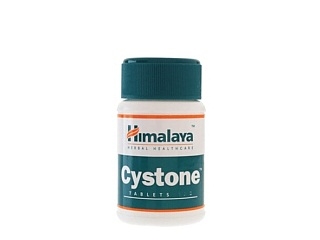
Cystone (Herbal Combination) — Patient Information (UK)
Cystone is an oral herbal combination product widely used in the United Kingdom for urinary tract and kidney-related comfort. This page explains how it works, how it’s typically used, and important safety, interaction, and practical guidance for everyday use.
Note: Brand formulas can vary by manufacturer and country. Always check the exact product leaflet or label for the specific ingredients and strengths in your pack.
Basic product information
- Product name: Cystone
- Type: Oral herbal medicine (combination)
- Common presentation: Tablets or sachets/capsules depending on the manufacturer and market
- Target area of use: Urinary tract comfort and supportive care
- Typical availability in the UK: Sold by online pharmacies and some retailers; availability may vary by stock
What’s inside? Cystone generally contains a blend of traditional herbal ingredients. The exact composition may vary. For the safest use, confirm the ingredients listed on your specific box/bottle.
How Cystone works (mechanism of action)
Because Cystone is a multi-ingredient herbal medicine, its effects are described in terms of overall supportive mechanisms rather than a single isolated pathway. Depending on the herbal constituents, it may help by:
- Supporting urinary system function: Helping maintain comfortable urine flow and urinary tract conditions.
- Anti-inflammatory support: Some herbal components may help soothe irritation and inflammation in the urinary tract.
- Antioxidant and tissue-support actions: Certain ingredients may contribute antioxidant activity that supports normal tissue health.
- Supporting urine chemistry: Herbal blends used for urinary comfort may influence urinary pH and mineral-related conditions in some people.
Important: Cystone is typically used to support symptoms and recovery associated with urinary discomfort. It is not a substitute for urgent medical assessment if symptoms are severe or rapidly worsening.
Typical use in the UK
In practice, Cystone is commonly used for conditions that involve urinary tract irritation or support around kidney/urinary stone concerns. People may use it for:
- Urinary discomfort (burning, mild irritation)
- Support in stone-prone situations where clinicians recommend dietary and supportive strategies
- Comfort during recurrent urinary flare-ups (as an adjunct to appropriate evaluation)
Indications vary: The exact authorised indications may differ by product registration status. Always refer to the leaflet included in your pack or the product listing from your pharmacy for the most accurate information for your specific item.
When to take it (timing)
Many people take Cystone regularly for symptom support, often as a course rather than a single dose. Timing guidance commonly includes:
- Take at the same times each day to maintain consistent levels of active herbal constituents.
- After meals may help reduce stomach upset for some herbal products.
- Finish the full course if symptoms are settling but haven’t fully resolved.
If you’re unsure how to time your doses, check the “How to take” section in the pack leaflet or speak with a pharmacist.
Dosing (typical adult regimen)
Always follow the dose on your product label or leaflet. Dosing can vary by strength and presentation.
For many Cystone products used in the UK market, common adult instructions are:
- Adults: Typically taken two to three times daily, depending on the specific formulation.
- Children: Only use under professional advice, and only if the product leaflet allows paediatric use.
- Duration: Often taken for a few weeks for supportive management; longer courses may be advised for recurring issues.
Missed dose: If you miss a dose, take it when you remember unless it’s close to the next dose. Don’t take a double dose to make up for the missed one.
Food interactions
Herbal medicines can interact with food and digestion in a few ways—mainly by affecting how well ingredients absorb in the gut or by reducing irritation.
General guidance:
- Take with or after food if your stomach is sensitive.
- Stay hydrated unless you’ve been advised to restrict fluids.
- If you’re also taking other medicines, try to space doses by about 1–2 hours as a precaution (especially for medicines with narrow absorption windows).
What to watch for: If you notice nausea, stomach cramps, or worsening urinary discomfort after starting Cystone, consider stopping and seek pharmacy advice.
Alcohol and medicine interactions
Alcohol: There is no single universal rule for herbal products, but alcohol may worsen dehydration or irritate the bladder in some people. If you have urinary symptoms, it’s generally sensible to:
- Limit or avoid alcohol while symptoms are active.
- Drink water to support urinary comfort.
Medicine interactions: The herbal ingredients may theoretically interact with some medicines. Known interactions depend on formulation and patient factors. For safer use:
- Inform your pharmacist of all medicines you take, including herbal remedies and supplements.
- Be cautious if you take medicines for kidney function, urine pH manipulation, or diuretics.
- If you’re taking warfarin or other anticoagulants, or medicines that require regular blood monitoring, request interaction advice before starting.
Seek advice promptly if you develop unusual bruising, rash, swelling, breathing difficulties, or severe gastrointestinal symptoms.
Pharmacokinetics (how the body handles Cystone)
Pharmacokinetics refers to how a medicine is absorbed, distributed, metabolised, and eliminated. For multi-ingredient herbal medicines, detailed pharmacokinetic profiling for each ingredient may not be fully established in the public domain.
In general terms for herbal combinations:
- Absorption: Active constituents may be absorbed from the small intestine and/or released through digestion; bioavailability can vary between individuals.
- Metabolism: Herbal constituents are often metabolised in the liver and other tissues, producing metabolites with potentially different activity.
- Excretion: Many metabolites are excreted through urine and/or bile. This is one reason urinary-support products are often aligned with supportive urinary outcomes.
Why this matters for patients: Effects may build over several doses. This is common with supportive herbal medicines, and symptom improvement may not be immediate.
Indications and when you should seek medical help
Cystone is commonly used for supportive care relating to urinary discomfort and kidney/urinary stone-related concerns. However, urinary symptoms can have many causes, some of which require specific treatment.
Seek urgent medical advice if you have:
- Fever, chills, or feeling very unwell
- Flank or back pain (especially one-sided), severe pain, or vomiting
- Blood in urine
- Symptoms lasting longer than a few days without improvement
- Pregnancy, kidney disease, or significant immunosuppression
Talk to a clinician if you have recurrent urinary tract infections, known kidney stones, or persistent burning/urgency.
Safety profile (side effects and precautions)
Most people tolerate Cystone well when used as directed. Because it is herbal, side effects are usually mild and related to digestion or sensitivity. Nevertheless, all medicines can cause adverse effects.
Common side effects
These may include:
- Mild stomach discomfort
- Nausea or upset stomach
- Occasional changes in bowel habits
Serious or allergy-type reactions (rare)
Stop the product and seek medical help urgently if you experience:
- Swelling of the face, lips, tongue, or throat
- Hives, widespread rash, or severe itching
- Difficulty breathing or wheezing
Who should be extra cautious
- People with allergies to herbal ingredients or excipients in the product
- Pregnancy and breastfeeding: Use only if the leaflet supports it and after pharmacist/clinician advice.
- Children: Only if explicitly approved for paediatric use in the leaflet and with correct dosing.
- Kidney impairment: Seek advice before use, especially if you have reduced kidney function.
When to stop and get advice
- Symptoms worsen or fail to improve
- You develop new fever, severe pain, or blood in urine
- You suspect a medication interaction
Practical use tips
To get the most from supportive urinary medicines like Cystone, consider the following practical measures:
- Hydrate well: Unless you’ve been told to restrict fluids, drink enough to keep urine pale yellow.
- Avoid bladder irritants: Reduce caffeine, fizzy drinks, and alcohol during active symptoms.
- Maintain hygiene: Good toileting hygiene can help reduce irritation.
- Don’t ignore red flags: Severe pain, fever, or blood in urine needs clinical assessment.
- Keep a symptom diary: Track severity, triggers, and frequency—useful for clinicians if symptoms recur.
Course approach: If you’re using Cystone for supportive management, give it time as recommended on the pack. Stopping too early may reduce the benefit you hoped to achieve.
Alternative options (UK)
Depending on your symptoms, other approaches may be suitable. Options include:
- Water and self-care measures for mild, short-lived irritation
- Pharmacy urinary alkalinisers or symptom-relief products (where appropriate)
- Evidence-based management for recurrent UTIs guided by a clinician
- Stone prevention strategies (dietary changes, fluid intake, and clinician-led risk assessment)
Important: Urinary symptoms can mimic one another. If you’re unsure whether your symptoms match a mild irritation or a bladder/kidney infection, speak with a pharmacist or clinician.
UK market and legal context
In the UK, herbal and traditional medicines are regulated under specific frameworks that can differ from licensed conventional medicines. Products may be:
- Traditional herbal medicines with evidence supporting traditional use
- Herbal medicinal products with varying levels of regulatory assessment
- Food supplements (different claims and regulatory standards)
What to check on the label:
- Product category (for example, herbal medicine vs supplement)
- Active ingredients and amounts (as stated)
- Authorised indications and “how to take” instructions
- Warnings and contraindications
Online pharmacies should provide accurate information aligned with UK regulatory requirements. If you’re using Cystone in a medical context, ensure your product information matches the specific item supplied.
Recent guidance (general UK urinary advice)
UK guidance for urinary symptoms typically emphasises:
- Early assessment of red flags (fever, flank pain, blood in urine)
- Appropriate antimicrobial use when a bacterial infection is suspected
- Recurrent UTI evaluation rather than repeated self-treatment
- Stone-related symptoms prompting medical review if pain is significant or symptoms persist
Supportive herbal medicines may help with comfort for some people, but they do not replace evaluation where infection or kidney involvement is possible.
Delivery and availability in the UK
Delivery availability depends on the online pharmacy and stock level. Many UK online pharmacies offer:
- Home delivery to UK addresses
- Standard and express options at checkout
- Tracking for dispatched orders
- Careful packaging to protect tablets/capsules from damage
Stock updates: Herbal products may occasionally be temporarily out of stock due to supply chain demand. If Cystone is unavailable, the pharmacy may suggest an alternative or notify you when it returns.
Storage: Keep in the original packaging, away from heat and moisture, and follow the “Store below/keep out of reach” instructions on the pack.
Product details at a glance
| Feature | What it means for you |
|---|---|
| Type | Oral herbal combination product for urinary comfort/support |
| Typical use | Support during urinary tract irritation and related stone-prone concerns (as directed by your pack) |
| How to take | Follow the label/leaflet; many people take it in divided doses across the day |
| Timing | Consistent daily dosing; after meals may reduce stomach upset |
| Food interactions | Generally better with food if you have a sensitive stomach; space from other medicines if needed |
| Alcohol | Limit/avoid alcohol during active urinary symptoms to reduce bladder irritation and dehydration |
| Safety | Usually well tolerated; seek help for allergy-type symptoms or severe/worsening signs |
FAQ
1) What is Cystone used for?
Cystone is used as a supportive herbal medicine for urinary tract comfort and related kidney/urinary stone concerns, depending on the authorised indications for your specific pack. If your symptoms suggest infection or kidney involvement, seek medical advice.
2) How soon will I feel better?
Some people notice comfort within a few days, while others need a longer course. Because it’s supportive in nature and multi-ingredient, consistent dosing as directed is important.
3) Can I take Cystone with other medicines?
In general, you can take it alongside other medicines, but interactions can’t be ruled out for every individual. Tell your pharmacist about all medicines and supplements you use. As a precaution, consider spacing doses by 1–2 hours unless your clinician advises otherwise.
4) Should I avoid alcohol while taking Cystone?
It’s sensible to limit alcohol if you have urinary symptoms, since alcohol can worsen dehydration and may irritate the bladder. Use your personal risk judgement and seek advice if you’re unsure.
5) What if I forget a dose?
Take it when you remember unless it is close to the time for your next dose. Do not take a double dose.
6) Is Cystone suitable for everyone?
Not necessarily. Check the leaflet for warnings related to allergies, kidney function, pregnancy/breastfeeding, and age. If you have kidney disease or recurrent severe symptoms, ask a pharmacist for personalised advice.
7) What symptoms mean I should stop and get medical help?
Stop and seek urgent medical advice if you develop fever, severe flank/back pain, vomiting, blood in urine, difficulty breathing (possible allergy), or rapidly worsening symptoms.
8) Can Cystone help prevent kidney stones?
Supportive products may be used alongside clinician-led prevention strategies, such as hydration and dietary changes. Stone prevention is individual—your risk factors determine the best approach.
9) Are there any food restrictions?
Usually none specific. If you have a sensitive stomach, take it with food. Maintain adequate hydration.
10) Is it available for delivery across the UK?
Many UK online pharmacies deliver nationwide, subject to stock and courier service areas. Delivery options and dispatch times are shown during checkout.
Final reminder: Always read the package leaflet for the exact dosing and warnings for the Cystone product you receive. If you’re unsure about your symptoms or how Cystone fits your health situation, consult a pharmacist.