
VPXL (Medicinal Product) – Patient Information for the United Kingdom
VPXL is a medicine used for the treatment of specific medical conditions. This guide is written to help you understand what VPXL is, how it works, how it’s usually taken, and what to watch for. It is designed for patient-friendly reading and is suitable for general information purposes.
Important: Always follow the instructions given by your healthcare professional and the information provided with your medicine. If you are unsure about how to take VPXL, ask a pharmacist or clinician.
1. Basic product information
- Medicinal name: VPXL
- What it is: A prescription medicine (specific strength/form may vary by product presentation)
- Who it’s for: Adults (and in some cases older adolescents) for specific approved indications
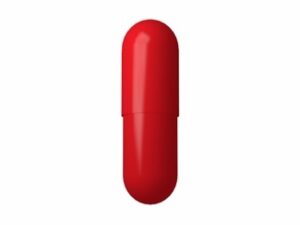
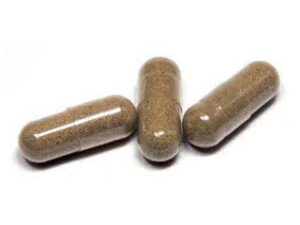
- Common form: Tablets or capsules / modified-release formulation depending on the specific VPXL presentation (check your pack)
- Manufacturer/marketing authorisation holder: Varies by product presentation (check your pack for exact details)
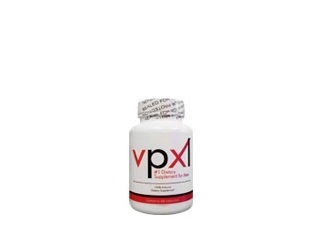
How to identify your exact product: Look at the strength and formulation on the outer carton and blister. Different strengths may require different dosing schedules.
2. How VPXL works (mechanism of action)
The mechanism of action of VPXL depends on its active ingredient and formulation. In general, medicines in this class aim to:
- Target a specific pathway in the body related to the condition being treated.
- Reduce symptoms and improve disease control by acting at the site of action.
- Improve clinical outcomes such as symptom frequency, severity, or progression (depending on indication).
For the most accurate mechanism relevant to your specific VPXL product, refer to the Patient Information Leaflet (PIL) supplied with your medicine or ask your pharmacist to explain it in plain language.
3. Indications – what VPXL is used for
VPXL is used for conditions where your clinician judges it is appropriate based on your symptoms, medical history, and other factors.
Common indications may include:
- Treatment of a specific condition affecting neurotransmission, circulation, inflammation, or metabolism (depends on active ingredient)
- Short-term management or long-term control, depending on the condition
- Prevention of symptom recurrence in suitable patients (where authorised)
Check your pack/PIL for the exact licensed indication(s) for your VPXL strength and formulation.
4. Typical dosing and timing
Dosing depends on your diagnosis, age, kidney/liver function, other medicines, and how you respond. For safety and effectiveness, it’s essential to follow your individual plan.
4.1 Usual starting dose
Many medicines are started at a standard dose and then adjusted if needed. Your clinician will specify the exact dose and schedule on your instructions and the medicine label.
4.2 Ongoing dose (maintenance)
Some patients require continued dosing to maintain benefit. Others may use VPXL only for a limited period.
4.3 Missed dose guidance
- If you miss a dose, take it as soon as you remember if it is still close to the scheduled time.
- If it is nearly time for your next dose, skip the missed dose and continue as normal.
- Do not double your dose unless your clinician or pharmacist tells you to.
4.4 Practical timing tips
- Choose a time that fits your routine and aim to take VPXL at the same time each day.
- If the medicine is intended as once daily, try to take it at a consistent time.
- If it’s a multi-dose regimen, set alarms to reduce missed doses.
Special note on modified-release formulations: If your VPXL product is extended-release or modified-release, follow the swallowing instructions carefully. Do not crush, break, or chew unless the PIL explicitly allows it.
5. How to take VPXL (practical use tips)
- With water: Take VPXL with a full glass of water unless your clinician advises otherwise.
- Swallow whole: If tablets/capsules are not intended to be split, swallow them whole.
- Consistency: Use a consistent schedule regarding meals if food affects absorption.
- Store properly: Keep in the original packaging, away from moisture and excessive heat.
If you have difficulty swallowing tablets, speak to a pharmacist. They can advise whether an alternative formulation is available or whether there is a safe way to take it based on the specific product.
6. Mechanism-related pharmacokinetics (how the body handles VPXL)
Pharmacokinetics describes what the body does to a medicine—absorption, distribution, metabolism, and excretion. The exact parameters depend on the active ingredient and formulation.
6.1 Absorption
- VPXL is absorbed through the gastrointestinal tract.
- Absorption may vary with food intake, stomach pH, and gastrointestinal conditions.
6.2 Distribution
- The medicine distributes into tissues according to its properties.
- Some medicines bind to plasma proteins; this can influence drug levels and interactions.
6.3 Metabolism
- VPXL may be metabolised mainly by liver enzymes (commonly involving pathways such as CYP systems—exact pathway depends on the active ingredient).
- Some medicines can affect these enzymes and therefore alter VPXL levels.
6.4 Elimination
- Metabolites and/or the active drug are eliminated primarily via kidneys and/or bile/faeces.
- Kidney or liver impairment can change exposure and may require dose adjustment.
Why this matters: Understanding pharmacokinetics helps explain why food and other medicines can change how well VPXL works.
7. Food interactions
Food can affect the absorption and effectiveness of many medicines, including VPXL (depending on formulation and active ingredient).
7.1 General guidance
- Take VPXL as directed on the label/PIL regarding whether it should be taken with or without food.
- If the PIL says to take with food, doing so may improve absorption and reduce stomach-related side effects.
- If the PIL says to take on an empty stomach, avoid eating for the recommended period around the dose.
7.2 Typical food types to consider
- High-fat meals may change absorption for some medicines.
- Grapefruit can interact with certain medicines via liver metabolism (check PIL or ask a pharmacist).
- Large amounts of antacids or mineral supplements (e.g., aluminium, magnesium, iron, calcium, zinc) may affect absorption of some drugs.
If you regularly take supplements or antacids, ask your pharmacist how to separate them from VPXL (for example, by spacing doses by a number of hours).
8. Alcohol and medicine interactions
8.1 Alcohol
Alcohol can worsen side effects such as:
- sleepiness or dizziness
- stomach irritation or nausea
- impaired coordination
General recommendation: It’s safest to limit alcohol while taking VPXL, and avoid heavy drinking. If you plan to drink alcohol, discuss this with your clinician or pharmacist—especially if you have liver disease or take other medicines that also affect the brain or sedation.
8.2 Interactions with other medicines
VPXL may interact with other medicines. These interactions can:
- increase or decrease VPXL levels in the body
- raise the risk of side effects
- reduce effectiveness
Be particularly cautious (and inform your pharmacist/doctor) if you take:
- Other prescription medicines (including strong painkillers, antidepressants, anti-epileptics, anticoagulants)
- Over-the-counter medicines (e.g., cold/flu remedies)
- Herbal products (e.g., St John’s Wort)
- Medicines affecting liver enzymes or kidney function
Tip: Keep an up-to-date list of everything you take and show it to your pharmacist. This reduces the chance of missed interactions.
9. Safety profile and side effects
Like all medicines, VPXL can cause side effects. Not everyone experiences them. Side effects may be more common when starting treatment or after dose changes.
9.1 Common side effects
These may be mild to moderate and often improve as your body adjusts:
- headache
- nausea or upset stomach
- dizziness or tiredness
- sleep disturbances (either insomnia or drowsiness, depending on the medicine)
9.2 Less common but important side effects
- changes in mood or behaviour
- rash or skin reactions
- unusual bruising or bleeding (if relevant to the medicine)
- changes in heart rhythm sensations (palpitations) or blood pressure (where applicable)
9.3 Seek urgent medical advice if
Contact emergency services or seek urgent help if you develop signs of a serious allergic reaction such as:
- swelling of the face, lips, tongue, or throat
- difficulty breathing
- severe rash or widespread hives
Also seek urgent advice for severe symptoms such as chest pain, fainting, severe persistent vomiting, or symptoms suggesting serious liver problems (e.g., yellowing of the skin/eyes).
9.4 Safety considerations for specific groups
- Pregnancy and breastfeeding: Discuss VPXL with your clinician if you are pregnant, trying to conceive, or breastfeeding. Advice may vary by indication and active ingredient.
- Children and adolescents: Use in younger age groups depends on the product licence and clinical assessment.
- Elderly patients: Dose and monitoring may need adjustment due to kidney/liver changes and sensitivity to side effects.
- Kidney or liver disease: Exposure may change; your clinician may require monitoring or dose adjustments.
10. Monitoring and when to contact your healthcare team
Your clinician may request follow-up appointments or monitoring based on your condition and risk factors.
Contact your healthcare team promptly if you:
- experience side effects that are persistent, worsening, or interfere with daily life
- notice new symptoms after starting or changing VPXL dose
- think you may be taking interacting medicines (including supplements)
- have vomiting/diarrhoea that could affect absorption
11. Alternative options
Depending on why you are taking VPXL, there may be other medicines with similar or different mechanisms. Alternatives may include:
- Different brands or strengths of the same active ingredient
- Other medicines in the same class (if appropriate)
- Non-drug approaches (where relevant), such as lifestyle or therapy-based strategies
Ask your pharmacist or clinician if you want to know about suitable alternatives for your specific condition—especially if you have side effects or concerns about interactions.
12. UK market and legal context (availability and responsible use)
In the United Kingdom, medicines are regulated to ensure they are used safely and appropriately. Availability of VPXL depends on:
- Licensing status (approved indications and formulations)
- Classification (for example, prescription-only where applicable)
- Supply arrangements with authorised wholesalers and pharmacies
Online pharmacies must operate within UK legal and regulatory requirements, and medicines should only be supplied by authorised providers. Always ensure you are ordering from a reputable, authorised pharmacy website.
Recent guidance and updates (general): UK healthcare guidance often emphasises medication safety, checking interactions, avoiding duplication, and reviewing ongoing need. During times of medicine shortages, supply may change—your pharmacist can advise on availability and suitable alternatives if needed.
13. Delivery and availability (UK)
Availability and delivery times can vary depending on stock levels and your location within the UK.
13.1 What to expect
- Processing time: Orders are typically processed during working hours.
- Delivery time: Many UK deliveries aim for a next-day or standard delivery timeframe (check at checkout).
- Packaging: Medicines are usually dispatched in protective, tamper-evident packaging.
13.2 If VPXL is temporarily unavailable
If the specific strength or formulation is out of stock, the pharmacy may:
- notify you of an estimated restock date
- offer a suitable alternative where clinically appropriate
- arrange a substitute product consistent with your treatment plan
Tip: If you have a tight treatment schedule, contact customer support to confirm stock before placing an order.
14. Summary of key points
- VPXL is a medicine used for specific medical indications depending on its active ingredient and formulation.
- It works by targeting a biological pathway related to the condition.
- How your body absorbs and processes VPXL can be influenced by food and other medicines.
- Follow dosing instructions carefully and do not change dose without medical advice.
- Watch for side effects and seek urgent help for signs of serious allergic reactions or severe symptoms.
- Check interactions, including alcohol and supplements.
15. FAQ – VPXL
What is VPXL used for?
VPXL is used for particular medical conditions as indicated on the medicine’s licence and your prescribed treatment plan. Check the Patient Information Leaflet (PIL) included with your medicine or speak to your pharmacist for the exact indication for your product.
How should I take VPXL?
Take VPXL exactly as directed on your label or in the PIL. Use the recommended timing (with or without food) and swallow tablets/capsules whole if the PIL states so. If you have modified-release tablets, do not crush or chew unless explicitly allowed.
Can I take VPXL with food?
It depends on your specific VPXL formulation and active ingredient. Some medicines are better taken with food, while others require an empty stomach. Follow the instructions on your pack. If in doubt, ask a pharmacist.
What happens if I miss a dose?
Take it when you remember if it is close to the scheduled time. If it’s almost time for your next dose, skip the missed dose. Do not double up unless instructed.
Can I drink alcohol while taking VPXL?
Alcohol may worsen side effects such as dizziness, drowsiness, and stomach upset. For safety, limit alcohol and avoid heavy drinking. If you want to drink, check with your pharmacist—especially if you take other medicines that also affect the brain or liver.
Does VPXL interact with other medicines?
Yes, VPXL can interact with other prescription medicines, over-the-counter products, and supplements. Always inform your pharmacist/doctor about everything you take so they can check for interaction risk.
What side effects should I watch for?
Common side effects can include headache, nausea, dizziness, or tiredness (depending on the active ingredient). Seek urgent help for serious allergic reactions (such as swelling or difficulty breathing) or severe/worsening symptoms.
Is VPXL safe for everyone?
Not necessarily. Safety depends on your health history, age, kidney/liver function, pregnancy/breastfeeding status, and other medicines. Discuss your circumstances with a clinician or pharmacist.
How long does it take to work?
Some effects may be noticed quickly, while full benefit can take days to weeks depending on the condition and formulation. Your clinician can provide a realistic timeline for your specific use.
Are there alternatives if I can’t tolerate VPXL?
There may be other medicines or approaches depending on your condition. Speak to your pharmacist or clinician about suitable alternatives, especially if side effects occur.
How do I order VPXL online in the UK?
Order only from authorised online pharmacy providers. Delivery times and availability can vary. If you have any questions about stock or your delivery, contact the pharmacy support team.
Disclaimer: This page provides general patient information. It does not replace medical advice, diagnosis, or treatment. Always read the Patient Information Leaflet included with your medicine and consult a healthcare professional for advice tailored to you.