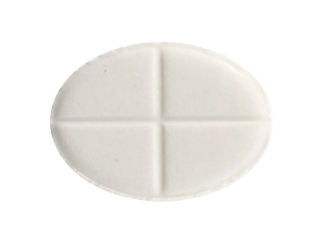

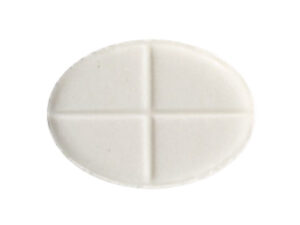
Medrol (Methylprednisolone) – Patient-Friendly Guide (UK)
Medrol contains methylprednisolone, a corticosteroid medicine used to reduce inflammation and calm an overactive immune response. It is commonly prescribed for a range of inflammatory, allergic, and autoimmune conditions. This page explains how Medrol works, how it is typically used, important safety information, and practical guidance for living with treatment in the United Kingdom.
Important: Corticosteroids can be very effective, but they must be used carefully. The right dose and duration depend on your condition, response, and medical history.
Basic Product Information
- Active ingredient: Methylprednisolone
- Medicine type: Corticosteroid (glucocorticoid)
- Common formulation: Tablets (strengths vary by product pack)
- How it works: Reduces inflammation and modifies immune responses
- Brand name in the UK: Medrol
- Where it is used: UK healthcare settings for inflammatory and immune-related disorders
How Medrol Works (Mechanism of Action)
Methylprednisolone belongs to the glucocorticoid family of corticosteroids. It helps control symptoms by influencing gene activity in many cells—particularly immune cells and inflammatory mediators.
Key actions include:
- Anti-inflammatory effects: Decreases production of inflammatory chemicals (cytokines and other mediators).
- Immune modulation: Reduces excessive immune activity and dampens immune cell activation.
- Reduced swelling and tissue irritation: Can quickly improve symptoms such as pain, swelling, redness, and stiffness.
- Stabilising effects on blood vessels: May reduce leakiness of small blood vessels, lowering inflammation-related fluid accumulation.
Depending on the condition, Medrol may improve symptoms within hours to days, but full benefits may take longer—especially in chronic inflammatory diseases.
Pharmacokinetics (How Your Body Handles Medrol)
Pharmacokinetics describes how the body absorbs, distributes, metabolises, and eliminates a medicine.
- Absorption: Methylprednisolone is absorbed after oral dosing.
- Distribution: It distributes into body tissues and binds partly to plasma proteins.
- Metabolism: Mainly metabolised in the liver.
- Elimination: Metabolites are excreted primarily through the kidneys.
- Duration of effect: The clinical effect can last longer than the measurable plasma level because steroids affect inflammatory pathways.
Individual response varies. Factors such as liver function, other medicines, infection status, and dose can influence exposure and effect.
Typical Uses in the UK
Medrol is used for conditions where reducing inflammation or suppressing an overactive immune response is beneficial. Doctors may use it for short courses during flares or longer courses in selected situations.
Common indications include:
- Severe allergic reactions and inflammatory allergic conditions
- Autoimmune disorders and inflammatory rheumatic conditions
- Asthma flare-ups (often as part of a short course plan)
- Skin conditions with inflammatory components
- Gastrointestinal inflammatory diseases (selected cases)
- Respiratory inflammatory conditions (in line with specialist guidance)
- Other inflammatory conditions where a clinician judges benefits outweigh risks
Note: Exact approved indications can vary by product and licensing details. Your clinician will align treatment with your diagnosis and overall risk profile.
When to Take Medrol (Timing and Daily Schedule)
Many patients are advised to take Medrol once daily, often in the morning, because this better matches the body’s natural cortisol rhythm and may reduce some side effects.
General timing tips:
- Morning dosing: Often recommended to reduce insomnia and improve tolerability.
- With breakfast or after food: Can improve stomach comfort and reduce irritation.
- If multiple doses are prescribed: Follow the schedule exactly as instructed.
- Do not change the dose early: Steroid plans often require gradual adjustment.
If you are unsure about your dosing schedule, check the label or speak with a qualified healthcare professional.
Food Interactions and Dietary Considerations
Food does not typically “cancel out” methylprednisolone, but it can influence how comfortable you feel while taking it.
Practical food guidance:
- Take with food (or immediately after) if it upsets your stomach.
- Stable meals help: If you have blood sugar concerns, eating regularly can reduce fluctuations.
- Salt and fluid awareness: Corticosteroids can cause fluid retention in some people. If you need to limit salt (for blood pressure or fluid control), follow your clinician’s advice.
- Potassium considerations: Steroids may lower potassium in some cases, especially at higher doses. Don’t take potassium supplements unless advised.
Grapefruit and certain foods: Grapefruit can affect the metabolism of some medicines. While methylprednisolone is not the same as every “CYP-sensitive” drug, it may still be prudent to avoid large grapefruit intake and ask your clinician if you eat it frequently.
Alcohol and Medicine Interactions
Alcohol: Drinking alcohol while taking Medrol may increase the risk of stomach irritation and can worsen sleep, mood, and blood sugar control. It may also add stress to the liver. If you drink alcohol, keep it minimal and discuss safe limits with your healthcare professional—especially if you have liver disease, a history of ulcers, or diabetes.
General interaction principles: Corticosteroids can interact with several medicines. The most important interactions include enzyme inducers and inhibitors, anticoagulants, diabetes medicines, infection-related treatments, and vaccines.
Common medicine interaction categories (examples)
- Non-steroidal anti-inflammatory drugs (NSAIDs) (e.g., ibuprofen, naproxen): higher risk of stomach irritation/bleeding when combined.
- Anticoagulants (e.g., warfarin): steroids may alter bleeding risk and INR; monitoring may be needed.
- Diabetes medicines (including insulin and tablets): methylprednisolone can raise blood sugar.
- Antiepileptics (e.g., phenytoin, carbamazepine): may reduce steroid effect.
- Antibiotics/antifungals: some can increase steroid levels by affecting metabolism (your clinician/pharmacist will check specifics).
- Vaccines: live vaccines may be discouraged during moderate to high steroid doses or prolonged use (timing depends on dose and duration).
This list is not exhaustive. Always review your current medicines (including herbal products) with your pharmacist or doctor.
Indications and Treatment Planning
Your clinician selects Medrol based on the underlying condition and how quickly you need symptom relief. Steroids are often used as:
- Short courses to settle flares or acute inflammation
- Bridging therapy while slower-acting treatments take effect
- Briefer “pulse” or tapering regimens for certain specialist conditions
- Longer courses in selected diseases, with the aim to use the lowest effective dose for the shortest feasible time
Why tapering matters: Long-term or higher-dose steroids can suppress the body’s natural cortisol production. Stopping suddenly can be dangerous. Your clinician will provide a taper plan if needed.
Dosing – What’s Typical?
Dosage varies widely. The right dose depends on the condition, severity, your response, and your medical history. Always follow your dosing schedule exactly as provided on your medicine label.
How dosing is often approached:
- Lowest effective dose to control symptoms.
- Shortest duration that achieves treatment goals.
- Adjustments over time based on response and side effects.
- Tapering may be required, particularly after prolonged use.
Practical examples: Some patients may take a short, once-daily course for a flare, whereas other inflammatory conditions may require specialist dosing strategies. Your clinician will tailor the regimen to you.
If you miss a dose: Take it when you remember unless it is close to the next dose. Do not double up. If you are uncertain, ask your pharmacist for advice.
Safety Profile – Common and Serious Side Effects
Most side effects are dose- and duration-dependent. Many people experience mild effects, especially during short courses. With longer use or higher doses, risks increase.
Common side effects
- Increased appetite and weight changes
- Indigestion or stomach irritation (especially if taken without food)
- Changes in sleep (e.g., insomnia)
- Mood changes (feeling irritable, anxious, or “wired”)
- Fluid retention (puffiness) in some people
- Headache
- Raised blood sugar (important for people with diabetes or pre-diabetes)
- Higher blood pressure in some people
Less common but important risks (especially with longer courses)
- Increased susceptibility to infection (steroids can lower immune response)
- Gastric ulcer risk and gastrointestinal bleeding, particularly with NSAIDs or a history of ulcers
- Bone thinning (osteoporosis) with extended use
- Cataracts or glaucoma with prolonged exposure
- Muscle weakness
- Skin changes (thinning, easy bruising, delayed healing)
- Adrenal suppression with longer-term use (requires tapering)
Seek urgent medical advice if you experience
- Signs of severe infection: fever, chills, worsening cough, severe sore throat, or feeling very unwell
- Severe allergic symptoms: swelling of face/lips, difficulty breathing, widespread rash
- Severe stomach pain, black/tarry stools, or vomiting blood
- New neurological symptoms (e.g., confusion, severe headache, vision changes)
- Marked mood or behaviour changes, including agitation or confusion
Some effects can be subtle at first. If something feels “off” while taking Medrol, contacting a healthcare professional promptly is sensible.
Practical Use Tips for Patients
These tips can help you get the most benefit while reducing avoidable problems.
- Take it with food if your stomach feels sensitive.
- Use the morning timing if you are taking it once daily—this often reduces insomnia.
- Do not stop suddenly after extended use—ask about tapering.
- Monitor blood sugar if you have diabetes or symptoms such as increased thirst and frequent urination.
- Keep an eye on infection risk: report fever or persistent infections early.
- Protect your bones if you are on longer courses: discuss vitamin D/calcium and bone protection with your clinician.
- Stay hydrated and follow any salt restrictions if advised.
- Take medication lists seriously: inform any clinician or dentist you see that you are taking corticosteroids.
Vaccines: Always check vaccine guidance when on steroid treatment, particularly if doses are moderate to high or if the course is long. Your pharmacist or GP practice can advise on timing.
Alternative Options
Depending on your condition, clinicians may recommend alternative treatments to reduce inflammation or control the immune response. Alternatives can include other corticosteroids, steroid-sparing therapies, or non-steroidal approaches.
Possible alternatives (examples):
- Other corticosteroids (e.g., prednisolone, dexamethasone), sometimes chosen based on dosing schedule or potency
- Inhaled or topical steroids for certain conditions to limit systemic exposure (e.g., inhalers for asthma)
- Immunosuppressants or biologic therapies for some autoimmune conditions (specialist-led)
- Non-steroidal anti-inflammatory medicines (NSAIDs) for selected inflammatory pain conditions, when appropriate
- Supportive and disease-specific treatments tailored to the underlying disease
Your best alternative depends on your diagnosis, severity, previous response, and risk factors. Do not switch corticosteroid medicines without medical guidance.
Medrol in the UK: Market and Legal Context
In the United Kingdom, medicines are regulated under the medicines licensing framework and monitored for safety. Guidance on use, supply, and patient information is supported by the NHS and medicines regulators, including the Medicines and Healthcare products Regulatory Agency (MHRA). Pharmacies and healthcare professionals follow legal and clinical standards for dispensing, safety checks, and risk communication.
Product availability: Availability can vary by pack size and strength. Pharmacies typically maintain stock levels according to demand and ordering schedules.
Monitoring and safety: When corticosteroids are used, clinicians may request monitoring relevant to your condition (for example, blood pressure, blood sugar, bone health, eye health, and infection surveillance), especially with repeated or longer courses.
Recent Guidance (General UK Themes)
While specific recommendations can change over time, recent UK-wide clinical themes regarding systemic corticosteroids typically emphasise:
- Using the lowest effective dose and the shortest duration possible to manage flares.
- Active management of steroid side effects (blood sugar, blood pressure, infection prevention, and bone protection in higher-risk patients).
- Clear tapering plans when longer courses are used to reduce adrenal insufficiency risk.
- Risk-based vaccination planning (especially for live vaccines) and infection awareness.
- Individualised care for comorbidities such as diabetes, hypertension, peptic ulcer disease, glaucoma, and osteoporosis risk.
Your clinician will apply the most up-to-date guidance relevant to your condition and your personal risk factors.
Delivery and Availability (UK Online Pharmacy)
Availability of Medrol can vary. Many online pharmacies in the UK aim to provide reliable ordering and clear delivery information. Delivery times may depend on:
- Stock availability at dispatch
- Chosen delivery method
- Bank holidays and weekends
- Your location within the UK
What to expect:
- Packaging: Medicines are typically supplied in manufacturer packaging to protect integrity and support identification.
- Tracking: Many deliveries offer tracking information.
- Stock checks: Reputable pharmacies confirm stock and suitability before dispatch.
If a product is temporarily out of stock, you may be offered an alternative strength/formulation, or a time estimate for restocking.
FAQ – Common Questions About Medrol
1) What is Medrol used for?
Medrol is used to reduce inflammation and suppress an overactive immune response. It may be used for conditions such as severe allergies, inflammatory and autoimmune disorders, asthma flares, and other inflammatory conditions depending on your diagnosis.
2) How quickly does Medrol work?
Some people notice symptom improvement within hours to a day or two, but how fast it works depends on the condition and dose. Full effects may take longer, especially for chronic inflammatory problems.
3) Should I take Medrol in the morning or at night?
Many people are advised to take it in the morning, particularly if taken once daily, to reduce insomnia and better align with the body’s natural hormone rhythm. Follow your specific instructions.
4) Can I take Medrol with food?
Yes. Taking Medrol with breakfast or immediately after a meal can help reduce stomach irritation. If your label instructions differ, follow the label.
5) Are there foods I should avoid?
There are no universal “banned” foods for methylprednisolone. However, consider limiting excess salt (fluid retention risk) and monitoring sugar intake if you develop raised blood glucose. If you regularly consume large amounts of grapefruit, ask a pharmacist for advice.
6) Can I drink alcohol while taking Medrol?
It is best to keep alcohol to a minimum. Alcohol may worsen stomach irritation, sleep, and blood sugar control, and it may increase liver-related stress. If you plan to drink, discuss safe limits with your healthcare professional, especially if you have diabetes, ulcers, or liver problems.
7) What medicines commonly interact with Medrol?
Interactions can occur with NSAIDs, anticoagulants such as warfarin, diabetes medicines, certain antifungals/antibiotics, and some vaccines. Always review your full list of medicines with a pharmacist or clinician.
8) What should I do if I miss a dose?
Take it when you remember unless it’s close to the time for your next dose. Do not double up. If you are unsure, contact a pharmacist for advice.
9) Can I stop Medrol suddenly?
If you have taken it for a short course, your clinician may allow stopping at the end of the plan. For longer courses, stopping suddenly can be unsafe due to possible adrenal suppression. Follow your taper instructions exactly.
10) Does Medrol increase infection risk?
Yes. Corticosteroids can reduce immune defence. Seek prompt medical advice if you develop fever, worsening infection symptoms, or feel unexpectedly unwell.
11) Will Medrol affect my bones?
Long-term or high-dose steroid use can increase risk of bone thinning. If you are on prolonged treatment, your clinician may recommend bone protection measures.
12) Can Medrol affect mood or sleep?
Yes. Steroids can cause insomnia, irritability, mood changes, or feeling “jumpy.” If changes are severe or you feel unsafe, contact your healthcare professional promptly.
Summary
Medrol (methylprednisolone) is a corticosteroid medicine used in the UK to treat a wide range of inflammatory and immune-related conditions. It works by reducing inflammation and calming overactive immune responses. Because it can affect blood sugar, blood pressure, infection risk, stomach lining, mood, and—when used longer—bone health and adrenal function, it is important to take it exactly as directed and to discuss side effects early.
If you have questions about your dose, timing, interactions, or whether you need monitoring, your pharmacist or clinician can help you make the safest plan for your situation.