

Poxet (Dapoxetine) — Patient Information (UK)
Poxet contains dapoxetine. It is used to treat premature ejaculation in adult men. This page explains how Poxet works, how to take it safely, what to expect, and important safety information, written for patients in the United Kingdom.
Always read the leaflet supplied with your medicine and follow your clinician’s instructions. If anything is unclear, speak to a pharmacist.
Quick facts
- Medicine: Poxet (dapoxetine)
- What it’s for: Premature ejaculation (PE)
- How it’s taken: Usually on-demand, a short time before sex
- Common side effects: Nausea, dizziness, headache, dry mouth, diarrhoea
- Important precautions: Avoid mixing with certain antidepressants and with alcohol
Basic product information
- Active ingredient: Dapoxetine
- Medicinal form: Tablets (strengths may vary by product availability)
- Pharmacological class: Selective serotonin reuptake inhibitor (SSRI) used specifically for PE
- Who it may suit: Adult men with premature ejaculation, including those with long-standing (lifelong) or acquired forms
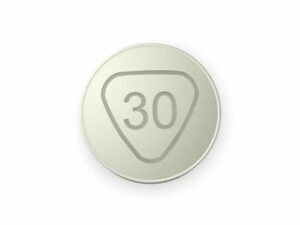
Note: Strengths and tablet sizes can differ between brands and markets. Your pack will show the exact strength you have been given.
What is premature ejaculation (PE)?
Premature ejaculation is typically defined by:
- Uncontrolled or insufficient delay before ejaculation during sexual activity
- Persistent difficulty in controlling ejaculation
- Causing distress to the person and/or their partner
Poxet aims to help you gain better control and increase time to ejaculation. The experience of treatment varies between individuals.
Indications: when Poxet is used
Poxet is indicated for the treatment of premature ejaculation in adult men.
It may be suitable for both:
- Lifelong premature ejaculation (present from early sexual life)
- Acquired premature ejaculation (developing after a period of normal control)
How Poxet works (mechanism of action)
Dapoxetine increases the activity of serotonin in the brain by inhibiting the serotonin transporter (also called the serotonin reuptake transporter). In simpler terms, it helps serotonin stay available for longer.
Serotonin influences sexual function, including ejaculatory control. By affecting serotonin pathways, dapoxetine can help:
- Improve delay to ejaculation
- Increase control over ejaculation
- Reduce distress associated with PE for many users
On-demand use: Although dapoxetine affects serotonin, it is commonly used as needed shortly before sex for PE treatment.
Pharmacokinetics (how the body handles dapoxetine)
Pharmacokinetics describes how a medicine is absorbed, distributed, metabolised, and eliminated.
Absorption
After taking Poxet by mouth, dapoxetine is absorbed into the bloodstream. Peak levels in the blood typically occur within a few hours (often around 1–2 hours), although this can vary.
Distribution
Dapoxetine binds to blood proteins. This helps determine how much of the medicine is active in the body.
Metabolism
Dapoxetine is metabolised mainly by the liver, with enzymes including CYP2D6 and other pathways contributing to clearance.
Elimination
The medicine is cleared from the body through metabolism and elimination of metabolites, primarily via the kidneys and bile/faeces.
Why this matters: Liver function and drug interactions can affect dapoxetine levels and the risk of side effects—so some people need lower doses or should avoid it.
Typical use and treatment approach
Poxet is generally used on-demand shortly before planned sexual activity.
How you may start:
- Many patients begin at a lower dose to assess tolerability.
- Your clinician may adjust the dose based on side effects and benefit.
What to expect: Some people notice improvement after several attempts, while others may need adjustment of dose and timing to find the best fit.
Timing: when to take Poxet
For on-demand use in premature ejaculation, dapoxetine is usually taken:
- Shortly before sexual activity (commonly about 1–3 hours beforehand)
- Adjusting timing may be needed to find your personal best window
Practical timing tips:
- If you experience side effects (such as nausea or dizziness), consider trying earlier or later timing only as advised, and avoid taking it with heavy meals or alcohol.
- Do not take multiple doses to “catch up”.
Dosing (general guidance for adult use)
Dosing must be individualised. The exact regimen can depend on your health status and other medicines.
General adult approach commonly used:
- Start low and assess tolerability.
- Depending on response and side effects, the prescriber may increase or maintain the dose.
Typical limits:
- Dapoxetine is usually taken no more than once per day.
- Your maximum frequency will be stated in your medicine guidance/pack and should be followed.
Important: People with certain conditions (e.g., moderate to severe liver impairment) or strong drug interactions may not be eligible for dapoxetine or may require special dose restrictions.
Food interactions
Food can affect how quickly dapoxetine is absorbed.
- Taking with or after a heavy, fatty meal may slow absorption, potentially delaying the effect.
- To improve predictability for on-demand use, many patients find taking Poxet with a light meal or on a relatively empty stomach helps timing.
Tip: Try to be consistent with meals around the time you take it so you can learn what timing works best for you.
Alcohol and medicine interactions
Alcohol
Combining dapoxetine with alcohol can increase risk of side effects such as:
- Dizziness
- Fainting (syncope)
- Low blood pressure
UK patient-friendly guidance: It is strongly recommended to avoid alcohol when using Poxet, especially around the time of taking the dose.
Medicines that should be avoided or require extra caution
Because dapoxetine affects serotonin and heart/blood-pressure responses in some people, interactions can be clinically important.
Tell a pharmacist or clinician if you take any of the following:
- Other antidepressants (especially SSRIs, SNRIs, tricyclic antidepressants, MAO inhibitors)
- Serotonin-modulating medicines (risk of serotonin syndrome)
- Strong CYP2D6 inhibitors (can increase dapoxetine exposure)
- Medicines that affect bleeding risk (e.g., some antiplatelets or anticoagulants), as SSRIs may increase bleeding tendency
- Medicines affecting heart rhythm (risk considerations)
- Medicines for high blood pressure or those that lower blood pressure (may increase dizziness/fainting risk)
- Opioids or other medicines causing drowsiness (caution due to dizziness)
Do not start or stop antidepressant therapy without professional advice. Some combinations can be dangerous.
Herbal and recreational substances
- St John’s wort (Hypericum perforatum) may alter serotonin activity and drug metabolism.
- Other substances that affect serotonin can increase risk of serious reactions.
Safety profile: side effects and warnings
Like all medicines, Poxet can cause side effects. Many are mild and improve after a few doses. However, some effects require urgent attention.
Common side effects
- Nausea
- Dizziness
- Headache
- Diarrhoea
- Dry mouth
- Feeling tired
- Flushing
Less common but important reactions
- Fainting (syncope) or near-fainting
- Low blood pressure especially on standing
- Serotonin syndrome symptoms in rare cases, particularly if combined with certain medicines
Seek urgent medical help if you notice:
- Fainting, severe dizziness, or collapse
- Symptoms of serotonin syndrome, such as agitation, confusion, fever, sweating, fast heart rate, shaking/tremor, muscle stiffness, or severe diarrhoea
- Chest pain, severe shortness of breath, or irregular heartbeat
- Severe allergic reactions (swelling of face/lips, breathing difficulties, widespread rash)
Who should be extra cautious or avoid Poxet
Poxet may not be suitable for everyone. You should discuss your suitability with a clinician/pharmacist if you have:
- Heart rhythm problems or history of fainting
- Significant liver disease
- Low blood pressure or episodes of dizziness/fainting
- Use of interacting medicines (especially antidepressants or strong inhibitors of CYP enzymes)
- Recent serious mental health symptoms (seek professional guidance)
Practical use tips (to get the best experience)
- Plan the dose carefully: Take Poxet at the recommended time before sex. Don’t take it randomly “just in case”.
- Keep conditions similar: Try to maintain similar meal timing and sleep/hydration patterns when testing.
- Avoid alcohol: This reduces risk and may improve tolerability.
- Be cautious with standing: Dizziness can occur. Stand up slowly, especially the first times you use it.
- Start when you can rest: If you are trying it for the first time, consider a time when you don’t have to drive or do risky tasks immediately after.
- Communicate with a professional: If side effects are troublesome or benefits are absent, ask for advice. Dose or timing adjustments may help.
- Do not exceed recommended frequency: More is not necessarily better and increases side effect risk.
Alternative options for premature ejaculation
Not everyone can use dapoxetine, or the first approach may not work. Options in the UK may include both behavioural and medication strategies.
Non-medicinal approaches
- Start-stop techniques and other behavioural strategies
- Pelvic floor exercises and training
- Counselling or sex therapy where appropriate
Other medication approaches
- Topical anaesthetics (sprays/creams) to reduce sensitivity for some people
- Some antidepressants can also be used for PE in certain cases under professional guidance (depending on individual circumstances)
A healthcare professional can help match the right option to your symptoms, health status, and preferences.
Market and legal context in the UK
In the UK, medicines are regulated by the Medicines and Healthcare products Regulatory Agency (MHRA). Availability, prescribing/dispensing pathways, and pharmacy supply routes depend on the product’s licensing and classification.
Patient-friendly note: Supply and use instructions can vary by product pack size and local pharmacy services. Always follow the instructions provided by the pharmacist and the official Patient Information Leaflet for your specific product.
Recent guidance and evolving safety considerations
Recommendations for safe use of dapoxetine have focused on:
- Risk of dizziness and fainting, particularly in susceptible individuals
- Drug interactions that may increase dapoxetine levels or serotonin-related risks
- Alcohol avoidance around dosing
- Careful selection in people with cardiovascular or liver conditions
Regulatory and clinical advice may be updated over time. For the most current information relevant to your situation, consult your pharmacist.
Delivery and availability (UK)
Online pharmacies in the UK typically offer:
- Secure dispatch with tracking
- Packaging that protects tablets and preserves integrity
- UK delivery options depending on postcode area and courier service
Availability: Stock levels can vary by strength and manufacturer. If your preferred strength is temporarily unavailable, a pharmacy may offer an alternative equivalent option if appropriate.
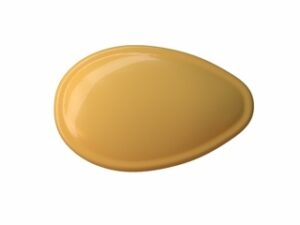
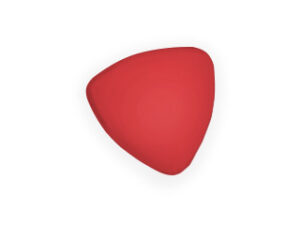
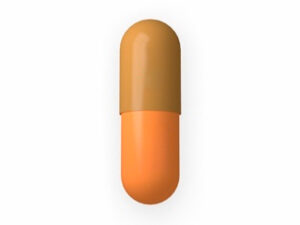
Check your delivery: When your order arrives, verify the product name (Poxet), strength, expiry date, and tablet appearance. Contact the pharmacy if anything looks wrong.
FAQ
1) Is Poxet the same as an antidepressant?
Poxet contains dapoxetine, which works by affecting serotonin. While it is not commonly used as a routine antidepressant, it is pharmacologically related to SSRIs and can therefore share certain interaction risks. This is why you must be careful with other serotonin-affecting medicines.
2) How fast does Poxet work?
Peak blood levels are typically reached within a couple of hours, which is why on-demand dosing is usually planned within 1–3 hours before sex. Individual response can vary.
3) What if I don’t notice any improvement?
Some benefit may take a few attempts, and timing or dose may need adjustment. If you still notice little effect after trying as directed, speak to a pharmacist/clinician to review your situation and ensure no interactions or contraindications apply.
4) Can I take Poxet every day?
Poxet is generally intended for on-demand use for PE and should not exceed the maximum frequency stated in your instructions. Do not take it more often than recommended.
5) Can I take Poxet with food?
Food may delay absorption. Many people find better timing predictability with a light meal or on a relatively empty stomach. Avoid heavy, fatty meals around dosing if timing matters to you.
6) Is it safe to drink alcohol with Poxet?
Alcohol can increase dizziness, fainting risk, and other side effects. It is strongly advised to avoid alcohol when using Poxet, particularly around the time of the dose.
7) What medicines should I be especially careful with?
Please check interactions with a pharmacist if you take:
- Other antidepressants or serotonin-modulating medicines
- Medicines known to strongly affect drug metabolism (for example, certain CYP2D6 inhibitors)
- Medicines that lower blood pressure or affect heart rhythm
- Medicines that increase bleeding risk
8) What should I do if I feel dizzy after taking Poxet?
Sit or lie down until you feel better. Avoid driving or hazardous activities. If dizziness is severe, persistent, or you faint, seek urgent medical help.
9) Can women or teenagers take Poxet?
Poxet is indicated for adult men with premature ejaculation. It is not intended for women or children/adolescents.
10) Are there long-term concerns?
When used as directed, many people tolerate dapoxetine well. Ongoing safety depends on individual health and interacting medicines. If you plan to use Poxet repeatedly, periodic review by a healthcare professional is sensible.
Summary table (at a glance)
| Topic | What to know |
|---|---|
| Product | Poxet (dapoxetine) |
| Used for | Premature ejaculation in adult men |
| How it works | SSRI action—helps improve ejaculatory control via serotonin effects |
| When to take | On-demand shortly before sex (commonly 1–3 hours beforehand) |
| Food | Heavy meals may delay onset; light meal/consistent timing can help |
| Alcohol | Avoid alcohol due to increased dizziness/fainting risk |
| Interactions | Avoid certain antidepressants and carefully consider other interacting medicines |
| Common side effects | Nausea, dizziness, headache, dry mouth, diarrhoea |
| Seek urgent help | Fainting, severe dizziness, signs of serotonin syndrome, serious allergic reaction |
Important reminder
This information is intended to support safe use and understanding. If you have questions about whether Poxet is suitable for you—especially if you take other medicines, have liver or heart problems, or have had dizziness/fainting—ask a pharmacist before using dapoxetine.