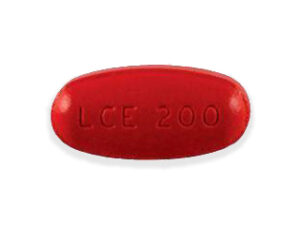

Buspirone (often sold as buspirone hydrochloride) — Patient Information
Buspirone is an anti-anxiety medicine used in the treatment of generalised anxiety and related anxiety conditions. It is different from many older anti-anxiety medicines because it is not a benzodiazepine and is not intended to work instantly. Instead, it builds up effect over days to weeks for many people.
This information is designed to help you understand what buspirone is, how it works, how it is usually taken, and what to expect. It does not replace advice from a healthcare professional.
1. Basic product information
| Feature | What you should know |
|---|---|
| Active ingredient | Buspirone (commonly buspirone hydrochloride) |
| Medicinal purpose | Anti-anxiety medicine for certain anxiety disorders |
| Type | An anxiolytic (anti-anxiety) medicine |
| Onset of effect | Often gradual; benefits may take 1–4 weeks (individual variation) |
| Typical dosing style | Usually taken in divided doses during the day |
| Availability in the UK | Buspirone is available in the UK under appropriate healthcare pathways |
2. How buspirone works (mechanism of action)
Buspirone works mainly by affecting serotonin (5‑HT) receptors and dopamine pathways in the brain. The medicine is thought to act as a partial agonist at serotonin 5‑HT1A receptors and to influence the balance of neurotransmitters involved in anxiety.
Unlike benzodiazepines, buspirone does not primarily act through enhancing the effect of GABA (gamma-aminobutyric acid). As a result, it typically does not produce the same immediate calming effect and is generally not associated with the same level of sedation or dependence risk seen with benzodiazepines.
3. Pharmacokinetics: what the body does to buspirone
“Pharmacokinetics” describes how the body absorbs, distributes, metabolises, and eliminates a medicine. Key points for buspirone include:
- Absorption: Buspirone is absorbed after oral dosing. Taking it regularly helps maintain steady levels.
- Distribution: It distributes into body tissues and can cross into the central nervous system.
- Metabolism: Buspirone is extensively metabolised in the liver, largely by the enzyme system involving CYP3A4.
- Elimination: Metabolites are cleared mainly via the kidneys. The medicine does not have a very long effective duration on its own, which is why multiple daily doses are often used.
- Half-life (general concept): Buspirone’s action gradually builds and may not be felt immediately. Clinical effect depends on steady dosing.
Because buspirone is metabolised by liver enzymes, drug interactions that influence CYP3A4 can affect how much buspirone stays in your body.
4. Typical use in anxiety disorders
Buspirone is used to treat generalised anxiety (and anxiety symptoms that can be persistent rather than short-lived). It may be considered when a gradual, longer-term approach to anxiety symptoms is appropriate.
It is usually not chosen as a “rescue” medicine for sudden panic or immediate relief, because its effect commonly takes time to develop.
5. Timing and how to take buspirone
Buspirone is commonly prescribed in divided doses across the day. The exact schedule depends on your individual plan and your response.
- Consistency matters: Try to take buspirone at the same times each day.
- Be patient: Many people begin to notice improvement within days, but full benefit can take several weeks.
- Do not stop abruptly: If you plan to stop or adjust your medicine, follow professional guidance to reduce the chance of rebound symptoms or withdrawal-like effects.
- If you miss a dose: Take it when you remember unless it is close to the next dose. Do not take a double dose to make up for a missed tablet.
If your prescriber recommends combining buspirone with other anxiety management strategies (such as talking therapies, sleep routines, or stress-reduction approaches), those are often most effective when started early and followed consistently.
6. Food interactions
Food may influence buspirone absorption for some people. To support steady levels:
- Follow your specific instructions: If your clinician or pharmacist recommends taking buspirone with or without food, follow that advice.
- Try to stay consistent: If you find a certain approach (with meals or without) helps avoid side effects, try to keep the routine similar each day.
If you experience stomach upset, dizziness, or nausea, you can discuss whether taking it after food or adjusting the timing is appropriate for you.
7. Alcohol and medicine interactions
Alcohol
You should be cautious with alcohol while taking buspirone. Alcohol can worsen dizziness, drowsiness, mood changes, or impaired coordination. Because buspirone may already affect alertness for some people, combining with alcohol may increase side effects.
- Best practice: Avoid alcohol or keep it minimal and discuss your situation with a healthcare professional.
- Signs to stop alcohol and seek advice: unusual sleepiness, significant dizziness, fainting, or worsening anxiety.
Other medicines
Buspirone’s metabolism involves CYP3A4, so drugs that inhibit or induce CYP3A4 can change buspirone levels. This can either increase the risk of side effects or make buspirone less effective.
Examples (not exhaustive):
- Strong CYP3A4 inhibitors (may raise buspirone levels), such as some antifungals and certain antibiotics.
- Strong CYP3A4 inducers (may reduce buspirone levels), such as some anti-seizure medicines and herbal products.
- Other serotonergic medicines (for example, certain antidepressants): usually may require monitoring for serotonin-related effects.
- Medicines that cause sedation or impair coordination: may increase dizziness or drowsiness.
- Herbal products: St John’s wort can affect enzyme activity; always check with a pharmacist.
Tell your healthcare professional about all medicines you take, including over-the-counter products, vitamins, supplements, and herbal remedies. This is especially important if you start or stop any medicine during buspirone treatment.
8. Indications: when buspirone may be used
In the UK, buspirone is used for anxiety conditions where gradual improvement over time is expected. It may be considered for:
- Generalised anxiety (persistent anxiety and worry)
- Anxiety symptoms associated with long-term stress or nervousness, where an anxiolytic approach is appropriate
Buspirone may be less suitable for people who need immediate relief of acute anxiety episodes. Your clinician can help decide which option fits your symptoms and medical history.
9. Dosing: typical guidance (general information)
Dosing varies by patient. Always follow the dose and schedule provided by your healthcare professional. The information below is general and intended to help you understand common approaches.
General approach
- Treatment often starts with a lower dose and is gradually adjusted based on response and tolerability.
- Buspirone is commonly taken two or three times daily, depending on the dosing regimen.
- Dose changes are typically made after allowing time to judge effect (since benefits may build gradually).
Missed dose advice
- If you miss a dose, take it when you remember.
- If it is almost time for the next dose, skip the missed dose.
- Do not take a double dose to catch up.
If you feel you are not improving after an adequate time at a suitable dose, speak to your clinician before making changes. They may adjust the dose, review interactions, or consider alternative strategies.
10. Safety profile: side effects and when to seek help
Like all medicines, buspirone can cause side effects. Not everyone experiences them. Many side effects are mild and improve as your body adjusts.
Common or relatively frequent side effects
- Dizziness or light-headedness
- Nausea, stomach discomfort
- Headache
- Sleep disturbance (either insomnia or unusual drowsiness)
- Feeling tired or weak
Less common but important effects
- Changes in mood or unusual agitation
- Allergic reactions (e.g., rash, swelling, breathing difficulty)
- Extrapyramidal-type symptoms are uncommon, but any new unusual movement symptoms should be assessed
Seek urgent medical help if you experience
- Signs of an allergic reaction: swelling of face/lips, severe rash, or difficulty breathing
- Severe dizziness, fainting, or falls
- Confusion, severe tremor, or rapidly worsening symptoms
Special caution
- Liver impairment: Because buspirone is metabolised in the liver, dose adjustments may be needed.
- Interactions: Certain medicines can increase side effects by raising buspirone levels.
- Driving and machinery: If buspirone makes you dizzy, avoid driving or operating machinery until you know how it affects you.
11. Practical use tips to make buspirone work well for you
- Give it time: Set expectations that improvement is often gradual.
- Track symptoms: Consider noting anxiety levels (e.g., using a simple 0–10 scale) to help you and your clinician judge progress over weeks.
- Take it the same way each day: Maintain a consistent timing and food approach.
- Check interactions early: Before starting any new medicine or supplement, ask a pharmacist or check the patient leaflet.
- Use supportive strategies: Sleep routine, reducing caffeine, breathing techniques, regular exercise, and talking therapies (such as CBT) can complement medication.
- Plan follow-up: If you don’t notice improvement, arrange a review rather than stopping on your own.
12. Alternative options (discuss with a healthcare professional)
Several treatment approaches may be considered for anxiety, depending on your symptoms, medical history, and preferences. Alternatives can include both non-medicine and medicine options.
Non-medicine options
- Talking therapies: Cognitive behavioural therapy (CBT) is commonly used for anxiety.
- Lifestyle approaches: Stress management, sleep optimisation, exercise, and limiting caffeine.
- Mindfulness and relaxation techniques: Breathing exercises, guided relaxation, and grounding strategies.
Medicine options (examples)
- SSRIs/SNRIs (often first-line for longer-term anxiety management in many clinical pathways)
- Other anxiolytics depending on the situation
- Short-term bridge strategies may be used by clinicians for specific cases—your clinician will weigh risks and benefits
If buspirone doesn’t suit you, your clinician can explain the options and how switching is typically handled.
13. Buspirone in the UK: market, legal and guidance context
In the United Kingdom, anxiolytic medicines are regulated under medicines legislation and healthcare commissioning processes. Availability and usage depend on local clinical pathways and guidance. Buspirone is generally used within established clinical frameworks for anxiety management.
Patient information, such as summaries of product characteristics and patient information leaflets, is maintained by the medicines regulatory framework and updated as new evidence becomes available.
Current practice can vary based on symptom type, severity, comorbidities, and previous treatments. If you want the most up-to-date UK guidance relevant to your circumstances, ask a pharmacist or healthcare professional.
“Recent guidance” note
Clinical guidance for anxiety treatment evolves over time. In the UK, primary care often follows guidance that emphasises:
- Assessment of anxiety type and severity
- Consideration of talking therapies and self-management strategies
- Careful selection of medicines based on evidence, side-effect profiles, and interactions
- Reviewing treatment effectiveness and tolerability at appropriate intervals
Your healthcare professional can explain how buspirone fits into current recommendations for your particular needs.
14. Delivery, availability and what to expect when ordering online
Availability can change depending on stock levels from wholesalers and manufacturers. When purchasing online in the UK, you may see buspirone listed in different strengths or pack sizes (depending on what is currently stocked).
- Dispatch: Most online pharmacy services dispatch orders promptly during business hours when stock is available.
- Delivery timeframe: Delivery is typically within a few working days, depending on the chosen delivery method.
- Packaging: Medicines are delivered in secure packaging with appropriate labelling.
- Cold chain: Buspirone tablets generally do not require refrigeration.
- If unavailable: If a product is temporarily out of stock, you may be offered alternatives such as another strength or supplier availability.
Always ensure the product strength matches what you need. If you are unsure, check the label and consult your pharmacist.
15. Buspirone FAQ
How long does it take for buspirone to work?
Many people notice some improvement within the first couple of weeks, but it can take longer for full benefit. A common timeframe is 1–4 weeks, though individual responses vary.
Is buspirone fast-acting like some anti-anxiety medicines?
Buspirone is usually not considered fast-acting. It is intended for gradual improvement rather than immediate relief. If you need treatment for sudden anxiety spikes, discuss options with your clinician.
Can I drink alcohol while taking buspirone?
It is best to avoid or minimise alcohol. Alcohol can increase dizziness, drowsiness, and may worsen anxiety or impair concentration. If you plan to drink, discuss with your pharmacist or clinician first.
What should I do if I miss a dose?
Take the missed dose when you remember unless it is close to the next dose. Do not take a double dose.
What interactions should I watch for?
Buspirone is metabolised by enzymes including CYP3A4. Some medicines and herbal products can affect these enzymes. Always inform your pharmacist about all medicines you take, including over-the-counter products and supplements.
Will buspirone make me sleepy?
Some people feel tired or dizzy. Others tolerate it well without noticeable drowsiness. Do not drive or use machinery until you know how buspirone affects you.
Can I take buspirone with food?
You may take buspirone with or without food depending on your instructions and how you tolerate it. Staying consistent with your routine is often helpful.
Is buspirone addictive?
Buspirone is not a benzodiazepine and is generally considered to have a different risk profile. However, do not stop or change your medicine without advice, and follow your healthcare professional’s guidance for safe use.
What if I stop buspirone?
Stopping should be handled carefully. If you want to stop, speak to a healthcare professional for advice on tapering or switching. This helps reduce the chance of symptoms returning.
Who should be extra cautious?
Extra caution may be needed if you have liver problems, take interacting medicines, have had allergic reactions to medicines, or need to drive/operate machinery.
Important: If you think you may be having side effects, or you are unsure about interactions with another medicine, contact your pharmacist or healthcare professional promptly.